Religiöse Persönlichkeit
Julian of Antioch
231 - 305
DE.WIKIPEDIA-SEITENAUFRUFE (PV)
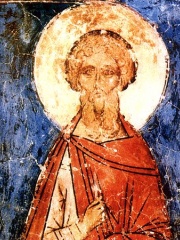
 Julian of Antioch
Seine Biografie ist in 15 verschiedenen Sprachen auf Wikipedia verfügbar. Julian of Antioch ist der 1,584th beliebteste Religiöse Persönlichkeit (gesunken vom 1,342nd im Jahr 2024), die 110th beliebteste Biografie aus Kroatien (gesunken vom 99th im Jahr 2019) und der 10th beliebteste aus Kroatien Religiöse Persönlichkeit.
Bekanntheitsmetriken
11k
Seitenaufrufe
Letzte 12 Monate
62.94
HPI
Historischer Popularitätsindex
Seitenaufrufe von Julian of Antioch nach Sprache
Unter Religiöse Persönlichkeit
Unter Religiöse Persönlichkeit belegt Julian of Antioch Rang 1,584 von 3,187. Vor ihm stehen Federico Borromeo, George Martinuzzi, Antoninus of Florence, Paisius Velichkovsky, Gustav Trolle, und Al-Hakim al-Nishapuri. Nach ihm folgen Didacus of Alcalá, Elizabeth Hesselblad, Filaret Denysenko, Scipione Rebiba, Muhammad Baqir al-Sadr, und Benno.
Die beliebtesten Religiöse Persönlichkeit auf Wikipedia
Zu allen Ranglisten
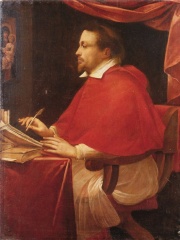
Federico Borromeo
1564 - 1631
HPI: 62.96
Rang: 1,578
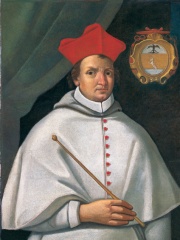
George Martinuzzi
1482 - 1551
HPI: 62.96
Rang: 1,579
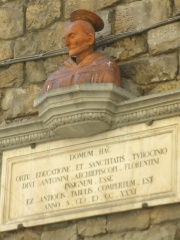
Antoninus of Florence
1389 - 1459
HPI: 62.95
Rang: 1,580
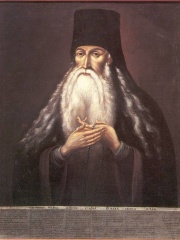
Paisius Velichkovsky
1722 - 1794
HPI: 62.95
Rang: 1,581
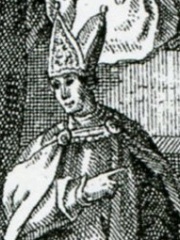
Gustav Trolle
1488 - 1535
HPI: 62.95
Rang: 1,582

Al-Hakim al-Nishapuri
933 - 1014
HPI: 62.95
Rang: 1,583
Julian of Antioch
231 - 305
HPI: 62.94
Rang: 1,584
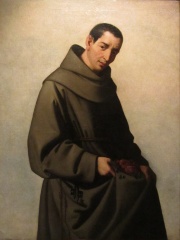
Didacus of Alcalá
1400 - 1463
HPI: 62.94
Rang: 1,585
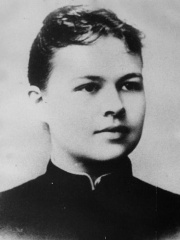
Elizabeth Hesselblad
1870 - 1957
HPI: 62.94
Rang: 1,586
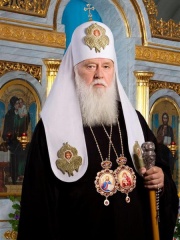
Filaret Denysenko
1929 - 2026
HPI: 62.93
Rang: 1,587
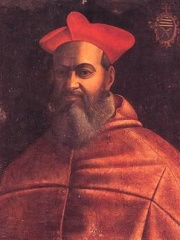
Scipione Rebiba
1504 - 1577
HPI: 62.92
Rang: 1,588

Muhammad Baqir al-Sadr
1935 - 1980
HPI: 62.91
Rang: 1,589
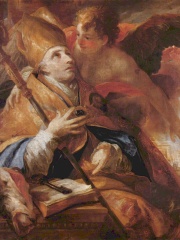
Benno
1010 - 1106
HPI: 62.91
Rang: 1,590

Zeitgenossen
Unter den im Jahr 231 Geborenen belegt Julian of Antioch Rang 1. Unter den im Jahr 305 Verstorbenen belegt Julian of Antioch Rang 5. Vor ihm stehen Catherine of Alexandria, Porphyry, Agnes of Rome, und Januarius. Nach ihm folgt Saint Alban.
Weitere im Jahr 231 Geborene
Zu allen RanglistenWeitere im Jahr 305 Verstorbene
Zu allen Ranglisten
Catherine of Alexandria
RELIGIOUS FIGURE
287 - 305
HPI: 81.57
Rang: 1
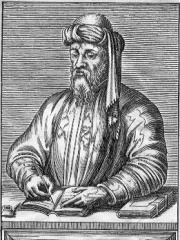
Porphyry
PHILOSOPHER
233 - 305
HPI: 80.06
Rang: 2
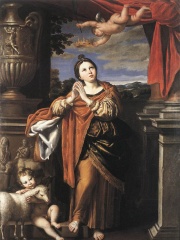
Agnes of Rome
RELIGIOUS FIGURE
291 - 305
HPI: 79.22
Rang: 3
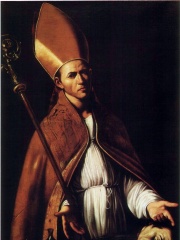
Januarius
RELIGIOUS FIGURE
272 - 305
HPI: 74.51
Rang: 4
Julian of Antioch
RELIGIOUS FIGURE
231 - 305
HPI: 62.94
Rang: 5
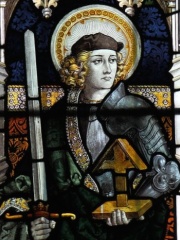
Saint Alban
RELIGIOUS FIGURE
300 - 305
HPI: 61.56
Rang: 6
In Kroatien
Unter den in Kroatien Geborenen belegt Julian of Antioch Rang 110 von NaN. Vor ihm stehen Antun Vrančić (1504), Janko Bobetko (1919), Herman of Carinthia (1100), Mirko Cro Cop (1974), Josif Pančić (1814), und George Martinuzzi (1482). Nach ihm folgen Neda Ukraden (1950), Mario Mandžukić (1986), Tin Ujević (1891), Ivan Perišić (1989), Fausto Veranzio (1551), und Vladimir Nazor (1876).
Weitere in Kroatien geborene Personen
Zu allen Ranglisten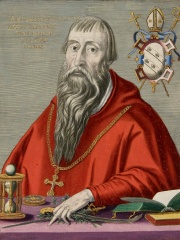
Antun Vrančić
WRITER
1504 - 1573
HPI: 63.11
Rang: 104

Janko Bobetko
MILITARY PERSONNEL
1919 - 2003
HPI: 63.11
Rang: 105
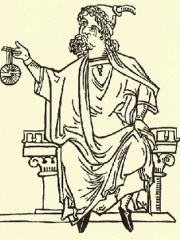
Herman of Carinthia
PHILOSOPHER
1100 - 1160
HPI: 63.10
Rang: 106

Mirko Cro Cop
MARTIAL ARTS
1974 - heute
HPI: 63.08
Rang: 107
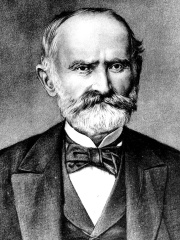
Josif Pančić
BIOLOGIST
1814 - 1888
HPI: 63.04
Rang: 108
George Martinuzzi
RELIGIOUS FIGURE
1482 - 1551
HPI: 62.96
Rang: 109
Julian of Antioch
RELIGIOUS FIGURE
231 - 305
HPI: 62.94
Rang: 110

Neda Ukraden
SINGER
1950 - heute
HPI: 62.93
Rang: 111

Mario Mandžukić
SOCCER PLAYER
1986 - heute
HPI: 62.92
Rang: 112
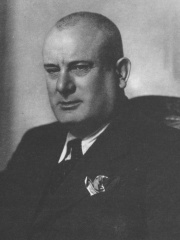
Tin Ujević
WRITER
1891 - 1955
HPI: 62.89
Rang: 113

Ivan Perišić
SOCCER PLAYER
1989 - heute
HPI: 62.79
Rang: 114
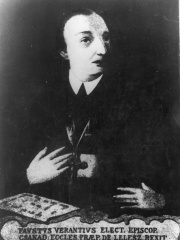
Fausto Veranzio
INVENTOR
1551 - 1617
HPI: 62.76
Rang: 115
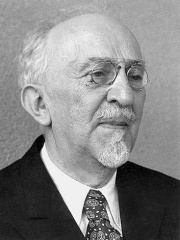
Vladimir Nazor
POLITICIAN
1876 - 1949
HPI: 62.72
Rang: 116
Unter Religiöse Persönlichkeit in Kroatien
Unter den in Kroatien geborenen Religiöse Persönlichkeit belegt Julian of Antioch Rang 10. Vor ihm stehen Aloysius Stepinac (1898), Margaret of Hungary (1242), Josip Bozanić (1949), Pavle, Serbian Patriarch (1914), Franjo Šeper (1905), und George Martinuzzi (1482). Nach ihm folgen Quirinus of Sescia (300), Marko Krizin (1589), Maximianus of Ravenna (499), Franjo Kuharić (1919), Marco Antonio de Dominis (1560), und Nicholas Tavelic (1340).
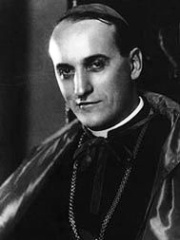
Aloysius Stepinac
1898 - 1960
HPI: 70.51
Rang: 4

Margaret of Hungary
1242 - 1270
HPI: 68.48
Rang: 5
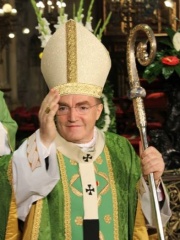
Josip Bozanić
1949 - heute
HPI: 66.04
Rang: 6
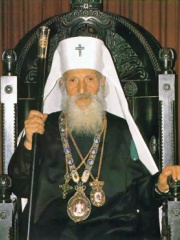
Pavle, Serbian Patriarch
1914 - 2009
HPI: 63.59
Rang: 7
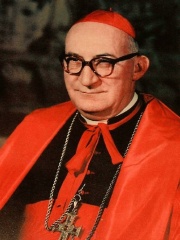
Franjo Šeper
1905 - 1981
HPI: 63.59
Rang: 8
George Martinuzzi
1482 - 1551
HPI: 62.96
Rang: 9
Julian of Antioch
231 - 305
HPI: 62.94
Rang: 10
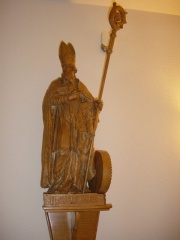
Quirinus of Sescia
300 - 309
HPI: 62.03
Rang: 11
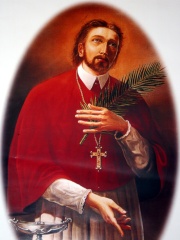
Marko Krizin
1589 - 1619
HPI: 61.84
Rang: 12

Maximianus of Ravenna
499 - 556
HPI: 61.66
Rang: 13
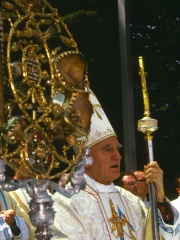
Franjo Kuharić
1919 - 2002
HPI: 61.11
Rang: 14
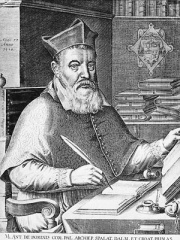
Marco Antonio de Dominis
1560 - 1624
HPI: 60.17
Rang: 15

Nicholas Tavelic
1340 - 1391
HPI: 57.72
Rang: 16




