Figura religiosa
Dorothea of Caesarea
279 - 311
PT.WIKIPEDIA PAGE VIEWS (PV)
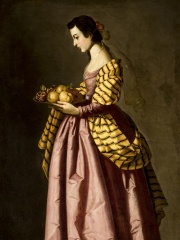
 Dorothea of Caesarea
Sua biografia está disponível em 27 idiomas na Wikipédia (aumento em relação a 25 em 2024). Dorothea of Caesarea é a 536ª figura religiosa mais popular (caiu do 496ª em 2024), a 219ª biografia mais popular da Turquia (caiu do 203ª em 2019) e a 37ª figura religiosa mais popular da Turquia.
Memorability Metrics
78k
Page Views
Past 12 months
73.36
HPI
Historical Popularity Index
Page views of Dorothea of Caesarea by language
Among Figura religiosas
Among figura religiosas, Dorothea of Caesarea ranks 536 out of 3,187. Before her are Talhah, Suger, Anastasia of Sirmium, Desmond Tutu, Jean-Louis Tauran, and Athenagoras I of Constantinople. After her are Pope Caius, Dominic Savio, Saint Titus, Aloysius Gonzaga, William Laud, and Saint Marinus.
Most Popular Figura Religiosas in Wikipedia
Go to all Rankings

Talhah
595 - 656
HPI: 73.48
Rank: 530
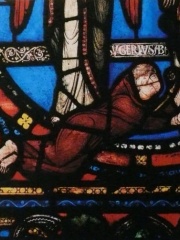
Suger
1080 - 1151
HPI: 73.46
Rank: 531
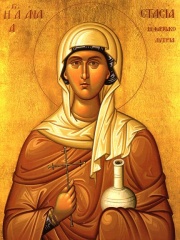
Anastasia of Sirmium
281 - 304
HPI: 73.46
Rank: 532
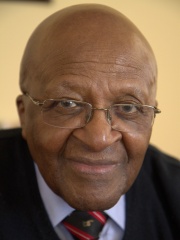
Desmond Tutu
1931 - 2021
HPI: 73.44
Rank: 533

Jean-Louis Tauran
1943 - 2018
HPI: 73.42
Rank: 534
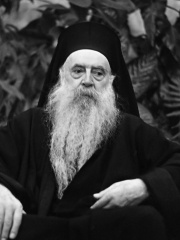
Athenagoras I of Constantinople
1886 - 1972
HPI: 73.41
Rank: 535
Dorothea of Caesarea
279 - 311
HPI: 73.36
Rank: 536
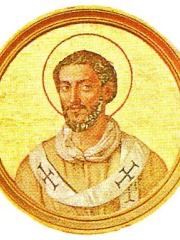
Pope Caius
250 - 296
HPI: 73.34
Rank: 537

Dominic Savio
1842 - 1857
HPI: 73.33
Rank: 538
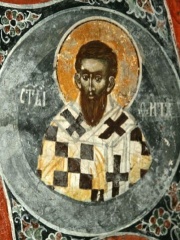
Saint Titus
13 - 107
HPI: 73.32
Rank: 539
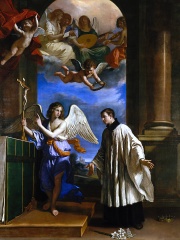
Aloysius Gonzaga
1568 - 1591
HPI: 73.32
Rank: 540
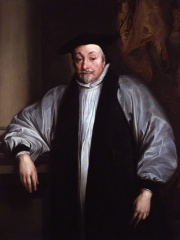
William Laud
1573 - 1645
HPI: 73.32
Rank: 541
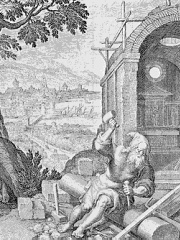
Saint Marinus
275 - 366
HPI: 73.29
Rank: 542

Contemporaries
Among people born in 279, Dorothea of Caesarea ranks 1. Among people deceased in 311, Dorothea of Caesarea ranks 3. Before her are Diocletian, and Galerius. After her are Pope Peter I of Alexandria, and Methodius of Olympus.
Others Born in 279
Go to all RankingsOthers Deceased in 311
Go to all Rankings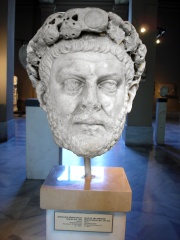
Diocletian
POLITICIAN
244 - 311
HPI: 84.07
Rank: 1
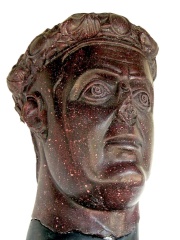
Galerius
POLITICIAN
250 - 311
HPI: 78.39
Rank: 2
Dorothea of Caesarea
RELIGIOUS FIGURE
279 - 311
HPI: 73.36
Rank: 3
Pope Peter I of Alexandria
RELIGIOUS FIGURE
300 - 311
HPI: 70.60
Rank: 4
Methodius of Olympus
WRITER
260 - 311
HPI: 63.32
Rank: 5
In Turquia
Among people born in Turquia, Dorothea of Caesarea ranks 219 out of NaN. Before her are Anthemius (420), Michael I Rangabe (770), Simeon Stylites (389), Pope John VI (655), Mehmet Ali Ağca (1958), and Theodore I Laskaris (1174). After her are Michael II (770), Dragut (1485), Henri Fayol (1841), Alexios V Doukas (1140), Constantine VIII (960), and Xenocrates (-396).
Others born in Turquia
Go to all Rankings
Anthemius
POLITICIAN
420 - 472
HPI: 73.55
Rank: 213
Michael I Rangabe
POLITICIAN
770 - 844
HPI: 73.53
Rank: 214
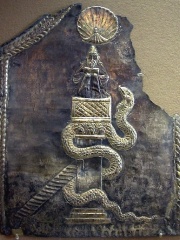
Simeon Stylites
RELIGIOUS FIGURE
389 - 459
HPI: 73.51
Rank: 215
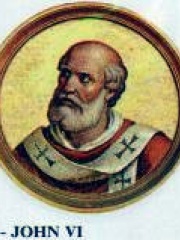
Pope John VI
RELIGIOUS FIGURE
655 - 705
HPI: 73.49
Rank: 216

Mehmet Ali Ağca
EXTREMIST
1958 - Present
HPI: 73.48
Rank: 217
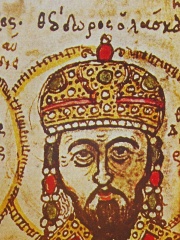
Theodore I Laskaris
POLITICIAN
1174 - 1221
HPI: 73.36
Rank: 218
Dorothea of Caesarea
RELIGIOUS FIGURE
279 - 311
HPI: 73.36
Rank: 219
Michael II
POLITICIAN
770 - 829
HPI: 73.34
Rank: 220
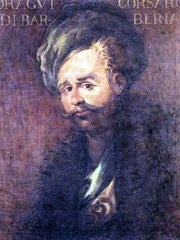
Dragut
MILITARY PERSONNEL
1485 - 1565
HPI: 73.33
Rank: 221
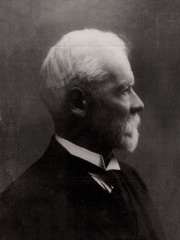
Henri Fayol
ECONOMIST
1841 - 1925
HPI: 73.33
Rank: 222
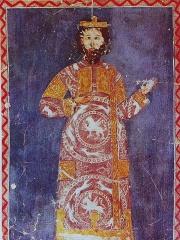
Alexios V Doukas
POLITICIAN
1140 - 1204
HPI: 73.31
Rank: 223
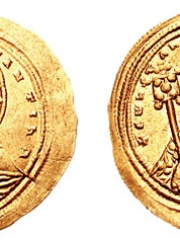
Constantine VIII
POLITICIAN
960 - 1028
HPI: 73.28
Rank: 224
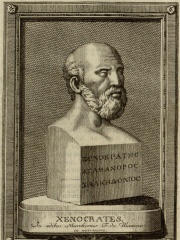
Xenocrates
PHILOSOPHER
396 BC - 314 BC
HPI: 73.16
Rank: 225
Among Figura religiosas In Turquia
Among figura religiosas born in Turquia, Dorothea of Caesarea ranks 37. Before her are Clement of Ohrid (840), Sabbatai Zevi (1626), Gregory Palamas (1296), Basilios Bessarion (1403), Simeon Stylites (389), and Pope John VI (655). After her are Parascheva of the Balkans (1000), Sabbas the Sanctified (439), Laban (-1900), Pancras of Rome (289), Thecla (100), and Theophanes the Confessor (758).
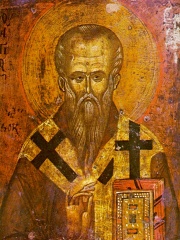
Clement of Ohrid
840 - 916
HPI: 74.69
Rank: 31
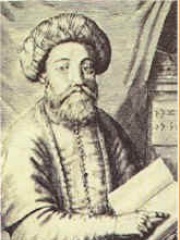
Sabbatai Zevi
1626 - 1676
HPI: 74.60
Rank: 32
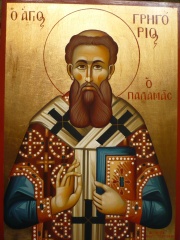
Gregory Palamas
1296 - 1359
HPI: 74.49
Rank: 33
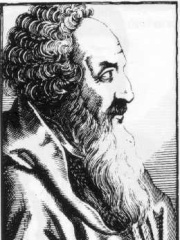
Basilios Bessarion
1403 - 1472
HPI: 74.05
Rank: 34
Simeon Stylites
389 - 459
HPI: 73.51
Rank: 35
Pope John VI
655 - 705
HPI: 73.49
Rank: 36
Dorothea of Caesarea
279 - 311
HPI: 73.36
Rank: 37
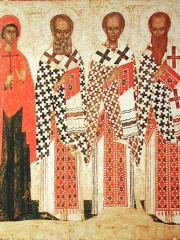
Parascheva of the Balkans
1000 - 1100
HPI: 72.56
Rank: 38
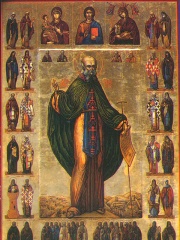
Sabbas the Sanctified
439 - 532
HPI: 72.39
Rank: 39

Laban
1900 BC - Present
HPI: 72.30
Rank: 40
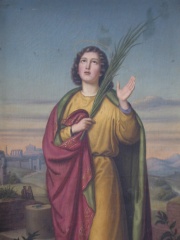
Pancras of Rome
289 - 304
HPI: 72.06
Rank: 41
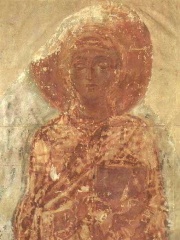
Thecla
100 - 100
HPI: 71.86
Rank: 42
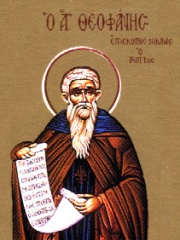
Theophanes the Confessor
758 - 818
HPI: 71.81
Rank: 43




