Figura religiosa
Mammes of Caesarea
259 - 275
PT.WIKIPEDIA PAGE VIEWS (PV)
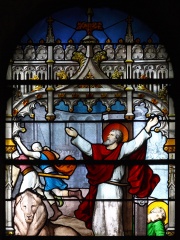
 Mammes of Caesarea
Sua biografia está disponível em 19 idiomas na Wikipédia (aumento em relação a 17 em 2024). Mammes of Caesarea é o 839º figura religiosa mais popular (subiu do 889º em 2024), a 373ª biografia mais popular da Turquia (subiu do 419ª em 2019) e o 65º figura religiosa mais popular da Turquia.
Memorability Metrics
50k
Page Views
Past 12 months
68.67
HPI
Historical Popularity Index
Page views of Mammes of Caesarea by language
Among Figura religiosas
Among figura religiosas, Mammes of Caesarea ranks 839 out of 3,187. Before him are Peter Faber, Scipione Borghese, Maria Cristina of Savoy, Francisco Jiménez de Cisneros, Saint Cajetan, and Muhammad ibn al-Hanafiyyah. After him are 6th Dalai Lama, John Nelson Darby, John of Rila, Servatius of Tongeren, Martin de Porres, and Antipope Ursicinus.
Most Popular Figura Religiosas in Wikipedia
Go to all Rankings
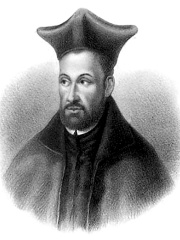
Peter Faber
1506 - 1545
HPI: 68.76
Rank: 833
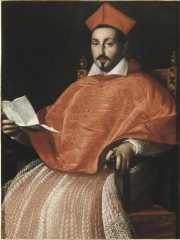
Scipione Borghese
1577 - 1633
HPI: 68.74
Rank: 834
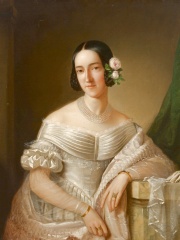
Maria Cristina of Savoy
1812 - 1836
HPI: 68.73
Rank: 835
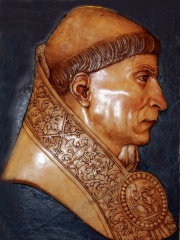
Francisco Jiménez de Cisneros
1436 - 1517
HPI: 68.73
Rank: 836

Saint Cajetan
1480 - 1547
HPI: 68.72
Rank: 837

Muhammad ibn al-Hanafiyyah
637 - 700
HPI: 68.69
Rank: 838
Mammes of Caesarea
259 - 275
HPI: 68.67
Rank: 839

6th Dalai Lama
1683 - 1706
HPI: 68.66
Rank: 840
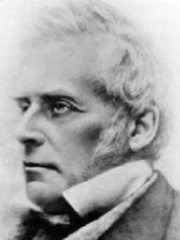
John Nelson Darby
1800 - 1882
HPI: 68.64
Rank: 841
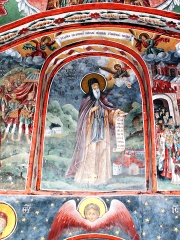
John of Rila
876 - 946
HPI: 68.63
Rank: 842
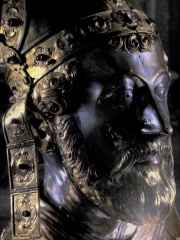
Servatius of Tongeren
400 - 384
HPI: 68.63
Rank: 843
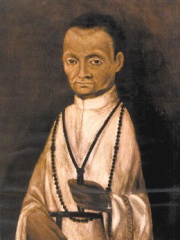
Martin de Porres
1579 - 1639
HPI: 68.63
Rank: 844

Antipope Ursicinus
400 - 384
HPI: 68.63
Rank: 845

Contemporaries
Among people born in 259, Mammes of Caesarea ranks 2. Before him is Rebecca. After him is Emperor Hui of Jin. Among people deceased in 275, Mammes of Caesarea ranks 4. Before him are Zenobia, Aurelian, and Tarcisius. After him is Paul of Samosata.
Others Born in 259
Go to all Rankings
Rebecca
RELIGIOUS FIGURE
259 - Present
HPI: 81.03
Rank: 1
Mammes of Caesarea
RELIGIOUS FIGURE
259 - 275
HPI: 68.67
Rank: 2

Emperor Hui of Jin
POLITICIAN
259 - 307
HPI: 66.80
Rank: 3
Others Deceased in 275
Go to all Rankings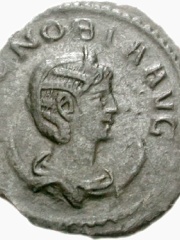
Zenobia
POLITICIAN
240 - 275
HPI: 78.70
Rank: 1
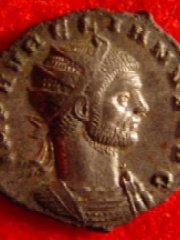
Aurelian
POLITICIAN
214 - 275
HPI: 78.59
Rank: 2
Tarcisius
RELIGIOUS FIGURE
263 - 275
HPI: 71.27
Rank: 3
Mammes of Caesarea
RELIGIOUS FIGURE
259 - 275
HPI: 68.67
Rank: 4

Paul of Samosata
RELIGIOUS FIGURE
200 - 275
HPI: 68.37
Rank: 5
In Turquia
Among people born in Turquia, Mammes of Caesarea ranks 373 out of NaN. Before him are Zenodotus (-330), Pharamond (370), Eutropius (320), Fritigern (400), Autolycus of Pitane (-360), and Thrasymachus (-459). After him are Nicephorus Gregoras (1295), Mursili III (-1400), Seleucus III Ceraunus (-243), Maria of Alania (1053), Cornelius Castoriadis (1922), and Artemidorus (200).
Others born in Turquia
Go to all Rankings
Zenodotus
WRITER
330 BC - 260 BC
HPI: 68.83
Rank: 367
Pharamond
POLITICIAN
370 - 427
HPI: 68.82
Rank: 368
Eutropius
HISTORIAN
320 - 400
HPI: 68.75
Rank: 369

Fritigern
POLITICIAN
400 - 380
HPI: 68.74
Rank: 370
Autolycus of Pitane
MATHEMATICIAN
360 BC - 290 BC
HPI: 68.73
Rank: 371

Thrasymachus
PHILOSOPHER
459 BC - 399 BC
HPI: 68.69
Rank: 372
Mammes of Caesarea
RELIGIOUS FIGURE
259 - 275
HPI: 68.67
Rank: 373
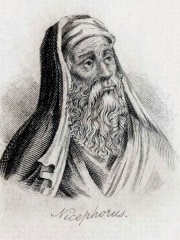
Nicephorus Gregoras
PHILOSOPHER
1295 - 1360
HPI: 68.65
Rank: 374

Mursili III
POLITICIAN
1400 BC - 1267 BC
HPI: 68.64
Rank: 375
Seleucus III Ceraunus
POLITICIAN
243 BC - 223 BC
HPI: 68.63
Rank: 376
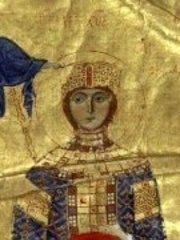
Maria of Alania
POLITICIAN
1053 - 1118
HPI: 68.63
Rank: 377

Cornelius Castoriadis
ECONOMIST
1922 - 1997
HPI: 68.61
Rank: 378

Artemidorus
WRITER
200 - 200
HPI: 68.61
Rank: 379
Among Figura religiosas In Turquia
Among figura religiosas born in Turquia, Mammes of Caesarea ranks 65. Before him are Eutychius of Constantinople (512), Euphemia (289), Papias of Hierapolis (70), Haran (null), Agabus (100), and Thaddeus of Edessa (100). After him are Paul of Samosata (200), Antipas of Pergamum (100), Onesimus (1), Charalambos (87), Lucian of Antioch (240), and Said Nursî (1877).
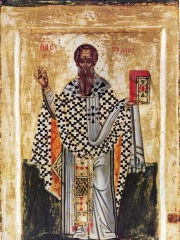
Eutychius of Constantinople
512 - 582
HPI: 69.51
Rank: 59

Euphemia
289 - 304
HPI: 69.12
Rank: 60
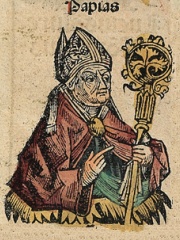
Papias of Hierapolis
70 - 100
HPI: 69.08
Rank: 61

Haran
HPI: 69.05
Rank: 62

Agabus
100 - 100
HPI: 68.95
Rank: 63

Thaddeus of Edessa
100 - 50
HPI: 68.90
Rank: 64
Mammes of Caesarea
259 - 275
HPI: 68.67
Rank: 65
Paul of Samosata
200 - 275
HPI: 68.37
Rank: 66
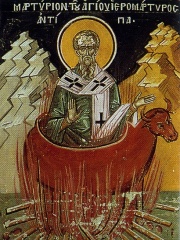
Antipas of Pergamum
100 - 92
HPI: 68.35
Rank: 67
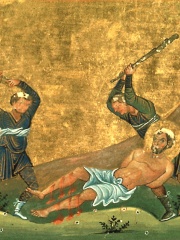
Onesimus
1 - 90
HPI: 68.29
Rank: 68
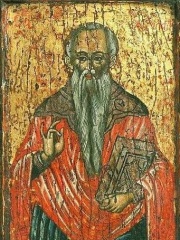
Charalambos
87 - 202
HPI: 67.62
Rank: 69

Lucian of Antioch
240 - 312
HPI: 67.57
Rank: 70
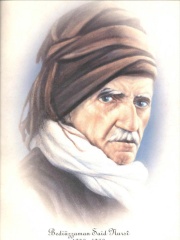
Said Nursî
1877 - 1960
HPI: 67.51
Rank: 71




