Vallási személyiség
Charalambos
87 - 202
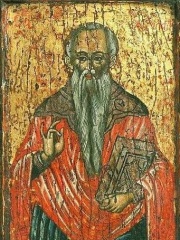
 Charalambos
Életrajza 19 különböző nyelven érhető el a Wikipédián (növekedés 17-ről 2024-ben). Charalambos a 922nd legnépszerűbb vallási személyiség (csökkenés a 846th-ről 2024-ben), a 418th legnépszerűbb életrajz Törökország országából (csökkenés a 401st-ről 2019-ben) és a 69th legnépszerűbb Törökországból vallási személyiség.
Memorability Metrics
88k
Page Views
Past 12 months
67.62
HPI
Historical Popularity Index
Page views of Charalambos by language
Among Vallási személyiségs
Among vallási személyiségs, Charalambos ranks 922 out of 3,187. Before him are Anthony Maria Zaccaria, Giuseppe Moscati, Patriarch Nikon of Moscow, Killing of Peter Fechter, Sasan, and Peter Chrysologus. After him are Guru Angad, Ravi Shankar, Angela of Foligno, Raniero Cantalamessa, Lucian of Antioch, and Hélder Câmara.
Most Popular Vallási Személyiségs in Wikipedia
Go to all Rankings
Anthony Maria Zaccaria
1502 - 1539
HPI: 67.68
Rank: 916
Giuseppe Moscati
1880 - 1927
HPI: 67.68
Rank: 917

Patriarch Nikon of Moscow
1605 - 1681
HPI: 67.67
Rank: 918
Killing of Peter Fechter
1944 - 1962
HPI: 67.66
Rank: 919

Sasan
200 - 300
HPI: 67.65
Rank: 920
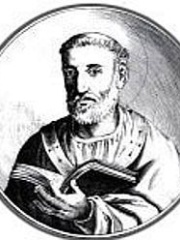
Peter Chrysologus
380 - 450
HPI: 67.62
Rank: 921
Charalambos
87 - 202
HPI: 67.62
Rank: 922
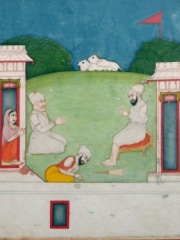
Guru Angad
1504 - 1552
HPI: 67.61
Rank: 923

Ravi Shankar
1956 - Present
HPI: 67.60
Rank: 924
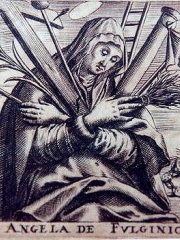
Angela of Foligno
1248 - 1309
HPI: 67.58
Rank: 925

Raniero Cantalamessa
1934 - Present
HPI: 67.58
Rank: 926

Lucian of Antioch
240 - 312
HPI: 67.57
Rank: 927
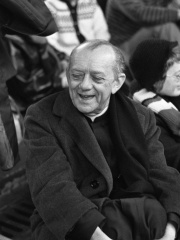
Hélder Câmara
1909 - 1999
HPI: 67.57
Rank: 928

Contemporaries
Among people born in 87, Charalambos ranks 1. After him is Saint Pothinus. Among people deceased in 202, Charalambos ranks 3. Before him are Irenaeus, and Yuan Shao.
Others Born in 87
Go to all RankingsCharalambos
RELIGIOUS FIGURE
87 - 202
HPI: 67.62
Rank: 1
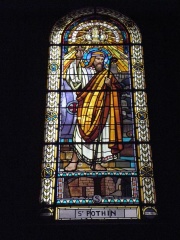
Saint Pothinus
RELIGIOUS FIGURE
87 - 177
HPI: 60.61
Rank: 2
Others Deceased in 202
Go to all Rankings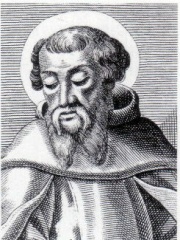
Irenaeus
RELIGIOUS FIGURE
130 - 202
HPI: 76.80
Rank: 1
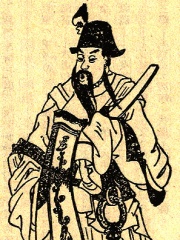
Yuan Shao
POLITICIAN
154 - 202
HPI: 71.75
Rank: 2
Charalambos
RELIGIOUS FIGURE
87 - 202
HPI: 67.62
Rank: 3
In Törökország
Among people born in Törökország, Charalambos ranks 418 out of NaN. Before him are Nicholas Kanabos (1200), Hümaşah Sultan (1540), Ekrem İmamoğlu (1970), Ardys of Lydia (-750), Kaya Sultan (1633), and Demetrios Palaiologos (1407). After him are John IV of Trebizond (1403), Lucian of Antioch (240), Constance of Antioch (1127), Mimnermus (-670), Said Nursî (1877), and Bardas (816).
Others born in Törökország
Go to all Rankings
Nicholas Kanabos
POLITICIAN
1200 - 1204
HPI: 67.82
Rank: 412

Hümaşah Sultan
COMPANION
1540 - 1592
HPI: 67.77
Rank: 413
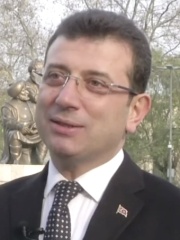
Ekrem İmamoğlu
POLITICIAN
1970 - Present
HPI: 67.69
Rank: 414

Ardys of Lydia
POLITICIAN
750 BC - 629 BC
HPI: 67.69
Rank: 415

Kaya Sultan
COMPANION
1633 - 1659
HPI: 67.67
Rank: 416
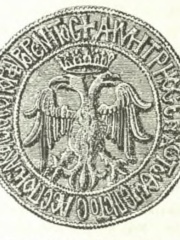
Demetrios Palaiologos
POLITICIAN
1407 - 1470
HPI: 67.65
Rank: 417
Charalambos
RELIGIOUS FIGURE
87 - 202
HPI: 67.62
Rank: 418
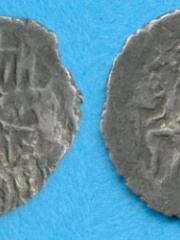
John IV of Trebizond
POLITICIAN
1403 - 1460
HPI: 67.58
Rank: 419
Lucian of Antioch
RELIGIOUS FIGURE
240 - 312
HPI: 67.57
Rank: 420

Constance of Antioch
POLITICIAN
1127 - 1163
HPI: 67.57
Rank: 421

Mimnermus
WRITER
670 BC - 600 BC
HPI: 67.56
Rank: 422
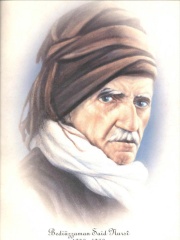
Said Nursî
RELIGIOUS FIGURE
1877 - 1960
HPI: 67.51
Rank: 423

Bardas
POLITICIAN
816 - 866
HPI: 67.48
Rank: 424
Among Vallási személyiségs In Törökország
Among vallási személyiségs born in Törökország, Charalambos ranks 69. Before him are Agabus (100), Thaddeus of Edessa (100), Mammes of Caesarea (259), Paul of Samosata (200), Antipas of Pergamum (100), and Onesimus (1). After him are Lucian of Antioch (240), Said Nursî (1877), Nectarios of Aegina (1846), Tryphon, Respicius, and Nympha (null), Athanasius the Athonite (920), and John IV of Constantinople (600).

Agabus
100 - 100
HPI: 68.95
Rank: 63

Thaddeus of Edessa
100 - 50
HPI: 68.90
Rank: 64
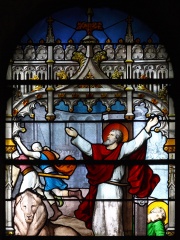
Mammes of Caesarea
259 - 275
HPI: 68.67
Rank: 65

Paul of Samosata
200 - 275
HPI: 68.37
Rank: 66
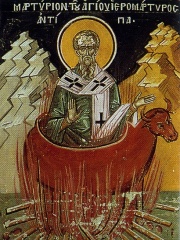
Antipas of Pergamum
100 - 92
HPI: 68.35
Rank: 67
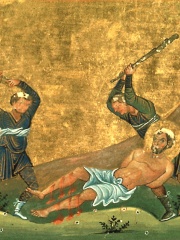
Onesimus
1 - 90
HPI: 68.29
Rank: 68
Charalambos
87 - 202
HPI: 67.62
Rank: 69
Lucian of Antioch
240 - 312
HPI: 67.57
Rank: 70
Said Nursî
1877 - 1960
HPI: 67.51
Rank: 71
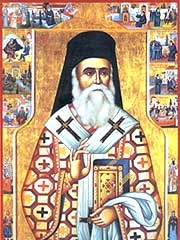
Nectarios of Aegina
1846 - 1920
HPI: 67.48
Rank: 72
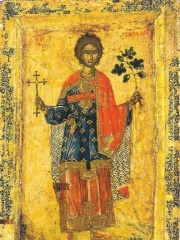
Tryphon, Respicius, and Nympha
HPI: 67.30
Rank: 73
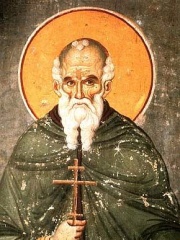
Athanasius the Athonite
920 - 1003
HPI: 67.22
Rank: 74
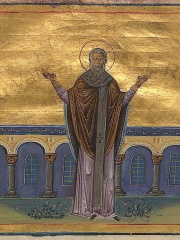
John IV of Constantinople
600 - 595
HPI: 67.19
Rank: 75




