Filósofo
Julius Evola
1898 - 1974
VISUALIZAÇÕES EM PT.WIKIPEDIA (PV)
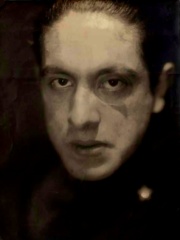
 Julius Evola
Sua biografia está disponível em 52 idiomas na Wikipédia (aumento em relação a 47 em 2024). Julius Evola é o 223º filósofo mais popular (caiu do 219º em 2024), a 640ª biografia mais popular da Itália (caiu do 586ª em 2019) e o 20º filósofo mais popular da Itália.
Métricas de memorabilidade
560k
Visualizações
Últimos 12 meses
73.16
HPI
Índice de Popularidade Histórica
Visualizações da página de Julius Evola por idioma
Entre Filósofo
Entre Filósofo, Julius Evola ocupa a posição 223 de 1,267. Antes dele vêm G. E. M. Anscombe, Theano, Muhammad Abduh, Solomon ibn Gabirol, Benjamin Constant, e Xenocrates. Depois dele vêm Francisco Suárez, Paulo Freire, Joseph de Maistre, Ernst Bloch, Gaston Bachelard, e Benedetto Croce.
Filósofo mais populares na Wikipédia
Ver todas as classificações
G. E. M. Anscombe
1919 - 2001
HPI: 73.41
Posição: 217

Theano
600 BC - 600 BC
HPI: 73.38
Posição: 218
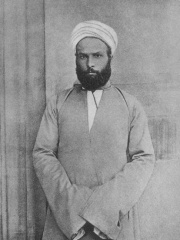
Muhammad Abduh
1849 - 1905
HPI: 73.35
Posição: 219
Solomon ibn Gabirol
1021 - 1058
HPI: 73.35
Posição: 220
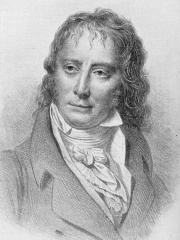
Benjamin Constant
1767 - 1830
HPI: 73.28
Posição: 221
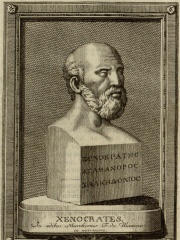
Xenocrates
396 BC - 314 BC
HPI: 73.16
Posição: 222
Julius Evola
1898 - 1974
HPI: 73.16
Posição: 223
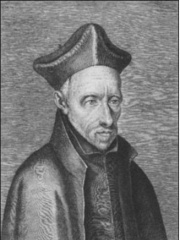
Francisco Suárez
1548 - 1617
HPI: 73.14
Posição: 224
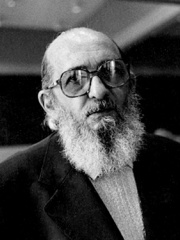
Paulo Freire
1921 - 1997
HPI: 73.10
Posição: 225
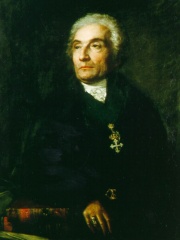
Joseph de Maistre
1753 - 1821
HPI: 73.09
Posição: 226
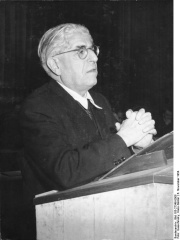
Ernst Bloch
1885 - 1977
HPI: 73.08
Posição: 227
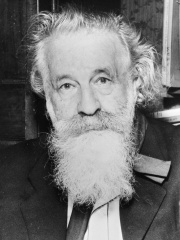
Gaston Bachelard
1884 - 1962
HPI: 72.94
Posição: 228
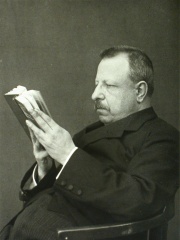
Benedetto Croce
1866 - 1952
HPI: 72.94
Posição: 229

Contemporâneos
Entre as pessoas nascidas em 1898, Julius Evola ocupa a posição 23. Antes dele vêm C. S. Lewis, Herbert Marcuse, Liu Shaoqi, Karl Ziegler, Trofim Lysenko, e Gunnar Myrdal. Depois dele vêm Hans Krebs, Tamara de Lempicka, Karl Hermann Frank, Rudolf Dassler, Isidor Isaac Rabi, e Rodion Malinovsky. Entre as pessoas falecidas em 1974, Julius Evola ocupa a posição 18. Antes dele vêm Earl Wilbur Sutherland Jr., Vittorio De Sica, U Thant, Lyudmila Pavlichenko, Baldur von Schirach, e Nick Drake. Depois dele vêm David Oistrakh, Erich Kästner, Rudolf Dassler, Imre Lakatos, Miguel Ángel Asturias, e Darius Milhaud.
Outras pessoas nascidas em 1898
Ver todas as classificações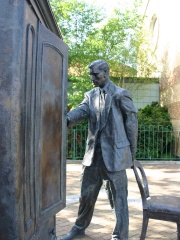
C. S. Lewis
WRITER
1898 - 1963
HPI: 76.86
Posição: 17
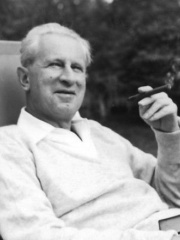
Herbert Marcuse
PHILOSOPHER
1898 - 1979
HPI: 75.47
Posição: 18
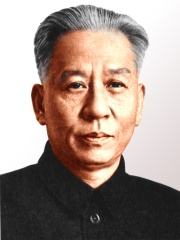
Liu Shaoqi
POLITICIAN
1898 - 1969
HPI: 75.28
Posição: 19
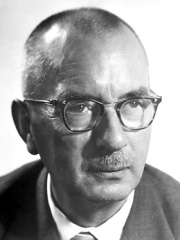
Karl Ziegler
CHEMIST
1898 - 1973
HPI: 74.89
Posição: 20
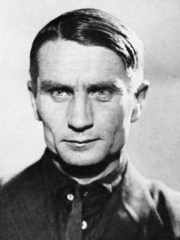
Trofim Lysenko
BIOLOGIST
1898 - 1976
HPI: 74.66
Posição: 21
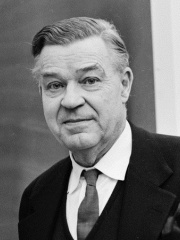
Gunnar Myrdal
ECONOMIST
1898 - 1987
HPI: 73.52
Posição: 22
Julius Evola
PHILOSOPHER
1898 - 1974
HPI: 73.16
Posição: 23
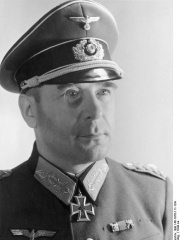
Hans Krebs
MILITARY PERSONNEL
1898 - 1945
HPI: 73.08
Posição: 24
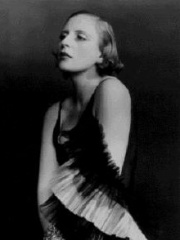
Tamara de Lempicka
PAINTER
1898 - 1980
HPI: 73.00
Posição: 25
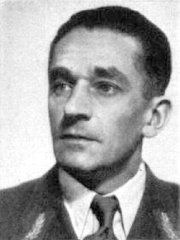
Karl Hermann Frank
POLITICIAN
1898 - 1946
HPI: 72.35
Posição: 26
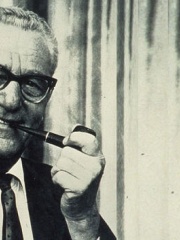
Rudolf Dassler
BUSINESSPERSON
1898 - 1974
HPI: 72.33
Posição: 27
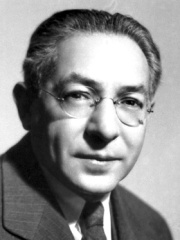
Isidor Isaac Rabi
PHYSICIST
1898 - 1988
HPI: 72.02
Posição: 28
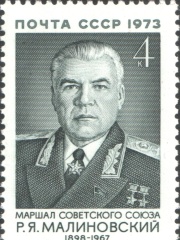
Rodion Malinovsky
POLITICIAN
1898 - 1967
HPI: 72.01
Posição: 29
Outras pessoas falecidas em 1974
Ver todas as classificações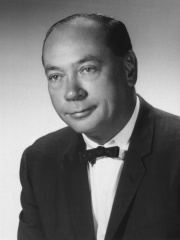
Earl Wilbur Sutherland Jr.
CHEMIST
1915 - 1974
HPI: 75.65
Posição: 12
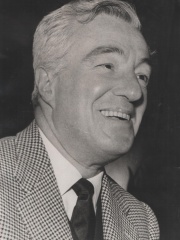
Vittorio De Sica
FILM DIRECTOR
1901 - 1974
HPI: 75.36
Posição: 13
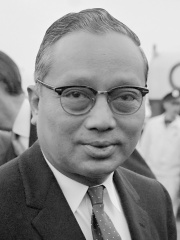
U Thant
POLITICIAN
1909 - 1974
HPI: 75.35
Posição: 14
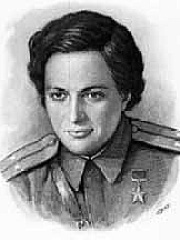
Lyudmila Pavlichenko
MILITARY PERSONNEL
1916 - 1974
HPI: 75.14
Posição: 15
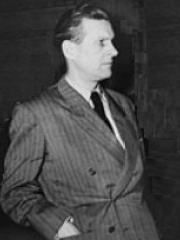
Baldur von Schirach
POLITICIAN
1907 - 1974
HPI: 74.89
Posição: 16
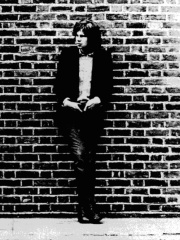
Nick Drake
MUSICIAN
1948 - 1974
HPI: 74.28
Posição: 17
Julius Evola
PHILOSOPHER
1898 - 1974
HPI: 73.16
Posição: 18
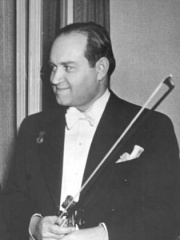
David Oistrakh
MUSICIAN
1908 - 1974
HPI: 72.83
Posição: 19
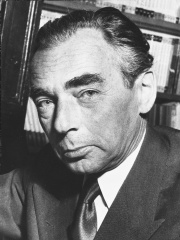
Erich Kästner
WRITER
1899 - 1974
HPI: 72.64
Posição: 20
Rudolf Dassler
BUSINESSPERSON
1898 - 1974
HPI: 72.33
Posição: 21
Imre Lakatos
PHILOSOPHER
1922 - 1974
HPI: 72.32
Posição: 22
Miguel Ángel Asturias
WRITER
1899 - 1974
HPI: 72.17
Posição: 23
Darius Milhaud
COMPOSER
1892 - 1974
HPI: 72.13
Posição: 24
Em Itália
Entre as pessoas nascidas em Itália, Julius Evola ocupa a posição 640 de NaN. Antes dele vêm Alessandro Manzoni (1785), Pope Vigilius (500), Ferdinand II of the Two Sicilies (1810), Pupienus (170), Pescennius Niger (135), e Monica Vitti (1931). Depois dele vêm Isabella of Aragon, Queen of France (1248), Umberto Boccioni (1882), Giuliano de' Medici, Duke of Nemours (1479), Pope Felix IV (480), Pope Romanus (850), e Ludovico Einaudi (1955).
Outras pessoas nascidas em Itália
Ver todas as classificações
Alessandro Manzoni
WRITER
1785 - 1873
HPI: 73.23
Posição: 634
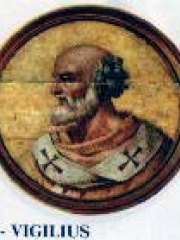
Pope Vigilius
RELIGIOUS FIGURE
500 - 555
HPI: 73.23
Posição: 635
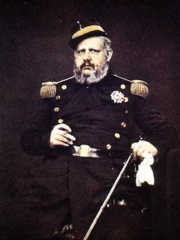
Ferdinand II of the Two Sicilies
POLITICIAN
1810 - 1859
HPI: 73.22
Posição: 636

Pupienus
POLITICIAN
170 - 238
HPI: 73.21
Posição: 637
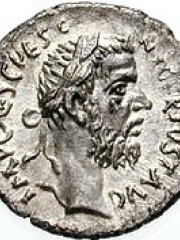
Pescennius Niger
POLITICIAN
135 - 194
HPI: 73.20
Posição: 638

Monica Vitti
ACTOR
1931 - 2022
HPI: 73.16
Posição: 639
Julius Evola
PHILOSOPHER
1898 - 1974
HPI: 73.16
Posição: 640
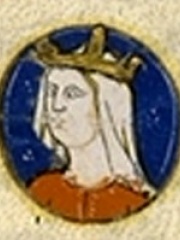
Isabella of Aragon, Queen of France
POLITICIAN
1248 - 1271
HPI: 73.14
Posição: 641
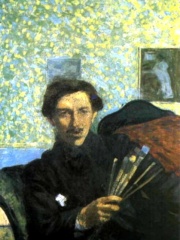
Umberto Boccioni
PAINTER
1882 - 1916
HPI: 73.13
Posição: 642
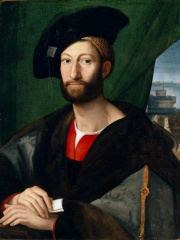
Giuliano de' Medici, Duke of Nemours
POLITICIAN
1479 - 1516
HPI: 73.12
Posição: 643
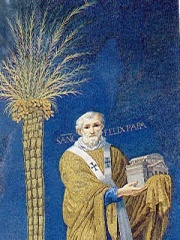
Pope Felix IV
RELIGIOUS FIGURE
480 - 530
HPI: 73.11
Posição: 644
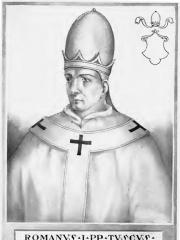
Pope Romanus
RELIGIOUS FIGURE
850 - 897
HPI: 73.11
Posição: 645
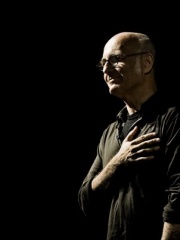
Ludovico Einaudi
MUSICIAN
1955 - presente
HPI: 73.11
Posição: 646
Entre Filósofo em Itália
Entre Filósofo nascidos em Itália, Julius Evola ocupa a posição 20. Antes dele vêm Giambattista Vico (1668), Tommaso Campanella (1568), Cesare Beccaria (1738), Alcmaeon of Croton (-510), Hippasus (-600), e Theano (-600). Depois dele vêm Benedetto Croce (1866), Giorgio Agamben (1942), Marsilius of Padua (1275), Elena Cornaro Piscopia (1646), Pietro Pomponazzi (1462), e Giovanni Gentile (1875).
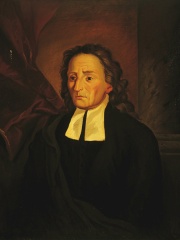
Giambattista Vico
1668 - 1744
HPI: 76.67
Posição: 14
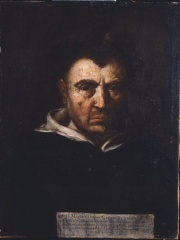
Tommaso Campanella
1568 - 1639
HPI: 76.67
Posição: 15
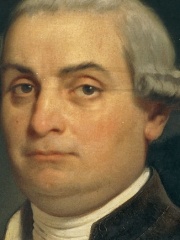
Cesare Beccaria
1738 - 1794
HPI: 74.89
Posição: 16
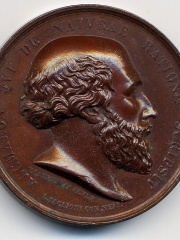
Alcmaeon of Croton
510 BC - 450 BC
HPI: 73.88
Posição: 17
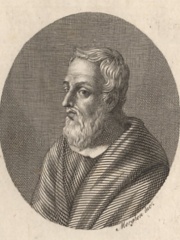
Hippasus
600 BC - 500 BC
HPI: 73.44
Posição: 18
Theano
600 BC - 600 BC
HPI: 73.38
Posição: 19
Julius Evola
1898 - 1974
HPI: 73.16
Posição: 20
Benedetto Croce
1866 - 1952
HPI: 72.94
Posição: 21
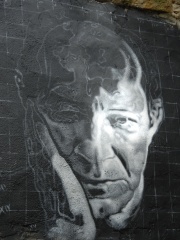
Giorgio Agamben
1942 - presente
HPI: 72.65
Posição: 22

Marsilius of Padua
1275 - 1342
HPI: 71.76
Posição: 23
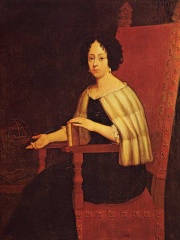
Elena Cornaro Piscopia
1646 - 1684
HPI: 70.48
Posição: 24
Pietro Pomponazzi
1462 - 1525
HPI: 70.27
Posição: 25
Giovanni Gentile
1875 - 1944
HPI: 69.95
Posição: 26




