Político
Jebe
1137 - 1225
VISUALIZAÇÕES EM PT.WIKIPEDIA (PV)

 Jebe
Jebe
Sua biografia está disponível em 34 idiomas na Wikipédia (aumento em relação a 32 em 2024). Jebe é o 2098º político mais popular (caiu do 1556º em 2024), a 14ª biografia mais popular da Mongólia (caiu do 13ª em 2019) e o 11º político mais popular da Mongólia.
Métricas de memorabilidade
110k
Visualizações
Últimos 12 meses
71.90
HPI
Índice de Popularidade Histórica
Visualizações da página de Jebe por idioma
Entre Político
Entre Político, Jebe ocupa a posição 2,097 de 19,576. Antes dele vêm Sultan Cem, Pyotr Stolypin, Louis II, Prince of Monaco, Kilij Arslan I, Romano Prodi, e Ferdinand I of Aragon. Depois dele vêm Isma'il Pasha, Albert the Bear, Louise Mountbatten, Cosimo III de' Medici, Grand Duke of Tuscany, Uzziah, e Eric the Victorious.
Político mais populares na Wikipédia
Ver todas as classificações
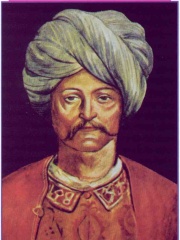
Sultan Cem
1459 - 1495
HPI: 71.92
Posição: 2,092
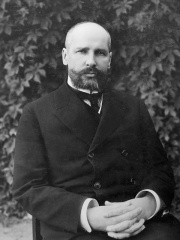
Pyotr Stolypin
1862 - 1911
HPI: 71.92
Posição: 2,093
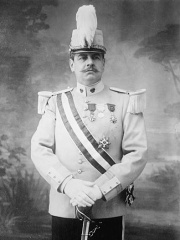
Louis II, Prince of Monaco
1870 - 1949
HPI: 71.92
Posição: 2,094
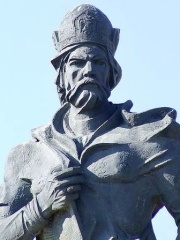
Kilij Arslan I
1079 - 1107
HPI: 71.92
Posição: 2,095
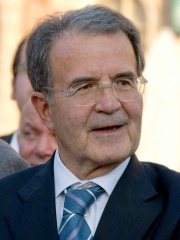
Romano Prodi
1939 - presente
HPI: 71.91
Posição: 2,096
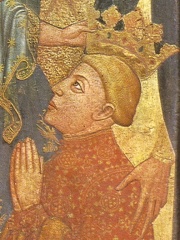
Ferdinand I of Aragon
1380 - 1416
HPI: 71.91
Posição: 2,097
Jebe
1137 - 1225
HPI: 71.90
Posição: 2,098
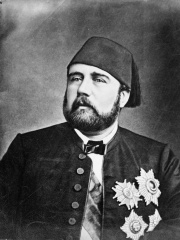
Isma'il Pasha
1830 - 1895
HPI: 71.90
Posição: 2,099
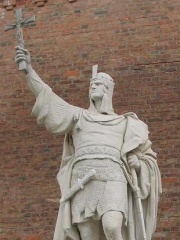
Albert the Bear
1100 - 1170
HPI: 71.90
Posição: 2,100
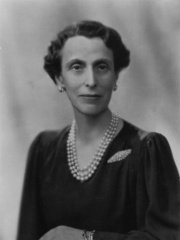
Louise Mountbatten
1889 - 1965
HPI: 71.90
Posição: 2,101
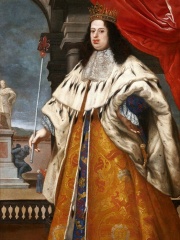
Cosimo III de' Medici, Grand Duke of Tuscany
1642 - 1723
HPI: 71.90
Posição: 2,102
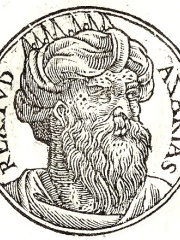
Uzziah
900 BC - 900 BC
HPI: 71.89
Posição: 2,103
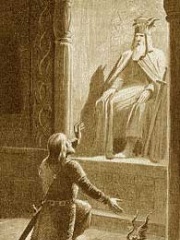
Eric the Victorious
945 - 995
HPI: 71.89
Posição: 2,104

Contemporâneos
Entre as pessoas nascidas em 1137, Jebe ocupa a posição 1. Depois dele vêm Ferdinand II of León, Matthew, Count of Boulogne, Henry Berengar, Blanca of Navarre, Queen of Castile, Wenceslaus II, Duke of Bohemia, Sancha of Castile, Queen of Navarre, e Ludwig II, Count of Württemberg. Entre as pessoas falecidas em 1225, Jebe ocupa a posição 1. Depois dele vêm Al-Afdal ibn Salah ad-Din, Al-Nasir, Comtessa de Dia, Arnaud Amalric, Hōjō Masako, Angelus of Jerusalem, Ma Yuan, Jien, Engelbert II of Berg, e Adolf III of Holstein.
Outras pessoas nascidas em 1137
Ver todas as classificaçõesJebe
POLITICIAN
1137 - 1225
HPI: 71.90
Posição: 1
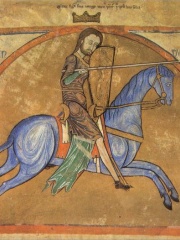
Ferdinand II of León
POLITICIAN
1137 - 1188
HPI: 68.79
Posição: 2

Matthew, Count of Boulogne
NOBLEMAN
1137 - 1173
HPI: 62.68
Posição: 3
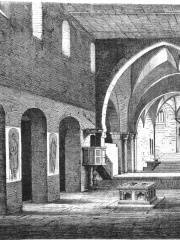
Henry Berengar
POLITICIAN
1137 - 1150
HPI: 62.01
Posição: 4
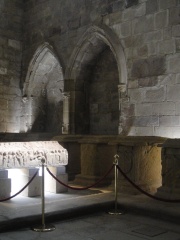
Blanca of Navarre, Queen of Castile
COMPANION
1137 - 1156
HPI: 61.81
Posição: 5

Wenceslaus II, Duke of Bohemia
POLITICIAN
1137 - 1192
HPI: 61.71
Posição: 6

Sancha of Castile, Queen of Navarre
POLITICIAN
1137 - 1179
HPI: 60.67
Posição: 7

Ludwig II, Count of Württemberg
NOBLEMAN
1137 - 1181
HPI: 57.13
Posição: 8
Outras pessoas falecidas em 1225
Ver todas as classificaçõesJebe
POLITICIAN
1137 - 1225
HPI: 71.90
Posição: 1

Al-Afdal ibn Salah ad-Din
POLITICIAN
1170 - 1225
HPI: 68.27
Posição: 2
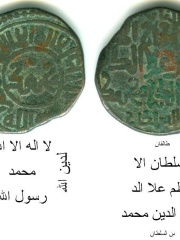
Al-Nasir
POLITICIAN
1158 - 1225
HPI: 67.58
Posição: 3
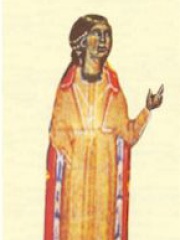
Comtessa de Dia
WRITER
1175 - 1225
HPI: 67.12
Posição: 4
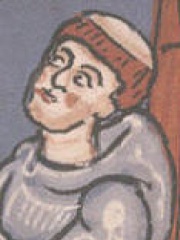
Arnaud Amalric
RELIGIOUS FIGURE
1160 - 1225
HPI: 65.34
Posição: 5
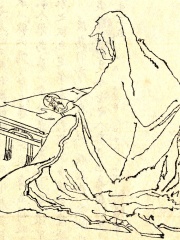
Hōjō Masako
POLITICIAN
1156 - 1225
HPI: 65.20
Posição: 6
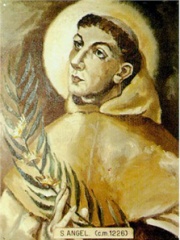
Angelus of Jerusalem
RELIGIOUS FIGURE
1185 - 1225
HPI: 64.19
Posição: 7

Ma Yuan
PAINTER
1160 - 1225
HPI: 62.13
Posição: 8
Jien
WRITER
1155 - 1225
HPI: 59.76
Posição: 9
Engelbert II of Berg
RELIGIOUS FIGURE
1185 - 1225
HPI: 59.55
Posição: 10
Adolf III of Holstein
POLITICIAN
1160 - 1225
HPI: 59.04
Posição: 11
Em Mongólia
Entre as pessoas nascidas em Mongólia, Jebe ocupa a posição 14 de NaN. Antes dele vêm Modu Chanyu (-234), Berke (1209), Börte (1161), Ariq Böke (1219), Abaqa Khan (1234), e Toghrul (1130). Depois dele vêm Sorghaghtani Beki (1190), Damdin Sükhbaatar (1893), Punsalmaagiin Ochirbat (1942), Yumjaagiin Tsedenbal (1916), Dayan Khan (1464), e Muqali (1170).
Outras pessoas nascidas em Mongólia
Ver todas as classificações
Modu Chanyu
POLITICIAN
234 BC - 174 BC
HPI: 75.23
Posição: 8
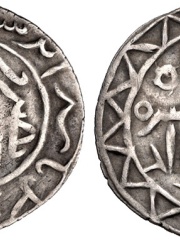
Berke
POLITICIAN
1209 - 1266
HPI: 75.07
Posição: 9
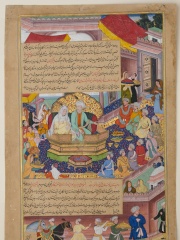
Börte
POLITICIAN
1161 - 1230
HPI: 74.50
Posição: 10
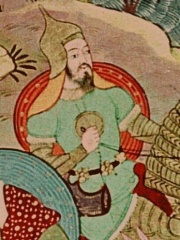
Ariq Böke
POLITICIAN
1219 - 1266
HPI: 73.98
Posição: 11
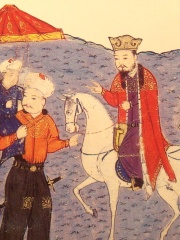
Abaqa Khan
POLITICIAN
1234 - 1282
HPI: 73.66
Posição: 12
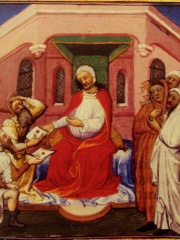
Toghrul
POLITICIAN
1130 - 1203
HPI: 72.19
Posição: 13
Jebe
POLITICIAN
1137 - 1225
HPI: 71.90
Posição: 14
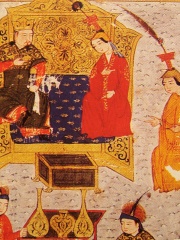
Sorghaghtani Beki
NOBLEMAN
1190 - 1252
HPI: 71.23
Posição: 15
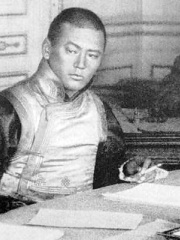
Damdin Sükhbaatar
POLITICIAN
1893 - 1923
HPI: 70.61
Posição: 16
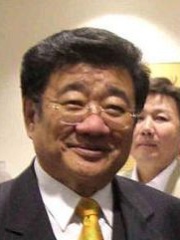
Punsalmaagiin Ochirbat
POLITICIAN
1942 - 2025
HPI: 68.80
Posição: 17
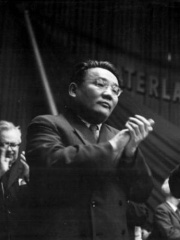
Yumjaagiin Tsedenbal
POLITICIAN
1916 - 1991
HPI: 68.74
Posição: 18

Dayan Khan
POLITICIAN
1464 - 1517
HPI: 68.05
Posição: 19
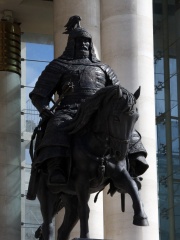
Muqali
MILITARY PERSONNEL
1170 - 1223
HPI: 67.93
Posição: 20
Entre Político em Mongólia
Entre Político nascidos em Mongólia, Jebe ocupa a posição 11. Antes dele vêm Modu Chanyu (-234), Berke (1209), Börte (1161), Ariq Böke (1219), Abaqa Khan (1234), e Toghrul (1130). Depois dele vêm Damdin Sükhbaatar (1893), Punsalmaagiin Ochirbat (1942), Yumjaagiin Tsedenbal (1916), Dayan Khan (1464), Baydu (1300), e Ukhnaagiin Khürelsükh (1968).
Modu Chanyu
234 BC - 174 BC
HPI: 75.23
Posição: 5
Berke
1209 - 1266
HPI: 75.07
Posição: 6
Börte
1161 - 1230
HPI: 74.50
Posição: 7
Ariq Böke
1219 - 1266
HPI: 73.98
Posição: 8
Abaqa Khan
1234 - 1282
HPI: 73.66
Posição: 9
Toghrul
1130 - 1203
HPI: 72.19
Posição: 10
Jebe
1137 - 1225
HPI: 71.90
Posição: 11
Damdin Sükhbaatar
1893 - 1923
HPI: 70.61
Posição: 12
Punsalmaagiin Ochirbat
1942 - 2025
HPI: 68.80
Posição: 13
Yumjaagiin Tsedenbal
1916 - 1991
HPI: 68.74
Posição: 14
Dayan Khan
1464 - 1517
HPI: 68.05
Posição: 15
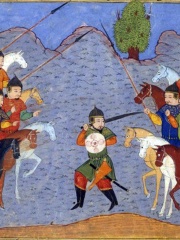
Baydu
1300 - 1295
HPI: 67.58
Posição: 16

Ukhnaagiin Khürelsükh
1968 - presente
HPI: 67.12
Posição: 17




