Político
Jean Asselborn
1949 - presente
VISUALIZAÇÕES EM PT.WIKIPEDIA (PV)
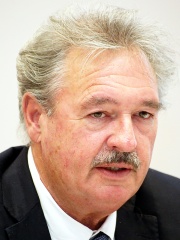
 Jean Asselborn
Sua biografia está disponível em 24 idiomas na Wikipédia. Jean Asselborn é o 14575º político mais popular (caiu do 12561º em 2024), a 46ª biografia mais popular do Luxemburgo (caiu do 31ª em 2019) e o 21º político mais popular do Luxemburgo.
Métricas de memorabilidade
27k
Visualizações
Últimos 12 meses
56.42
HPI
Índice de Popularidade Histórica
Destaques dos dados
24
A biografia de Jean Asselborn abrange 24 edições de idiomas da Wikipédia e alcança um Índice de Popularidade Histórica de 56.42.
Visualizações da página de Jean Asselborn por idioma
Entre Político
Entre Político, Jean Asselborn ocupa a posição 14,569 de 20,022. Antes dele vêm Vladan Đorđević, Ducetius, Lucius Manlius Vulso Longus, Silvan Shalom, Alejandro Maldonado, e Philip Hammond. Depois dele vêm Ünal Üstel, Johanna Magdalena of Saxe-Altenburg, Wálter Guevara, Jakub Berman, Miguel Ángel Revilla, e Maura Healey.
Político mais populares na Wikipédia
Ver todas as classificações
Vladan Đorđević
1844 - 1930
HPI: 56.43
Posição: 14,569
Ducetius
488 BC - 440 BC
HPI: 56.43
Posição: 14,570

Lucius Manlius Vulso Longus
250 BC - 300 BC
HPI: 56.43
Posição: 14,571
Silvan Shalom
1958 - presente
HPI: 56.43
Posição: 14,572
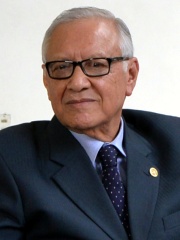
Alejandro Maldonado
1936 - presente
HPI: 56.42
Posição: 14,573
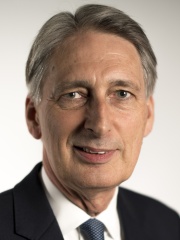
Philip Hammond
1955 - presente
HPI: 56.42
Posição: 14,574
Jean Asselborn
1949 - presente
HPI: 56.42
Posição: 14,575

Ünal Üstel
1955 - presente
HPI: 56.42
Posição: 14,576
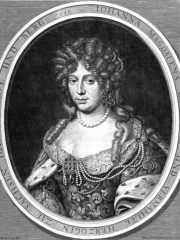
Johanna Magdalena of Saxe-Altenburg
1656 - 1686
HPI: 56.42
Posição: 14,577
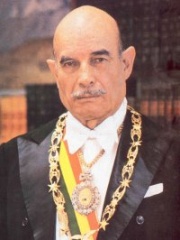
Wálter Guevara
1912 - 1996
HPI: 56.41
Posição: 14,578
Jakub Berman
1901 - 1984
HPI: 56.41
Posição: 14,579
Miguel Ángel Revilla
1943 - presente
HPI: 56.41
Posição: 14,580
Maura Healey
1971 - presente
HPI: 56.41
Posição: 14,581

Contemporâneos
Entre as pessoas nascidas em 1949, Jean Asselborn ocupa a posição 433. Antes dele vêm Ebi, José Graziano da Silva, William Shepherd, Wendy O. Williams, William Lane Craig, e Gil Scott-Heron. Depois dele vêm Keith Rowley, Irena Degutienė, Tatyana Anisimova, Kurt Beck, Carlos Babington, e Rick Springfield.
Outras pessoas nascidas em 1949
Ver todas as classificações
Ebi
SINGER
1949 - presente
HPI: 56.58
Posição: 427
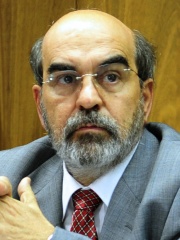
José Graziano da Silva
POLITICIAN
1949 - presente
HPI: 56.57
Posição: 428
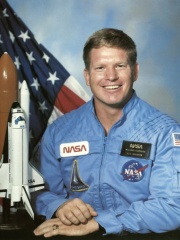
William Shepherd
ASTRONAUT
1949 - presente
HPI: 56.50
Posição: 429

Wendy O. Williams
ACTOR
1949 - 1998
HPI: 56.48
Posição: 430

William Lane Craig
PHILOSOPHER
1949 - presente
HPI: 56.48
Posição: 431
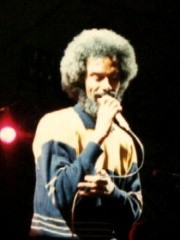
Gil Scott-Heron
SINGER
1949 - 2011
HPI: 56.44
Posição: 432
Jean Asselborn
POLITICIAN
1949 - presente
HPI: 56.42
Posição: 433
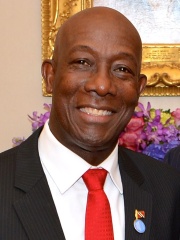
Keith Rowley
POLITICIAN
1949 - presente
HPI: 56.41
Posição: 434
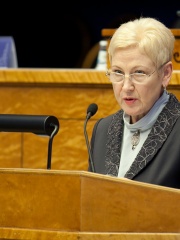
Irena Degutienė
POLITICIAN
1949 - presente
HPI: 56.41
Posição: 435

Tatyana Anisimova
ATHLETE
1949 - presente
HPI: 56.40
Posição: 436
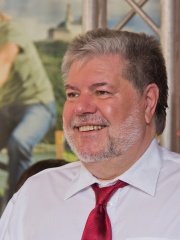
Kurt Beck
POLITICIAN
1949 - presente
HPI: 56.39
Posição: 437
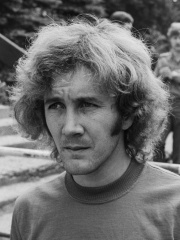
Carlos Babington
SOCCER PLAYER
1949 - presente
HPI: 56.39
Posição: 438

Rick Springfield
MUSICIAN
1949 - presente
HPI: 56.36
Posição: 439
Em Luxemburgo
Entre as pessoas nascidas em Luxemburgo, Jean Asselborn ocupa a posição 46 de 113. Antes dele vêm Pierre Frieden (1892), Bertrand Gachot (1962), Princess Marie Adelaide of Luxembourg (1924), Gaspard-Théodore-Ignace de la Fontaine (1787), Anne Fontaine (1959), e Paul Eyschen (1841). Depois dele vêm Léon Krier (1946), Johny Schleck (1942), Lydie Polfer (1952), Curt von François (1852), William Justin Kroll (1889), e Princess Sophie of Luxembourg (1902).
Outras pessoas nascidas em Luxemburgo
Ver todas as classificações
Pierre Frieden
POLITICIAN
1892 - 1959
HPI: 57.35
Posição: 40

Bertrand Gachot
RACING DRIVER
1962 - presente
HPI: 57.12
Posição: 41
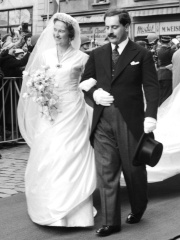
Princess Marie Adelaide of Luxembourg
NOBLEMAN
1924 - 2007
HPI: 56.96
Posição: 42
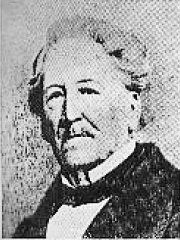
Gaspard-Théodore-Ignace de la Fontaine
POLITICIAN
1787 - 1871
HPI: 56.89
Posição: 43
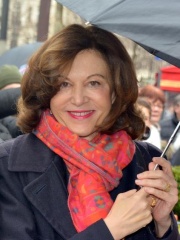
Anne Fontaine
FILM DIRECTOR
1959 - presente
HPI: 56.66
Posição: 44
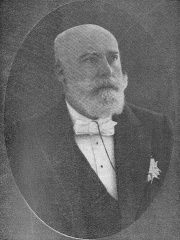
Paul Eyschen
POLITICIAN
1841 - 1915
HPI: 56.63
Posição: 45
Jean Asselborn
POLITICIAN
1949 - presente
HPI: 56.42
Posição: 46
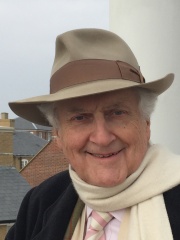
Léon Krier
ARCHITECT
1946 - 2025
HPI: 56.36
Posição: 47

Johny Schleck
CYCLIST
1942 - presente
HPI: 56.34
Posição: 48
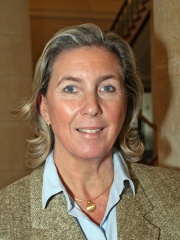
Lydie Polfer
POLITICIAN
1952 - presente
HPI: 56.15
Posição: 49
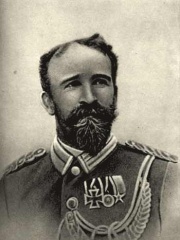
Curt von François
GEOGRAPHER
1852 - 1931
HPI: 56.15
Posição: 50

William Justin Kroll
INVENTOR
1889 - 1973
HPI: 56.14
Posição: 51
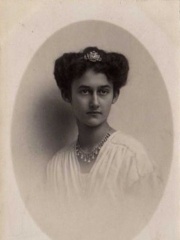
Princess Sophie of Luxembourg
NOBLEMAN
1902 - 1941
HPI: 56.06
Posição: 52
Entre Político em Luxemburgo
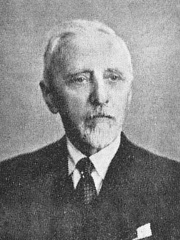
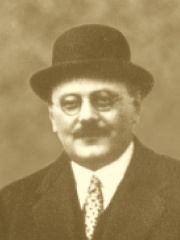
Entre Político nascidos em Luxemburgo, Jean Asselborn ocupa a posição 21. Antes dele vêm Princess Marie Gabrielle of Luxembourg (1925), Gabriela von Habsburg (1956), Pierre Dupong (1885), Pierre Frieden (1892), Gaspard-Théodore-Ignace de la Fontaine (1787), e Paul Eyschen (1841). Depois dele vêm Lydie Polfer (1952), Jean-Jacques Willmar (1792), Jacques Poos (1935), Nicolas Schmit (1953), Émile Reuter (1874), e Pierre Prüm (1886).

Princess Marie Gabrielle of Luxembourg
1925 - 2023
HPI: 59.44
Posição: 15
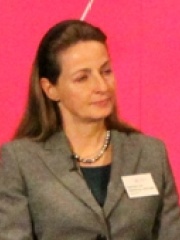
Gabriela von Habsburg
1956 - presente
HPI: 58.78
Posição: 16
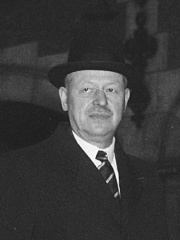
Pierre Dupong
1885 - 1953
HPI: 58.22
Posição: 17
Pierre Frieden
1892 - 1959
HPI: 57.35
Posição: 18
Gaspard-Théodore-Ignace de la Fontaine
1787 - 1871
HPI: 56.89
Posição: 19
Paul Eyschen
1841 - 1915
HPI: 56.63
Posição: 20
Jean Asselborn
1949 - presente
HPI: 56.42
Posição: 21
Lydie Polfer
1952 - presente
HPI: 56.15
Posição: 22
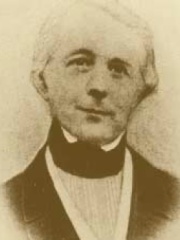
Jean-Jacques Willmar
1792 - 1866
HPI: 55.72
Posição: 23
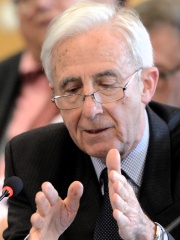
Jacques Poos
1935 - 2022
HPI: 54.97
Posição: 24
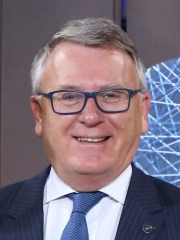
Nicolas Schmit
1953 - presente
HPI: 54.10
Posição: 25
Émile Reuter
1874 - 1973
HPI: 54.04
Posição: 26
Pierre Prüm
1886 - 1950
HPI: 53.12
Posição: 27




