Politico
Jean Asselborn
1949 - presente
VISUALIZZAZIONI SU IT.WIKIPEDIA (PV)
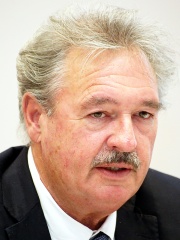
 Jean Asselborn
La sua biografia è disponibile in 24 lingue su Wikipedia. Jean Asselborn è il 14574° politico più popolare (in calo dal 12562° nel 2024), la 46ª biografia più popolare della Lussemburgo (in calo dal 31ª nel 2019) e il 21° politico più popolare della Lussemburgo.
Metriche di memorabilità
27k
Visualizzazioni
Ultimi 12 mesi
56.42
HPI
Indice di popolarità storica
Dati in evidenza
27 apr
Jean Asselborn condivide il compleanno (27 aprile) con Ulysses S. Grant, Mumtaz Mahal e Samuel Morse.
Visualizzazioni della pagina di Jean Asselborn per lingua
Tra Politico
Tra Politico, Jean Asselborn occupa la posizione 14,568 su 19,576. Prima di lui ci sono Vladan Đorđević, Ducetius, Lucius Manlius Vulso Longus, Silvan Shalom, Alejandro Maldonado, e Philip Hammond. Dopo di lui ci sono Ünal Üstel, Johanna Magdalena of Saxe-Altenburg, Wálter Guevara, Jakub Berman, Miguel Ángel Revilla, e Maura Healey.
Politico più popolari su Wikipedia
Vai a tutte le classifiche
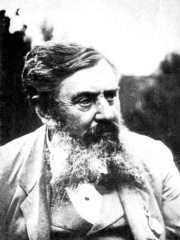
Vladan Đorđević
1844 - 1930
HPI: 56.43
Posizione: 14,568
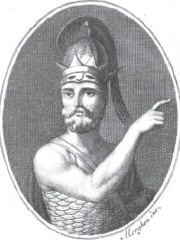
Ducetius
488 BC - 440 BC
HPI: 56.43
Posizione: 14,569

Lucius Manlius Vulso Longus
250 BC - 300 BC
HPI: 56.43
Posizione: 14,570

Silvan Shalom
1958 - presente
HPI: 56.43
Posizione: 14,571
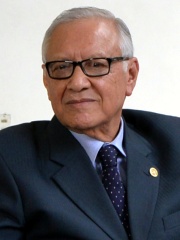
Alejandro Maldonado
1936 - presente
HPI: 56.42
Posizione: 14,572
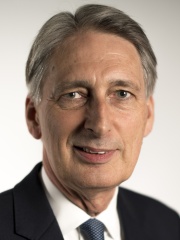
Philip Hammond
1955 - presente
HPI: 56.42
Posizione: 14,573
Jean Asselborn
1949 - presente
HPI: 56.42
Posizione: 14,574

Ünal Üstel
1955 - presente
HPI: 56.42
Posizione: 14,575
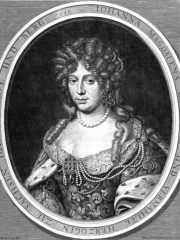
Johanna Magdalena of Saxe-Altenburg
1656 - 1686
HPI: 56.42
Posizione: 14,576
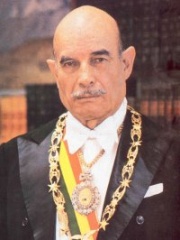
Wálter Guevara
1912 - 1996
HPI: 56.41
Posizione: 14,577
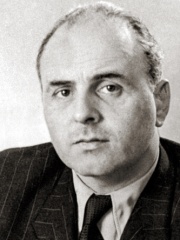
Jakub Berman
1901 - 1984
HPI: 56.41
Posizione: 14,578
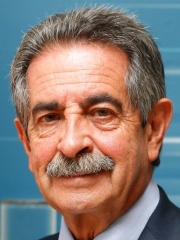
Miguel Ángel Revilla
1943 - presente
HPI: 56.41
Posizione: 14,579
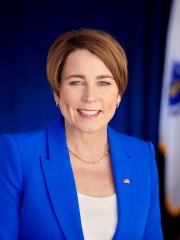
Maura Healey
1971 - presente
HPI: 56.41
Posizione: 14,580

Contemporanei
Tra le persone nate nel 1949, Jean Asselborn occupa la posizione 432. Prima di lui ci sono Ebi, José Graziano da Silva, William Shepherd, Wendy O. Williams, William Lane Craig, e Gil Scott-Heron. Dopo di lui ci sono Keith Rowley, Irena Degutienė, Tatyana Anisimova, Kurt Beck, Carlos Babington, e Rick Springfield.
Altre persone nate nel 1949
Vai a tutte le classifiche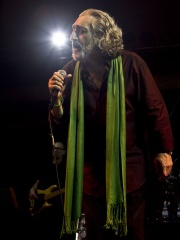
Ebi
SINGER
1949 - presente
HPI: 56.58
Posizione: 426
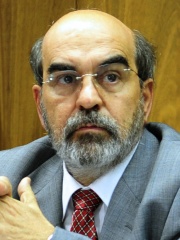
José Graziano da Silva
POLITICIAN
1949 - presente
HPI: 56.57
Posizione: 427
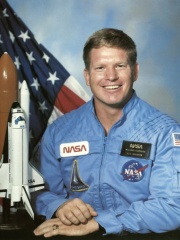
William Shepherd
ASTRONAUT
1949 - presente
HPI: 56.50
Posizione: 428

Wendy O. Williams
ACTOR
1949 - 1998
HPI: 56.48
Posizione: 429

William Lane Craig
PHILOSOPHER
1949 - presente
HPI: 56.48
Posizione: 430
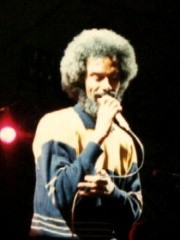
Gil Scott-Heron
SINGER
1949 - 2011
HPI: 56.44
Posizione: 431
Jean Asselborn
POLITICIAN
1949 - presente
HPI: 56.42
Posizione: 432
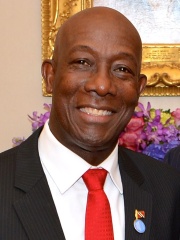
Keith Rowley
POLITICIAN
1949 - presente
HPI: 56.41
Posizione: 433
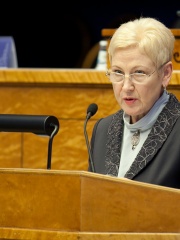
Irena Degutienė
POLITICIAN
1949 - presente
HPI: 56.41
Posizione: 434

Tatyana Anisimova
ATHLETE
1949 - presente
HPI: 56.40
Posizione: 435
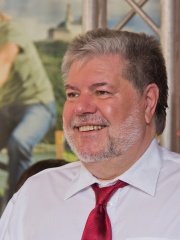
Kurt Beck
POLITICIAN
1949 - presente
HPI: 56.39
Posizione: 436
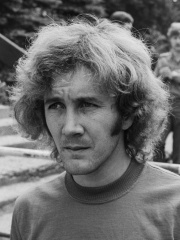
Carlos Babington
SOCCER PLAYER
1949 - presente
HPI: 56.39
Posizione: 437

Rick Springfield
MUSICIAN
1949 - presente
HPI: 56.36
Posizione: 438
In Lussemburgo
Tra le persone nate in Lussemburgo, Jean Asselborn occupa la posizione 46 su 95. Prima di lui ci sono Pierre Frieden (1892), Bertrand Gachot (1962), Princess Marie Adelaide of Luxembourg (1924), Gaspard-Théodore-Ignace de la Fontaine (1787), Anne Fontaine (1959), e Paul Eyschen (1841). Dopo di lui ci sono Léon Krier (1946), Johny Schleck (1942), Lydie Polfer (1952), Curt von François (1852), William Justin Kroll (1889), e Princess Sophie of Luxembourg (1902).
Altre persone nate in Lussemburgo
Vai a tutte le classifiche
Pierre Frieden
POLITICIAN
1892 - 1959
HPI: 57.35
Posizione: 40

Bertrand Gachot
RACING DRIVER
1962 - presente
HPI: 57.12
Posizione: 41
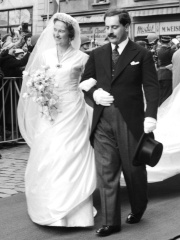
Princess Marie Adelaide of Luxembourg
NOBLEMAN
1924 - 2007
HPI: 56.96
Posizione: 42
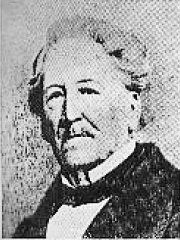
Gaspard-Théodore-Ignace de la Fontaine
POLITICIAN
1787 - 1871
HPI: 56.89
Posizione: 43
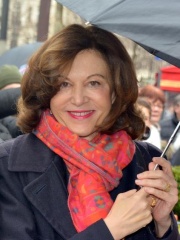
Anne Fontaine
FILM DIRECTOR
1959 - presente
HPI: 56.66
Posizione: 44
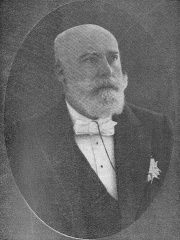
Paul Eyschen
POLITICIAN
1841 - 1915
HPI: 56.63
Posizione: 45
Jean Asselborn
POLITICIAN
1949 - presente
HPI: 56.42
Posizione: 46
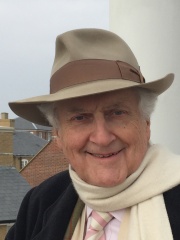
Léon Krier
ARCHITECT
1946 - 2025
HPI: 56.36
Posizione: 47

Johny Schleck
CYCLIST
1942 - presente
HPI: 56.34
Posizione: 48
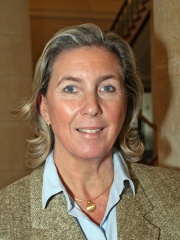
Lydie Polfer
POLITICIAN
1952 - presente
HPI: 56.15
Posizione: 49
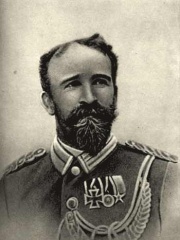
Curt von François
GEOGRAPHER
1852 - 1931
HPI: 56.15
Posizione: 50

William Justin Kroll
INVENTOR
1889 - 1973
HPI: 56.14
Posizione: 51
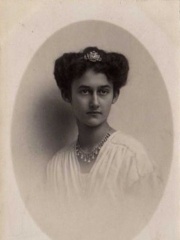
Princess Sophie of Luxembourg
NOBLEMAN
1902 - 1941
HPI: 56.06
Posizione: 52
Tra Politico in Lussemburgo
Tra Politico nati in Lussemburgo, Jean Asselborn occupa la posizione 21. Prima di lui ci sono Princess Marie Gabrielle of Luxembourg (1925), Gabriela von Habsburg (1956), Pierre Dupong (1885), Pierre Frieden (1892), Gaspard-Théodore-Ignace de la Fontaine (1787), e Paul Eyschen (1841). Dopo di lui ci sono Lydie Polfer (1952), Jean-Jacques Willmar (1792), Jacques Poos (1935), Nicolas Schmit (1953), Émile Reuter (1874), e Pierre Prüm (1886).

Princess Marie Gabrielle of Luxembourg
1925 - 2023
HPI: 59.44
Posizione: 15
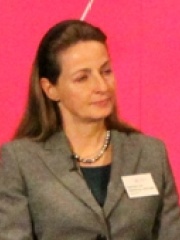
Gabriela von Habsburg
1956 - presente
HPI: 58.78
Posizione: 16
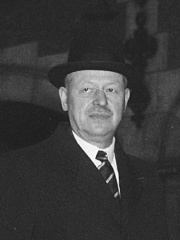
Pierre Dupong
1885 - 1953
HPI: 58.22
Posizione: 17
Pierre Frieden
1892 - 1959
HPI: 57.35
Posizione: 18
Gaspard-Théodore-Ignace de la Fontaine
1787 - 1871
HPI: 56.89
Posizione: 19
Paul Eyschen
1841 - 1915
HPI: 56.63
Posizione: 20
Jean Asselborn
1949 - presente
HPI: 56.42
Posizione: 21
Lydie Polfer
1952 - presente
HPI: 56.15
Posizione: 22
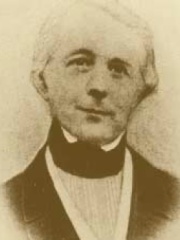
Jean-Jacques Willmar
1792 - 1866
HPI: 55.72
Posizione: 23
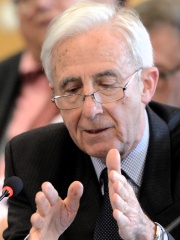
Jacques Poos
1935 - 2022
HPI: 54.97
Posizione: 24
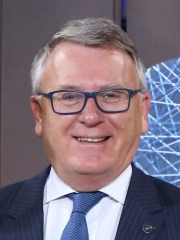
Nicolas Schmit
1953 - presente
HPI: 54.10
Posizione: 25
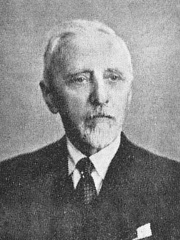
Émile Reuter
1874 - 1973
HPI: 54.04
Posizione: 26
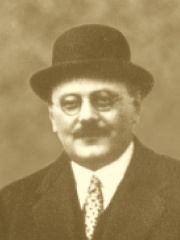
Pierre Prüm
1886 - 1950
HPI: 53.12
Posizione: 27




