Escritor
Gaius Julius Hyginus
64 BC - 17
PT.WIKIPEDIA PAGE VIEWS (PV)

 Gaius Julius Hyginus
Sua biografia está disponível em 36 idiomas na Wikipédia. Gaius Julius Hyginus é o 572º escritor mais popular (caiu do 570º em 2024), a 163ª biografia mais popular da Espanha e o 15º escritor mais popular da Espanha.
Memorability Metrics
55k
Page Views
Past 12 months
71.89
HPI
Historical Popularity Index
Page views of Gaius Julius Hyginus by language
Among Escritors
Among escritors, Gaius Julius Hyginus ranks 572 out of 7,302. Before him are Frontinus, Sidney Sheldon, Frederick Forsyth, Arthur Koestler, Alfred Jarry, and Klaus Ebner. After him are Napoleon Hill, Alexander Herzen, Maya Angelou, Ivan Krylov, Imadaddin Nasimi, and Washington Irving.
Most Popular Escritors in Wikipedia
Go to all Rankings
Frontinus
30 - 103
HPI: 71.92
Rank: 566
Sidney Sheldon
1917 - 2007
HPI: 71.91
Rank: 567
Frederick Forsyth
1938 - 2025
HPI: 71.91
Rank: 568
Arthur Koestler
1905 - 1983
HPI: 71.91
Rank: 569
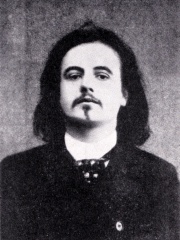
Alfred Jarry
1873 - 1907
HPI: 71.91
Rank: 570
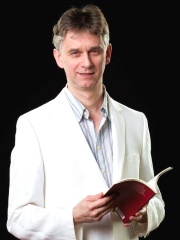
Klaus Ebner
1964 - Present
HPI: 71.90
Rank: 571
Gaius Julius Hyginus
64 BC - 17
HPI: 71.89
Rank: 572
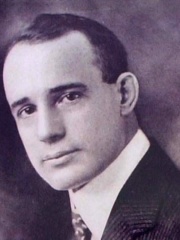
Napoleon Hill
1883 - 1970
HPI: 71.88
Rank: 573
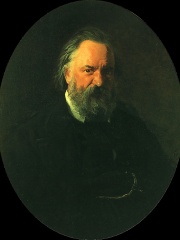
Alexander Herzen
1812 - 1870
HPI: 71.88
Rank: 574
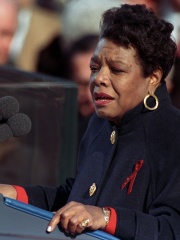
Maya Angelou
1928 - 2014
HPI: 71.87
Rank: 575
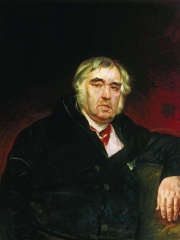
Ivan Krylov
1769 - 1844
HPI: 71.86
Rank: 576
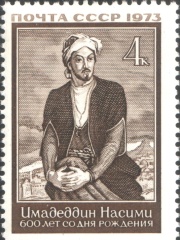
Imadaddin Nasimi
1369 - 1417
HPI: 71.86
Rank: 577
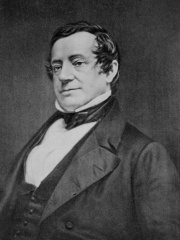
Washington Irving
1783 - 1859
HPI: 71.85
Rank: 578

Contemporaries
Among people born in 64 BC, Gaius Julius Hyginus ranks 2. Before him is Strabo. After him are Nicolaus of Damascus, and Marcus Valerius Messalla Corvinus. Among people deceased in 17, Gaius Julius Hyginus ranks 3. Before him are Ovid, and Livy. After him are Thusnelda, Archelaus of Cappadocia, and Antiochus III of Commagene.
Others Born in 64 BC
Go to all Rankings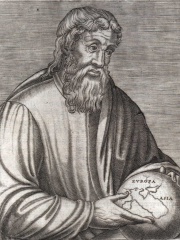
Strabo
GEOGRAPHER
64 BC - 23
HPI: 84.37
Rank: 1
Gaius Julius Hyginus
WRITER
64 BC - 17
HPI: 71.89
Rank: 2

Nicolaus of Damascus
HISTORIAN
64 BC - 4
HPI: 68.31
Rank: 3
Marcus Valerius Messalla Corvinus
WRITER
64 BC - 8
HPI: 65.71
Rank: 4
Others Deceased in 17
Go to all Rankings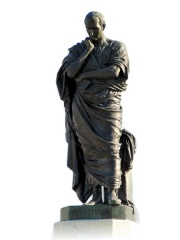
Ovid
WRITER
43 BC - 17
HPI: 86.87
Rank: 1
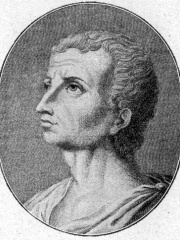
Livy
HISTORIAN
59 BC - 17
HPI: 81.96
Rank: 2
Gaius Julius Hyginus
WRITER
64 BC - 17
HPI: 71.89
Rank: 3
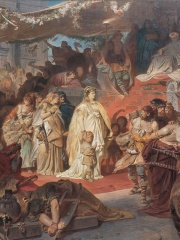
Thusnelda
POLITICIAN
100 BC - 17
HPI: 67.80
Rank: 4
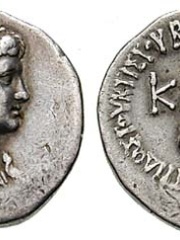
Archelaus of Cappadocia
POLITICIAN
50 BC - 17
HPI: 63.32
Rank: 5

Antiochus III of Commagene
POLITICIAN
100 BC - 17
HPI: 58.41
Rank: 6
In Espanha
Among people born in Espanha, Gaius Julius Hyginus ranks 163 out of NaN. Before him are John II of Castile (1405), Amaro Pargo (1678), Juan Ramón Jiménez (1881), Mariana Victoria of Spain (1718), Ferdinand I of Aragon (1380), and Paco Rabanne (1934). After him are Ferdinand I of Naples (1423), Al-Hakam II (915), Joaquín Sorolla (1863), Alfonso XI of Castile (1311), John II of Aragon (1398), and Berengaria of Navarre (1165).
Others born in Espanha
Go to all Rankings
John II of Castile
POLITICIAN
1405 - 1454
HPI: 72.02
Rank: 157
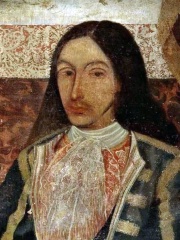
Amaro Pargo
POLITICIAN
1678 - 1747
HPI: 71.96
Rank: 158
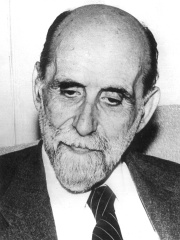
Juan Ramón Jiménez
WRITER
1881 - 1958
HPI: 71.96
Rank: 159
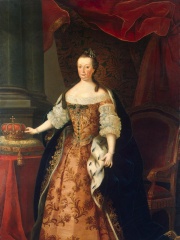
Mariana Victoria of Spain
NOBLEMAN
1718 - 1781
HPI: 71.94
Rank: 160
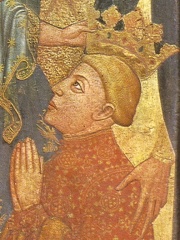
Ferdinand I of Aragon
POLITICIAN
1380 - 1416
HPI: 71.91
Rank: 161
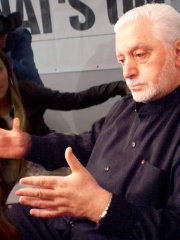
Paco Rabanne
DESIGNER
1934 - 2023
HPI: 71.90
Rank: 162
Gaius Julius Hyginus
WRITER
64 BC - 17
HPI: 71.89
Rank: 163
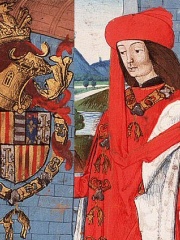
Ferdinand I of Naples
POLITICIAN
1423 - 1494
HPI: 71.86
Rank: 164
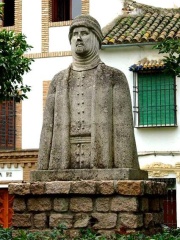
Al-Hakam II
POLITICIAN
915 - 976
HPI: 71.73
Rank: 165
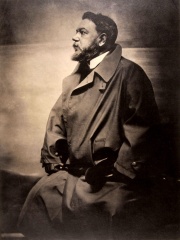
Joaquín Sorolla
PAINTER
1863 - 1923
HPI: 71.73
Rank: 166
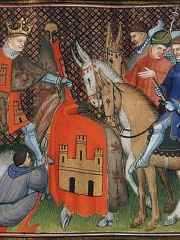
Alfonso XI of Castile
POLITICIAN
1311 - 1350
HPI: 71.64
Rank: 167
John II of Aragon
POLITICIAN
1398 - 1479
HPI: 71.63
Rank: 168
Berengaria of Navarre
COMPANION
1165 - 1230
HPI: 71.53
Rank: 169
Among Escritors In Espanha
Among escritors born in Espanha, Gaius Julius Hyginus ranks 15. Before him are Martial (40), Seneca the Elder (-54), Camilo José Cela (1916), Henry IV of Castile (1425), Matilde Camus (1919), and Juan Ramón Jiménez (1881). After him are Joan Fuster (1922), Francisco de Quevedo (1584), Vicente Aleixandre (1898), Luis de Góngora (1561), Leo Africanus (1494), and Tirso de Molina (1579).
Martial
40 - 104
HPI: 72.33
Rank: 9
Seneca the Elder
54 BC - 39
HPI: 72.25
Rank: 10
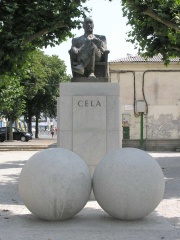
Camilo José Cela
1916 - 2002
HPI: 72.15
Rank: 11
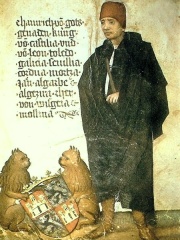
Henry IV of Castile
1425 - 1474
HPI: 72.11
Rank: 12
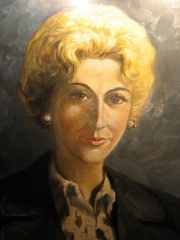
Matilde Camus
1919 - 2012
HPI: 72.09
Rank: 13
Juan Ramón Jiménez
1881 - 1958
HPI: 71.96
Rank: 14
Gaius Julius Hyginus
64 BC - 17
HPI: 71.89
Rank: 15
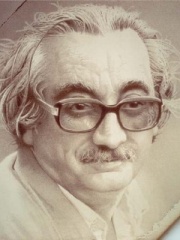
Joan Fuster
1922 - 1992
HPI: 71.38
Rank: 16
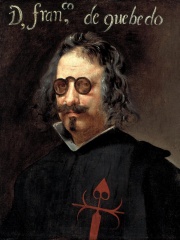
Francisco de Quevedo
1584 - 1645
HPI: 71.34
Rank: 17
Vicente Aleixandre
1898 - 1984
HPI: 71.07
Rank: 18
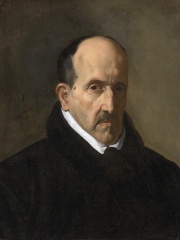
Luis de Góngora
1561 - 1627
HPI: 70.93
Rank: 19
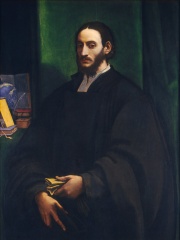
Leo Africanus
1494 - 1554
HPI: 70.83
Rank: 20
Tirso de Molina
1579 - 1648
HPI: 70.39
Rank: 21




