Író
Seneca the Elder
54 BC - 39
HU.WIKIPEDIA OLDALMEGTEKINTÉSEK (PV)
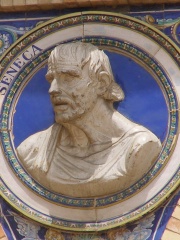
 Seneca the Elder
Életrajza 40 különböző nyelven érhető el a Wikipédián. Seneca the Elder a 541st legnépszerűbb író (csökkenés a 424th-ről 2024-ben), a 149th legnépszerűbb életrajz Spanyolország országából (csökkenés a 110th-ről 2019-ben) és a 10th legnépszerűbb Spanyolországból író.
Ismertségi mutatók
87k
Oldalmegtekintések
Elmúlt 12 hónap
72.25
HPI
Történelmi népszerűségi index
Seneca the Elder oldalmegtekintései nyelvenként
A(z) Író között
A(z) Író között Seneca the Elder a(z) 541. helyen áll 7,302 közül. Előtte állnak: Jacques-Bénigne Bossuet, Martial, Vasubandhu, Luo Guanzhong, Nâzım Hikmet, és Osip Mandelstam. Utána következnek: Hugo von Hofmannsthal, Camille Flammarion, Augusta, Lady Gregory, Jean Paul, Enid Blyton, és Frances Hodgson Burnett.
A legnépszerűbb Író a Wikipédián
Összes rangsor megtekintése
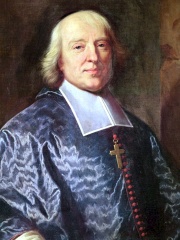
Jacques-Bénigne Bossuet
1627 - 1704
HPI: 72.34
Helyezés: 535
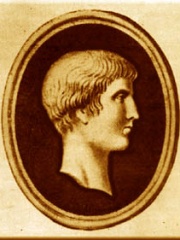
Martial
40 - 104
HPI: 72.33
Helyezés: 536

Vasubandhu
400 - 400
HPI: 72.33
Helyezés: 537

Luo Guanzhong
1330 - 1400
HPI: 72.31
Helyezés: 538
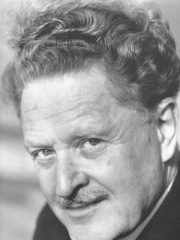
Nâzım Hikmet
1902 - 1963
HPI: 72.26
Helyezés: 539
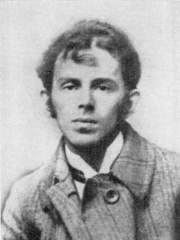
Osip Mandelstam
1891 - 1938
HPI: 72.25
Helyezés: 540
Seneca the Elder
54 BC - 39
HPI: 72.25
Helyezés: 541
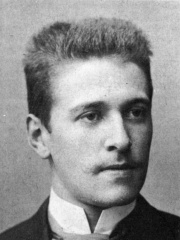
Hugo von Hofmannsthal
1874 - 1929
HPI: 72.23
Helyezés: 542
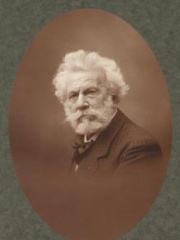
Camille Flammarion
1842 - 1925
HPI: 72.22
Helyezés: 543
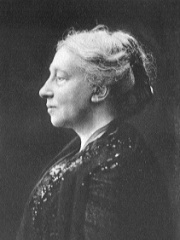
Augusta, Lady Gregory
1852 - 1932
HPI: 72.21
Helyezés: 544
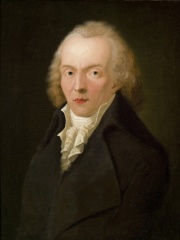
Jean Paul
1763 - 1825
HPI: 72.21
Helyezés: 545
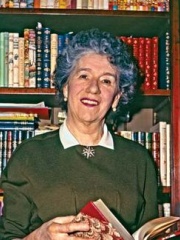
Enid Blyton
1897 - 1968
HPI: 72.21
Helyezés: 546
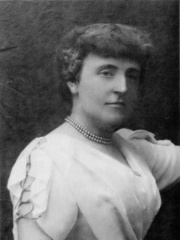
Frances Hodgson Burnett
1849 - 1924
HPI: 72.20
Helyezés: 547

Kortársak
A(z) 54 BC. évben születettek között Seneca the Elder a(z) 1. helyen áll. Utána következik: Mariamne I. A(z) 39. évben elhunytak között Seneca the Elder a(z) 2. helyen áll. Előtte áll: Herod Antipas.
További személyek, akik a(z) 54 BC. évben születtek
Összes rangsor megtekintéseSeneca the Elder
WRITER
54 BC - 39
HPI: 72.25
Helyezés: 1
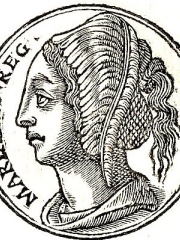
Mariamne I
POLITICIAN
54 BC - 29 BC
HPI: 71.42
Helyezés: 2
További személyek, akik a(z) 39. évben hunytak el
Összes rangsor megtekintése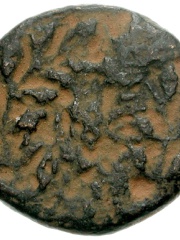
Herod Antipas
POLITICIAN
20 BC - 39
HPI: 78.77
Helyezés: 1
Seneca the Elder
WRITER
54 BC - 39
HPI: 72.25
Helyezés: 2
A(z) Spanyolország rangsorában
A(z) Spanyolország területén születettek között Seneca the Elder a(z) 149. helyen áll NaN közül. Előtte állnak: Cristóbal Balenciaga (1895), Miguel Primo de Rivera (1870), Martial (40), Queen Fabiola of Belgium (1928), Catherine of Austria, Queen of Portugal (1507), és Alfonso VIII of Castile (1155). Utána következnek: Infanta Catherine Michelle of Spain (1567), Maria Teresa Rafaela of Spain (1726), Ferdinand VI of Spain (1713), Camilo José Cela (1916), Henry IV of Castile (1425), és Matilde Camus (1919).
További személyek, akik Spanyolország területén születtek
Összes rangsor megtekintése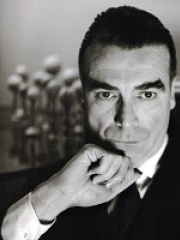
Cristóbal Balenciaga
FASHION DESIGNER
1895 - 1972
HPI: 72.36
Helyezés: 143
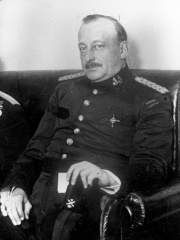
Miguel Primo de Rivera
POLITICIAN
1870 - 1930
HPI: 72.36
Helyezés: 144
Martial
WRITER
40 - 104
HPI: 72.33
Helyezés: 145

Queen Fabiola of Belgium
NOBLEMAN
1928 - 2014
HPI: 72.28
Helyezés: 146
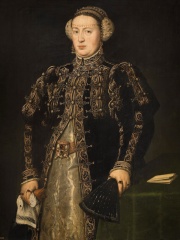
Catherine of Austria, Queen of Portugal
COMPANION
1507 - 1578
HPI: 72.27
Helyezés: 147
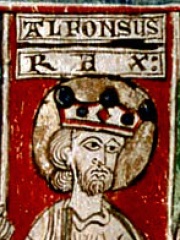
Alfonso VIII of Castile
POLITICIAN
1155 - 1214
HPI: 72.27
Helyezés: 148
Seneca the Elder
WRITER
54 BC - 39
HPI: 72.25
Helyezés: 149
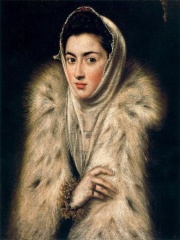
Infanta Catherine Michelle of Spain
POLITICIAN
1567 - 1597
HPI: 72.25
Helyezés: 150
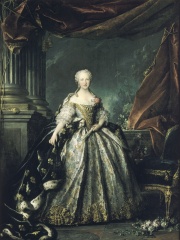
Maria Teresa Rafaela of Spain
POLITICIAN
1726 - 1746
HPI: 72.23
Helyezés: 151
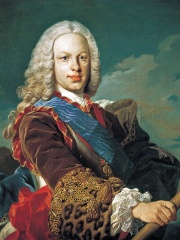
Ferdinand VI of Spain
POLITICIAN
1713 - 1759
HPI: 72.17
Helyezés: 152
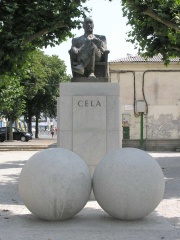
Camilo José Cela
WRITER
1916 - 2002
HPI: 72.15
Helyezés: 153
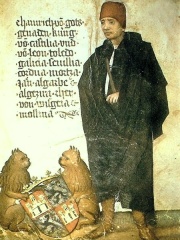
Henry IV of Castile
WRITER
1425 - 1474
HPI: 72.11
Helyezés: 154
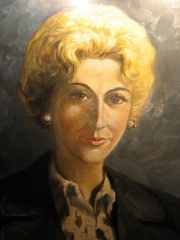
Matilde Camus
WRITER
1919 - 2012
HPI: 72.09
Helyezés: 155
A(z) Író között – Spanyolország
A(z) Spanyolország területén született Író között Seneca the Elder a(z) 10. helyen áll. Előtte állnak: Pedro Calderón de la Barca (1600), Bartolomé de las Casas (1484), Quintilian (35), Alfonso X of Castile (1221), Jacinto Benavente (1866), és Martial (40). Utána következnek: Camilo José Cela (1916), Henry IV of Castile (1425), Matilde Camus (1919), Juan Ramón Jiménez (1881), Gaius Julius Hyginus (-64), és Joan Fuster (1922).
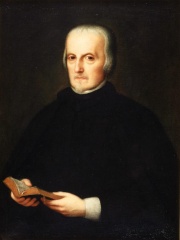
Pedro Calderón de la Barca
1600 - 1681
HPI: 77.37
Helyezés: 4
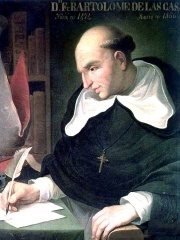
Bartolomé de las Casas
1484 - 1566
HPI: 76.44
Helyezés: 5
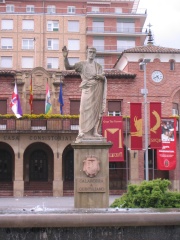
Quintilian
35 - 96
HPI: 76.33
Helyezés: 6
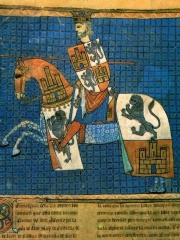
Alfonso X of Castile
1221 - 1284
HPI: 75.86
Helyezés: 7
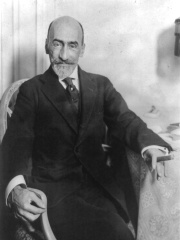
Jacinto Benavente
1866 - 1954
HPI: 72.42
Helyezés: 8
Martial
40 - 104
HPI: 72.33
Helyezés: 9
Seneca the Elder
54 BC - 39
HPI: 72.25
Helyezés: 10
Camilo José Cela
1916 - 2002
HPI: 72.15
Helyezés: 11
Henry IV of Castile
1425 - 1474
HPI: 72.11
Helyezés: 12
Matilde Camus
1919 - 2012
HPI: 72.09
Helyezés: 13
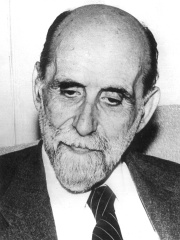
Juan Ramón Jiménez
1881 - 1958
HPI: 71.96
Helyezés: 14

Gaius Julius Hyginus
64 BC - 17
HPI: 71.89
Helyezés: 15
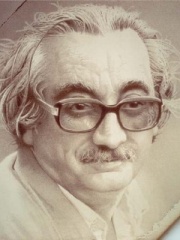
Joan Fuster
1922 - 1992
HPI: 71.38
Helyezés: 16




