Designer
Paco Rabanne
1934 - 2023
PAGES VUES SUR FR.WIKIPEDIA (PV)
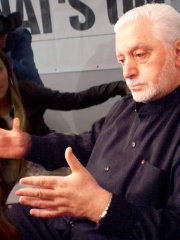

 Paco Rabanne
Sa biographie est disponible en 40 langues sur Wikipédia (en hausse par rapport à 38 en 2024). Paco Rabanne est le 11th designer le plus populaire (en baisse du 8th en 2024), la 162nd biographie la plus populaire d'Espagne (en baisse du 104th en 2019), ainsi que le designer d'Espagne le plus populaire.
Indicateurs de mémorabilité
270k
Pages vues
12 derniers mois
71.90
HPI
Indice de popularité historique
Faits marquants
#162 / 3,981
Paco Rabanne se classe n° 162 parmi les 3,981 personnalités de Pantheon nées en Espagne, dans le top 5 % de ce groupe.
Pages vues de Paco Rabanne par langue
Parmi les Designer
Parmi les Designer, Paco Rabanne occupe le rang 11 sur 114. Avant lui viennent Peter Carl Fabergé, Giorgio Armani, Gianni Versace, Hugo Boss, William Morris, et Aldus Manutius. Après lui viennent Giorgetto Giugiaro, Gerrit Rietveld, László Moholy-Nagy, Valentino, Michael Thonet, et René Lalique.
Designer les plus populaires sur Wikipédia
Voir tous les classements
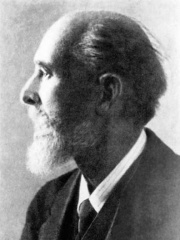
Peter Carl Fabergé
1846 - 1920
HPI : 77.25
Rang : 5
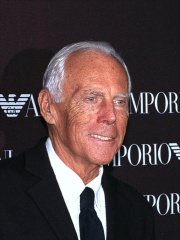
Giorgio Armani
1934 - 2025
HPI : 77.04
Rang : 6
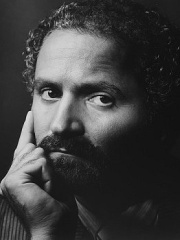
Gianni Versace
1946 - 1997
HPI : 76.76
Rang : 7
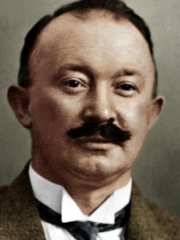
Hugo Boss
1885 - 1948
HPI : 73.83
Rang : 8
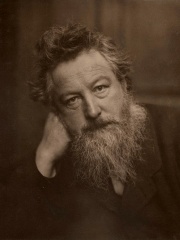
William Morris
1834 - 1896
HPI : 73.28
Rang : 9
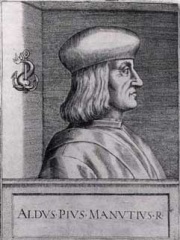
Aldus Manutius
1449 - 1515
HPI : 72.76
Rang : 10
Paco Rabanne
1934 - 2023
HPI : 71.90
Rang : 11
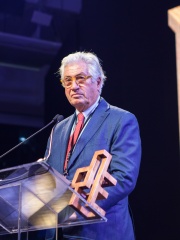
Giorgetto Giugiaro
1938 - présent
HPI : 71.78
Rang : 12
Gerrit Rietveld
1888 - 1964
HPI : 71.38
Rang : 13
László Moholy-Nagy
1895 - 1946
HPI : 71.06
Rang : 14
Valentino
1932 - 2026
HPI : 70.11
Rang : 15
Michael Thonet
1796 - 1871
HPI : 70.03
Rang : 16
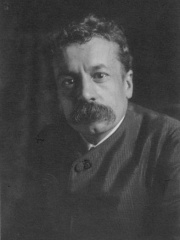
René Lalique
1860 - 1945
HPI : 69.30
Rang : 17

Contemporains
Parmi les personnes nées en 1934, Paco Rabanne occupe le rang 34. Avant lui viennent Vavá, Roman Herzog, Tom Baker, Paul Ekman, Pierre Richard, et Ulrike Meinhof. Après lui viennent Kenny Baker, Jacques Anquetil, Larisa Latynina, Paul Cohen, Empress Michiko, et Akbar Hashemi Rafsanjani. Parmi les personnes décédées en 2023, Paco Rabanne occupe le rang 27. Avant lui viennent Harald zur Hausen, Ted Kaczynski, Fernando Botero, Louise Glück, Paul Berg, et Rosalynn Carter. Après lui viennent Pat Robertson, Helmut Berger, Sixto Rodriguez, Jacques Delors, The Iron Sheik, et Carlos Saura.
Autres personnes nées en 1934
Voir tous les classements
Vavá
SOCCER PLAYER
1934 - 2002
HPI : 72.60
Rang : 28
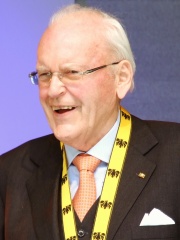
Roman Herzog
POLITICIAN
1934 - 2017
HPI : 72.43
Rang : 29
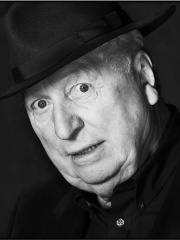
Tom Baker
ACTOR
1934 - présent
HPI : 72.42
Rang : 30
Paul Ekman
PSYCHOLOGIST
1934 - 2025
HPI : 72.26
Rang : 31
Pierre Richard
ACTOR
1934 - présent
HPI : 72.14
Rang : 32
Ulrike Meinhof
EXTREMIST
1934 - 1976
HPI : 72.04
Rang : 33
Paco Rabanne
DESIGNER
1934 - 2023
HPI : 71.90
Rang : 34
Kenny Baker
ACTOR
1934 - 2016
HPI : 71.81
Rang : 35
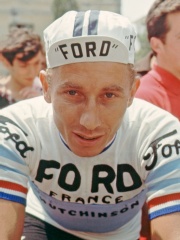
Jacques Anquetil
CYCLIST
1934 - 1987
HPI : 71.78
Rang : 36
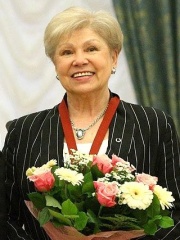
Larisa Latynina
GYMNAST
1934 - présent
HPI : 71.45
Rang : 37

Paul Cohen
MATHEMATICIAN
1934 - 2007
HPI : 71.36
Rang : 38
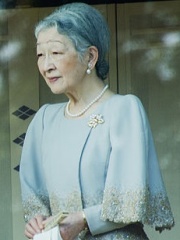
Empress Michiko
CELEBRITY
1934 - présent
HPI : 71.22
Rang : 39
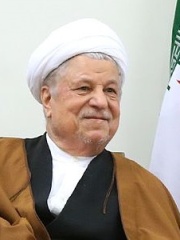
Akbar Hashemi Rafsanjani
POLITICIAN
1934 - 2017
HPI : 71.21
Rang : 40
Autres personnes décédées en 2023
Voir tous les classements
Harald zur Hausen
BIOLOGIST
1936 - 2023
HPI : 73.85
Rang : 21
Ted Kaczynski
EXTREMIST
1942 - 2023
HPI : 73.35
Rang : 22
Fernando Botero
PAINTER
1932 - 2023
HPI : 73.22
Rang : 23
Louise Glück
WRITER
1943 - 2023
HPI : 72.92
Rang : 24
Paul Berg
CHEMIST
1926 - 2023
HPI : 72.46
Rang : 25
Rosalynn Carter
COMPANION
1927 - 2023
HPI : 72.27
Rang : 26
Paco Rabanne
DESIGNER
1934 - 2023
HPI : 71.90
Rang : 27
Pat Robertson
PHILOSOPHER
1930 - 2023
HPI : 71.65
Rang : 28
Helmut Berger
ACTOR
1944 - 2023
HPI : 71.64
Rang : 29

Sixto Rodriguez
MUSICIAN
1942 - 2023
HPI : 71.36
Rang : 30
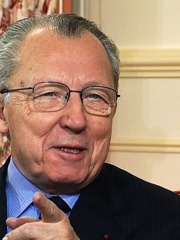
Jacques Delors
ECONOMIST
1925 - 2023
HPI : 71.31
Rang : 31
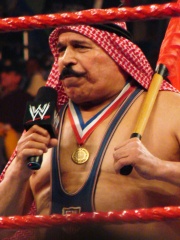
The Iron Sheik
WRESTLER
1942 - 2023
HPI : 71.31
Rang : 32
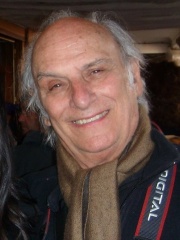
Carlos Saura
FILM DIRECTOR
1932 - 2023
HPI : 71.07
Rang : 33
En Espagne
Parmi les personnes nées en Espagne, Paco Rabanne occupe le rang 162 sur 3,981. Avant lui viennent James II of Aragon (1267), John II of Castile (1405), Amaro Pargo (1678), Juan Ramón Jiménez (1881), Mariana Victoria of Spain (1718), et Ferdinand I of Aragon (1380). Après lui viennent Gaius Julius Hyginus (-64), Ferdinand I of Naples (1423), Al-Hakam II (915), Joaquín Sorolla (1863), Alfonso XI of Castile (1311), et John II of Aragon (1398).
Autres personnes nées en Espagne
Voir tous les classements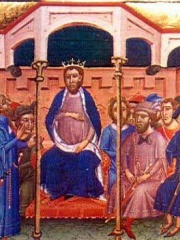
James II of Aragon
POLITICIAN
1267 - 1327
HPI : 72.09
Rang : 156
John II of Castile
POLITICIAN
1405 - 1454
HPI : 72.02
Rang : 157
Amaro Pargo
POLITICIAN
1678 - 1747
HPI : 71.96
Rang : 158
Juan Ramón Jiménez
WRITER
1881 - 1958
HPI : 71.96
Rang : 159
Mariana Victoria of Spain
NOBLEMAN
1718 - 1781
HPI : 71.94
Rang : 160
Ferdinand I of Aragon
POLITICIAN
1380 - 1416
HPI : 71.91
Rang : 161
Paco Rabanne
DESIGNER
1934 - 2023
HPI : 71.90
Rang : 162

Gaius Julius Hyginus
WRITER
64 BC - 17
HPI : 71.89
Rang : 163
Ferdinand I of Naples
POLITICIAN
1423 - 1494
HPI : 71.86
Rang : 164
Al-Hakam II
POLITICIAN
915 - 976
HPI : 71.73
Rang : 165
Joaquín Sorolla
PAINTER
1863 - 1923
HPI : 71.73
Rang : 166
Alfonso XI of Castile
POLITICIAN
1311 - 1350
HPI : 71.64
Rang : 167
John II of Aragon
POLITICIAN
1398 - 1479
HPI : 71.63
Rang : 168
Parmi les Designer en Espagne
Parmi les Designer nés en Espagne, Paco Rabanne occupe le rang 1. Après lui viennent Manolo Blahnik (1942), et Mariano Fortuny (1871).
Paco Rabanne
1934 - 2023
HPI : 71.90
Rang : 1
Manolo Blahnik
1942 - présent
HPI : 65.40
Rang : 2
Mariano Fortuny
1871 - 1949
HPI : 63.10
Rang : 3




