哲学家
Michel Onfray
1959 - 至今
ZH.WIKIPEDIA 页面浏览量 (PV)

 Michel Onfray
知名度指标
310k
页面浏览量
过去12个月
58.07
HPI
历史知名度指数
数据洞察
30
Michel Onfray的传记涵盖 30 个维基百科语言版本,历史知名度指数为 58.07。
Michel Onfray的各语言页面浏览量
在哲学家中
在哲学家中,Michel Onfray排名第1,044位(共1,285人)。 排在他之前的有:Hubert Dreyfus, Jean François de Saint-Lambert, Friedrich Paulsen, Justus Möser, Ada Adler, 和Aristobulus of Alexandria. 排在他之后的有:Thrasyllus of Mendes, Henry St John, 1st Viscount Bolingbroke, Seyla Benhabib, Persaeus, Alfonso Reyes, 和David of Dinant.
维基百科上最受欢迎的哲学家
查看全部排名

Hubert Dreyfus
1929 - 2017
HPI: 58.19
排名: 1,038
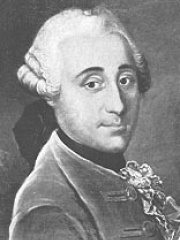
Jean François de Saint-Lambert
1716 - 1803
HPI: 58.19
排名: 1,039

Friedrich Paulsen
1846 - 1908
HPI: 58.18
排名: 1,040
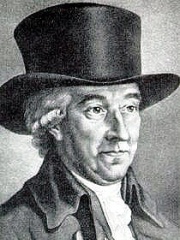
Justus Möser
1720 - 1794
HPI: 58.15
排名: 1,041
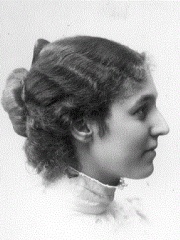
Ada Adler
1878 - 1946
HPI: 58.12
排名: 1,042

Aristobulus of Alexandria
200 BC - 150 BC
HPI: 58.09
排名: 1,043
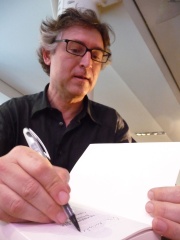
Michel Onfray
1959 - 至今
HPI: 58.07
排名: 1,044

Thrasyllus of Mendes
100 BC - 36
HPI: 58.07
排名: 1,045
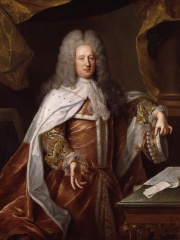
Henry St John, 1st Viscount Bolingbroke
1678 - 1751
HPI: 58.03
排名: 1,046

Seyla Benhabib
1950 - 至今
HPI: 58.00
排名: 1,047

Persaeus
306 BC - 243 BC
HPI: 58.00
排名: 1,048
Alfonso Reyes
1889 - 1959
HPI: 57.99
排名: 1,049

David of Dinant
1160 - 1217
HPI: 57.99
排名: 1,050

同时代人物
在1959年出生的人中,Michel Onfray排名第208位。 排在他之前的有:Naoji Ito, Antonio Pappano, Cindy Blackman Santana, Blixa Bargeld, Marcus Miller, 和Daniel Sturla. 排在他之后的有:Akhmed Zakayev, Maria Guleghina, Blaž Slišković, Ezzaki Badou, Guy Laliberté, 和Stephen Wolfram.
其他1959年出生的人
查看全部排名
Naoji Ito
SOCCER PLAYER
1959 - 至今
HPI: 58.36
排名: 202
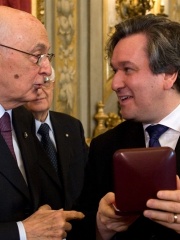
Antonio Pappano
CONDUCTOR
1959 - 至今
HPI: 58.23
排名: 203

Cindy Blackman Santana
MUSICIAN
1959 - 至今
HPI: 58.20
排名: 204

Blixa Bargeld
SINGER
1959 - 至今
HPI: 58.19
排名: 205
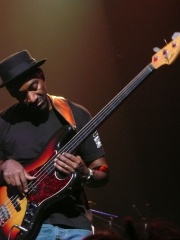
Marcus Miller
MUSICIAN
1959 - 至今
HPI: 58.15
排名: 206
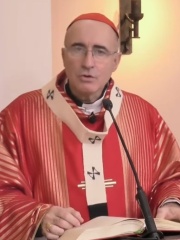
Daniel Sturla
RELIGIOUS FIGURE
1959 - 至今
HPI: 58.12
排名: 207
Michel Onfray
PHILOSOPHER
1959 - 至今
HPI: 58.07
排名: 208

Akhmed Zakayev
POLITICIAN
1959 - 至今
HPI: 58.07
排名: 209
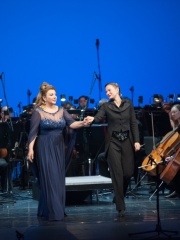
Maria Guleghina
SINGER
1959 - 至今
HPI: 58.07
排名: 210
Blaž Slišković
SOCCER PLAYER
1959 - 至今
HPI: 58.06
排名: 211

Ezzaki Badou
SOCCER PLAYER
1959 - 至今
HPI: 57.95
排名: 212

Guy Laliberté
BUSINESSPERSON
1959 - 至今
HPI: 57.93
排名: 213
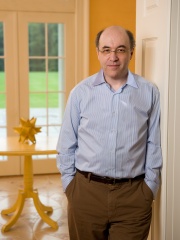
Stephen Wolfram
COMPUTER SCIENTIST
1959 - 至今
HPI: 57.93
排名: 214
在法国
在出生于法国的人中,Michel Onfray排名第3,903位(共7,658人)。 排在他之前的有:Michèle Arnaud (1919), René Panhard (1841), François Perrier (1833), Louis Boyer (1901), Princess Maria Cristina of Bourbon-Two Sicilies (1877), 和Anne-Marie Colchen (1925). 排在他之后的有:Thomas Murner (1475), Guy Marchand (1937), Jérémy Mathieu (1983), Henri Jobier (1879), Maurice Scève (1501), 和Pierre André de Suffren (1729).

Michèle Arnaud
SINGER
1919 - 1998
HPI: 58.10
排名: 3,897
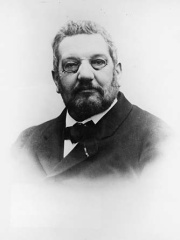
René Panhard
ENGINEER
1841 - 1908
HPI: 58.09
排名: 3,898
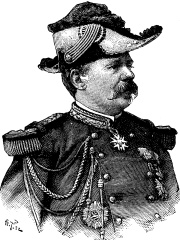
François Perrier
MILITARY PERSONNEL
1833 - 1888
HPI: 58.09
排名: 3,899

Louis Boyer
ASTRONOMER
1901 - 1999
HPI: 58.08
排名: 3,900
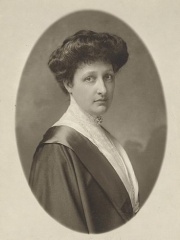
Princess Maria Cristina of Bourbon-Two Sicilies
POLITICIAN
1877 - 1947
HPI: 58.08
排名: 3,901

Anne-Marie Colchen
ATHLETE
1925 - 2017
HPI: 58.08
排名: 3,902
Michel Onfray
PHILOSOPHER
1959 - 至今
HPI: 58.07
排名: 3,903
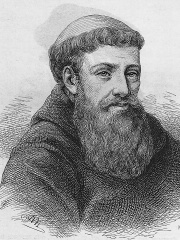
Thomas Murner
WRITER
1475 - 1537
HPI: 58.07
排名: 3,904
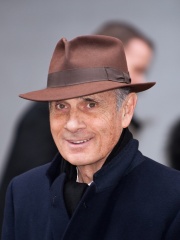
Guy Marchand
ACTOR
1937 - 2023
HPI: 58.07
排名: 3,905
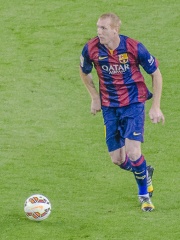
Jérémy Mathieu
SOCCER PLAYER
1983 - 至今
HPI: 58.06
排名: 3,906

Henri Jobier
ATHLETE
1879 - 1930
HPI: 58.06
排名: 3,907
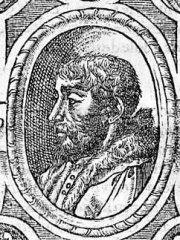
Maurice Scève
WRITER
1501 - 1564
HPI: 58.06
排名: 3,908
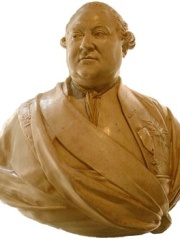
Pierre André de Suffren
MILITARY PERSONNEL
1729 - 1788
HPI: 58.05
排名: 3,909
在法国的哲学家中
在出生于法国的哲学家中,Michel Onfray排名第131位。 排在他之前的有:Jacques Cujas (1522), Anselm of Laon (1050), Didier Eribon (1953), Philippe Lacoue-Labarthe (1940), Rémi Brague (1947), 和Jean François de Saint-Lambert (1716). 排在他之后的有:Samuel ibn Tibbon (1150), Clémence Royer (1830), Jean Cavaillès (1903), Roger de Rabutin, Comte de Bussy (1618), Lucien Sève (1926), 和Max Bense (1910).
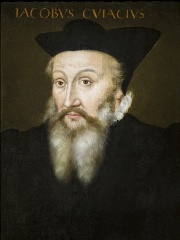
Jacques Cujas
1522 - 1590
HPI: 58.83
排名: 125

Anselm of Laon
1050 - 1117
HPI: 58.32
排名: 126
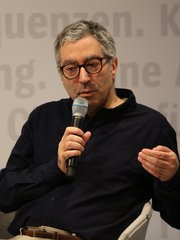
Didier Eribon
1953 - 至今
HPI: 58.29
排名: 127

Philippe Lacoue-Labarthe
1940 - 2007
HPI: 58.25
排名: 128
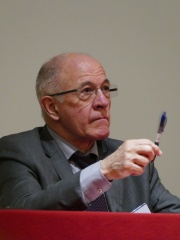
Rémi Brague
1947 - 至今
HPI: 58.23
排名: 129
Jean François de Saint-Lambert
1716 - 1803
HPI: 58.19
排名: 130
Michel Onfray
1959 - 至今
HPI: 58.07
排名: 131

Samuel ibn Tibbon
1150 - 1230
HPI: 57.58
排名: 132
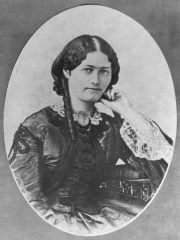
Clémence Royer
1830 - 1902
HPI: 56.96
排名: 133
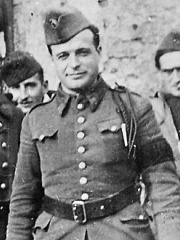
Jean Cavaillès
1903 - 1944
HPI: 56.89
排名: 134
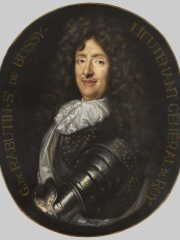
Roger de Rabutin, Comte de Bussy
1618 - 1693
HPI: 56.10
排名: 135

Lucien Sève
1926 - 2020
HPI: 55.88
排名: 136
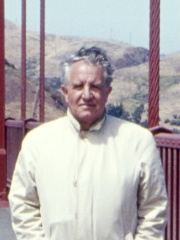
Max Bense
1910 - 1990
HPI: 55.69
排名: 137




