سياسي
Ulpia Marciana
48 - 112
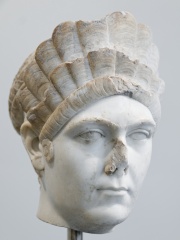
 Ulpia Marciana
سيرتها الذاتية متاحة بـ22 لغة مختلفة على ويكيبيديا (زيادة من 21 في 2024). يحتل Ulpia Marciana المرتبة 5,657 بين أكثر سياسي شعبيةً (تراجعًا من 5,585 في 2024)، والمرتبة 473 بين أكثر السير الذاتية شعبيةً في إسبانيا (تقدمًا من 509 في 2019)، كما يحتل المرتبة 168 بين أكثر سياسي من إسبانيا شعبيةً.
Memorability Metrics
14k
Page Views
Past 12 months
65.72
HPI
Historical Popularity Index
Page views of Ulpia Marciana by language
Among سياسي
Among سياسي, Ulpia Marciana ranks 5,655 out of 19,576. Before her are Hwang Jang-yop, Mori Ranmaru, Francis Josias, Duke of Saxe-Coburg-Saalfeld, 'Adud al-Dawla, James Brooke, and Anna Leopoldovna. After her are Julio María Sanguinetti, Thorkell the Tall, Werner Naumann, King Cheng of Zhou, Charles-Joseph, 7th Prince of Ligne, and Jan Zamoyski.
Most Popular سياسي in Wikipedia
Go to all Rankings

Hwang Jang-yop
1923 - 2010
HPI: 65.73
Rank: 5,651

Mori Ranmaru
1565 - 1582
HPI: 65.73
Rank: 5,652
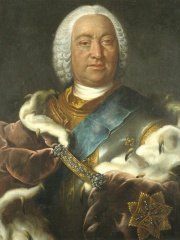
Francis Josias, Duke of Saxe-Coburg-Saalfeld
1697 - 1764
HPI: 65.72
Rank: 5,653
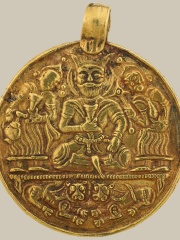
'Adud al-Dawla
936 - 983
HPI: 65.72
Rank: 5,654
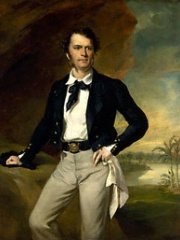
James Brooke
1803 - 1868
HPI: 65.72
Rank: 5,655
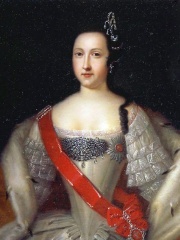
Anna Leopoldovna
1718 - 1746
HPI: 65.72
Rank: 5,656
Ulpia Marciana
48 - 112
HPI: 65.72
Rank: 5,657
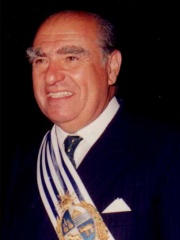
Julio María Sanguinetti
1936 - Present
HPI: 65.72
Rank: 5,658

Thorkell the Tall
901 - 1100
HPI: 65.72
Rank: 5,659
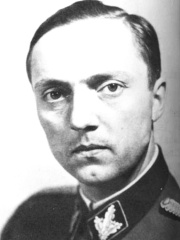
Werner Naumann
1909 - 1982
HPI: 65.71
Rank: 5,660

King Cheng of Zhou
1100 BC - 1021 BC
HPI: 65.71
Rank: 5,661
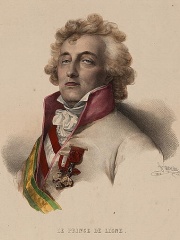
Charles-Joseph, 7th Prince of Ligne
1735 - 1814
HPI: 65.71
Rank: 5,662
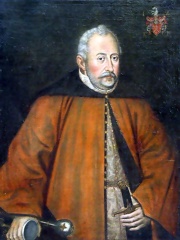
Jan Zamoyski
1542 - 1605
HPI: 65.71
Rank: 5,663

Contemporaries
Among people born in 48, Ulpia Marciana ranks 2. Before her is Cai Lun. Among people deceased in 112, Ulpia Marciana ranks 1. After her is Saint Publius.
Others Born in 48
Go to all Rankings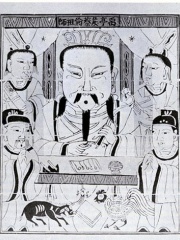
Others Deceased in 112
Go to all RankingsUlpia Marciana
POLITICIAN
48 - 112
HPI: 65.72
Rank: 1
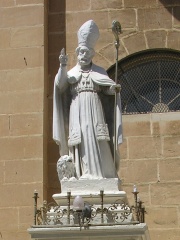
Saint Publius
RELIGIOUS FIGURE
100 - 112
HPI: 64.40
Rank: 2
In إسبانيا
Among people born in إسبانيا, Ulpia Marciana ranks 473 out of NaN. Before her are Gonzalo Jiménez de Quesada (1509), Antonio Tejero (1932), Liuva I (550), Narciso Yepes (1927), Santillana (1952), and María de las Mercedes, Princess of Asturias (1880). After her are Alonso Pérez de Guzmán y Sotomayor, 7th Duke of Medina Sidonia (1550), Dulce of Aragon (1160), Josep Maria Bartomeu (1963), Beatrice of Castile (1242), José de Acosta (1540), and Pepe Reina (1982).
Others born in إسبانيا
Go to all Rankings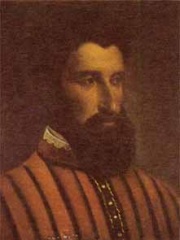
Gonzalo Jiménez de Quesada
EXPLORER
1509 - 1579
HPI: 65.79
Rank: 467
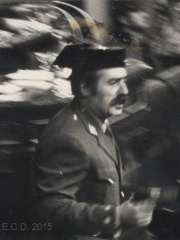
Antonio Tejero
MILITARY PERSONNEL
1932 - 2026
HPI: 65.79
Rank: 468
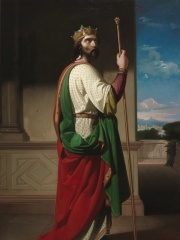
Liuva I
POLITICIAN
550 - 573
HPI: 65.78
Rank: 469
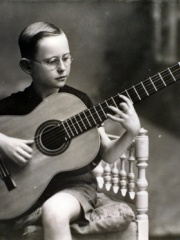
Narciso Yepes
MUSICIAN
1927 - 1997
HPI: 65.77
Rank: 470

Santillana
SOCCER PLAYER
1952 - Present
HPI: 65.77
Rank: 471
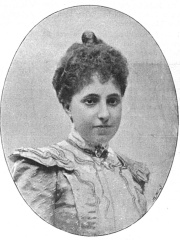
María de las Mercedes, Princess of Asturias
POLITICIAN
1880 - 1904
HPI: 65.73
Rank: 472
Ulpia Marciana
POLITICIAN
48 - 112
HPI: 65.72
Rank: 473
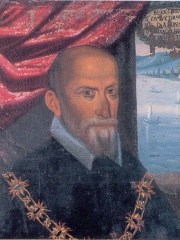
Alonso Pérez de Guzmán y Sotomayor, 7th Duke of Medina Sidonia
MILITARY PERSONNEL
1550 - 1615
HPI: 65.70
Rank: 474
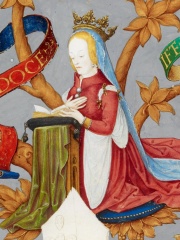
Dulce of Aragon
COMPANION
1160 - 1198
HPI: 65.70
Rank: 475

Josep Maria Bartomeu
BUSINESSPERSON
1963 - Present
HPI: 65.69
Rank: 476
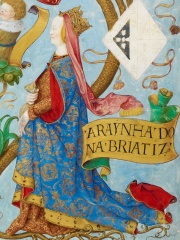
Beatrice of Castile
COMPANION
1242 - 1303
HPI: 65.66
Rank: 477

José de Acosta
WRITER
1540 - 1600
HPI: 65.66
Rank: 478

Pepe Reina
SOCCER PLAYER
1982 - Present
HPI: 65.65
Rank: 479
Among سياسي In إسبانيا
Among سياسي born in إسبانيا, Ulpia Marciana ranks 168. Before her are Alfonso IV of León (890), Infanta Cristina of Spain (1965), Hydatius (395), Suintila (594), Liuva I (550), and María de las Mercedes, Princess of Asturias (1880). After her are Philip Prospero, Prince of Asturias (1657), Eleanor of Alburquerque (1374), Al-Mundhir of Córdoba (842), Erwig (642), Federico Mayor Zaragoza (1934), and Aurelius of Asturias (740).
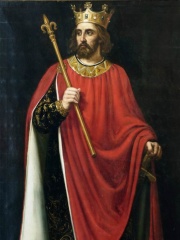
Alfonso IV of León
890 - 933
HPI: 66.05
Rank: 162

Infanta Cristina of Spain
1965 - Present
HPI: 65.96
Rank: 163

Hydatius
395 - 469
HPI: 65.94
Rank: 164
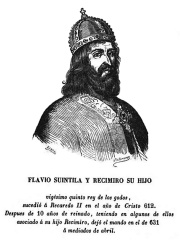
Suintila
594 - 634
HPI: 65.93
Rank: 165
Liuva I
550 - 573
HPI: 65.78
Rank: 166
María de las Mercedes, Princess of Asturias
1880 - 1904
HPI: 65.73
Rank: 167
Ulpia Marciana
48 - 112
HPI: 65.72
Rank: 168
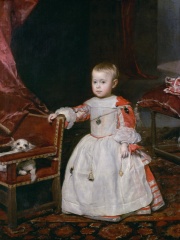
Philip Prospero, Prince of Asturias
1657 - 1661
HPI: 65.62
Rank: 169
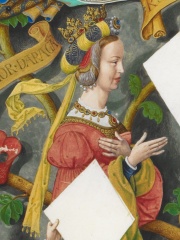
Eleanor of Alburquerque
1374 - 1435
HPI: 65.61
Rank: 170

Al-Mundhir of Córdoba
842 - 888
HPI: 65.54
Rank: 171
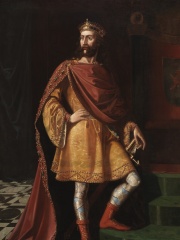
Erwig
642 - 687
HPI: 65.54
Rank: 172

Federico Mayor Zaragoza
1934 - 2024
HPI: 65.53
Rank: 173
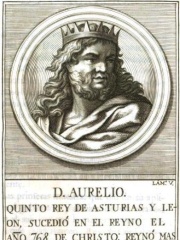
Aurelius of Asturias
740 - 774
HPI: 65.51
Rank: 174




