Религиозный деятель
Romanos the Melodist
490 - 556
ПРОСМОТРЫ RU.WIKIPEDIA (PV)
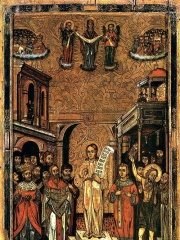
 Romanos the Melodist
Его биография доступна на 33 различных языках в Википедии (рост с 31 в 2024 году). Romanos the Melodist занимает 749-е место среди самых популярных религиозный деятель (снижение с 659-е места в 2024 году), занимает 40-е место среди самых популярных биографий из Сирии (снижение с 28-е места в 2019 году) и занимает 5-е место среди религиозный деятель Сирия.
Метрики памятности
43k
Просмотры страниц
За последние 12 месяцев
69.91
HPI
Индекс исторической популярности
Интересные факты
33
Биография Romanos the Melodist представлена в 33 языковых разделах Википедии, а Индекс исторической популярности составляет 69.91.
Просмотры страницы Romanos the Melodist по языкам
Среди представителей профессии «Религиозный деятель»
Среди представителей профессии «Религиозный деятель» Romanos the Melodist занимает 749-е место из 3,189. Перед ним идут Pope Shenouda III of Alexandria, Juliana of Nicomedia, Theophilus of Antioch, Eleazar, Mattathias, и Ilia II of Georgia. После него идут Célestin Freinet, Eusebius of Nicomedia, Julia of Corsica, Eutyches, Gemma Galgani, и Muhammad al-Jawad.
Самые популярные в Википедии: Религиозный деятель
Все рейтинги
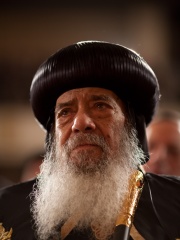
Pope Shenouda III of Alexandria
1923 - 2012
HPI: 70.03
Место: 743
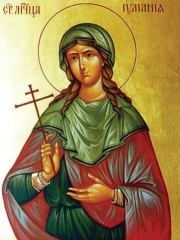
Juliana of Nicomedia
285 - 304
HPI: 70.03
Место: 744

Theophilus of Antioch
140 - 183
HPI: 69.99
Место: 745
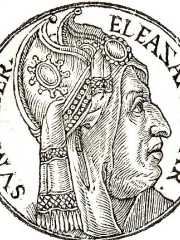
Eleazar
1192 до н. э. - 1100 до н. э.
HPI: 69.99
Место: 746
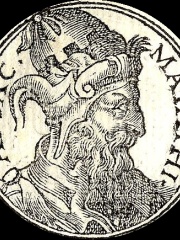
Mattathias
200 до н. э. - 166 до н. э.
HPI: 69.97
Место: 747
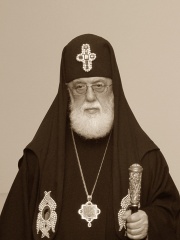
Ilia II of Georgia
1933 - 2026
HPI: 69.97
Место: 748
Romanos the Melodist
490 - 556
HPI: 69.91
Место: 749

Célestin Freinet
1896 - 1966
HPI: 69.91
Место: 750

Eusebius of Nicomedia
280 - 341
HPI: 69.87
Место: 751
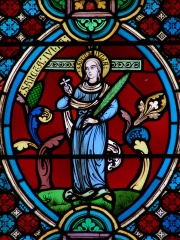
Julia of Corsica
420 - 450
HPI: 69.83
Место: 752

Eutyches
380 - 454
HPI: 69.83
Место: 753
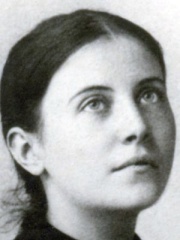
Gemma Galgani
1878 - 1903
HPI: 69.83
Место: 754

Muhammad al-Jawad
811 - 835
HPI: 69.83
Место: 755

Современники
Среди людей, родившихся в 490 году, Romanos the Melodist занимает 4-е место. Перед ним идут Pope Silverius, Pope Agapetus I, и Bumin Qaghan. После него идут John Philoponus, Simplicius of Cilicia, John the Lydian, John the Cappadocian, Samson of Dol, и Urien. Среди людей, умерших в 556 году, Romanos the Melodist занимает 1-е место. После него идёт Maximianus of Ravenna.
Другие люди, родившиеся в 490 году
Все рейтинги
Pope Silverius
RELIGIOUS FIGURE
490 - 538
HPI: 77.33
Место: 1
Pope Agapetus I
RELIGIOUS FIGURE
490 - 536
HPI: 74.22
Место: 2

Bumin Qaghan
POLITICIAN
490 - 552
HPI: 71.21
Место: 3
Romanos the Melodist
RELIGIOUS FIGURE
490 - 556
HPI: 69.91
Место: 4

John Philoponus
PHILOSOPHER
490 - 570
HPI: 69.25
Место: 5

Simplicius of Cilicia
MATHEMATICIAN
490 - 560
HPI: 68.13
Место: 6

John the Lydian
WRITER
490 - 600
HPI: 61.50
Место: 7

John the Cappadocian
POLITICIAN
490 - 548
HPI: 60.88
Место: 8
Samson of Dol
RELIGIOUS FIGURE
490 - 565
HPI: 56.94
Место: 9

Urien
POLITICIAN
490 - 586
HPI: 56.74
Место: 10
Другие люди, умершие в 556 году
Все рейтингиRomanos the Melodist
RELIGIOUS FIGURE
490 - 556
HPI: 69.91
Место: 1
Maximianus of Ravenna
RELIGIOUS FIGURE
499 - 556
HPI: 61.66
Место: 2
В стране Сирия
Среди людей, родившихся в стране Сирия, Romanos the Melodist занимает 40-е место из 245. Перед ним идут Ibn Qayyim al-Jawziyya (1292), Yazid II (687), Al-Walid II (706), Odaenathus (220), Nureddin al-Atassi (1929), и Yazid III (701). После него идут Heliodorus of Emesa (250), Julia Soaemias (180), Émile Benveniste (1902), Ananias of Damascus (100), Duqaq (1100), и Mariam al-Asturlabi (950).
Другие люди, родившиеся в стране Сирия
Все рейтинги
Ibn Qayyim al-Jawziyya
RELIGIOUS FIGURE
1292 - 1350
HPI: 70.56
Место: 34
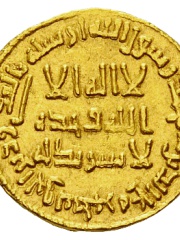
Yazid II
POLITICIAN
687 - 724
HPI: 70.55
Место: 35
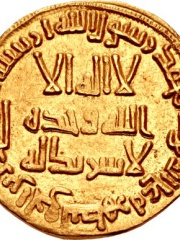
Al-Walid II
POLITICIAN
706 - 744
HPI: 70.45
Место: 36
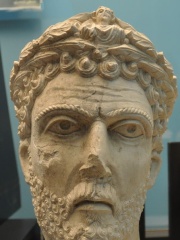
Odaenathus
POLITICIAN
220 - 267
HPI: 70.06
Место: 37
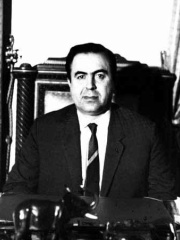
Nureddin al-Atassi
POLITICIAN
1929 - 1992
HPI: 70.05
Место: 38
Yazid III
POLITICIAN
701 - 744
HPI: 69.96
Место: 39
Romanos the Melodist
RELIGIOUS FIGURE
490 - 556
HPI: 69.91
Место: 40
Heliodorus of Emesa
WRITER
250 - 400
HPI: 69.89
Место: 41
Julia Soaemias
POLITICIAN
180 - 222
HPI: 69.75
Место: 42

Émile Benveniste
RELIGIOUS FIGURE
1902 - 1976
HPI: 69.73
Место: 43

Ananias of Damascus
RELIGIOUS FIGURE
100 - 100
HPI: 69.72
Место: 44
Duqaq
POLITICIAN
1100 - 1104
HPI: 69.36
Место: 45
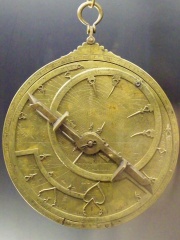
Mariam al-Asturlabi
ASTRONOMER
950 - наст. время
HPI: 69.30
Место: 46
Среди представителей профессии «Религиозный деятель» в стране Сирия
Среди представителей профессии «Религиозный деятель», родившихся в стране Сирия, Romanos the Melodist занимает 5-е место. Перед ним идут Pope Gregory III (700), Pope Anicetus (70), John Climacus (579), и Ibn Qayyim al-Jawziyya (1292). После него идут Émile Benveniste (1902), Ananias of Damascus (100), Maron (301), Apollinaris of Laodicea (310), Sophronius of Jerusalem (560), Youssef Absi (1946), и Gregory Peter XX Ghabroyan (1934).

Pope Gregory III
700 - 741
HPI: 79.99
Место: 1

Pope Anicetus
70 - 168
HPI: 77.69
Место: 2
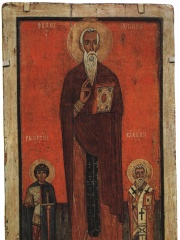
John Climacus
579 - 649
HPI: 73.89
Место: 3
Ibn Qayyim al-Jawziyya
1292 - 1350
HPI: 70.56
Место: 4
Romanos the Melodist
490 - 556
HPI: 69.91
Место: 5
Émile Benveniste
1902 - 1976
HPI: 69.73
Место: 6
Ananias of Damascus
100 - 100
HPI: 69.72
Место: 7
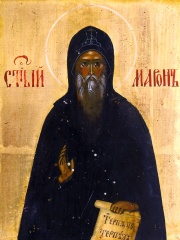
Maron
301 - 410
HPI: 68.60
Место: 8

Apollinaris of Laodicea
310 - 390
HPI: 67.99
Место: 9
Sophronius of Jerusalem
560 - 638
HPI: 66.98
Место: 10
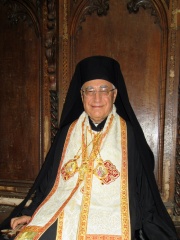
Youssef Absi
1946 - наст. время
HPI: 65.92
Место: 11

Gregory Peter XX Ghabroyan
1934 - 2021
HPI: 64.25
Место: 12




