宗教人物
Julia of Corsica
420 - 450
 Julia of Corsica
Memorability Metrics
71k
Page Views
Past 12 months
69.83
HPI
Historical Popularity Index
Page views of Julia of Corsica by language
Among 宗教人物
Among 宗教人物, Julia of Corsica ranks 752 out of 3,187. Before her are Eleazar, Mattathias, Ilia II of Georgia, Romanos the Melodist, Célestin Freinet, and Eusebius of Nicomedia. After her are Eutyches, Gemma Galgani, Muhammad al-Jawad, Martin Bucer, Frances of Rome, and Norbert of Xanten.
Most Popular 宗教人物 in Wikipedia
Go to all Rankings
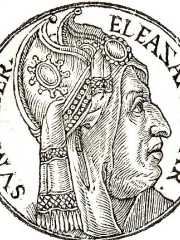
Eleazar
1192 BC - 1100 BC
HPI: 69.99
Rank: 746
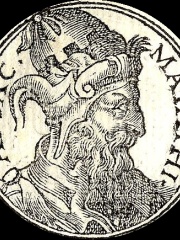
Mattathias
200 BC - 166 BC
HPI: 69.97
Rank: 747
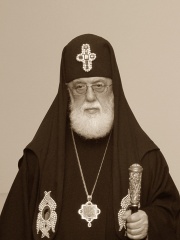
Ilia II of Georgia
1933 - 2026
HPI: 69.97
Rank: 748
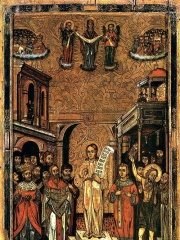
Romanos the Melodist
490 - 556
HPI: 69.91
Rank: 749

Célestin Freinet
1896 - 1966
HPI: 69.91
Rank: 750

Eusebius of Nicomedia
280 - 341
HPI: 69.87
Rank: 751
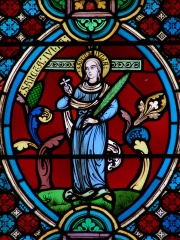
Julia of Corsica
420 - 450
HPI: 69.83
Rank: 752

Eutyches
380 - 454
HPI: 69.83
Rank: 753
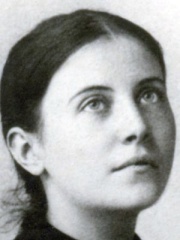
Gemma Galgani
1878 - 1903
HPI: 69.83
Rank: 754

Muhammad al-Jawad
811 - 835
HPI: 69.83
Rank: 755
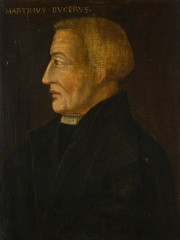
Martin Bucer
1491 - 1551
HPI: 69.83
Rank: 756
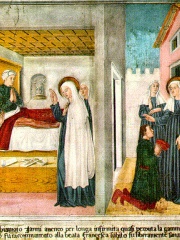
Frances of Rome
1384 - 1440
HPI: 69.83
Rank: 757
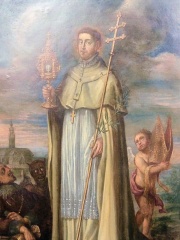
Norbert of Xanten
1080 - 1134
HPI: 69.81
Rank: 758

Contemporaries
Among people born in 420, Julia of Corsica ranks 7. Before her are Pope Simplicius, Anthemius, Majorian, Orestes, Libius Severus, and Thorismund. After her are Valamir, and Rutilius Claudius Namatianus. Among people deceased in 450, Julia of Corsica ranks 4. Before her are Theodosius II, Galla Placidia, and Publius Flavius Vegetius Renatus. After her are Peter Chrysologus, Sozomen, Vincent of Lérins, Palladius, Petronius of Bologna, Hermias, Koriun, and Eznik of Kolb.
Others Born in 420
Go to all Rankings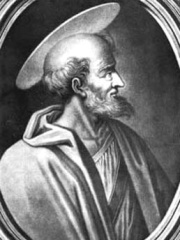
Pope Simplicius
RELIGIOUS FIGURE
420 - 483
HPI: 75.53
Rank: 1
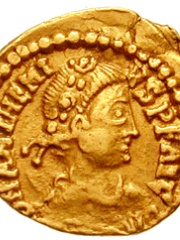
Anthemius
POLITICIAN
420 - 472
HPI: 73.55
Rank: 2
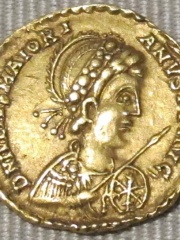
Majorian
POLITICIAN
420 - 461
HPI: 73.33
Rank: 3

Orestes
POLITICIAN
420 - 476
HPI: 73.26
Rank: 4
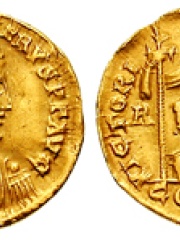
Libius Severus
POLITICIAN
420 - 465
HPI: 72.34
Rank: 5
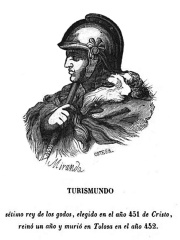
Thorismund
POLITICIAN
420 - 453
HPI: 69.87
Rank: 6
Julia of Corsica
RELIGIOUS FIGURE
420 - 450
HPI: 69.83
Rank: 7

Valamir
POLITICIAN
420 - 465
HPI: 64.75
Rank: 8

Rutilius Claudius Namatianus
POLITICIAN
420 - 500
HPI: 63.37
Rank: 9
Others Deceased in 450
Go to all Rankings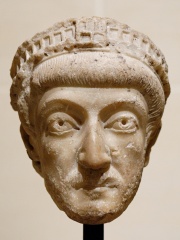
Theodosius II
POLITICIAN
401 - 450
HPI: 77.83
Rank: 1
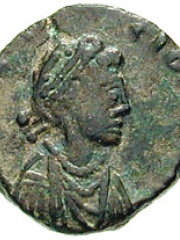
Galla Placidia
POLITICIAN
388 - 450
HPI: 75.63
Rank: 2
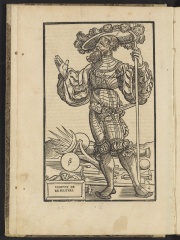
Publius Flavius Vegetius Renatus
WRITER
400 - 450
HPI: 74.64
Rank: 3
Julia of Corsica
RELIGIOUS FIGURE
420 - 450
HPI: 69.83
Rank: 4
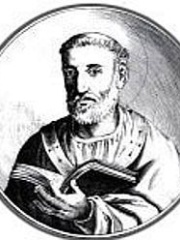
Peter Chrysologus
RELIGIOUS FIGURE
380 - 450
HPI: 67.62
Rank: 5

Sozomen
HISTORIAN
400 - 450
HPI: 66.76
Rank: 6
Vincent of Lérins
RELIGIOUS FIGURE
400 - 450
HPI: 65.37
Rank: 7

Palladius
RELIGIOUS FIGURE
401 - 450
HPI: 63.47
Rank: 8
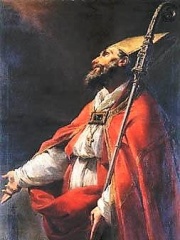
Petronius of Bologna
RELIGIOUS FIGURE
450 - 450
HPI: 63.21
Rank: 9

Hermias
PHILOSOPHER
401 - 450
HPI: 62.70
Rank: 10
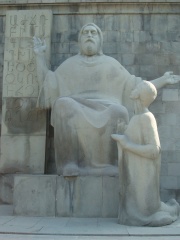
Koriun
WRITER
380 - 450
HPI: 60.82
Rank: 11
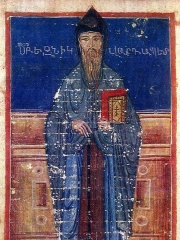
Eznik of Kolb
RELIGIOUS FIGURE
380 - 450
HPI: 59.74
Rank: 12
In 突尼斯
Among people born in 突尼斯, Julia of Corsica ranks 22 out of NaN. Before her are Mago Barca (-243), Quintus Caecilius Metellus Pius Scipio Nasica (-100), Fouad Mebazaa (1933), Beji Caid Essebsi (1926), Hanno the Great (-300), and Himilco (-550). After her are Pierre Agostini (1941), Gunthamund (450), Macrobius (370), Kais Saied (1958), Moncef Marzouki (1945), and Avienus (305).
Others born in 突尼斯
Go to all Rankings
Mago Barca
POLITICIAN
243 BC - 203 BC
HPI: 73.63
Rank: 16
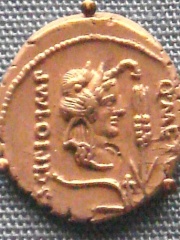
Quintus Caecilius Metellus Pius Scipio Nasica
POLITICIAN
100 BC - 46 BC
HPI: 72.35
Rank: 17
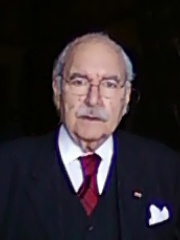
Fouad Mebazaa
POLITICIAN
1933 - 2025
HPI: 72.12
Rank: 18
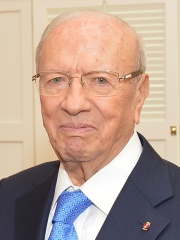
Beji Caid Essebsi
POLITICIAN
1926 - 2019
HPI: 72.05
Rank: 19

Hanno the Great
POLITICIAN
300 BC - 260 BC
HPI: 71.46
Rank: 20

Himilco
EXPLORER
550 BC - 500 BC
HPI: 71.23
Rank: 21
Julia of Corsica
RELIGIOUS FIGURE
420 - 450
HPI: 69.83
Rank: 22

Pierre Agostini
PHYSICIST
1941 - Present
HPI: 68.95
Rank: 23
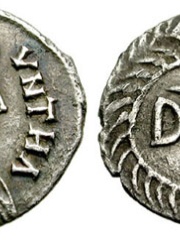
Gunthamund
POLITICIAN
450 - 477
HPI: 68.94
Rank: 24
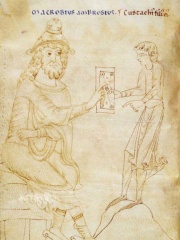
Macrobius
PHILOSOPHER
370 - 430
HPI: 68.81
Rank: 25
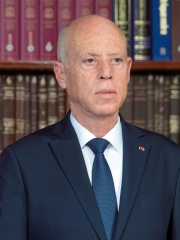
Kais Saied
POLITICIAN
1958 - Present
HPI: 68.62
Rank: 26

Moncef Marzouki
POLITICIAN
1945 - Present
HPI: 68.39
Rank: 27

Avienus
WRITER
305 - 375
HPI: 68.35
Rank: 28
Among 宗教人物 In 突尼斯
Among 宗教人物 born in 突尼斯, Julia of Corsica ranks 3. Before her are Cyprian (200), and Fatima al-Fihri (800). After her are Fulgentius of Ruspe (468), and Youssef Rzouga (1957).
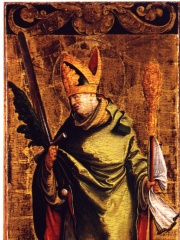
Cyprian
200 - 258
HPI: 76.90
Rank: 1
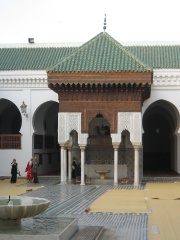
Fatima al-Fihri
800 - 880
HPI: 74.98
Rank: 2
Julia of Corsica
420 - 450
HPI: 69.83
Rank: 3

Fulgentius of Ruspe
468 - 533
HPI: 64.74
Rank: 4

Youssef Rzouga
1957 - Present
HPI: 53.76
Rank: 5




