Polityk
Romanos I Lekapenos
870 - 948
WYŚWIETLENIA PL.WIKIPEDIA (PV)
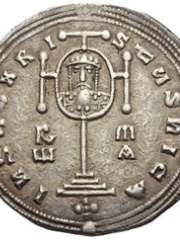
 Romanos I Lekapenos
Jego biografia jest dostępna w 50 różnych językach w Wikipedii (wzrost z 49 w 2024 roku). Romanos I Lekapenos jest 1353. najpopularniejszym polityk (spadek z 1244. w 2024 roku), 191. najpopularniejszą biografią Turcja (spadek z 174. w 2019 roku) oraz 103. najpopularniejszym polityk Turcja.
Wskaźniki rozpoznawalności
61k
Wyświetlenia strony
Ostatnie 12 miesięcy
74.39
HPI
Indeks historycznej popularności
Ciekawostki z danych
Wyświetlenia strony Romanos I Lekapenos według języka
Wśród przedstawicieli zawodu Polityk
Wśród przedstawicieli zawodu „Polityk” Romanos I Lekapenos zajmuje 1,353. miejsce na 20,022. Przed nim są Robert I of France, Qin Er Shi, Lou Henry Hoover, Shamil, 3rd Imam of Dagestan, Paul Barras, i Afonso V of Portugal. Po nim są Calpurnia, Tabaré Vázquez, Jianwen Emperor, Francesco I Sforza, Arsinoe III of Egypt, i Sergey Kirov.
Najpopularniejsi w Wikipedii: Polityk
Zobacz wszystkie rankingi
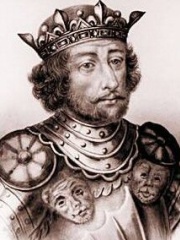
Robert I of France
860 - 923
HPI: 74.42
Miejsce: 1,347

Qin Er Shi
229 BC - 207 BC
HPI: 74.41
Miejsce: 1,348
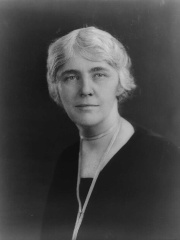
Lou Henry Hoover
1874 - 1944
HPI: 74.41
Miejsce: 1,349
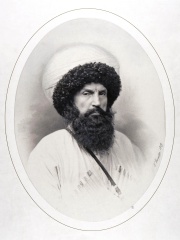
Shamil, 3rd Imam of Dagestan
1797 - 1871
HPI: 74.41
Miejsce: 1,350
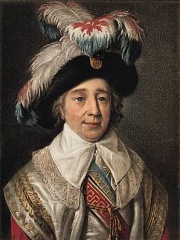
Paul Barras
1755 - 1829
HPI: 74.40
Miejsce: 1,351
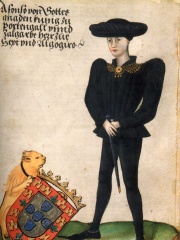
Afonso V of Portugal
1432 - 1481
HPI: 74.40
Miejsce: 1,352
Romanos I Lekapenos
870 - 948
HPI: 74.39
Miejsce: 1,353
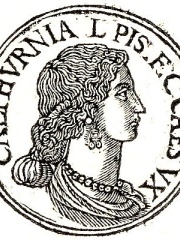
Calpurnia
77 BC - obecnie
HPI: 74.39
Miejsce: 1,354
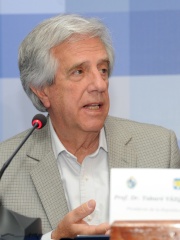
Tabaré Vázquez
1940 - 2020
HPI: 74.39
Miejsce: 1,355
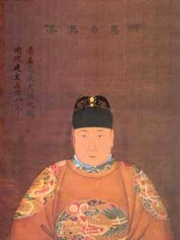
Jianwen Emperor
1377 - 1402
HPI: 74.38
Miejsce: 1,356
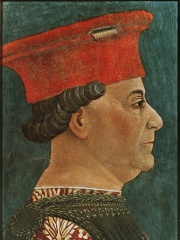
Francesco I Sforza
1401 - 1466
HPI: 74.38
Miejsce: 1,357
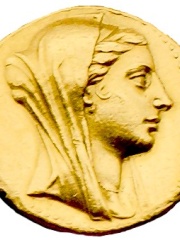
Arsinoe III of Egypt
246 BC - 204 BC
HPI: 74.37
Miejsce: 1,358
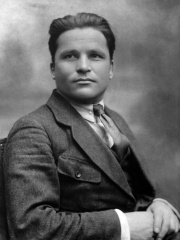
Sergey Kirov
1886 - 1934
HPI: 74.37
Miejsce: 1,359

Współcześni
Wśród osób urodzonych w 870 roku Romanos I Lekapenos zajmuje 1. miejsce. Po nim są Pope Leo V, Alexander, Zwentibold, Lestek, Fulk I, Count of Anjou, Petar of Serbia, i Ebalus, Duke of Aquitaine. Wśród osób zmarłych w 948 roku Romanos I Lekapenos zajmuje 1. miejsce. Po nim jest Liu Zhiyuan.
Inne osoby urodzone w 870 roku
Zobacz wszystkie rankingiRomanos I Lekapenos
POLITICIAN
870 - 948
HPI: 74.39
Miejsce: 1
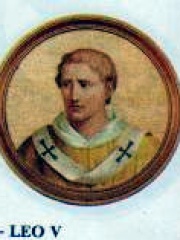
Pope Leo V
RELIGIOUS FIGURE
870 - 905
HPI: 73.72
Miejsce: 2
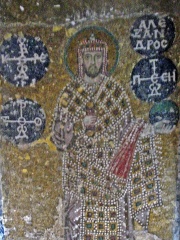
Alexander
POLITICIAN
870 - 913
HPI: 71.82
Miejsce: 3
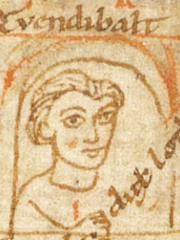
Zwentibold
POLITICIAN
870 - 900
HPI: 68.09
Miejsce: 4
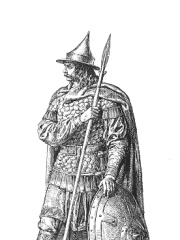
Lestek
POLITICIAN
870 - 930
HPI: 64.97
Miejsce: 5

Fulk I, Count of Anjou
POLITICIAN
870 - 942
HPI: 64.93
Miejsce: 6
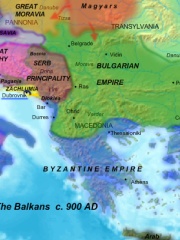
Petar of Serbia
POLITICIAN
870 - 917
HPI: 60.20
Miejsce: 7

Ebalus, Duke of Aquitaine
NOBLEMAN
870 - 934
HPI: 59.70
Miejsce: 8
Inne osoby zmarłe w 948 roku
Zobacz wszystkie rankingiRomanos I Lekapenos
POLITICIAN
870 - 948
HPI: 74.39
Miejsce: 1
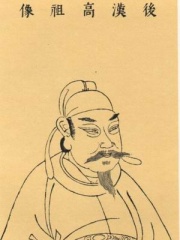
Liu Zhiyuan
POLITICIAN
895 - 948
HPI: 58.62
Miejsce: 2
W kraju Turcja
Wśród osób urodzonych w kraju Turcja Romanos I Lekapenos zajmuje 191. miejsce na 1,732. Przed nim są Constantine IV (652), Isaac II Angelos (1155), Apollonius of Tyana (15), Polycarp (69), Gregory Palamas (1296), i Antinous (111). Po nim są Turgut Özal (1927), Michael VII Doukas (1050), Stilicho (359), Andronikos I Komnenos (1118), Alyattes of Lydia (-640), i Leo IV the Khazar (750).
Inne osoby urodzone w kraju Turcja
Zobacz wszystkie rankingi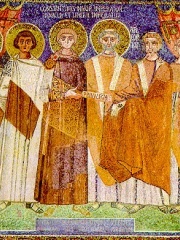
Constantine IV
POLITICIAN
652 - 685
HPI: 74.55
Miejsce: 185
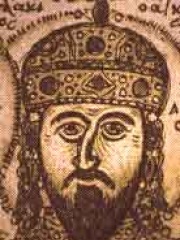
Isaac II Angelos
POLITICIAN
1155 - 1204
HPI: 74.54
Miejsce: 186
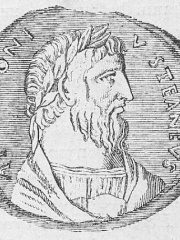
Apollonius of Tyana
PHILOSOPHER
15 - 100
HPI: 74.50
Miejsce: 187
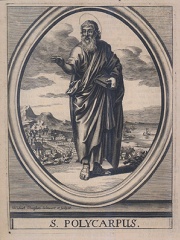
Polycarp
PHYSICIAN
69 - 155
HPI: 74.49
Miejsce: 188
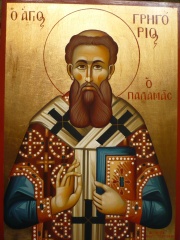
Gregory Palamas
RELIGIOUS FIGURE
1296 - 1359
HPI: 74.49
Miejsce: 189
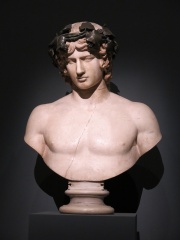
Antinous
COMPANION
111 - 130
HPI: 74.42
Miejsce: 190
Romanos I Lekapenos
POLITICIAN
870 - 948
HPI: 74.39
Miejsce: 191
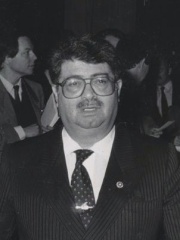
Turgut Özal
POLITICIAN
1927 - 1993
HPI: 74.29
Miejsce: 192
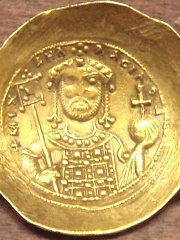
Michael VII Doukas
POLITICIAN
1050 - 1090
HPI: 74.25
Miejsce: 193
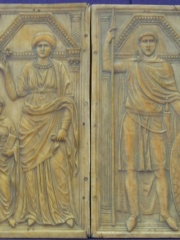
Stilicho
MILITARY PERSONNEL
359 - 408
HPI: 74.22
Miejsce: 194
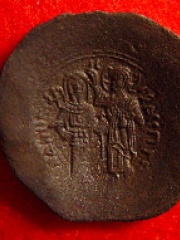
Andronikos I Komnenos
POLITICIAN
1118 - 1185
HPI: 74.21
Miejsce: 195
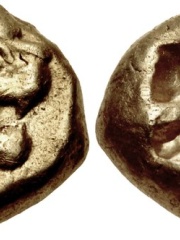
Alyattes of Lydia
POLITICIAN
640 BC - 560 BC
HPI: 74.18
Miejsce: 196
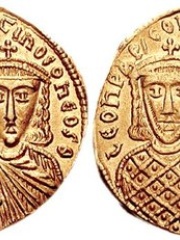
Leo IV the Khazar
POLITICIAN
750 - 780
HPI: 74.10
Miejsce: 197
Wśród przedstawicieli zawodu Polityk w kraju Turcja
Wśród przedstawicieli zawodu „Polityk” urodzonych w kraju Turcja Romanos I Lekapenos zajmuje 103. miejsce. Przed nim są Alaeddin Pasha (1250), Artemisia I of Caria (-500), John II Komnenos (1087), Süleyman Demirel (1924), Constantine IV (652), i Isaac II Angelos (1155). Po nim są Turgut Özal (1927), Michael VII Doukas (1050), Andronikos I Komnenos (1118), Alyattes of Lydia (-640), Leo IV the Khazar (750), i Kara Mustafa Pasha (1634).
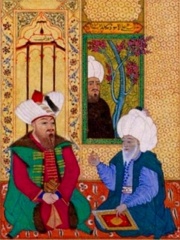
Alaeddin Pasha
1250 - 1330
HPI: 74.62
Miejsce: 97
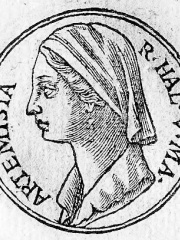
Artemisia I of Caria
500 BC - 500 BC
HPI: 74.58
Miejsce: 98
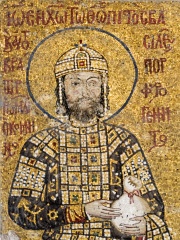
John II Komnenos
1087 - 1143
HPI: 74.58
Miejsce: 99
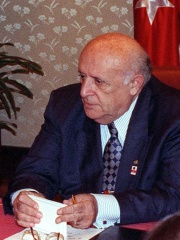
Süleyman Demirel
1924 - 2015
HPI: 74.55
Miejsce: 100
Constantine IV
652 - 685
HPI: 74.55
Miejsce: 101
Isaac II Angelos
1155 - 1204
HPI: 74.54
Miejsce: 102
Romanos I Lekapenos
870 - 948
HPI: 74.39
Miejsce: 103
Turgut Özal
1927 - 1993
HPI: 74.29
Miejsce: 104
Michael VII Doukas
1050 - 1090
HPI: 74.25
Miejsce: 105
Andronikos I Komnenos
1118 - 1185
HPI: 74.21
Miejsce: 106
Alyattes of Lydia
640 BC - 560 BC
HPI: 74.18
Miejsce: 107
Leo IV the Khazar
750 - 780
HPI: 74.10
Miejsce: 108
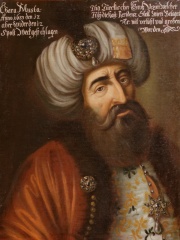
Kara Mustafa Pasha
1634 - 1683
HPI: 74.01
Miejsce: 109




