Postać religijna
Jacqueline Felice de Almania
1300 - obecnie
PL.WIKIPEDIA PAGE VIEWS (PV)

 Jacqueline Felice de Almania
Jej biografia jest dostępna w 18 różnych językach w Wikipedii (wzrost z 16 w 2024 roku). Jacqueline Felice de Almania jest 2259. najpopularniejszym postać religijna (wzrost z 2263. w 2024 roku), 2947. najpopularniejszą biografią Włochy (wzrost z 3140. w 2019 roku) oraz 480. najpopularniejszym postać religijna Włochy.
Memorability Metrics
4.2k
Page Views
Past 12 months
59.39
HPI
Historical Popularity Index
Page views of Jacqueline Felice de Almania by language
Among Postać religijnas
Among postać religijnas, Jacqueline Felice de Almania ranks 2,259 out of 3,187. Before her are Giovanni de' Marignolli, Ladislav Nemet, Juvenal of Jerusalem, Adomnán, Antonio María Javierre Ortas, and Laurence of Canterbury. After her are Gun, Alexander of Constantinople, Francisco Coll Guitart, Francis Hong Yong-ho, Carlos Amigo Vallejo, and Sava II.
Most Popular Postać Religijnas in Wikipedia
Go to all Rankings

Giovanni de' Marignolli
1290 - 1358
HPI: 59.42
Rank: 2,253
Ladislav Nemet
1956 - Present
HPI: 59.41
Rank: 2,254

Juvenal of Jerusalem
350 - 458
HPI: 59.41
Rank: 2,255
Adomnán
624 - 704
HPI: 59.41
Rank: 2,256

Antonio María Javierre Ortas
1921 - 2007
HPI: 59.41
Rank: 2,257
Laurence of Canterbury
550 - 619
HPI: 59.39
Rank: 2,258
Jacqueline Felice de Almania
1300 - Present
HPI: 59.39
Rank: 2,259

Gun
HPI: 59.39
Rank: 2,260

Alexander of Constantinople
250 - 337
HPI: 59.39
Rank: 2,261
Francisco Coll Guitart
1812 - 1875
HPI: 59.37
Rank: 2,262
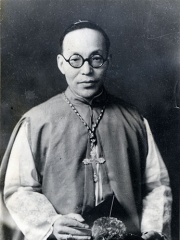
Francis Hong Yong-ho
1906 - 2013
HPI: 59.37
Rank: 2,263
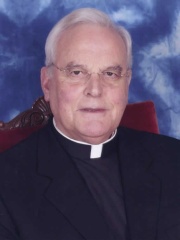
Carlos Amigo Vallejo
1934 - 2022
HPI: 59.36
Rank: 2,264
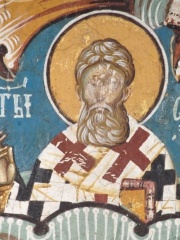
Sava II
1199 - 1269
HPI: 59.36
Rank: 2,265

Contemporaries
Among people born in 1300, Jacqueline Felice de Almania ranks 54. Before her are John II Orsini, Thomas Bradwardine, Andrea Contarini, Rutebeuf, Teresa d'Entença, and Adolf, Count Palatine of the Rhine. After her are Petrus de Cruce, William II, Duke of Brunswick-Lüneburg, Ana Terter, Lajin, Ibn 'Idhari, and Baibars II.
Others Born in 1300
Go to all Rankings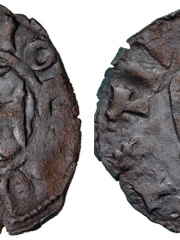
John II Orsini
POLITICIAN
1300 - 1335
HPI: 60.57
Rank: 48
Thomas Bradwardine
MATHEMATICIAN
1300 - 1349
HPI: 60.51
Rank: 49
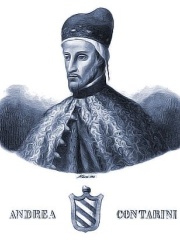
Andrea Contarini
POLITICIAN
1300 - 1382
HPI: 60.28
Rank: 50

Rutebeuf
WRITER
1300 - 1285
HPI: 59.71
Rank: 51

Teresa d'Entença
POLITICIAN
1300 - 1327
HPI: 59.67
Rank: 52
Adolf, Count Palatine of the Rhine
POLITICIAN
1300 - 1327
HPI: 59.60
Rank: 53
Jacqueline Felice de Almania
RELIGIOUS FIGURE
1300 - Present
HPI: 59.39
Rank: 54

Petrus de Cruce
COMPOSER
1300 - Present
HPI: 59.33
Rank: 55
William II, Duke of Brunswick-Lüneburg
POLITICIAN
1300 - 1369
HPI: 58.96
Rank: 56

Ana Terter
NOBLEMAN
1300 - Present
HPI: 58.80
Rank: 57
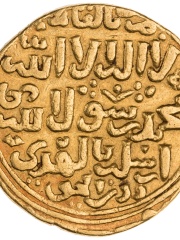
Lajin
POLITICIAN
1300 - 1299
HPI: 58.75
Rank: 58

Ibn 'Idhari
HISTORIAN
1300 - 1299
HPI: 58.59
Rank: 59
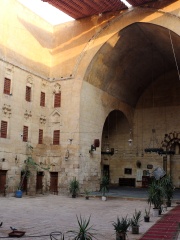
Baibars II
POLITICIAN
1300 - 1310
HPI: 58.31
Rank: 60
In Włochy
Among people born in Włochy, Jacqueline Felice de Almania ranks 2,947 out of NaN. Before her are Giovanni de' Marignolli (1290), Roberto De Zerbi (1979), Mario Soldati (1906), Susanna Tamaro (1957), Laurence of Canterbury (550), and Augusto Genina (1892). After her are Gianfranco Fini (1952), Daniele Crespi (1598), Alexander of Constantinople (250), Gnaeus Domitius Ahenobarbus (-200), Galeazzo Alessi (1512), and David Rizzio (1533).
Others born in Włochy
Go to all RankingsGiovanni de' Marignolli
RELIGIOUS FIGURE
1290 - 1358
HPI: 59.42
Rank: 2,941

Roberto De Zerbi
SOCCER PLAYER
1979 - Present
HPI: 59.41
Rank: 2,942
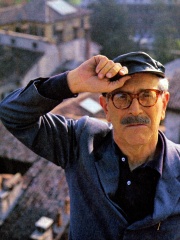
Mario Soldati
WRITER
1906 - 1999
HPI: 59.40
Rank: 2,943
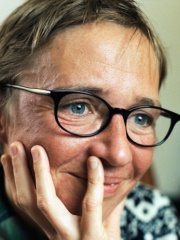
Susanna Tamaro
WRITER
1957 - Present
HPI: 59.40
Rank: 2,944
Laurence of Canterbury
RELIGIOUS FIGURE
550 - 619
HPI: 59.39
Rank: 2,945
Augusto Genina
WRITER
1892 - 1957
HPI: 59.39
Rank: 2,946
Jacqueline Felice de Almania
RELIGIOUS FIGURE
1300 - Present
HPI: 59.39
Rank: 2,947
Gianfranco Fini
POLITICIAN
1952 - Present
HPI: 59.39
Rank: 2,948

Daniele Crespi
PAINTER
1598 - 1630
HPI: 59.39
Rank: 2,949
Alexander of Constantinople
RELIGIOUS FIGURE
250 - 337
HPI: 59.39
Rank: 2,950
Gnaeus Domitius Ahenobarbus
POLITICIAN
200 BC - 89 BC
HPI: 59.39
Rank: 2,951
Galeazzo Alessi
ARCHITECT
1512 - 1572
HPI: 59.37
Rank: 2,952
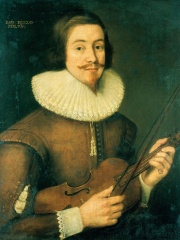
David Rizzio
NOBLEMAN
1533 - 1566
HPI: 59.37
Rank: 2,953
Among Postać religijnas In Włochy
Among postać religijnas born in Włochy, Jacqueline Felice de Almania ranks 480. Before her are Giuseppe Caprio (1914), Giuseppe Versaldi (1943), Giuseppe Pizzardo (1877), Giovanni Coppa (1925), Giovanni de' Marignolli (1290), and Laurence of Canterbury (550). After her are Alexander of Constantinople (250), Gualtiero Bassetti (1942), Clemente Micara (1879), Rino Fisichella (1951), Nicolò Longobardo (1565), and Camillo Caccia Dominioni (1877).

Giuseppe Caprio
1914 - 2005
HPI: 59.61
Rank: 474
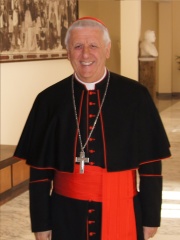
Giuseppe Versaldi
1943 - Present
HPI: 59.47
Rank: 475
Giuseppe Pizzardo
1877 - 1970
HPI: 59.46
Rank: 476
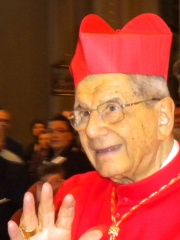
Giovanni Coppa
1925 - 2016
HPI: 59.45
Rank: 477
Giovanni de' Marignolli
1290 - 1358
HPI: 59.42
Rank: 478
Laurence of Canterbury
550 - 619
HPI: 59.39
Rank: 479
Jacqueline Felice de Almania
1300 - Present
HPI: 59.39
Rank: 480
Alexander of Constantinople
250 - 337
HPI: 59.39
Rank: 481
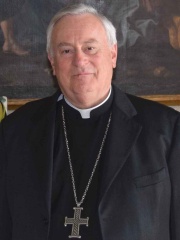
Gualtiero Bassetti
1942 - Present
HPI: 59.35
Rank: 482

Clemente Micara
1879 - 1965
HPI: 59.31
Rank: 483

Rino Fisichella
1951 - Present
HPI: 59.27
Rank: 484
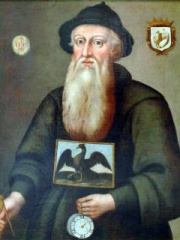
Nicolò Longobardo
1565 - 1655
HPI: 59.20
Rank: 485
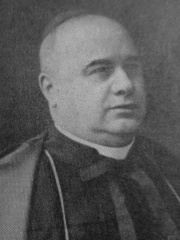
Camillo Caccia Dominioni
1877 - 1946
HPI: 59.20
Rank: 486




