Политик
Giovanni Galbaio
800 - 804
RU.WIKIPEDIA PAGE VIEWS (PV)
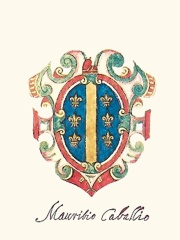
 Giovanni Galbaio
Его биография доступна на 21 различных языках в Википедии (рост с 20 в 2024 году). Giovanni Galbaio занимает 12083-е место среди самых популярных политик (снижение с 11301-е места в 2024 году), занимает 2978-е место среди самых популярных биографий из Италии (снижение с 2856-е места в 2019 году) и занимает 742-е место среди политик Италия.
Memorability Metrics
5.8k
Page Views
Past 12 months
59.24
HPI
Historical Popularity Index
Page views of Giovanni Galbaio by language
Among Политик
Among политик, Giovanni Galbaio ranks 12,077 out of 19,576. Before him are Jānis Rudzutaks, Princess Marie of Prussia, Lojze Peterle, Jean Joseph Mounier, Agustín Eyzaguirre, and José María Iglesias. After him are Nicolae Ciucă, Omar Sharmarke, Deidamia I of Epirus, Gaius Caecilius Metellus Caprarius, Azlan Shah of Perak, and Dragan Tomić.
Most Popular Политик in Wikipedia
Go to all Rankings
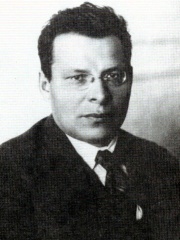
Jānis Rudzutaks
1887 - 1938
HPI: 59.24
Rank: 12,077
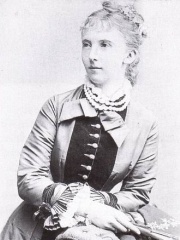
Princess Marie of Prussia
1855 - 1888
HPI: 59.24
Rank: 12,078
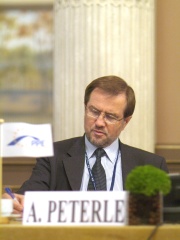
Lojze Peterle
1948 - Present
HPI: 59.24
Rank: 12,079
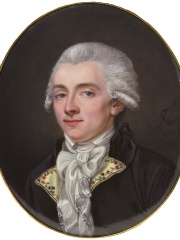
Jean Joseph Mounier
1758 - 1806
HPI: 59.24
Rank: 12,080
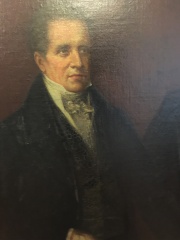
Agustín Eyzaguirre
1768 - 1837
HPI: 59.24
Rank: 12,081
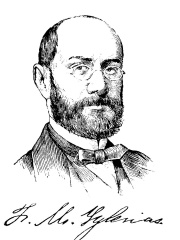
José María Iglesias
1823 - 1891
HPI: 59.24
Rank: 12,082
Giovanni Galbaio
800 - 804
HPI: 59.24
Rank: 12,083
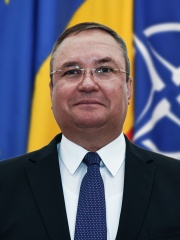
Nicolae Ciucă
1967 - Present
HPI: 59.23
Rank: 12,084
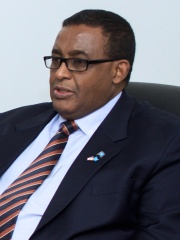
Omar Sharmarke
1960 - Present
HPI: 59.23
Rank: 12,085

Deidamia I of Epirus
400 BC - Present
HPI: 59.23
Rank: 12,086
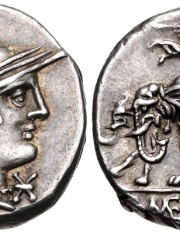
Gaius Caecilius Metellus Caprarius
160 BC - 1 BC
HPI: 59.23
Rank: 12,087
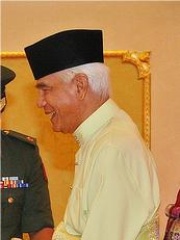
Azlan Shah of Perak
1928 - 2014
HPI: 59.23
Rank: 12,088
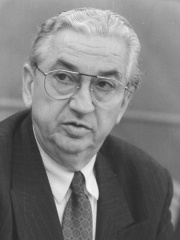
Dragan Tomić
1935 - 2022
HPI: 59.23
Rank: 12,089

Contemporaries
Among people born in 800, Giovanni Galbaio ranks 60. Before him are Boso the Elder, García Jiménez of Pamplona, García Galíndez, Wulfstan of Hedeby, Ecgberht II of Kent, and Saraha. After him are Maurizio Galbaio, Coenwulf of Mercia, Krešimir I of Croatia, Chorso, 'Abd al-Hamīd ibn Turk, and Wiglaf of Mercia. Among people deceased in 804, Giovanni Galbaio ranks 3. Before him are Alcuin, and Lu Yu.
Others Born in 800
Go to all Rankings
Boso the Elder
POLITICIAN
800 - 855
HPI: 60.16
Rank: 54

García Jiménez of Pamplona
POLITICIAN
800 - 886
HPI: 59.96
Rank: 55

García Galíndez
POLITICIAN
800 - 833
HPI: 59.92
Rank: 56
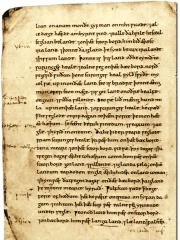
Wulfstan of Hedeby
EXPLORER
800 - 850
HPI: 59.91
Rank: 57
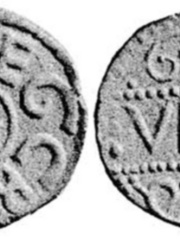
Ecgberht II of Kent
POLITICIAN
800 - 784
HPI: 59.90
Rank: 58

Saraha
POLITICIAN
800 - Present
HPI: 59.73
Rank: 59
Giovanni Galbaio
POLITICIAN
800 - 804
HPI: 59.24
Rank: 60
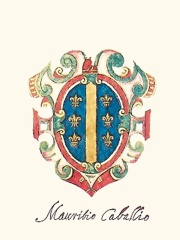
Maurizio Galbaio
POLITICIAN
800 - 797
HPI: 58.81
Rank: 61
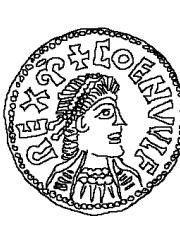
Coenwulf of Mercia
POLITICIAN
800 - 821
HPI: 58.58
Rank: 62
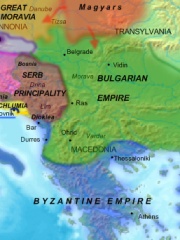
Krešimir I of Croatia
POLITICIAN
800 - 945
HPI: 58.45
Rank: 63

Chorso
POLITICIAN
800 - 790
HPI: 58.35
Rank: 64

'Abd al-Hamīd ibn Turk
MATHEMATICIAN
800 - 900
HPI: 58.07
Rank: 65
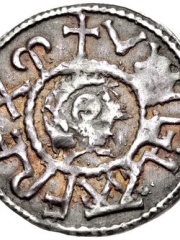
Wiglaf of Mercia
POLITICIAN
800 - 839
HPI: 57.84
Rank: 66
Others Deceased in 804
Go to all Rankings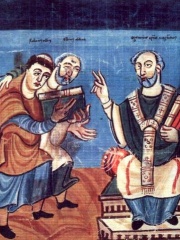
Alcuin
RELIGIOUS FIGURE
735 - 804
HPI: 73.89
Rank: 1
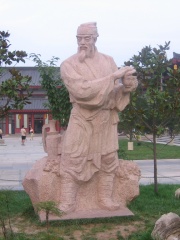
Lu Yu
WRITER
733 - 804
HPI: 66.22
Rank: 2
Giovanni Galbaio
POLITICIAN
800 - 804
HPI: 59.24
Rank: 3
In Италия
Among people born in Италия, Giovanni Galbaio ranks 2,978 out of NaN. Before him are Stefano Domenicali (1965), Pietro Loredan (1482), Rino Fisichella (1951), Benny Benassi (1967), Francesca Neri (1964), and Olympia Fulvia Morata (1526). After him are Armando Picchi (1935), Giuseppe Parini (1729), Teodato Ipato (750), Louis Visconti (1791), Nicolò Longobardo (1565), and Camillo Caccia Dominioni (1877).
Others born in Италия
Go to all Rankings
Stefano Domenicali
POLITICIAN
1965 - Present
HPI: 59.28
Rank: 2,972
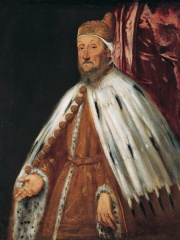
Pietro Loredan
POLITICIAN
1482 - 1570
HPI: 59.28
Rank: 2,973
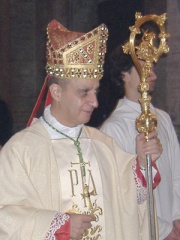
Rino Fisichella
RELIGIOUS FIGURE
1951 - Present
HPI: 59.27
Rank: 2,974

Benny Benassi
MUSICIAN
1967 - Present
HPI: 59.27
Rank: 2,975

Francesca Neri
ACTOR
1964 - Present
HPI: 59.26
Rank: 2,976
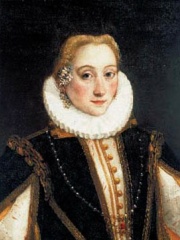
Olympia Fulvia Morata
WRITER
1526 - 1555
HPI: 59.24
Rank: 2,977
Giovanni Galbaio
POLITICIAN
800 - 804
HPI: 59.24
Rank: 2,978
Armando Picchi
SOCCER PLAYER
1935 - 1971
HPI: 59.23
Rank: 2,979
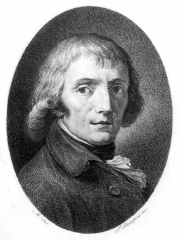
Giuseppe Parini
WRITER
1729 - 1799
HPI: 59.22
Rank: 2,980
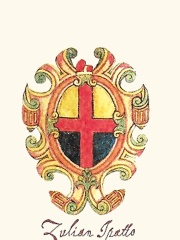
Teodato Ipato
POLITICIAN
750 - 800
HPI: 59.22
Rank: 2,981
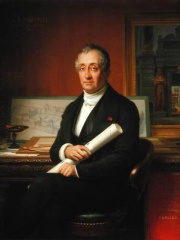
Louis Visconti
ARCHITECT
1791 - 1853
HPI: 59.21
Rank: 2,982
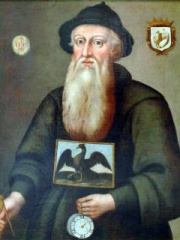
Nicolò Longobardo
RELIGIOUS FIGURE
1565 - 1655
HPI: 59.20
Rank: 2,983
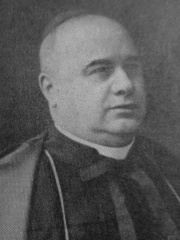
Camillo Caccia Dominioni
RELIGIOUS FIGURE
1877 - 1946
HPI: 59.20
Rank: 2,984
Among Политик In Италия
Among политик born in Италия, Giovanni Galbaio ranks 742. Before him are Fernando Tambroni (1901), Francesco Molin (1575), Michele Steno (1331), Proculus (300), Stefano Domenicali (1965), and Pietro Loredan (1482). After him are Teodato Ipato (750), Andrea Vendramin (1393), Blanche of Montferrat (1472), Margaritus of Brindisi (1149), Bartolomeo Gradenigo (1260), and Giuseppe Volpi (1877).
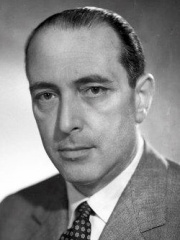
Fernando Tambroni
1901 - 1963
HPI: 59.36
Rank: 736
Francesco Molin
1575 - 1655
HPI: 59.35
Rank: 737
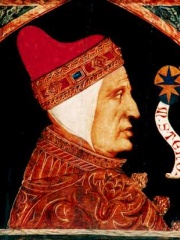
Michele Steno
1331 - 1413
HPI: 59.33
Rank: 738
Proculus
300 - 281
HPI: 59.30
Rank: 739
Stefano Domenicali
1965 - Present
HPI: 59.28
Rank: 740
Pietro Loredan
1482 - 1570
HPI: 59.28
Rank: 741
Giovanni Galbaio
800 - 804
HPI: 59.24
Rank: 742
Teodato Ipato
750 - 800
HPI: 59.22
Rank: 743
Andrea Vendramin
1393 - 1478
HPI: 59.19
Rank: 744
Blanche of Montferrat
1472 - 1519
HPI: 59.19
Rank: 745
Margaritus of Brindisi
1149 - 1197
HPI: 59.18
Rank: 746

Bartolomeo Gradenigo
1260 - 1342
HPI: 59.17
Rank: 747
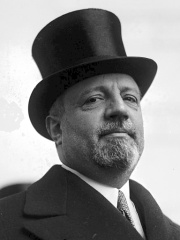
Giuseppe Volpi
1877 - 1947
HPI: 59.16
Rank: 748




