宗教人物
Fortunato Baldelli
1935 - 至今
ZH.WIKIPEDIA 页面浏览量 (PV)
 Fortunato Baldelli
知名度指标
4.7k
页面浏览量
过去12个月
59.19
HPI
历史知名度指数
数据洞察
+8,111
Fortunato Baldelli在 Pantheon 全球 HPI 排名中上升了 8,111 位,从第 48,732 位升至第 40,691 位。
Fortunato Baldelli的各语言页面浏览量
在宗教人物中
在宗教人物中,Fortunato Baldelli排名第2,309位(共3,189人)。 排在他之前的有:Nicolò Longobardo, Camillo Caccia Dominioni, Angelo Felici, Dorothea of Montau, Nilus of Sinai, 和Saint Sturm. 排在他之后的有:Luigi Maglione, Pascalina Lehnert, Julius Döpfner, Robert Barron, Vincenzo Carafa, 和Conrad of Urach.
维基百科上最受欢迎的宗教人物
查看全部排名

Nicolò Longobardo
1565 - 1655
HPI: 59.20
排名: 2,303
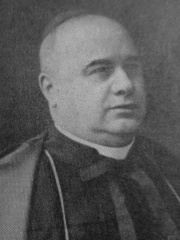
Camillo Caccia Dominioni
1877 - 1946
HPI: 59.20
排名: 2,304
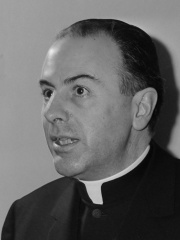
Angelo Felici
1919 - 2007
HPI: 59.20
排名: 2,305
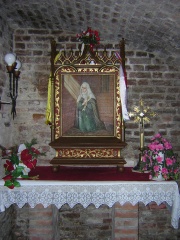
Dorothea of Montau
1347 - 1394
HPI: 59.20
排名: 2,306
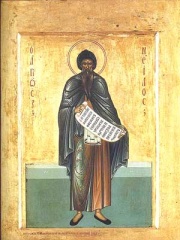
Nilus of Sinai
400 - 430
HPI: 59.20
排名: 2,307
Saint Sturm
704 - 779
HPI: 59.19
排名: 2,308
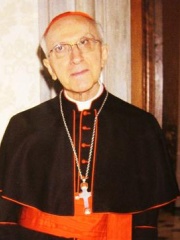
Fortunato Baldelli
1935 - 至今
HPI: 59.19
排名: 2,309
Luigi Maglione
1877 - 1944
HPI: 59.18
排名: 2,310

Pascalina Lehnert
1894 - 1983
HPI: 59.18
排名: 2,311
Julius Döpfner
1913 - 1976
HPI: 59.17
排名: 2,312
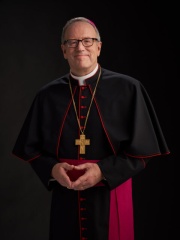
Robert Barron
1959 - 至今
HPI: 59.17
排名: 2,313
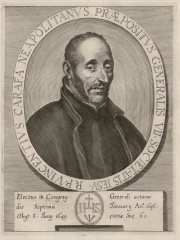
Vincenzo Carafa
1594 - 1649
HPI: 59.16
排名: 2,314
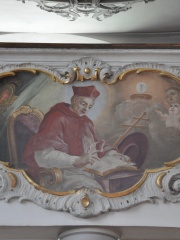
Conrad of Urach
1170 - 1227
HPI: 59.16
排名: 2,315

同时代人物
在1935年出生的人中,Fortunato Baldelli排名第228位。 排在他之前的有:Lee Hoi-chang, Michael Ballhaus, Vladica Popović, Ghita Nørby, Armando Picchi, 和Dragan Tomić. 排在他之后的有:Julio Jaramillo, Percy Adlon, Eulogio Martínez, Susan Brownmiller, Željko Matuš, 和Fernando del Paso.
其他1935年出生的人
查看全部排名
Lee Hoi-chang
POLITICIAN
1935 - 至今
HPI: 59.37
排名: 222
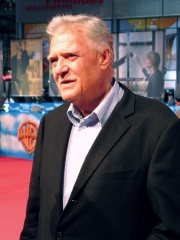
Michael Ballhaus
ACTOR
1935 - 2017
HPI: 59.36
排名: 223

Vladica Popović
SOCCER PLAYER
1935 - 2020
HPI: 59.29
排名: 224

Ghita Nørby
ACTOR
1935 - 至今
HPI: 59.28
排名: 225
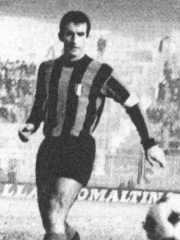
Armando Picchi
SOCCER PLAYER
1935 - 1971
HPI: 59.23
排名: 226
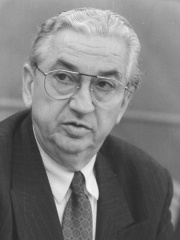
Dragan Tomić
POLITICIAN
1935 - 2022
HPI: 59.23
排名: 227
Fortunato Baldelli
RELIGIOUS FIGURE
1935 - 至今
HPI: 59.19
排名: 228
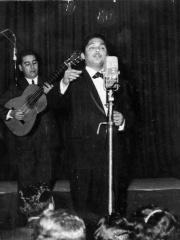
Julio Jaramillo
SINGER
1935 - 1978
HPI: 59.15
排名: 229

Percy Adlon
FILM DIRECTOR
1935 - 2024
HPI: 59.14
排名: 230
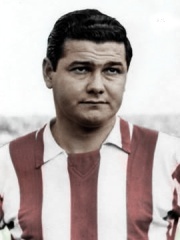
Eulogio Martínez
SOCCER PLAYER
1935 - 1984
HPI: 59.14
排名: 231

Susan Brownmiller
WRITER
1935 - 2025
HPI: 59.14
排名: 232

Željko Matuš
SOCCER PLAYER
1935 - 至今
HPI: 59.06
排名: 233
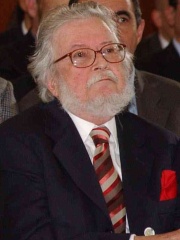
Fernando del Paso
WRITER
1935 - 2018
HPI: 59.05
排名: 234
在意大利
在出生于意大利的人中,Fortunato Baldelli排名第2,995位(共5,905人)。 排在他之前的有:Nicolò Longobardo (1565), Camillo Caccia Dominioni (1877), Erri De Luca (1950), Cesare Battisti (1875), Andrea Vendramin (1393), 和Blanche of Montferrat (1472). 排在他之后的有:Placidia (441), Margaritus of Brindisi (1149), Bartolomeo Gradenigo (1260), Ulisse Dini (1845), Vincenzo Carafa (1594), 和Giuseppe Volpi (1877).
Nicolò Longobardo
RELIGIOUS FIGURE
1565 - 1655
HPI: 59.20
排名: 2,989
Camillo Caccia Dominioni
RELIGIOUS FIGURE
1877 - 1946
HPI: 59.20
排名: 2,990

Erri De Luca
WRITER
1950 - 至今
HPI: 59.19
排名: 2,991
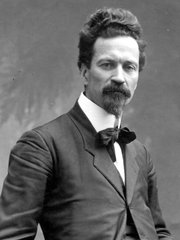
Cesare Battisti
POLITICIAN
1875 - 1916
HPI: 59.19
排名: 2,992
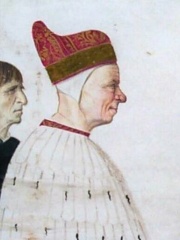
Andrea Vendramin
POLITICIAN
1393 - 1478
HPI: 59.19
排名: 2,993
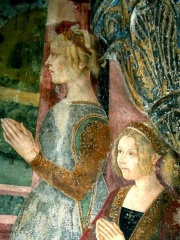
Blanche of Montferrat
POLITICIAN
1472 - 1519
HPI: 59.19
排名: 2,994
Fortunato Baldelli
RELIGIOUS FIGURE
1935 - 至今
HPI: 59.19
排名: 2,995
Placidia
COMPANION
441 - 484
HPI: 59.19
排名: 2,996
Margaritus of Brindisi
POLITICIAN
1149 - 1197
HPI: 59.18
排名: 2,997

Bartolomeo Gradenigo
POLITICIAN
1260 - 1342
HPI: 59.17
排名: 2,998
Ulisse Dini
MATHEMATICIAN
1845 - 1918
HPI: 59.16
排名: 2,999
Vincenzo Carafa
RELIGIOUS FIGURE
1594 - 1649
HPI: 59.16
排名: 3,000
Giuseppe Volpi
POLITICIAN
1877 - 1947
HPI: 59.16
排名: 3,001
在意大利的宗教人物中
在出生于意大利的宗教人物中,Fortunato Baldelli排名第487位。 排在他之前的有:Alexander of Constantinople (250), Gualtiero Bassetti (1942), Clemente Micara (1879), Rino Fisichella (1951), Nicolò Longobardo (1565), 和Camillo Caccia Dominioni (1877). 排在他之后的有:Vincenzo Carafa (1594), Benedict Menni (1841), Zenobius of Florence (337), Francesco Moraglia (1953), Michele Rua (1837), 和Gennaro Granito Pignatelli di Belmonte (1851).

Alexander of Constantinople
250 - 337
HPI: 59.39
排名: 481
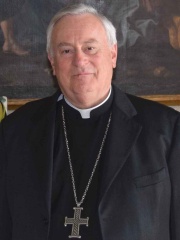
Gualtiero Bassetti
1942 - 至今
HPI: 59.35
排名: 482

Clemente Micara
1879 - 1965
HPI: 59.31
排名: 483

Rino Fisichella
1951 - 至今
HPI: 59.27
排名: 484
Nicolò Longobardo
1565 - 1655
HPI: 59.20
排名: 485
Camillo Caccia Dominioni
1877 - 1946
HPI: 59.20
排名: 486
Fortunato Baldelli
1935 - 至今
HPI: 59.19
排名: 487
Vincenzo Carafa
1594 - 1649
HPI: 59.16
排名: 488
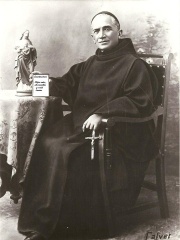
Benedict Menni
1841 - 1914
HPI: 59.07
排名: 489

Zenobius of Florence
337 - 417
HPI: 59.02
排名: 490
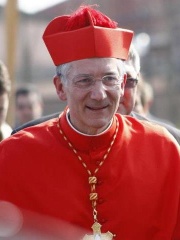
Francesco Moraglia
1953 - 至今
HPI: 59.00
排名: 491
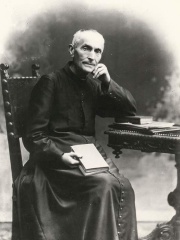
Michele Rua
1837 - 1910
HPI: 58.99
排名: 492
Gennaro Granito Pignatelli di Belmonte
1851 - 1948
HPI: 58.98
排名: 493




