Voetballer
Ricardo Quaresma
1983 - heden
NL.WIKIPEDIA-PAGINAWEERGAVEN (PV)
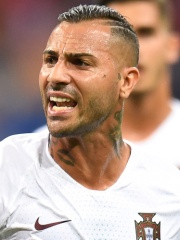
 Ricardo Quaresma
Zijn biografie is beschikbaar in 62 verschillende talen op Wikipedia. Ricardo Quaresma staat op plaats 429 onder de meest populaire voetballer (gedaald van plaats 296 in 2024), plaats 118 onder de meest populaire biografieën uit Portugal (gedaald van plaats 108 in 2019) en op plaats 9 onder de populairste voetballer uit Portugal.
Bekendheidsstatistieken
850k
Paginaweergaven
Afgelopen 12 maanden
65.97
HPI
Historische populariteitsindex
Paginaweergaven van Ricardo Quaresma per taal
Onder Voetballer
Onder Voetballer staat Ricardo Quaresma op plaats 426 van 21,273. Vóór hem staan László Bölöni, Paul Van Himst, Valentino Mazzola, Toni Kroos, Aimé Jacquet, en Gerardo Martino. Na hem komen Alessandro Nesta, Tadao Kobayashi, Koji Funamoto, Shiro Misaki, José Antonio Camacho, en Freddie Ljungberg.
Populairste Voetballer op Wikipedia
Naar alle ranglijsten

László Bölöni
1953 - heden
HPI: 66.03
Plaats: 423

Paul Van Himst
1943 - heden
HPI: 66.01
Plaats: 424
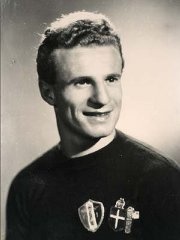
Valentino Mazzola
1919 - 1949
HPI: 66.01
Plaats: 425
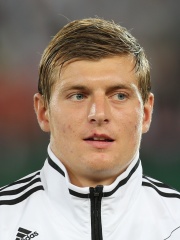
Toni Kroos
1990 - heden
HPI: 66.01
Plaats: 426
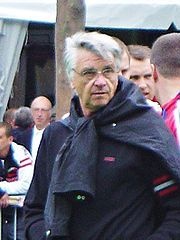
Aimé Jacquet
1941 - heden
HPI: 65.99
Plaats: 427

Gerardo Martino
1962 - heden
HPI: 65.98
Plaats: 428
Ricardo Quaresma
1983 - heden
HPI: 65.97
Plaats: 429

Alessandro Nesta
1976 - heden
HPI: 65.97
Plaats: 430

Tadao Kobayashi
1930 - heden
HPI: 65.96
Plaats: 431

Koji Funamoto
1942 - heden
HPI: 65.96
Plaats: 432

Shiro Misaki
HPI: 65.95
Plaats: 433

José Antonio Camacho
1955 - heden
HPI: 65.95
Plaats: 434
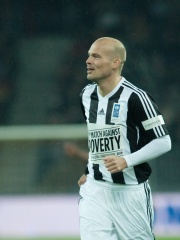
Freddie Ljungberg
1977 - heden
HPI: 65.93
Plaats: 435

Tijdgenoten
Onder de mensen geboren in 1983 staat Ricardo Quaresma op plaats 12. Vóór hem staan Pepe, Dani Alves, Franck Ribéry, Rebecca Ferguson, Loreen, en Robin van Persie. Na hem komen Adam Driver, Katrina Kaif, Cheryl, Philipp Lahm, Emily Blunt, en Donald Glover.
Anderen geboren in 1983
Naar alle ranglijsten
Pepe
SOCCER PLAYER
1983 - heden
HPI: 69.08
Plaats: 6

Dani Alves
SOCCER PLAYER
1983 - heden
HPI: 67.79
Plaats: 7
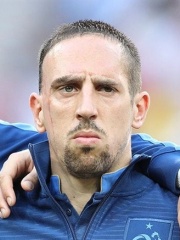
Franck Ribéry
SOCCER PLAYER
1983 - heden
HPI: 67.50
Plaats: 8

Rebecca Ferguson
ACTOR
1983 - heden
HPI: 67.47
Plaats: 9

Loreen
SINGER
1983 - heden
HPI: 67.26
Plaats: 10
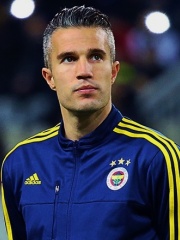
Robin van Persie
SOCCER PLAYER
1983 - heden
HPI: 66.43
Plaats: 11
Ricardo Quaresma
SOCCER PLAYER
1983 - heden
HPI: 65.97
Plaats: 12

Adam Driver
ACTOR
1983 - heden
HPI: 65.50
Plaats: 13

Katrina Kaif
ACTOR
1983 - heden
HPI: 65.02
Plaats: 14

Cheryl
MUSICIAN
1983 - heden
HPI: 64.63
Plaats: 15
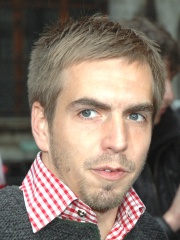
Philipp Lahm
SOCCER PLAYER
1983 - heden
HPI: 64.25
Plaats: 16

Emily Blunt
ACTOR
1983 - heden
HPI: 63.72
Plaats: 17

Donald Glover
ACTOR
1983 - heden
HPI: 63.66
Plaats: 18
In Portugal
Onder de mensen geboren in Portugal staat Ricardo Quaresma op plaats 118 van NaN. Vóór hem staan Francisco da Costa Gomes (1914), Judah Leon Abravanel (1460), John, Constable of Portugal (1400), Nuno Álvares Pereira (1360), Maria Teresa, Princess of Beira (1793), en Afonso, Prince of Portugal (1475). Na hem komen Aristides de Sousa Mendes (1885), José Saraiva Martins (1932), Wamba (630), Isabel of Coimbra (1432), Maria of Portugal, Duchess of Viseu (1521), en Peter, Duke of Coimbra (1392).
Anderen geboren in Portugal
Naar alle ranglijsten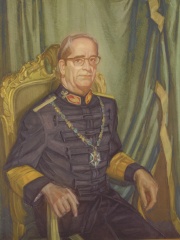
Francisco da Costa Gomes
POLITICIAN
1914 - 2001
HPI: 66.43
Plaats: 112

Judah Leon Abravanel
WRITER
1460 - 1530
HPI: 66.43
Plaats: 113
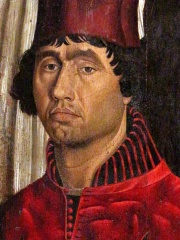
John, Constable of Portugal
POLITICIAN
1400 - 1442
HPI: 66.30
Plaats: 114
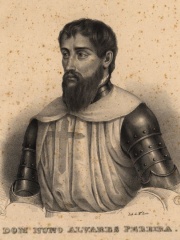
Nuno Álvares Pereira
POLITICIAN
1360 - 1431
HPI: 66.25
Plaats: 115
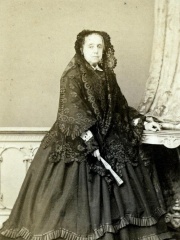
Maria Teresa, Princess of Beira
POLITICIAN
1793 - 1874
HPI: 66.22
Plaats: 116
Afonso, Prince of Portugal
1475 - 1491
HPI: 66.22
Plaats: 117
Ricardo Quaresma
SOCCER PLAYER
1983 - heden
HPI: 65.97
Plaats: 118
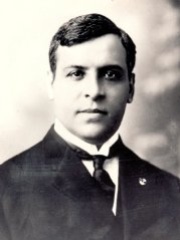
Aristides de Sousa Mendes
POLITICIAN
1885 - 1954
HPI: 65.93
Plaats: 119
José Saraiva Martins
RELIGIOUS FIGURE
1932 - heden
HPI: 65.91
Plaats: 120
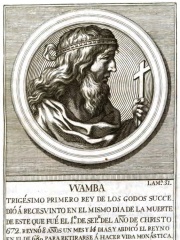
Wamba
POLITICIAN
630 - 688
HPI: 65.89
Plaats: 121
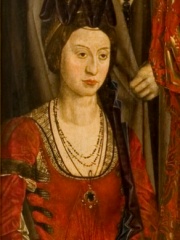
Isabel of Coimbra
COMPANION
1432 - 1455
HPI: 65.88
Plaats: 122
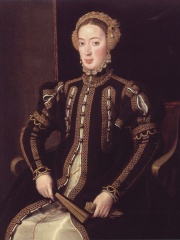
Maria of Portugal, Duchess of Viseu
NOBLEMAN
1521 - 1577
HPI: 65.84
Plaats: 123
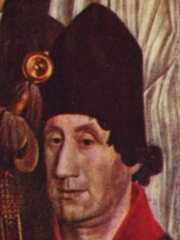
Peter, Duke of Coimbra
POLITICIAN
1392 - 1449
HPI: 65.84
Plaats: 124
Onder Voetballer in Portugal
Onder Voetballer geboren in Portugal staat Ricardo Quaresma op plaats 9. Vóór hem staan Fernando Santos (1954), Jorge Jesus (1954), Sérgio Conceição (1974), Nani (1986), Rui Costa (1972), en Ruben Amorim (1985). Na hem komen Artur Jorge (1946), Vítor Baía (1969), Bruno Fernandes (1994), Fernando Gomes (1956), Paulo Futre (1966), en Paulo Sousa (1970).
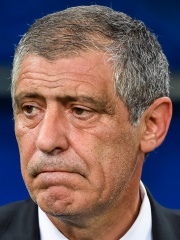
Fernando Santos
1954 - heden
HPI: 73.34
Plaats: 3

Jorge Jesus
1954 - heden
HPI: 69.64
Plaats: 4

Sérgio Conceição
1974 - heden
HPI: 67.03
Plaats: 5

Nani
1986 - heden
HPI: 66.95
Plaats: 6

Rui Costa
1972 - heden
HPI: 66.88
Plaats: 7
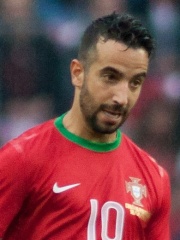
Ruben Amorim
1985 - heden
HPI: 66.81
Plaats: 8
Ricardo Quaresma
1983 - heden
HPI: 65.97
Plaats: 9
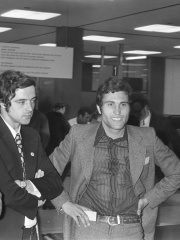
Artur Jorge
1946 - 2024
HPI: 65.14
Plaats: 10

Vítor Baía
1969 - heden
HPI: 64.46
Plaats: 11

Bruno Fernandes
1994 - heden
HPI: 63.78
Plaats: 12

Fernando Gomes
1956 - 2022
HPI: 63.18
Plaats: 13

Paulo Futre
1966 - heden
HPI: 63.09
Plaats: 14

Paulo Sousa
1970 - heden
HPI: 62.98
Plaats: 15




