لاعب كرة القدم
Gerardo Martino
1962 - حتى اليوم
مشاهدات AR.WIKIPEDIA (PV)
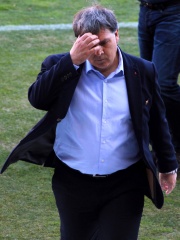
 Gerardo Martino
سيرته الذاتية متاحة بـ47 لغة مختلفة على ويكيبيديا (زيادة من 46 في 2024). يحتل Gerardo Martino المرتبة 427 بين أكثر لاعب كرة القدم شعبيةً (تراجعًا من 319 في 2024)، والمرتبة 80 بين أكثر السير الذاتية شعبيةً في الأرجنتين (تراجعًا من 71 في 2019)، كما يحتل المرتبة 23 بين أكثر لاعب كرة القدم من الأرجنتين شعبيةً.
مقاييس الشهرة
240k
مشاهدات الصفحة
آخر 12 شهرًا
65.98
HPI
مؤشر الشعبية التاريخية
رؤى من البيانات
#427 / 24k
Gerardo Martino في المرتبة 427 من بين 24,321 من لاعب كرة القدم حول العالم، ضمن أفضل 2٪ في المهنة.
47
تظهر سيرة Gerardo Martino في 47 نسخة لغوية من ويكيبيديا، أكثر من 93٪ من جميع لاعب كرة القدم.
مشاهدات صفحة Gerardo Martino حسب اللغة
من بين لاعب كرة القدم
من بين لاعب كرة القدم، يحتل Gerardo Martino المرتبة 424 من أصل 24,321. قبله يأتي Jorge Solari, László Bölöni, Paul Van Himst, Valentino Mazzola, Toni Kroos, وAimé Jacquet. بعده يأتي Ricardo Quaresma, Alessandro Nesta, Tadao Kobayashi, Koji Funamoto, Shiro Misaki, وJosé Antonio Camacho.
أشهر لاعب كرة القدم على ويكيبيديا
عرض جميع التصنيفات

Jorge Solari
1941 - حتى الآن
HPI: 66.03
المرتبة: 421

László Bölöni
1953 - حتى الآن
HPI: 66.03
المرتبة: 422

Paul Van Himst
1943 - حتى الآن
HPI: 66.01
المرتبة: 423
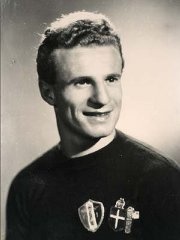
Valentino Mazzola
1919 - 1949
HPI: 66.01
المرتبة: 424
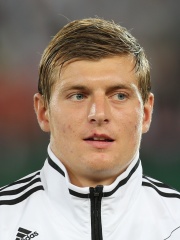
Toni Kroos
1990 - حتى الآن
HPI: 66.01
المرتبة: 425
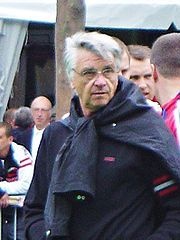
Aimé Jacquet
1941 - حتى الآن
HPI: 65.99
المرتبة: 426
Gerardo Martino
1962 - حتى الآن
HPI: 65.98
المرتبة: 427
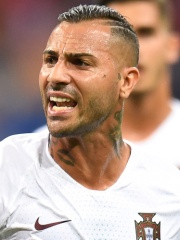
Ricardo Quaresma
1983 - حتى الآن
HPI: 65.97
المرتبة: 428

Alessandro Nesta
1976 - حتى الآن
HPI: 65.97
المرتبة: 429

Tadao Kobayashi
1930 - حتى الآن
HPI: 65.96
المرتبة: 430

Koji Funamoto
1942 - حتى الآن
HPI: 65.96
المرتبة: 431

Shiro Misaki
HPI: 65.95
المرتبة: 432
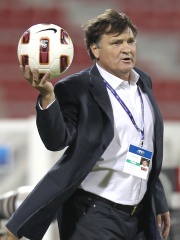
José Antonio Camacho
1955 - حتى الآن
HPI: 65.95
المرتبة: 433

معاصرون
من بين المولودين في عام 1962، يحتل Gerardo Martino المرتبة 47. قبله يأتي Princess Astrid of Belgium, Archduchess of Austria-Este, Steve Carell, Stephen Chow, Milo Đukanović, Thomas Kretschmann, وPeng Liyuan. بعده يأتي Kelly Preston, Emilio Estevez, Ally McCoist, Alessandra Mussolini, Matthew Broderick, وDina Boluarte.
آخرون وُلدوا في عام 1962
عرض جميع التصنيفات
Princess Astrid of Belgium, Archduchess of Austria-Este
POLITICIAN
1962 - حتى الآن
HPI: 66.61
المرتبة: 41

Steve Carell
ACTOR
1962 - حتى الآن
HPI: 66.60
المرتبة: 42

Stephen Chow
ACTOR
1962 - حتى الآن
HPI: 66.54
المرتبة: 43
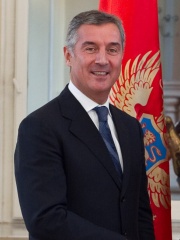
Milo Đukanović
POLITICIAN
1962 - حتى الآن
HPI: 66.20
المرتبة: 44

Thomas Kretschmann
ACTOR
1962 - حتى الآن
HPI: 66.14
المرتبة: 45

Peng Liyuan
SINGER
1962 - حتى الآن
HPI: 66.10
المرتبة: 46
Gerardo Martino
SOCCER PLAYER
1962 - حتى الآن
HPI: 65.98
المرتبة: 47

Kelly Preston
ACTOR
1962 - 2020
HPI: 65.93
المرتبة: 48

Emilio Estevez
ACTOR
1962 - حتى الآن
HPI: 65.92
المرتبة: 49

Ally McCoist
SOCCER PLAYER
1962 - حتى الآن
HPI: 65.77
المرتبة: 50

Alessandra Mussolini
POLITICIAN
1962 - حتى الآن
HPI: 65.74
المرتبة: 51

Matthew Broderick
ACTOR
1962 - حتى الآن
HPI: 65.62
المرتبة: 52
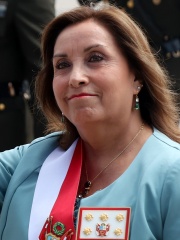
Dina Boluarte
POLITICIAN
1962 - حتى الآن
HPI: 65.58
المرتبة: 53
في الأرجنتين
من بين المولودين في الأرجنتين، يحتل Gerardo Martino المرتبة 80 من أصل 1,449. قبله يأتي Jorge Valdano (1955), César Pelli (1926), Carlos Monzón (1942), Carlos Bilardo (1938), Leonor Fini (1907), وJorge Solari (1941). بعده يأتي Mario Aurelio Poli (1947), Tamara Bunke (1937), Carlos Tevez (1984), Gabriela Sabatini (1970), Gustavo Santaolalla (1951), وMauricio Kagel (1931).
آخرون وُلدوا في الأرجنتين
عرض جميع التصنيفات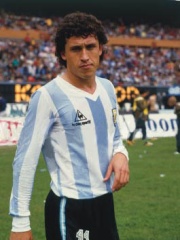
Jorge Valdano
COACH
1955 - حتى الآن
HPI: 66.57
المرتبة: 74
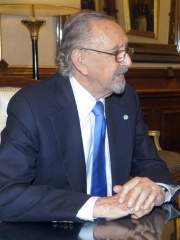
César Pelli
ARCHITECT
1926 - 2019
HPI: 66.51
المرتبة: 75
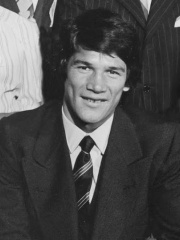
Carlos Monzón
BOXER
1942 - 1995
HPI: 66.33
المرتبة: 76
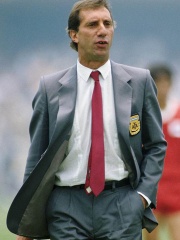
Carlos Bilardo
SOCCER PLAYER
1938 - حتى الآن
HPI: 66.29
المرتبة: 77
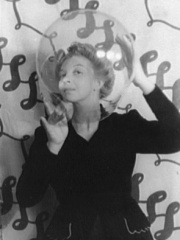
Leonor Fini
PAINTER
1907 - 1996
HPI: 66.19
المرتبة: 78
Jorge Solari
SOCCER PLAYER
1941 - حتى الآن
HPI: 66.03
المرتبة: 79
Gerardo Martino
SOCCER PLAYER
1962 - حتى الآن
HPI: 65.98
المرتبة: 80
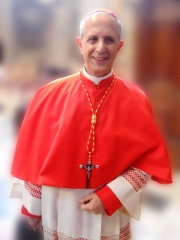
Mario Aurelio Poli
RELIGIOUS FIGURE
1947 - حتى الآن
HPI: 65.88
المرتبة: 81
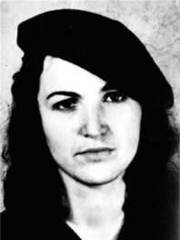
Tamara Bunke
MILITARY PERSONNEL
1937 - 1967
HPI: 65.81
المرتبة: 82
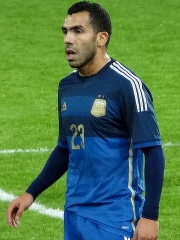
Carlos Tevez
SOCCER PLAYER
1984 - حتى الآن
HPI: 65.72
المرتبة: 83
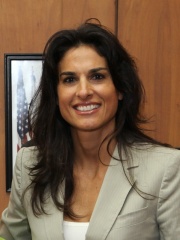
Gabriela Sabatini
TENNIS PLAYER
1970 - حتى الآن
HPI: 65.63
المرتبة: 84

Gustavo Santaolalla
MUSICIAN
1951 - حتى الآن
HPI: 65.61
المرتبة: 85
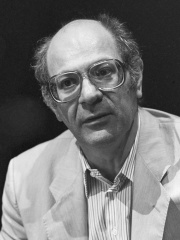
Mauricio Kagel
COMPOSER
1931 - 2008
HPI: 65.51
المرتبة: 86
من بين لاعب كرة القدم في الأرجنتين
من بين لاعب كرة القدم المولودين في الأرجنتين، يحتل Gerardo Martino المرتبة 23. قبله يأتي Raimundo Orsi (1901), Ángel Di María (1988), Osvaldo Ardiles (1952), Ramón Díaz (1959), Carlos Bilardo (1938), وJorge Solari (1941). بعده يأتي Carlos Tevez (1984), Claudio Caniggia (1967), Fernando Redondo (1969), Leopoldo Luque (1949), Carlos Bianchi (1949), وHéctor Yazalde (1946).
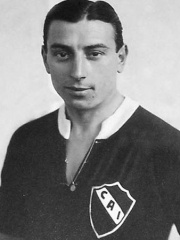
Raimundo Orsi
1901 - 1986
HPI: 67.37
المرتبة: 17
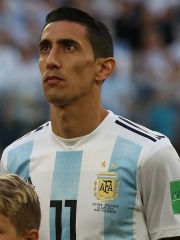
Ángel Di María
1988 - حتى الآن
HPI: 67.10
المرتبة: 18
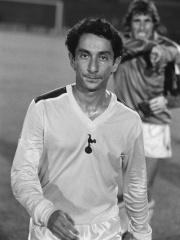
Osvaldo Ardiles
1952 - حتى الآن
HPI: 66.71
المرتبة: 19
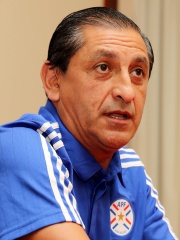
Ramón Díaz
1959 - حتى الآن
HPI: 66.64
المرتبة: 20
Carlos Bilardo
1938 - حتى الآن
HPI: 66.29
المرتبة: 21
Jorge Solari
1941 - حتى الآن
HPI: 66.03
المرتبة: 22
Gerardo Martino
1962 - حتى الآن
HPI: 65.98
المرتبة: 23
Carlos Tevez
1984 - حتى الآن
HPI: 65.72
المرتبة: 24
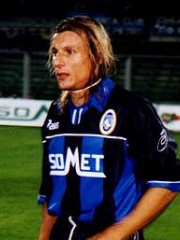
Claudio Caniggia
1967 - حتى الآن
HPI: 65.35
المرتبة: 25
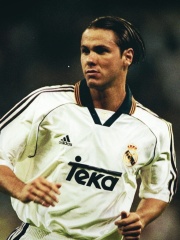
Fernando Redondo
1969 - حتى الآن
HPI: 64.98
المرتبة: 26
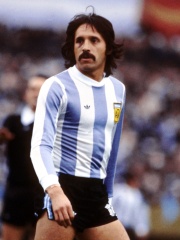
Leopoldo Luque
1949 - 2021
HPI: 64.80
المرتبة: 27
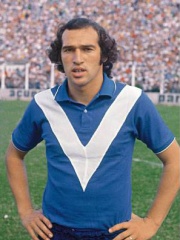
Carlos Bianchi
1949 - حتى الآن
HPI: 64.68
المرتبة: 28
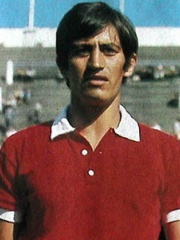
Héctor Yazalde
1946 - 1997
HPI: 64.66
المرتبة: 29




