Религиозный деятель
Michel Aupetit
1951 - настоящее время
RU.WIKIPEDIA PAGE VIEWS (PV)
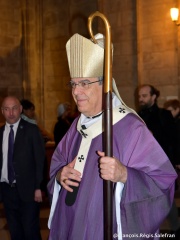
 Michel Aupetit
Его биография доступна на 15 различных языках в Википедии. Michel Aupetit занимает 2611-е место среди самых популярных религиозный деятель (снижение с 2575-е места в 2024 году), занимает 4098-е место среди самых популярных биографий из Франции (рост с 4319-е места в 2019 году) и занимает 207-е место среди религиозный деятель Франция.
Memorability Metrics
40k
Page Views
Past 12 months
57.40
HPI
Historical Popularity Index
Page views of Michel Aupetit by language
Among Религиозный деятель
Among религиозный деятель, Michel Aupetit ranks 2,611 out of 3,187. Before him are Dorothy Stang, Zygmunt Szczęsny Feliński, Yitzhak Kaduri, Theodotus of Byzantium, Wilhelm Emmanuel von Ketteler, and Riphath. After him are Mohammad Yunus Khalis, Rubén Salazar Gómez, Mordechai Eliyahu, Philibert of Jumièges, Abraham of Smolensk, and Mario Delpini.
Most Popular Религиозный деятель in Wikipedia
Go to all Rankings
Dorothy Stang
1931 - 2005
HPI: 57.43
Rank: 2,605
Zygmunt Szczęsny Feliński
1822 - 1895
HPI: 57.42
Rank: 2,606
Yitzhak Kaduri
1898 - 2006
HPI: 57.42
Rank: 2,607

Theodotus of Byzantium
200 - Present
HPI: 57.42
Rank: 2,608
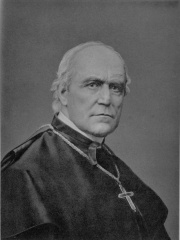
Wilhelm Emmanuel von Ketteler
1811 - 1877
HPI: 57.41
Rank: 2,609

Riphath
HPI: 57.40
Rank: 2,610
Michel Aupetit
1951 - Present
HPI: 57.40
Rank: 2,611

Mohammad Yunus Khalis
1919 - 2006
HPI: 57.40
Rank: 2,612
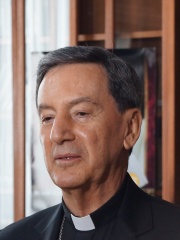
Rubén Salazar Gómez
1942 - Present
HPI: 57.38
Rank: 2,613
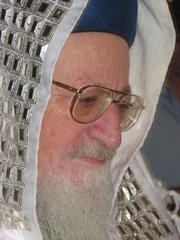
Mordechai Eliyahu
1929 - 2010
HPI: 57.37
Rank: 2,614
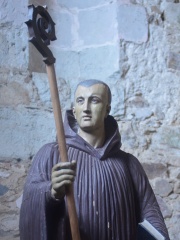
Philibert of Jumièges
608 - 684
HPI: 57.37
Rank: 2,615
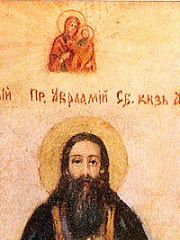
Abraham of Smolensk
1172 - 1221
HPI: 57.36
Rank: 2,616
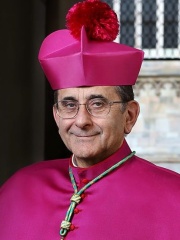
Mario Delpini
1951 - Present
HPI: 57.35
Rank: 2,617

Contemporaries
Among people born in 1951, Michel Aupetit ranks 311. Before him are Steve Perryman, Michel Pollentier, Kim Manners, Stephen Root, Ivano Bordon, and Tom Noonan. After him are Pier Luigi Bersani, Harry Hamlin, Patrick Bergin, Bill Atkinson, Jadwiga Jankowska-Cieślak, and Dean Barrow.
Others Born in 1951
Go to all Rankings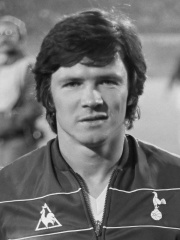
Steve Perryman
SOCCER PLAYER
1951 - Present
HPI: 57.44
Rank: 305
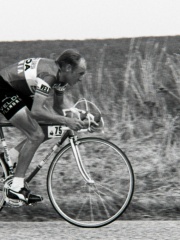
Michel Pollentier
CYCLIST
1951 - Present
HPI: 57.43
Rank: 306

Kim Manners
ACTOR
1951 - 2009
HPI: 57.43
Rank: 307

Stephen Root
ACTOR
1951 - Present
HPI: 57.42
Rank: 308
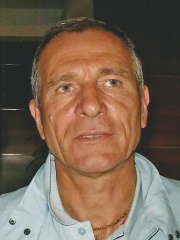
Ivano Bordon
SOCCER PLAYER
1951 - Present
HPI: 57.42
Rank: 309

Tom Noonan
ACTOR
1951 - 2026
HPI: 57.41
Rank: 310
Michel Aupetit
RELIGIOUS FIGURE
1951 - Present
HPI: 57.40
Rank: 311
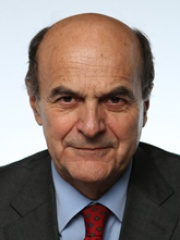
Pier Luigi Bersani
POLITICIAN
1951 - Present
HPI: 57.39
Rank: 312

Harry Hamlin
ACTOR
1951 - Present
HPI: 57.39
Rank: 313

Patrick Bergin
ACTOR
1951 - Present
HPI: 57.39
Rank: 314

Bill Atkinson
INVENTOR
1951 - 2025
HPI: 57.38
Rank: 315

Jadwiga Jankowska-Cieślak
ACTOR
1951 - 2025
HPI: 57.38
Rank: 316
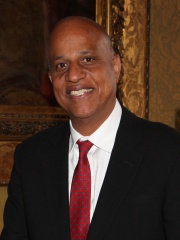
Dean Barrow
POLITICIAN
1951 - Present
HPI: 57.36
Rank: 317
In Франция
Among people born in Франция, Michel Aupetit ranks 4,098 out of NaN. Before him are Serge Lama (1943), Christiane Rochefort (1917), Jacques Rozier (1926), Robert Guédiguian (1953), Louis Saha (1978), and André Darrigade (1929). After him are Pierre Weiss (1865), Charles Angrand (1854), Guy Lapébie (1916), Vincent Candela (1973), Dany Dauberson (1925), and Alain Calmat (1940).
Others born in Франция
Go to all Rankings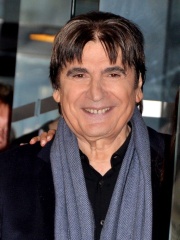
Serge Lama
SINGER
1943 - Present
HPI: 57.42
Rank: 4,092
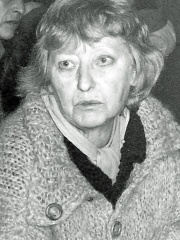
Christiane Rochefort
WRITER
1917 - 1998
HPI: 57.42
Rank: 4,093

Jacques Rozier
FILM DIRECTOR
1926 - 2023
HPI: 57.42
Rank: 4,094
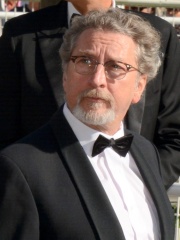
Robert Guédiguian
FILM DIRECTOR
1953 - Present
HPI: 57.42
Rank: 4,095

Louis Saha
SOCCER PLAYER
1978 - Present
HPI: 57.41
Rank: 4,096

André Darrigade
CYCLIST
1929 - Present
HPI: 57.40
Rank: 4,097
Michel Aupetit
RELIGIOUS FIGURE
1951 - Present
HPI: 57.40
Rank: 4,098
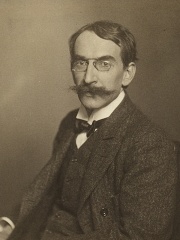
Pierre Weiss
PHYSICIST
1865 - 1940
HPI: 57.40
Rank: 4,099
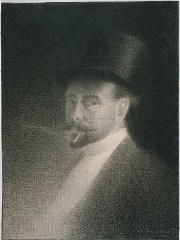
Charles Angrand
PAINTER
1854 - 1926
HPI: 57.39
Rank: 4,100
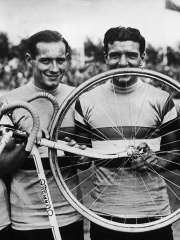
Guy Lapébie
CYCLIST
1916 - 2010
HPI: 57.39
Rank: 4,101
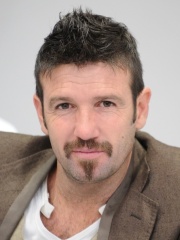
Vincent Candela
SOCCER PLAYER
1973 - Present
HPI: 57.39
Rank: 4,102

Dany Dauberson
SINGER
1925 - 1979
HPI: 57.39
Rank: 4,103
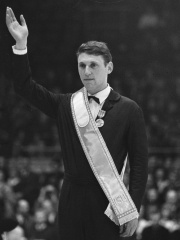
Alain Calmat
SKATER
1940 - Present
HPI: 57.38
Rank: 4,104
Among Религиозный деятель In Франция
Among религиозный деятель born in Франция, Michel Aupetit ranks 207. Before him are François Marty (1904), François de Laval (1623), Claude Fleury (1640), Jeanne Jugan (1792), Amalberga of Maubeuge (601), and Alfred Des Cloizeaux (1817). After him are Philibert of Jumièges (608), Jean-Louis Bruguès (1943), Adalbero of Reims (null), Jean-Paul Vesco (1962), Ratramnus (800), and Jacques Gaillot (1935).
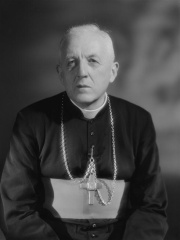
François Marty
1904 - 1994
HPI: 58.18
Rank: 201
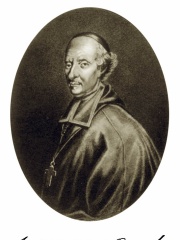
François de Laval
1623 - 1708
HPI: 58.16
Rank: 202
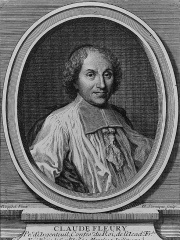
Claude Fleury
1640 - 1723
HPI: 58.12
Rank: 203
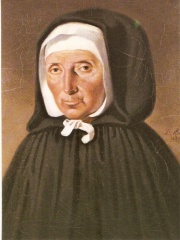
Jeanne Jugan
1792 - 1879
HPI: 58.05
Rank: 204
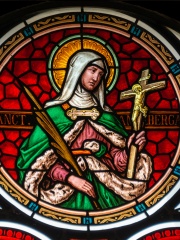
Amalberga of Maubeuge
601 - 670
HPI: 57.95
Rank: 205
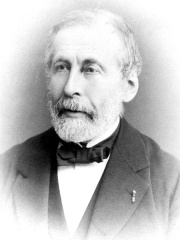
Alfred Des Cloizeaux
1817 - 1897
HPI: 57.54
Rank: 206
Michel Aupetit
1951 - Present
HPI: 57.40
Rank: 207
Philibert of Jumièges
608 - 684
HPI: 57.37
Rank: 208
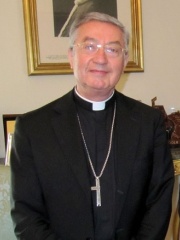
Jean-Louis Bruguès
1943 - Present
HPI: 57.23
Rank: 209
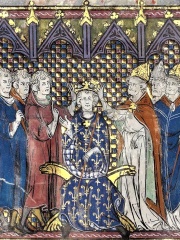
Adalbero of Reims
HPI: 57.13
Rank: 210

Jean-Paul Vesco
1962 - Present
HPI: 56.70
Rank: 211

Ratramnus
800 - 868
HPI: 56.63
Rank: 212
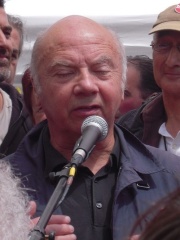
Jacques Gaillot
1935 - 2023
HPI: 56.53
Rank: 213




