Religious Figure
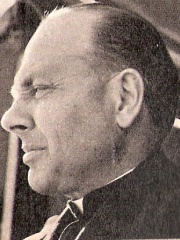
Mario Aurelio Poli
Catholic Cardinal from Argentine.
1947 - today
EN.WIKIPEDIA PAGE VIEWS (PV)
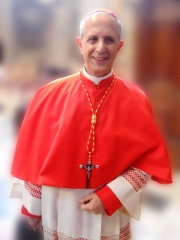
 Mario Aurelio Poli
His biography is available in 25 different languages on Wikipedia (up from 21 in 2024). Mario Aurelio Poli is the 1,128th most popular religious figure (up from 1,403rd in 2024), the 81st most popular biography from Argentina (up from 133rd in 2019) and the 3rd most popular Argentinean Religious Figure.
Memorability Metrics
34k
Page Views
Past 12 months
65.88
HPI
Historical Popularity Index
Page views of Mario Aurelio Poli by language
Among Religious Figures
Among religious figures, Mario Aurelio Poli ranks 1,128 out of 3,187. Before him are Gianna Beretta Molla, José Saraiva Martins, Antipope Gregory VI, Elon, Günter Guillaume, and Nicholas Mystikos. After him are Sabellius, Hilarion, Jerzy Popiełuszko, Lars Levi Laestadius, Ibn Sa'd, and Mariam Baouardy.
Most Popular Religious Figures in Wikipedia
Go to all Rankings
Gianna Beretta Molla
1922 - 1962
HPI: 65.91
Rank: 1,122
José Saraiva Martins
1932 - Present
HPI: 65.91
Rank: 1,123

Antipope Gregory VI
1000 - 1018
HPI: 65.89
Rank: 1,124
Elon
HPI: 65.89
Rank: 1,125
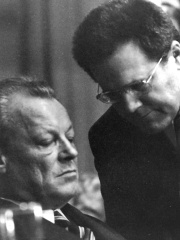
Günter Guillaume
1927 - 1995
HPI: 65.89
Rank: 1,126
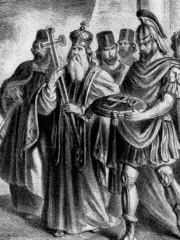
Nicholas Mystikos
852 - 925
HPI: 65.89
Rank: 1,127
Mario Aurelio Poli
1947 - Present
HPI: 65.88
Rank: 1,128

Sabellius
200 - 300
HPI: 65.88
Rank: 1,129
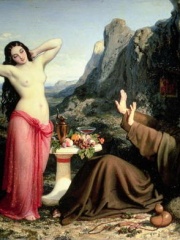
Hilarion
291 - 372
HPI: 65.87
Rank: 1,130
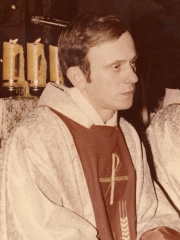
Jerzy Popiełuszko
1947 - 1984
HPI: 65.87
Rank: 1,131
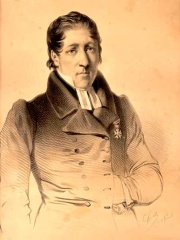
Lars Levi Laestadius
1800 - 1861
HPI: 65.86
Rank: 1,132

Ibn Sa'd
784 - 845
HPI: 65.86
Rank: 1,133
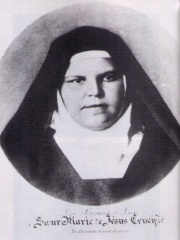
Mariam Baouardy
1846 - 1878
HPI: 65.86
Rank: 1,134

Contemporaries
Among people born in 1947, Mario Aurelio Poli ranks 121. Before him are Ted Danson, Temple Grandin, Gyanendra of Nepal, Jan Garbarek, F. R. David, and José Gonzalo Rodríguez Gacha. After him are Saskia Sassen, Jerzy Popiełuszko, Roy Hodgson, Viktor Belenko, James Patterson, and Mumtaz.
Others Born in 1947
Go to all Rankings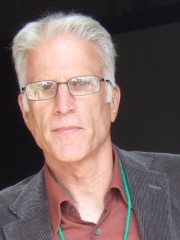
Ted Danson
ACTOR
1947 - Present
HPI: 66.04
Rank: 115
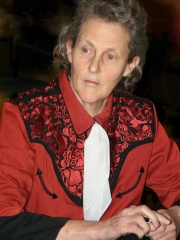
Temple Grandin
BIOLOGIST
1947 - Present
HPI: 65.98
Rank: 116
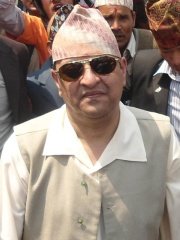
Gyanendra of Nepal
POLITICIAN
1947 - Present
HPI: 65.97
Rank: 117
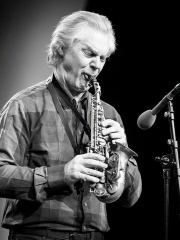
Jan Garbarek
MUSICIAN
1947 - Present
HPI: 65.94
Rank: 118
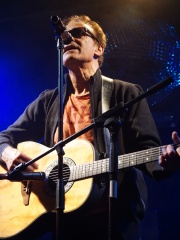
F. R. David
SINGER
1947 - Present
HPI: 65.90
Rank: 119
José Gonzalo Rodríguez Gacha
MAFIOSO
1947 - 1989
HPI: 65.89
Rank: 120
Mario Aurelio Poli
RELIGIOUS FIGURE
1947 - Present
HPI: 65.88
Rank: 121
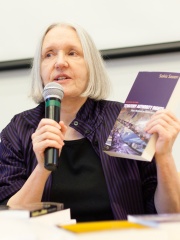
Saskia Sassen
SOCIOLOGIST
1947 - Present
HPI: 65.88
Rank: 122
Jerzy Popiełuszko
RELIGIOUS FIGURE
1947 - 1984
HPI: 65.87
Rank: 123
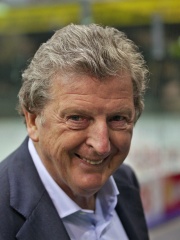
Roy Hodgson
COACH
1947 - Present
HPI: 65.86
Rank: 124
Viktor Belenko
ENGINEER
1947 - 2023
HPI: 65.86
Rank: 125
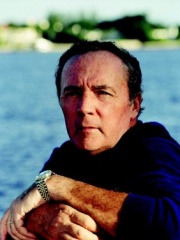
James Patterson
WRITER
1947 - Present
HPI: 65.83
Rank: 126
Mumtaz
ACTOR
1947 - Present
HPI: 65.83
Rank: 127
In Argentina
Among people born in Argentina, Mario Aurelio Poli ranks 81 out of NaN. Before him are César Pelli (1926), Carlos Monzón (1942), Carlos Bilardo (1938), Leonor Fini (1907), Jorge Solari (1941), and Gerardo Martino (1962). After him are Tamara Bunke (1937), Carlos Tevez (1984), Gabriela Sabatini (1970), Gustavo Santaolalla (1951), Mauricio Kagel (1931), and Quino (1932).
Others born in Argentina
Go to all Rankings
César Pelli
ARCHITECT
1926 - 2019
HPI: 66.51
Rank: 75
Carlos Monzón
BOXER
1942 - 1995
HPI: 66.33
Rank: 76
Carlos Bilardo
SOCCER PLAYER
1938 - Present
HPI: 66.29
Rank: 77
Leonor Fini
PAINTER
1907 - 1996
HPI: 66.19
Rank: 78
Jorge Solari
SOCCER PLAYER
1941 - Present
HPI: 66.03
Rank: 79
Gerardo Martino
SOCCER PLAYER
1962 - Present
HPI: 65.98
Rank: 80
Mario Aurelio Poli
RELIGIOUS FIGURE
1947 - Present
HPI: 65.88
Rank: 81
Tamara Bunke
MILITARY PERSONNEL
1937 - 1967
HPI: 65.81
Rank: 82
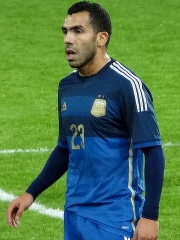
Carlos Tevez
SOCCER PLAYER
1984 - Present
HPI: 65.72
Rank: 83
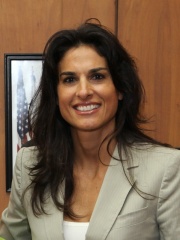
Gabriela Sabatini
TENNIS PLAYER
1970 - Present
HPI: 65.63
Rank: 84
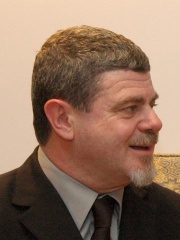
Gustavo Santaolalla
MUSICIAN
1951 - Present
HPI: 65.61
Rank: 85
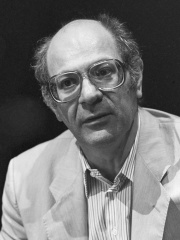
Mauricio Kagel
COMPOSER
1931 - 2008
HPI: 65.51
Rank: 86
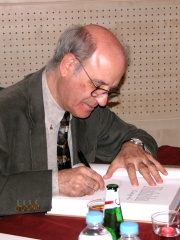
Quino
COMIC ARTIST
1932 - 2020
HPI: 65.37
Rank: 87
Among Religious Figures In Argentina
Among religious figures born in Argentina, Mario Aurelio Poli ranks 3. Before him are Pope Francis (1936), and Leonardo Sandri (1943). After him are Estanislao Esteban Karlic (1926), Juan Carlos Aramburu (1912), Antonio Caggiano (1889), Víctor Manuel Fernández (1962), Luis Héctor Villalba (1934), Eduardo Francisco Pironio (1920), Raúl Francisco Primatesta (1919), Jorge María Mejía (1923), and Egypt at the 2020 Summer Olympics (null).
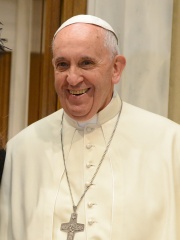
Pope Francis
1936 - 2025
HPI: 97.04
Rank: 1
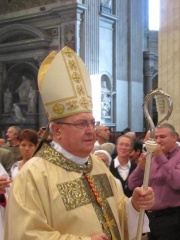
Leonardo Sandri
1943 - Present
HPI: 69.74
Rank: 2
Mario Aurelio Poli
1947 - Present
HPI: 65.88
Rank: 3
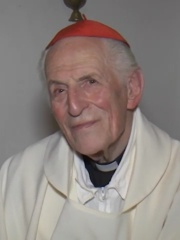
Estanislao Esteban Karlic
1926 - 2025
HPI: 64.64
Rank: 4
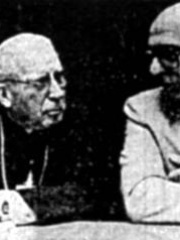
Juan Carlos Aramburu
1912 - 2004
HPI: 63.05
Rank: 5

Antonio Caggiano
1889 - 1979
HPI: 61.98
Rank: 6
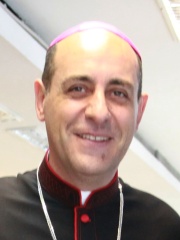
Víctor Manuel Fernández
1962 - Present
HPI: 61.82
Rank: 7
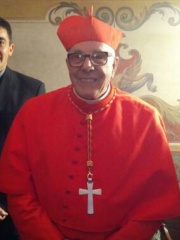
Luis Héctor Villalba
1934 - Present
HPI: 61.00
Rank: 8
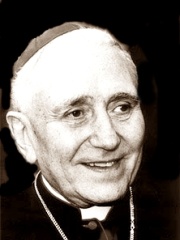
Eduardo Francisco Pironio
1920 - 1998
HPI: 60.25
Rank: 9
Raúl Francisco Primatesta
1919 - 2006
HPI: 58.64
Rank: 10

Jorge María Mejía
1923 - 2014
HPI: 58.21
Rank: 11

Egypt at the 2020 Summer Olympics
HPI: 56.32
Rank: 12




