Postać religijna
Philippe Barbarin
1950 - obecnie
WYŚWIETLENIA PL.WIKIPEDIA (PV)
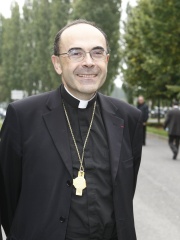

 Philippe Barbarin
Jego biografia jest dostępna w 26 różnych językach w Wikipedii (wzrost z 23 w 2024 roku). Philippe Barbarin jest 1422. najpopularniejszym postać religijna (wzrost z 2247. w 2024 roku), 42. najpopularniejszą biografią Maroko (wzrost z 87. w 2019 roku) oraz 4. najpopularniejszym postać religijna Maroko.
Wskaźniki rozpoznawalności
46k
Wyświetlenia strony
Ostatnie 12 miesięcy
63.85
HPI
Indeks historycznej popularności
Ciekawostki z danych
+20k
Philippe Barbarin awansuje o 19,649 miejsc w globalnym rankingu HPI Pantheonu, z miejsca 42,272. na 22,643.
Wyświetlenia strony Philippe Barbarin według języka
Wśród przedstawicieli zawodu Postać religijna
Wśród przedstawicieli zawodu „Postać religijna” Philippe Barbarin zajmuje 1,422. miejsce na 3,189. Przed nim są Ebussuud Efendi, Aga Khan II, Andrew Yeom Soo-jung, Marcial Maciel, Shaohao, i Simon Stock. Po nim są Annie Chapman, Michael von Faulhaber, Charles of Austria, Bishop of Wroclaw, Muslim ibn Aqil, Yohanan ben Zakkai, i Ippolito d'Este.
Najpopularniejsi w Wikipedii: Postać religijna
Zobacz wszystkie rankingi
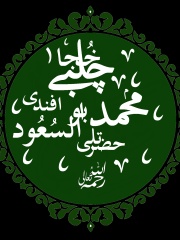
Ebussuud Efendi
1490 - 1574
HPI: 63.89
Miejsce: 1,416
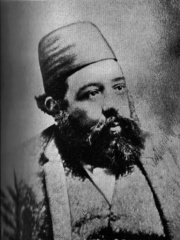
Aga Khan II
1830 - 1885
HPI: 63.88
Miejsce: 1,417
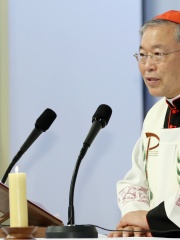
Andrew Yeom Soo-jung
1943 - obecnie
HPI: 63.88
Miejsce: 1,418
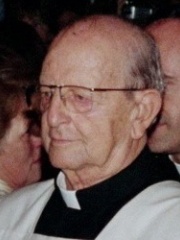
Marcial Maciel
1920 - 2008
HPI: 63.87
Miejsce: 1,419

Shaohao
HPI: 63.86
Miejsce: 1,420
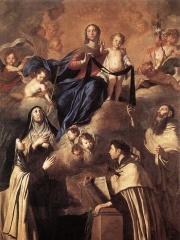
Simon Stock
1164 - 1265
HPI: 63.85
Miejsce: 1,421
Philippe Barbarin
1950 - obecnie
HPI: 63.85
Miejsce: 1,422
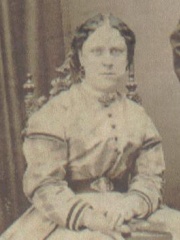
Annie Chapman
1841 - 1888
HPI: 63.85
Miejsce: 1,423
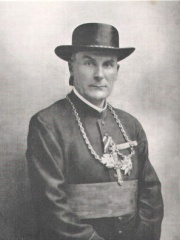
Michael von Faulhaber
1869 - 1952
HPI: 63.82
Miejsce: 1,424
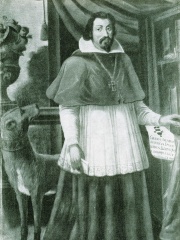
Charles of Austria, Bishop of Wroclaw
1590 - 1624
HPI: 63.81
Miejsce: 1,425
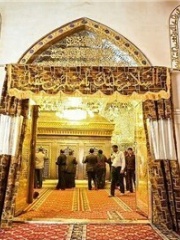
Muslim ibn Aqil
650 - 680
HPI: 63.81
Miejsce: 1,426

Yohanan ben Zakkai
50 - 70
HPI: 63.81
Miejsce: 1,427
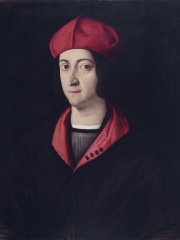
Ippolito d'Este
1479 - 1520
HPI: 63.80
Miejsce: 1,428

Współcześni
Wśród osób urodzonych w 1950 roku Philippe Barbarin zajmuje 127. miejsce. Przed nim są Jeffery Deaver, Genesis P-Orridge, Rick Baker, Charles, Prince Napoléon, Yuki Fushimi, i Martin Short. Po nim są Arthur D. Levinson, Ueli Maurer, Marius Trésor, Bobby McFerrin, Mory Kanté, i Ali Zeidan.
Inne osoby urodzone w 1950 roku
Zobacz wszystkie rankingi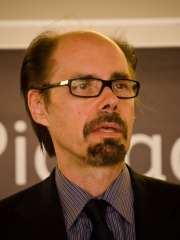
Jeffery Deaver
WRITER
1950 - obecnie
HPI: 64.06
Miejsce: 121
Genesis P-Orridge
SINGER
1950 - 2020
HPI: 64.04
Miejsce: 122
Rick Baker
ACTOR
1950 - obecnie
HPI: 63.96
Miejsce: 123
Charles, Prince Napoléon
POLITICIAN
1950 - obecnie
HPI: 63.95
Miejsce: 124

Yuki Fushimi
SOCCER PLAYER
1950 - obecnie
HPI: 63.87
Miejsce: 125
Martin Short
ACTOR
1950 - obecnie
HPI: 63.85
Miejsce: 126
Philippe Barbarin
RELIGIOUS FIGURE
1950 - obecnie
HPI: 63.85
Miejsce: 127

Arthur D. Levinson
BUSINESSPERSON
1950 - obecnie
HPI: 63.77
Miejsce: 128
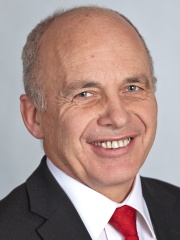
Ueli Maurer
POLITICIAN
1950 - obecnie
HPI: 63.77
Miejsce: 129
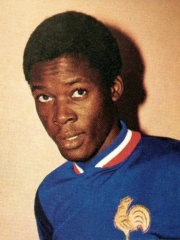
Marius Trésor
SOCCER PLAYER
1950 - obecnie
HPI: 63.67
Miejsce: 130
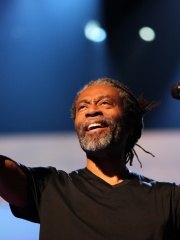
Bobby McFerrin
MUSICIAN
1950 - obecnie
HPI: 63.59
Miejsce: 131
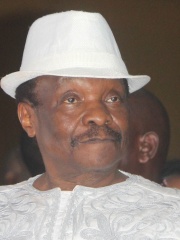
Mory Kanté
SINGER
1950 - 2020
HPI: 63.52
Miejsce: 132
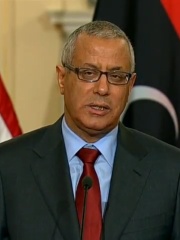
Ali Zeidan
POLITICIAN
1950 - obecnie
HPI: 63.50
Miejsce: 133
W kraju Maroko
Wśród osób urodzonych w kraju Maroko Philippe Barbarin zajmuje 42. miejsce na 341. Przed nim są Sayyida al Hurra (1485), Ahmad al-Badawi (1199), Mohamed Choukri (1935), Mohammed ben Abdallah (1710), Lalla Latifa Amahzoune (1946), i Abd al-Rahman of Morocco (1779). Po nim są Ahmed Faras (1946), Muhammad IV of Morocco (1803), Christian de Portzamparc (1944), Mordechai Vanunu (1954), Abbas El Fassi (1940), i Abu Marwan Abd al-Malik I Saadi (1541).
Inne osoby urodzone w kraju Maroko
Zobacz wszystkie rankingi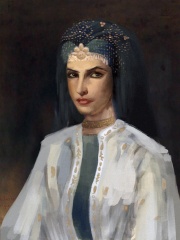
Sayyida al Hurra
POLITICIAN
1485 - 1542
HPI: 64.88
Miejsce: 36
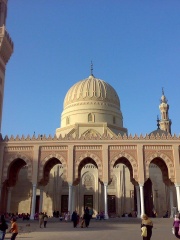
Ahmad al-Badawi
RELIGIOUS FIGURE
1199 - 1276
HPI: 64.63
Miejsce: 37
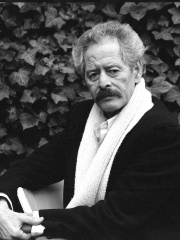
Mohamed Choukri
WRITER
1935 - 2003
HPI: 64.39
Miejsce: 38
Mohammed ben Abdallah
POLITICIAN
1710 - 1790
HPI: 64.21
Miejsce: 39

Lalla Latifa Amahzoune
NOBLEMAN
1946 - 2024
HPI: 64.12
Miejsce: 40
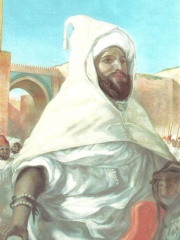
Abd al-Rahman of Morocco
POLITICIAN
1779 - 1859
HPI: 64.09
Miejsce: 41
Philippe Barbarin
RELIGIOUS FIGURE
1950 - obecnie
HPI: 63.85
Miejsce: 42
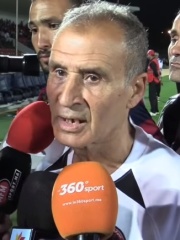
Ahmed Faras
SOCCER PLAYER
1946 - 2025
HPI: 63.73
Miejsce: 43
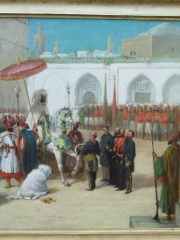
Muhammad IV of Morocco
POLITICIAN
1803 - 1873
HPI: 63.63
Miejsce: 44

Christian de Portzamparc
ARCHITECT
1944 - obecnie
HPI: 63.61
Miejsce: 45
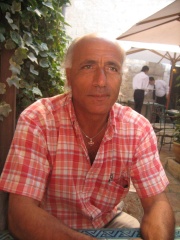
Mordechai Vanunu
SOCIAL ACTIVIST
1954 - obecnie
HPI: 63.57
Miejsce: 46
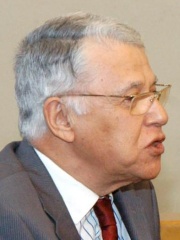
Abbas El Fassi
POLITICIAN
1940 - obecnie
HPI: 63.41
Miejsce: 47
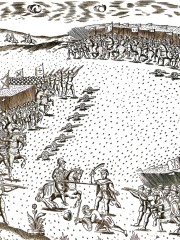
Abu Marwan Abd al-Malik I Saadi
POLITICIAN
1541 - 1578
HPI: 63.33
Miejsce: 48
Wśród przedstawicieli zawodu Postać religijna w kraju Maroko
Wśród przedstawicieli zawodu „Postać religijna” urodzonych w kraju Maroko Philippe Barbarin zajmuje 4. miejsce. Przed nim są Dominique Mamberti (1952), Zeno of Verona (300), i Ahmad al-Badawi (1199). Po nim są Al-Shadhili (1197), i Baba Sali (1889).
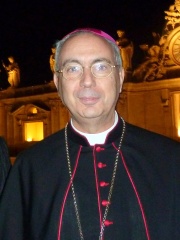
Dominique Mamberti
1952 - obecnie
HPI: 70.70
Miejsce: 1
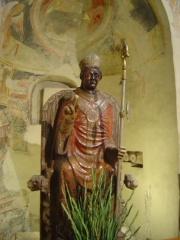
Zeno of Verona
300 - 371
HPI: 67.99
Miejsce: 2
Ahmad al-Badawi
1199 - 1276
HPI: 64.63
Miejsce: 3
Philippe Barbarin
1950 - obecnie
HPI: 63.85
Miejsce: 4
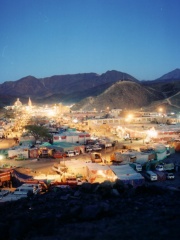
Al-Shadhili
1197 - 1258
HPI: 62.99
Miejsce: 5
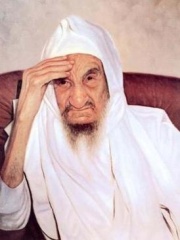
Baba Sali
1889 - 1984
HPI: 60.62
Miejsce: 6




