Politico
Barkiyaruq
1081 - 1104
IT.WIKIPEDIA PAGE VIEWS (PV)
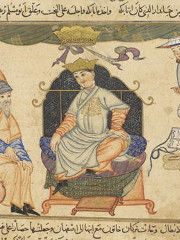
 Barkiyaruq
La sua biografia è disponibile in 33 lingue su Wikipedia (in aumento rispetto a 28 nel 2024). Barkiyaruq è il 2612° politico più popolare (in calo dal 2135° nel 2024), la 90ª biografia più popolare dell'Iran e il 47° politico più popolare dell'Iran.
Memorability Metrics
84k
Page Views
Past 12 months
70.56
HPI
Historical Popularity Index
Page views of Barkiyaruq by language
Among Politicos
Among politicos, Barkiyaruq ranks 2,611 out of 19,576. Before him are Stephen III of Hungary, Agnes of France, Byzantine Empress, Gian Galeazzo Visconti, Emperor Jing of Han, Mauno Koivisto, and Sigurd Ring. After him are Jeroboam II, Louis, Prince of Condé, Phalaris, Yazid II, Maria Amalia of Naples and Sicily, and Vasily I of Moscow.
Most Popular Politicos in Wikipedia
Go to all Rankings
Stephen III of Hungary
1147 - 1172
HPI: 70.57
Rank: 2,606
Agnes of France, Byzantine Empress
1171 - 1220
HPI: 70.57
Rank: 2,607
Gian Galeazzo Visconti
1351 - 1402
HPI: 70.57
Rank: 2,608

Emperor Jing of Han
188 BC - 141 BC
HPI: 70.57
Rank: 2,609

Mauno Koivisto
1923 - 2017
HPI: 70.57
Rank: 2,610
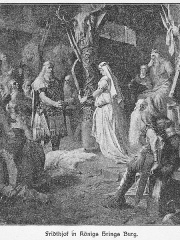
Sigurd Ring
800 - Present
HPI: 70.56
Rank: 2,611
Barkiyaruq
1081 - 1104
HPI: 70.56
Rank: 2,612
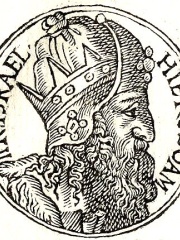
Jeroboam II
850 BC - 742 BC
HPI: 70.56
Rank: 2,613
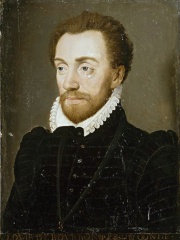
Louis, Prince of Condé
1530 - 1569
HPI: 70.56
Rank: 2,614
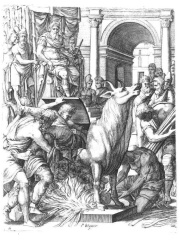
Phalaris
700 BC - 600 BC
HPI: 70.56
Rank: 2,615
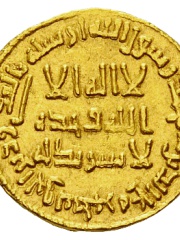
Yazid II
687 - 724
HPI: 70.55
Rank: 2,616
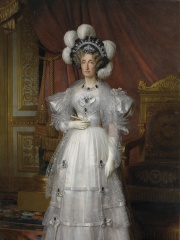
Maria Amalia of Naples and Sicily
1782 - 1866
HPI: 70.55
Rank: 2,617
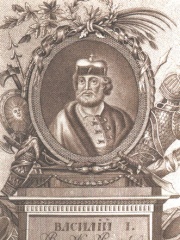
Vasily I of Moscow
1371 - 1425
HPI: 70.55
Rank: 2,618

Contemporaries
Among people born in 1081, Barkiyaruq ranks 2. Before him is Louis VI of France. After him are Urraca of León, William, Count of Luxembourg, Elvira of Castile, Countess of Toulouse, and Conrad I, Count of Württemberg. Among people deceased in 1104, Barkiyaruq ranks 1. After him are Duqaq, Peter I of Aragon and Pamplona, and Danishmend Gazi.
Others Born in 1081
Go to all Rankings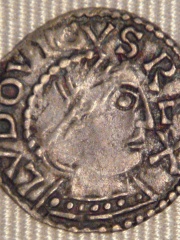
Louis VI of France
POLITICIAN
1081 - 1137
HPI: 77.61
Rank: 1
Barkiyaruq
POLITICIAN
1081 - 1104
HPI: 70.56
Rank: 2
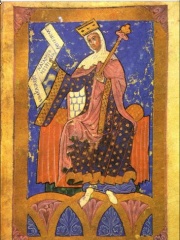
Urraca of León
POLITICIAN
1081 - 1126
HPI: 68.73
Rank: 3
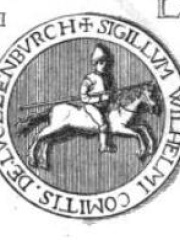
William, Count of Luxembourg
NOBLEMAN
1081 - 1131
HPI: 61.76
Rank: 4

Elvira of Castile, Countess of Toulouse
POLITICIAN
1081 - 1151
HPI: 59.54
Rank: 5
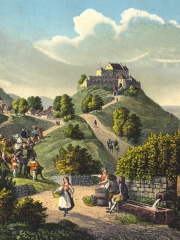
Conrad I, Count of Württemberg
POLITICIAN
1081 - 1110
HPI: 59.52
Rank: 6
Others Deceased in 1104
Go to all RankingsBarkiyaruq
POLITICIAN
1081 - 1104
HPI: 70.56
Rank: 1
Duqaq
POLITICIAN
1100 - 1104
HPI: 69.36
Rank: 2
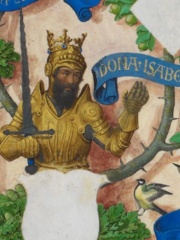
Peter I of Aragon and Pamplona
POLITICIAN
1068 - 1104
HPI: 64.92
Rank: 3
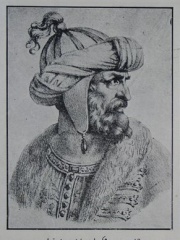
Danishmend Gazi
POLITICIAN
1100 - 1104
HPI: 62.18
Rank: 4
In Iran
Among people born in Iran, Barkiyaruq ranks 90 out of NaN. Before him are Miskawayh (932), Abdullah al-Mahdi Billah (873), Magtymguly Pyragy (1733), Ismail II (1533), Abbas II of Persia (1633), and Abu Sa'id Bahadur Khan (1305). After him are Mithridates I of Parthia (-195), Yazdegerd I (400), Gaykhatu (1300), Mazdak (450), Ali al-Sistani (1930), and Bahram V (406).
Others born in Iran
Go to all Rankings
Miskawayh
PHILOSOPHER
932 - 1030
HPI: 70.88
Rank: 84
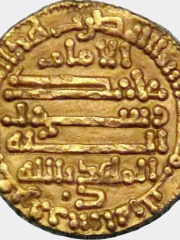
Abdullah al-Mahdi Billah
POLITICIAN
873 - 934
HPI: 70.87
Rank: 85
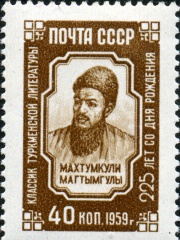
Magtymguly Pyragy
WRITER
1733 - 1807
HPI: 70.86
Rank: 86
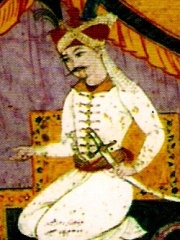
Ismail II
POLITICIAN
1533 - 1577
HPI: 70.82
Rank: 87
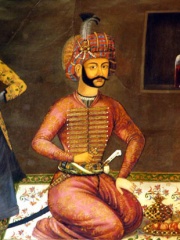
Abbas II of Persia
POLITICIAN
1633 - 1666
HPI: 70.72
Rank: 88
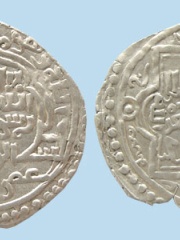
Abu Sa'id Bahadur Khan
POLITICIAN
1305 - 1335
HPI: 70.59
Rank: 89
Barkiyaruq
POLITICIAN
1081 - 1104
HPI: 70.56
Rank: 90
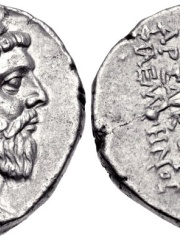
Mithridates I of Parthia
POLITICIAN
195 BC - 132 BC
HPI: 70.43
Rank: 91
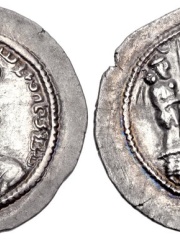
Yazdegerd I
POLITICIAN
400 - 421
HPI: 70.40
Rank: 92
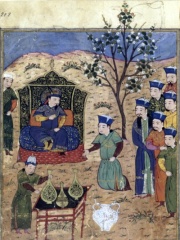
Gaykhatu
POLITICIAN
1300 - 1295
HPI: 70.32
Rank: 93
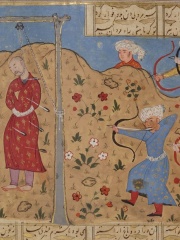
Mazdak
PHILOSOPHER
450 - 529
HPI: 70.30
Rank: 94
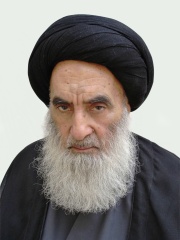
Ali al-Sistani
POLITICIAN
1930 - Present
HPI: 70.22
Rank: 95
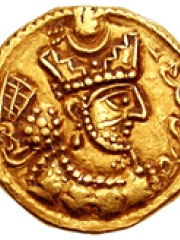
Bahram V
POLITICIAN
406 - 438
HPI: 70.21
Rank: 96
Among Politicos In Iran
Among politicos born in Iran, Barkiyaruq ranks 47. Before him are Mohammad Khatami (1943), Al-Hadi (764), Abdullah al-Mahdi Billah (873), Ismail II (1533), Abbas II of Persia (1633), and Abu Sa'id Bahadur Khan (1305). After him are Mithridates I of Parthia (-195), Yazdegerd I (400), Gaykhatu (1300), Ali al-Sistani (1930), Bahram V (406), and Naser al-Din Shah Qajar (1831).
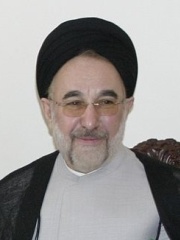
Mohammad Khatami
1943 - Present
HPI: 71.09
Rank: 41
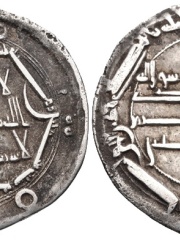
Al-Hadi
764 - 786
HPI: 71.01
Rank: 42
Abdullah al-Mahdi Billah
873 - 934
HPI: 70.87
Rank: 43
Ismail II
1533 - 1577
HPI: 70.82
Rank: 44
Abbas II of Persia
1633 - 1666
HPI: 70.72
Rank: 45
Abu Sa'id Bahadur Khan
1305 - 1335
HPI: 70.59
Rank: 46
Barkiyaruq
1081 - 1104
HPI: 70.56
Rank: 47
Mithridates I of Parthia
195 BC - 132 BC
HPI: 70.43
Rank: 48
Yazdegerd I
400 - 421
HPI: 70.40
Rank: 49
Gaykhatu
1300 - 1295
HPI: 70.32
Rank: 50
Ali al-Sistani
1930 - Present
HPI: 70.22
Rank: 51
Bahram V
406 - 438
HPI: 70.21
Rank: 52
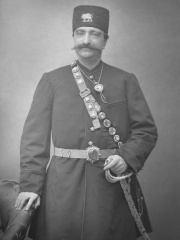
Naser al-Din Shah Qajar
1831 - 1896
HPI: 70.18
Rank: 53




