Politikus
Mahmúd gaznavida szultán
971 - 1030
HU.WIKIPEDIA PAGE VIEWS (PV)
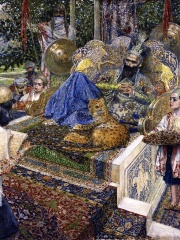
 Mahmúd gaznavida szultán
Életrajza 60 különböző nyelven érhető el a Wikipédián (növekedés 58-ről 2024-ben). Mahmúd gaznavida szultán a 348th legnépszerűbb politikus (növekedés a 1,184th-ről 2024-ben), a 3rd legnépszerűbb életrajz Afganisztán országából (növekedés a 8th-ről 2019-ben) és a legnépszerűbb Afganisztánból politikus.
Memorability Metrics
460k
Page Views
Past 12 months
80.67
HPI
Historical Popularity Index
Page views of Mahmúd gaznavida szultán by language
Among Politikuses
Among politikuses, Mahmúd gaznavida szultán ranks 348 out of 19,576. Before him are Martin Bormann, Odoacer, Vajiralongkorn, Nicholas I of Russia, Theodore Roosevelt, and Henry IV, Holy Roman Emperor. After him are Marcus Claudius Tacitus, Empress Dowager Cixi, Mohammed bin Rashid Al Maktoum, Lycurgus of Sparta, Alexander I of Russia, and Zoë Porphyrogenita.
Most Popular Politikuses in Wikipedia
Go to all Rankings
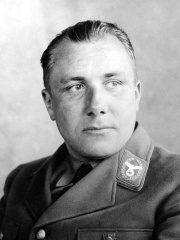
Martin Bormann
1900 - 1945
HPI: 80.75
Rank: 342
Odoacer
433 - 493
HPI: 80.74
Rank: 343
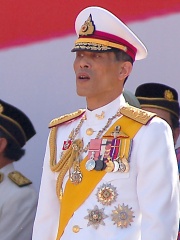
Vajiralongkorn
1952 - Present
HPI: 80.73
Rank: 344
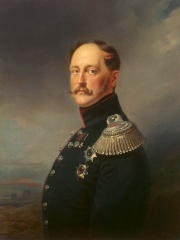
Nicholas I of Russia
1796 - 1855
HPI: 80.72
Rank: 345

Theodore Roosevelt
1858 - 1919
HPI: 80.67
Rank: 346
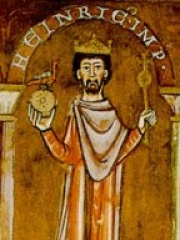
Henry IV, Holy Roman Emperor
1050 - 1106
HPI: 80.67
Rank: 347
Mahmud of Ghazni
971 - 1030
HPI: 80.67
Rank: 348
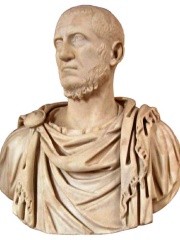
Marcus Claudius Tacitus
200 - 276
HPI: 80.67
Rank: 349
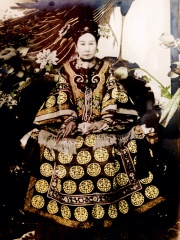
Empress Dowager Cixi
1835 - 1908
HPI: 80.65
Rank: 350
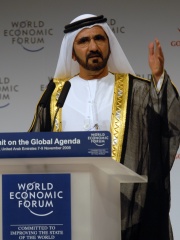
Mohammed bin Rashid Al Maktoum
1949 - Present
HPI: 80.63
Rank: 351

Lycurgus of Sparta
800 BC - 730 BC
HPI: 80.63
Rank: 352
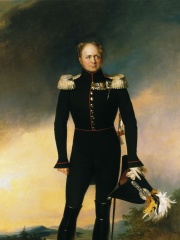
Alexander I of Russia
1777 - 1825
HPI: 80.62
Rank: 353
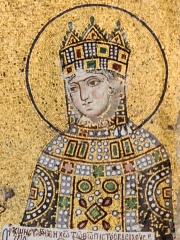
Zoë Porphyrogenita
978 - 1050
HPI: 80.62
Rank: 354

Contemporaries
Among people born in 971, Mahmúd gaznavida szultán ranks 1. After him are Rudolph III of Burgundy, Abbot Oliba, Henry of Speyer, Constantine III of Scotland, and Kushyar Gilani. Among people deceased in 1030, Mahmúd gaznavida szultán ranks 2. Before him is Olaf II of Norway. After him are Miskawayh, William V, Duke of Aquitaine, Adalberon, Ernest II, Duke of Swabia, and Krešimir III of Croatia.
Others Born in 971
Go to all RankingsMahmud of Ghazni
POLITICIAN
971 - 1030
HPI: 80.67
Rank: 1
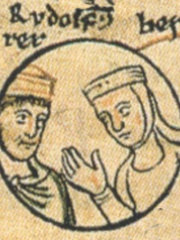
Rudolph III of Burgundy
POLITICIAN
971 - 1032
HPI: 66.66
Rank: 2
Abbot Oliba
WRITER
971 - 1046
HPI: 63.84
Rank: 3
Henry of Speyer
POLITICIAN
971 - 1000
HPI: 62.84
Rank: 4
Constantine III of Scotland
POLITICIAN
971 - 997
HPI: 60.95
Rank: 5

Kushyar Gilani
MATHEMATICIAN
971 - 1029
HPI: 58.56
Rank: 6
Others Deceased in 1030
Go to all Rankings
Olaf II of Norway
POLITICIAN
993 - 1030
HPI: 81.52
Rank: 1
Mahmud of Ghazni
POLITICIAN
971 - 1030
HPI: 80.67
Rank: 2

Miskawayh
PHILOSOPHER
932 - 1030
HPI: 70.88
Rank: 3

William V, Duke of Aquitaine
POLITICIAN
969 - 1030
HPI: 64.98
Rank: 4

Adalberon
WRITER
947 - 1030
HPI: 64.14
Rank: 5
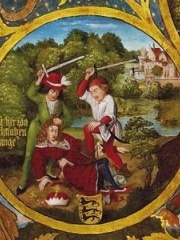
Ernest II, Duke of Swabia
POLITICIAN
1010 - 1030
HPI: 59.80
Rank: 6

Krešimir III of Croatia
POLITICIAN
950 - 1030
HPI: 57.34
Rank: 7
In Afganisztán
Among people born in Afganisztán, Mahmúd gaznavida szultán ranks 3 out of NaN. Before him are Rumi (1207), and Al-Farabi (872). After him are Ashraf Ghani (1949), Roxana (-347), Ahmad Shah Durrani (1722), Abbas the Great (1571), Mohammed Zahir Shah (1914), Hamid Karzai (1957), Amanullah Khan (1892), Hasan Akhund (1945), and Burhanuddin Rabbani (1940).
Others born in Afganisztán
Go to all Rankings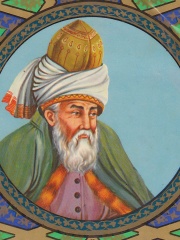
Rumi
WRITER
1207 - 1273
HPI: 86.64
Rank: 1
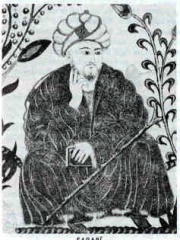
Al-Farabi
PHILOSOPHER
872 - 951
HPI: 84.23
Rank: 2
Mahmud of Ghazni
POLITICIAN
971 - 1030
HPI: 80.67
Rank: 3
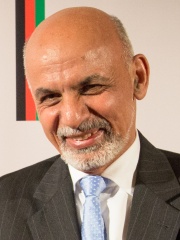
Ashraf Ghani
POLITICIAN
1949 - Present
HPI: 78.69
Rank: 4

Roxana
COMPANION
347 BC - 310 BC
HPI: 78.55
Rank: 5
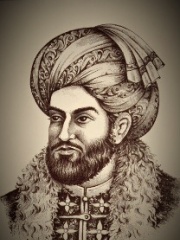
Ahmad Shah Durrani
POLITICIAN
1722 - 1772
HPI: 78.09
Rank: 6
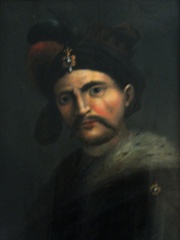
Abbas the Great
POLITICIAN
1571 - 1629
HPI: 77.08
Rank: 7
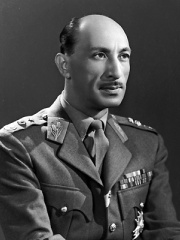
Mohammed Zahir Shah
POLITICIAN
1914 - 2007
HPI: 76.65
Rank: 8
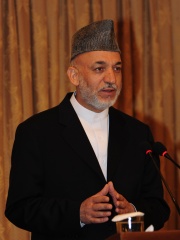
Hamid Karzai
POLITICIAN
1957 - Present
HPI: 76.45
Rank: 9
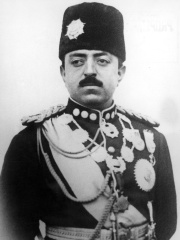
Amanullah Khan
POLITICIAN
1892 - 1960
HPI: 75.51
Rank: 10
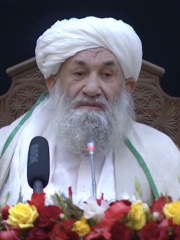
Hasan Akhund
POLITICIAN
1945 - Present
HPI: 75.51
Rank: 11
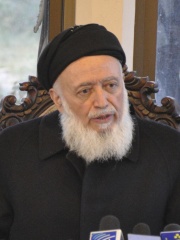
Burhanuddin Rabbani
POLITICIAN
1940 - 2011
HPI: 75.48
Rank: 12
Among Politikuses In Afganisztán
Among politikuses born in Afganisztán, Mahmúd gaznavida szultán ranks 1. After him are Ashraf Ghani (1949), Ahmad Shah Durrani (1722), Abbas the Great (1571), Mohammed Zahir Shah (1914), Hamid Karzai (1957), Amanullah Khan (1892), Hasan Akhund (1945), Burhanuddin Rabbani (1940), Mohammed Daoud Khan (1909), Mohammad Najibullah (1947), and Ahmad Shah Massoud (1953).
Mahmud of Ghazni
971 - 1030
HPI: 80.67
Rank: 1
Ashraf Ghani
1949 - Present
HPI: 78.69
Rank: 2
Ahmad Shah Durrani
1722 - 1772
HPI: 78.09
Rank: 3
Abbas the Great
1571 - 1629
HPI: 77.08
Rank: 4
Mohammed Zahir Shah
1914 - 2007
HPI: 76.65
Rank: 5
Hamid Karzai
1957 - Present
HPI: 76.45
Rank: 6
Amanullah Khan
1892 - 1960
HPI: 75.51
Rank: 7
Hasan Akhund
1945 - Present
HPI: 75.51
Rank: 8
Burhanuddin Rabbani
1940 - 2011
HPI: 75.48
Rank: 9
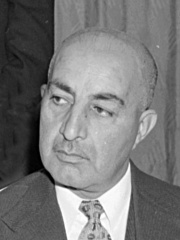
Mohammed Daoud Khan
1909 - 1978
HPI: 75.36
Rank: 10
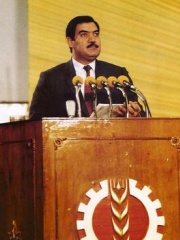
Mohammad Najibullah
1947 - 1996
HPI: 75.28
Rank: 11
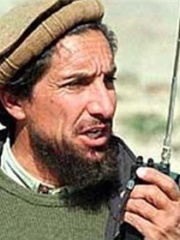
Ahmad Shah Massoud
1953 - 2001
HPI: 75.21
Rank: 12




