سياسي
Ghiyath al-Din Muhammad
1139 - 1202
AR.WIKIPEDIA PAGE VIEWS (PV)
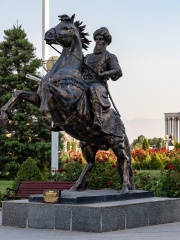
 Ghiyath al-Din Muhammad
سيرته الذاتية متاحة بـ17 لغة مختلفة على ويكيبيديا (زيادة من 15 في 2024). يحتل Ghiyath al-Din Muhammad المرتبة 11,790 بين أكثر سياسي شعبيةً (تقدمًا من 12,028 في 2024)، والمرتبة 100 بين أكثر السير الذاتية شعبيةً في أفغانستان (تراجعًا من 91 في 2019)، كما يحتل المرتبة 69 بين أكثر سياسي من أفغانستان شعبيةً.
Memorability Metrics
32k
Page Views
Past 12 months
59.55
HPI
Historical Popularity Index
Page views of Ghiyath al-Din Muhammad by language
Among سياسي
Among سياسي, Ghiyath al-Din Muhammad ranks 11,784 out of 19,576. Before him are Zhang Gaoli, Alessandro Fortis, Manlia Scantilla, Hristo Lukov, Karl Kaufmann, and René Nicolas Charles Augustin de Maupeou. After him are Abe no Hirafu, Ali Akbar Velayati, Egon Klepsch, Elvira of Castile, Countess of Toulouse, Edward Stafford, 3rd Duke of Buckingham, and Sextus Aelius Paetus Catus.
Most Popular سياسي in Wikipedia
Go to all Rankings

Zhang Gaoli
1946 - Present
HPI: 59.55
Rank: 11,784
Alessandro Fortis
1842 - 1909
HPI: 59.55
Rank: 11,785
Manlia Scantilla
200 - 193
HPI: 59.55
Rank: 11,786
Hristo Lukov
1887 - 1943
HPI: 59.55
Rank: 11,787
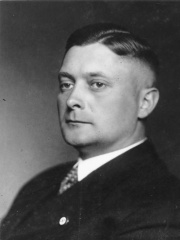
Karl Kaufmann
1900 - 1969
HPI: 59.55
Rank: 11,788
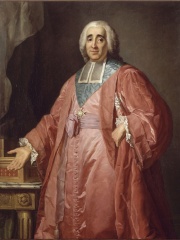
René Nicolas Charles Augustin de Maupeou
1714 - 1792
HPI: 59.55
Rank: 11,789
Ghiyath al-Din Muhammad
1139 - 1202
HPI: 59.55
Rank: 11,790

Abe no Hirafu
575 - 664
HPI: 59.55
Rank: 11,791
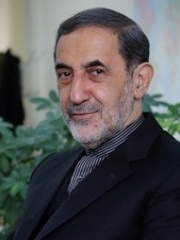
Ali Akbar Velayati
1945 - Present
HPI: 59.54
Rank: 11,792
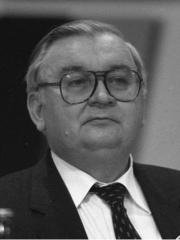
Egon Klepsch
1930 - 2010
HPI: 59.54
Rank: 11,793

Elvira of Castile, Countess of Toulouse
1081 - 1151
HPI: 59.54
Rank: 11,794
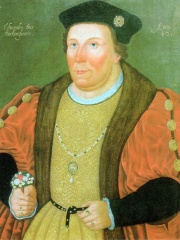
Edward Stafford, 3rd Duke of Buckingham
1478 - 1521
HPI: 59.54
Rank: 11,795

Sextus Aelius Paetus Catus
300 BC - 200 BC
HPI: 59.54
Rank: 11,796

Contemporaries
Among people born in 1139, Ghiyath al-Din Muhammad ranks 2. Before him is Emperor Konoe. Among people deceased in 1202, Ghiyath al-Din Muhammad ranks 9. Before him are Sverre of Norway, Alain de Lille, Mieszko III the Old, Myeongjong of Goryeo, Birger Brosa, and William of the White Hands. After him are Gaucelm Faidit, Blondel de Nesle, and Inge Magnusson.
Others Born in 1139
Go to all Rankings
Emperor Konoe
POLITICIAN
1139 - 1155
HPI: 64.32
Rank: 1
Ghiyath al-Din Muhammad
POLITICIAN
1139 - 1202
HPI: 59.55
Rank: 2
Others Deceased in 1202
Go to all Rankings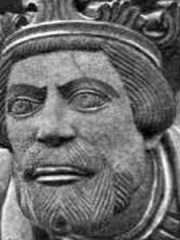
Sverre of Norway
POLITICIAN
1145 - 1202
HPI: 67.88
Rank: 3
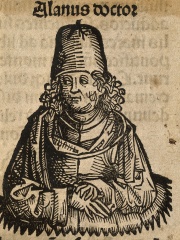
Alain de Lille
PHILOSOPHER
1117 - 1202
HPI: 67.19
Rank: 4
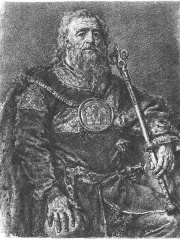
Mieszko III the Old
POLITICIAN
1126 - 1202
HPI: 63.89
Rank: 5

Myeongjong of Goryeo
POLITICIAN
1131 - 1202
HPI: 63.68
Rank: 6
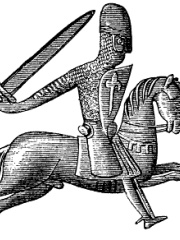
Birger Brosa
POLITICIAN
1200 - 1202
HPI: 60.86
Rank: 7
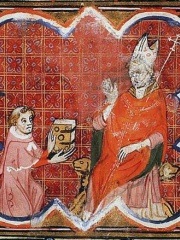
William of the White Hands
RELIGIOUS FIGURE
1135 - 1202
HPI: 59.67
Rank: 8
Ghiyath al-Din Muhammad
POLITICIAN
1139 - 1202
HPI: 59.55
Rank: 9
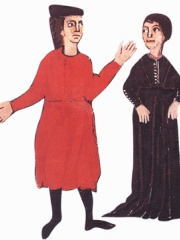
Gaucelm Faidit
NOBLEMAN
1170 - 1202
HPI: 58.97
Rank: 10

Blondel de Nesle
SINGER
1155 - 1202
HPI: 57.75
Rank: 11
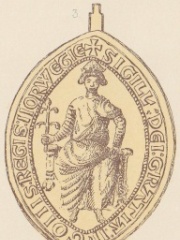
Inge Magnusson
POLITICIAN
1185 - 1202
HPI: 54.28
Rank: 12
In أفغانستان
Among people born in أفغانستان, Ghiyath al-Din Muhammad ranks 100 out of NaN. Before him are Abdul Ali Mazari (1946), Ashraf Hotak (1700), Mawdud of Ghazni (1012), Mahmud Tarzi (1865), Mohammad Yaqub Khan (1849), and Ibrahim al-Nazzam (760). After him are Rabia Balkhi (1000), Suhail Shaheen (null), Mohammed Fahim (1957), Afghan Girl (1972), Qabus (1000), and Farrukhi Sistani (980).
Others born in أفغانستان
Go to all Rankings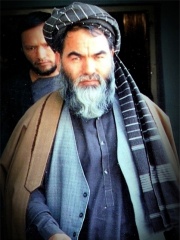
Abdul Ali Mazari
POLITICIAN
1946 - 1995
HPI: 60.41
Rank: 94
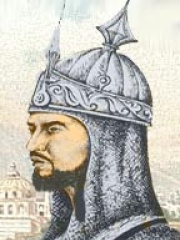
Ashraf Hotak
POLITICIAN
1700 - 1730
HPI: 60.32
Rank: 95
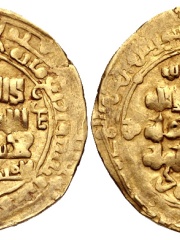
Mawdud of Ghazni
POLITICIAN
1012 - Present
HPI: 60.13
Rank: 96
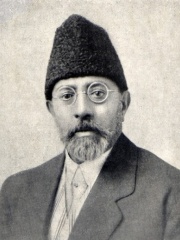
Mahmud Tarzi
POLITICIAN
1865 - 1933
HPI: 60.08
Rank: 97
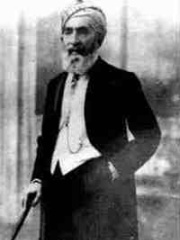
Mohammad Yaqub Khan
POLITICIAN
1849 - 1923
HPI: 60.06
Rank: 98

Ibrahim al-Nazzam
PHILOSOPHER
760 - 835
HPI: 59.64
Rank: 99
Ghiyath al-Din Muhammad
POLITICIAN
1139 - 1202
HPI: 59.55
Rank: 100

Rabia Balkhi
WRITER
1000 - Present
HPI: 59.32
Rank: 101
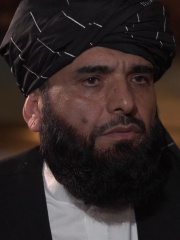
Suhail Shaheen
POLITICIAN
HPI: 59.15
Rank: 102
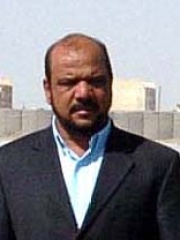
Mohammed Fahim
POLITICIAN
1957 - 2014
HPI: 59.13
Rank: 103

Afghan Girl
CELEBRITY
1972 - Present
HPI: 58.85
Rank: 104
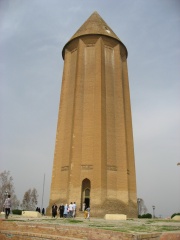
Qabus
POLITICIAN
1000 - 1012
HPI: 58.64
Rank: 105
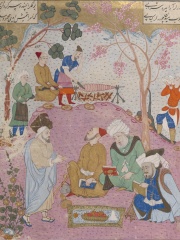
Farrukhi Sistani
WRITER
980 - 1037
HPI: 58.50
Rank: 106
Among سياسي In أفغانستان
Among سياسي born in أفغانستان, Ghiyath al-Din Muhammad ranks 69. Before him are Agathokleia (-200), Abdul Ali Mazari (1946), Ashraf Hotak (1700), Mawdud of Ghazni (1012), Mahmud Tarzi (1865), and Mohammad Yaqub Khan (1849). After him are Suhail Shaheen (null), Mohammed Fahim (1957), Qabus (1000), Abdul Kabir (1958), Mohammad Afzal Khan (1811), and Zalmay Khalilzad (1951).
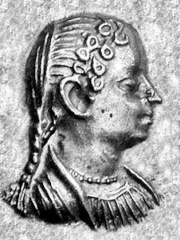
Agathokleia
200 BC - 160 BC
HPI: 60.64
Rank: 63
Abdul Ali Mazari
1946 - 1995
HPI: 60.41
Rank: 64
Ashraf Hotak
1700 - 1730
HPI: 60.32
Rank: 65
Mawdud of Ghazni
1012 - Present
HPI: 60.13
Rank: 66
Mahmud Tarzi
1865 - 1933
HPI: 60.08
Rank: 67
Mohammad Yaqub Khan
1849 - 1923
HPI: 60.06
Rank: 68
Ghiyath al-Din Muhammad
1139 - 1202
HPI: 59.55
Rank: 69
Suhail Shaheen
HPI: 59.15
Rank: 70
Mohammed Fahim
1957 - 2014
HPI: 59.13
Rank: 71
Qabus
1000 - 1012
HPI: 58.64
Rank: 72
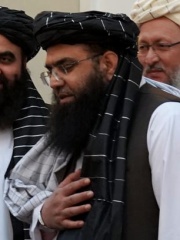
Abdul Kabir
1958 - Present
HPI: 58.40
Rank: 73
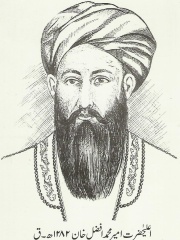
Mohammad Afzal Khan
1811 - 1867
HPI: 58.25
Rank: 74
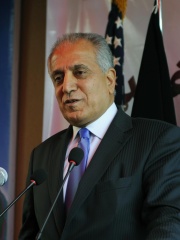
Zalmay Khalilzad
1951 - Present
HPI: 57.94
Rank: 75




