Matemático
Luca Pacioli
1445 - 1517
VISUALIZAÇÕES EM PT.WIKIPEDIA (PV)
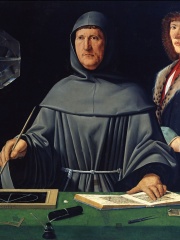
 Luca Pacioli
Sua biografia está disponível em 60 idiomas na Wikipédia (aumento em relação a 59 em 2024). Luca Pacioli é o 33º matemático mais popular (caiu do 23º em 2024), a 236ª biografia mais popular da Itália (caiu do 141ª em 2019) e o 5º matemático mais popular da Itália.
Métricas de memorabilidade
240k
Visualizações
Últimos 12 meses
79.39
HPI
Índice de Popularidade Histórica
Destaques dos dados
#33 / 1,010
Luca Pacioli ocupa a posição nº 33 entre 1,010 Matemático no mundo, entre os 4% melhores da profissão.
60
A biografia de Luca Pacioli aparece em 60 edições de idiomas da Wikipédia, mais do que 92% de todos os Matemático.
Visualizações da página de Luca Pacioli por idioma
Entre Matemático
Entre Matemático, Luca Pacioli ocupa a posição 33 de 1,010. Antes dele vêm John von Neumann, Srinivasa Ramanujan, Diophantus, Gerolamo Cardano, François Viète, e Kurt Gödel. Depois dele vêm Niels Henrik Abel, Brahmagupta, Pope Sylvester II, Georg Cantor, Apollonius of Perga, e Augustin-Louis Cauchy.
Matemático mais populares na Wikipédia
Ver todas as classificações

John von Neumann
1903 - 1957
HPI: 79.93
Posição: 27
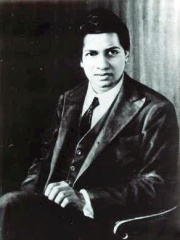
Srinivasa Ramanujan
1887 - 1920
HPI: 79.85
Posição: 28
Diophantus
201 - 300
HPI: 79.85
Posição: 29
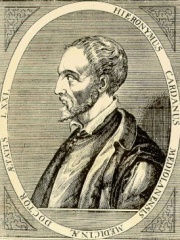
Gerolamo Cardano
1501 - 1576
HPI: 79.79
Posição: 30
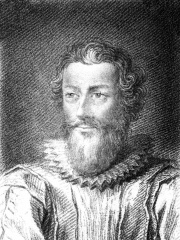
François Viète
1540 - 1603
HPI: 79.70
Posição: 31
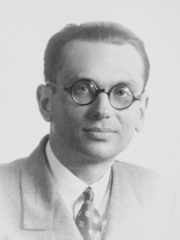
Kurt Gödel
1906 - 1978
HPI: 79.53
Posição: 32
Luca Pacioli
1445 - 1517
HPI: 79.39
Posição: 33
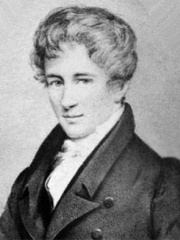
Niels Henrik Abel
1802 - 1829
HPI: 79.17
Posição: 34
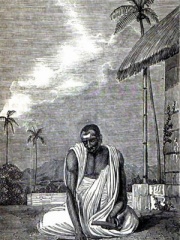
Brahmagupta
598 - 670
HPI: 78.74
Posição: 35
Pope Sylvester II
938 - 1003
HPI: 78.50
Posição: 36
Georg Cantor
1845 - 1918
HPI: 78.44
Posição: 37
Apollonius of Perga
262 BC - 190 BC
HPI: 78.39
Posição: 38
Augustin-Louis Cauchy
1789 - 1857
HPI: 78.11
Posição: 39

Contemporâneos
Entre as pessoas nascidas em 1445, Luca Pacioli ocupa a posição 2. Antes dele vem Sandro Botticelli. Depois dele vêm Meñli I Giray, Al-Suyuti, Giuliano da Sangallo, Alvise Vivarini, Eberhard I, Duke of Württemberg, e Johann Geiler von Kaysersberg. Entre as pessoas falecidas em 1517, Luca Pacioli ocupa a posição 1. Depois dele vêm Maria of Aragon, Queen of Portugal, Fra Bartolomeo, Catherine of Navarre, Francisco Jiménez de Cisneros, Dayan Khan, Hersekzade Ahmed Pasha, Francisco Hernández de Córdoba, Gioffre Borgia, Heinrich Isaac, Cima da Conegliano, e Tuman bay II.
Outras pessoas nascidas em 1445
Ver todas as classificações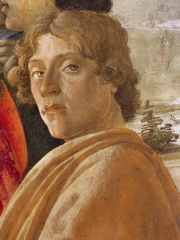
Sandro Botticelli
PAINTER
1445 - 1510
HPI: 87.24
Posição: 1
Luca Pacioli
MATHEMATICIAN
1445 - 1517
HPI: 79.39
Posição: 2
Meñli I Giray
POLITICIAN
1445 - 1515
HPI: 72.48
Posição: 3

Al-Suyuti
RELIGIOUS FIGURE
1445 - 1505
HPI: 70.22
Posição: 4
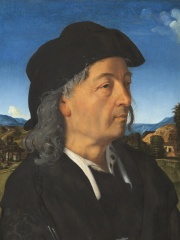
Giuliano da Sangallo
ARCHITECT
1445 - 1516
HPI: 69.04
Posição: 5
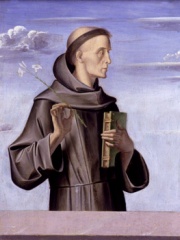
Alvise Vivarini
PAINTER
1445 - 1504
HPI: 63.45
Posição: 6
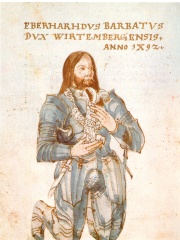
Eberhard I, Duke of Württemberg
POLITICIAN
1445 - 1496
HPI: 63.06
Posição: 7
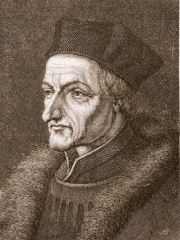
Johann Geiler von Kaysersberg
RELIGIOUS FIGURE
1445 - 1510
HPI: 57.20
Posição: 8
Outras pessoas falecidas em 1517
Ver todas as classificaçõesLuca Pacioli
MATHEMATICIAN
1445 - 1517
HPI: 79.39
Posição: 1
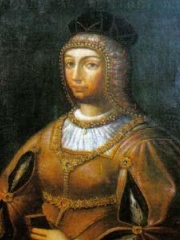
Maria of Aragon, Queen of Portugal
COMPANION
1482 - 1517
HPI: 73.69
Posição: 2
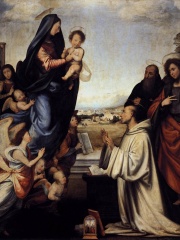
Fra Bartolomeo
PAINTER
1472 - 1517
HPI: 72.87
Posição: 3
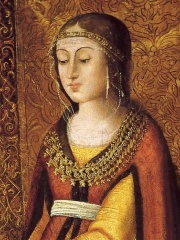
Catherine of Navarre
POLITICIAN
1470 - 1517
HPI: 72.72
Posição: 4
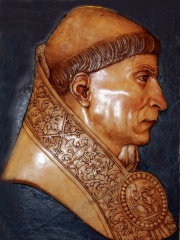
Francisco Jiménez de Cisneros
RELIGIOUS FIGURE
1436 - 1517
HPI: 68.73
Posição: 5

Dayan Khan
POLITICIAN
1464 - 1517
HPI: 68.05
Posição: 6

Hersekzade Ahmed Pasha
POLITICIAN
1459 - 1517
HPI: 68.02
Posição: 7
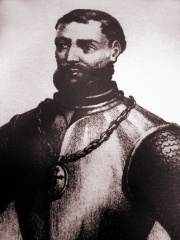
Francisco Hernández de Córdoba
EXPLORER
1500 - 1517
HPI: 67.96
Posição: 8
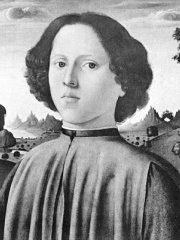
Gioffre Borgia
NOBLEMAN
1481 - 1517
HPI: 67.78
Posição: 9
Heinrich Isaac
COMPOSER
1450 - 1517
HPI: 66.85
Posição: 10
Cima da Conegliano
PAINTER
1459 - 1517
HPI: 66.84
Posição: 11
Tuman bay II
POLITICIAN
1474 - 1517
HPI: 66.05
Posição: 12
Em Itália
Entre as pessoas nascidas em Itália, Luca Pacioli ocupa a posição 236 de 5,905. Antes dele vêm Pope Alexander III (1100), Pope Adrian V (1205), Pertinax (126), Catherine of Siena (1347), Giovanni Bellini (1430), e Vitellius (15). Depois dele vêm Pope Lucius III (1110), Domenico Ghirlandaio (1448), Pope Benedict XIII (1649), Pope Damasus I (305), Pope Marcellus I (255), e Guillaume Apollinaire (1880).
Outras pessoas nascidas em Itália
Ver todas as classificações
Pope Alexander III
RELIGIOUS FIGURE
1100 - 1181
HPI: 79.54
Posição: 230
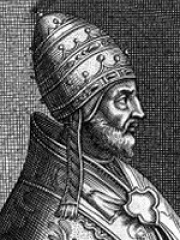
Pope Adrian V
RELIGIOUS FIGURE
1205 - 1276
HPI: 79.53
Posição: 231
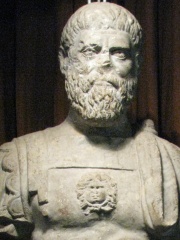
Pertinax
POLITICIAN
126 - 193
HPI: 79.52
Posição: 232
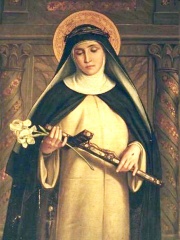
Catherine of Siena
RELIGIOUS FIGURE
1347 - 1380
HPI: 79.51
Posição: 233
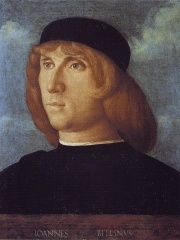
Giovanni Bellini
PAINTER
1430 - 1516
HPI: 79.49
Posição: 234
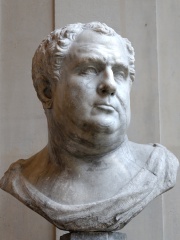
Vitellius
POLITICIAN
15 - 69
HPI: 79.40
Posição: 235
Luca Pacioli
MATHEMATICIAN
1445 - 1517
HPI: 79.39
Posição: 236
Pope Lucius III
RELIGIOUS FIGURE
1110 - 1185
HPI: 79.36
Posição: 237
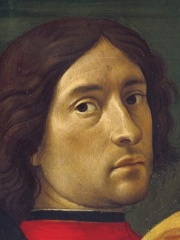
Domenico Ghirlandaio
PAINTER
1448 - 1494
HPI: 79.34
Posição: 238
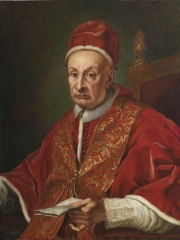
Pope Benedict XIII
RELIGIOUS FIGURE
1649 - 1730
HPI: 79.34
Posição: 239
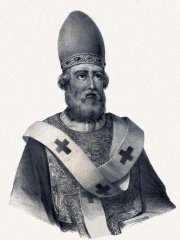
Pope Damasus I
RELIGIOUS FIGURE
305 - 384
HPI: 79.31
Posição: 240
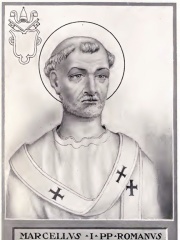
Pope Marcellus I
RELIGIOUS FIGURE
255 - 309
HPI: 79.26
Posição: 241
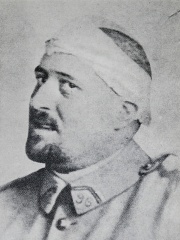
Guillaume Apollinaire
WRITER
1880 - 1918
HPI: 79.26
Posição: 242
Entre Matemático em Itália
Entre Matemático nascidos em Itália, Luca Pacioli ocupa a posição 5. Antes dele vêm Archimedes (-287), Fibonacci (1170), Joseph-Louis Lagrange (1736), e Gerolamo Cardano (1501). Depois dele vêm Maria Gaetana Agnesi (1718), Niccolò Fontana Tartaglia (1499), Archytas (-428), Philolaus (-470), Giuseppe Peano (1858), Bonaventura Cavalieri (1598), e Lodovico Ferrari (1522).
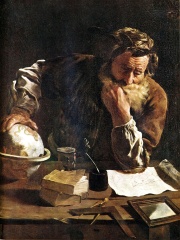
Archimedes
287 BC - 212 BC
HPI: 93.41
Posição: 1
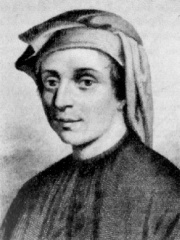
Fibonacci
1170 - 1240
HPI: 89.74
Posição: 2
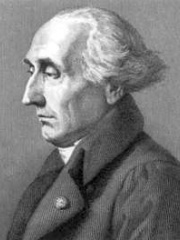
Joseph-Louis Lagrange
1736 - 1813
HPI: 84.17
Posição: 3
Gerolamo Cardano
1501 - 1576
HPI: 79.79
Posição: 4
Luca Pacioli
1445 - 1517
HPI: 79.39
Posição: 5
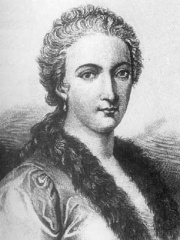
Maria Gaetana Agnesi
1718 - 1799
HPI: 76.89
Posição: 6
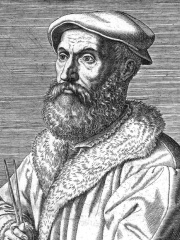
Niccolò Fontana Tartaglia
1499 - 1557
HPI: 76.65
Posição: 7
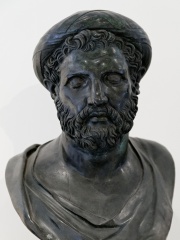
Archytas
428 BC - 347 BC
HPI: 75.95
Posição: 8
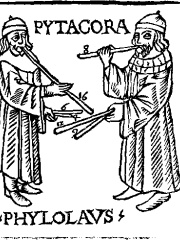
Philolaus
470 BC - 390 BC
HPI: 75.48
Posição: 9
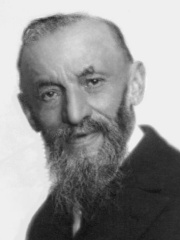
Giuseppe Peano
1858 - 1932
HPI: 74.06
Posição: 10
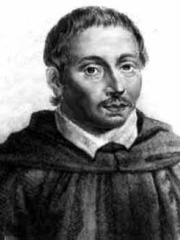
Bonaventura Cavalieri
1598 - 1647
HPI: 73.59
Posição: 11
Lodovico Ferrari
1522 - 1565
HPI: 70.38
Posição: 12




