Matematico
Papa Silvestro II
938 - 1003
VISUALIZZAZIONI SU IT.WIKIPEDIA (PV)
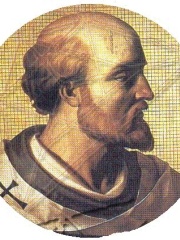
 Papa Silvestro II
La sua biografia è disponibile in 77 lingue su Wikipedia (in aumento rispetto a 75 nel 2024). Papa Silvestro II è il 36° matematico più popolare (in aumento dal 40° nel 2024), la 214ª biografia più popolare della Francia (in aumento dal 285ª nel 2019) e il 9° matematico più popolare della Francia.
Metriche di memorabilità
170k
Visualizzazioni
Ultimi 12 mesi
78.50
HPI
Indice di popolarità storica
Dati in evidenza
#214 / 7,658
Papa Silvestro II occupa la posizione n. 214 tra le 7,658 persone di Pantheon nate in Francia, nel 3% più alto del gruppo.
77
La biografia di Papa Silvestro II compare in 77 edizioni linguistiche di Wikipedia, più del 96% di tutti i Matematico.
+431
Papa Silvestro II ha guadagnato 431 posizioni nella classifica HPI globale di Pantheon, passando dal n. 2,361 al n. 1,930.
Visualizzazioni della pagina di Papa Silvestro II per lingua
Tra Matematico
Tra Matematico, Papa Silvestro II occupa la posizione 36 su 1,010. Prima di lui ci sono Gerolamo Cardano, François Viète, Kurt Gödel, Luca Pacioli, Niels Henrik Abel, e Brahmagupta. Dopo di lui ci sono Georg Cantor, Apollonius of Perga, Augustin-Louis Cauchy, John Napier, Sir George Stokes, 1st Baronet, e Eudoxus of Cnidus.
Matematico più popolari su Wikipedia
Vai a tutte le classifiche
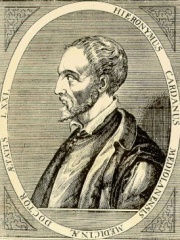
Gerolamo Cardano
1501 - 1576
HPI: 79.79
Posizione: 30
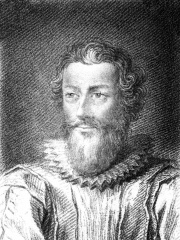
François Viète
1540 - 1603
HPI: 79.70
Posizione: 31
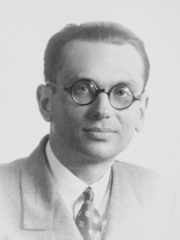
Kurt Gödel
1906 - 1978
HPI: 79.53
Posizione: 32
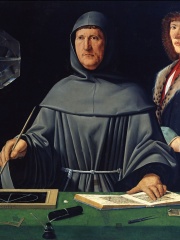
Luca Pacioli
1445 - 1517
HPI: 79.39
Posizione: 33
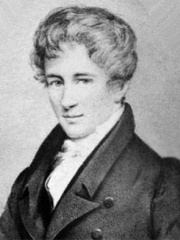
Niels Henrik Abel
1802 - 1829
HPI: 79.17
Posizione: 34
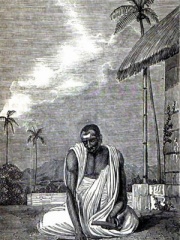
Brahmagupta
598 - 670
HPI: 78.74
Posizione: 35
Pope Sylvester II
938 - 1003
HPI: 78.50
Posizione: 36
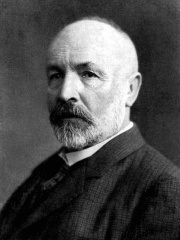
Georg Cantor
1845 - 1918
HPI: 78.44
Posizione: 37
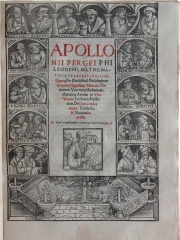
Apollonius of Perga
262 BC - 190 BC
HPI: 78.39
Posizione: 38
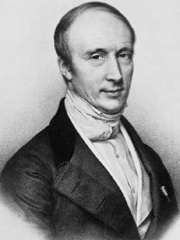
Augustin-Louis Cauchy
1789 - 1857
HPI: 78.11
Posizione: 39
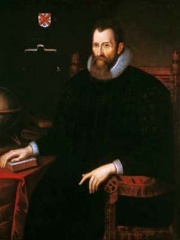
John Napier
1550 - 1617
HPI: 77.92
Posizione: 40
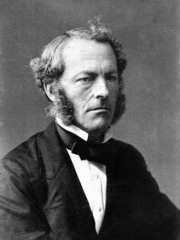
Sir George Stokes, 1st Baronet
1819 - 1903
HPI: 77.65
Posizione: 41

Eudoxus of Cnidus
408 BC - 355 BC
HPI: 77.62
Posizione: 42

Contemporanei
Tra le persone nate nel 938, Papa Silvestro II occupa la posizione 1. Dopo di lui ci sono Romanos II, Sancho II of Pamplona, García Fernández of Castile, e Beatrice of France. Tra le persone decedute nel 1003, Papa Silvestro II occupa la posizione 2. Prima di lui c'è Erik the Red. Dopo di lui ci sono Pope John XVII, Gregory of Narek, Athanasius the Athonite, At-Ta'i, Rozala of Italy, Vladivoj, Duke of Bohemia, Herman II, Duke of Swabia, e Beatrice of France.
Altre persone nate nel 938
Vai a tutte le classifichePope Sylvester II
MATHEMATICIAN
938 - 1003
HPI: 78.50
Posizione: 1
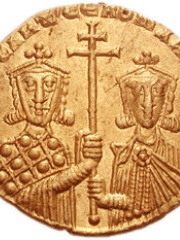
Romanos II
POLITICIAN
938 - 963
HPI: 73.56
Posizione: 2
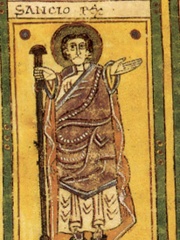
Sancho II of Pamplona
POLITICIAN
938 - 994
HPI: 66.46
Posizione: 3
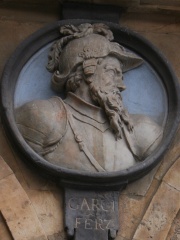
García Fernández of Castile
POLITICIAN
938 - 995
HPI: 63.52
Posizione: 4
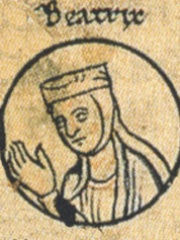
Beatrice of France
POLITICIAN
938 - 1003
HPI: 58.75
Posizione: 5
Altre persone decedute nel 1003
Vai a tutte le classifiche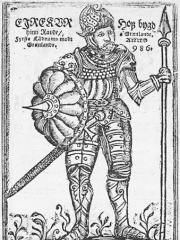
Erik the Red
EXPLORER
950 - 1003
HPI: 79.56
Posizione: 1
Pope Sylvester II
MATHEMATICIAN
938 - 1003
HPI: 78.50
Posizione: 2
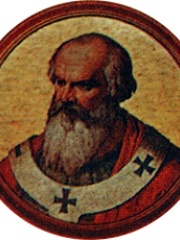
Pope John XVII
RELIGIOUS FIGURE
950 - 1003
HPI: 75.52
Posizione: 3
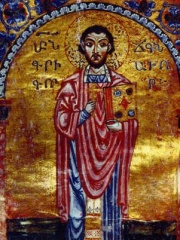
Gregory of Narek
WRITER
951 - 1003
HPI: 70.76
Posizione: 4
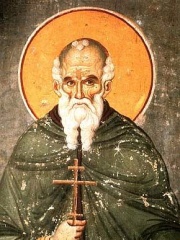
Athanasius the Athonite
RELIGIOUS FIGURE
920 - 1003
HPI: 67.22
Posizione: 5
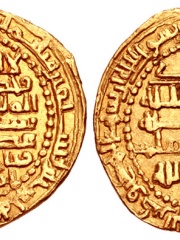
At-Ta'i
POLITICIAN
932 - 1003
HPI: 65.21
Posizione: 6
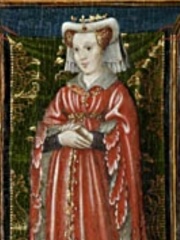
Rozala of Italy
POLITICIAN
1000 - 1003
HPI: 65.01
Posizione: 7

Vladivoj, Duke of Bohemia
POLITICIAN
981 - 1003
HPI: 62.34
Posizione: 8

Herman II, Duke of Swabia
POLITICIAN
1000 - 1003
HPI: 62.08
Posizione: 9
Beatrice of France
POLITICIAN
938 - 1003
HPI: 58.75
Posizione: 10
In Francia
Tra le persone nate in Francia, Papa Silvestro II occupa la posizione 214 su 7,658. Prima di lui ci sono Jean-Marie Le Pen (1928), Charles IV of France (1294), Henrik, Prince Consort of Denmark (1934), Camillo Benso, Count of Cavour (1810), Petronius (27), e Erik Satie (1866). Dopo di lui ci sono Charles the Bold (1433), Jacques Cousteau (1910), Jeanne Calment (1875), Henri Rousseau (1844), Frédéric Passy (1822), e Louis XI of France (1423).
Altre persone nate in Francia
Vai a tutte le classifiche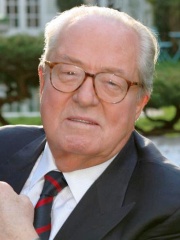
Jean-Marie Le Pen
POLITICIAN
1928 - 2025
HPI: 78.64
Posizione: 208
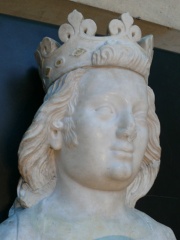
Charles IV of France
POLITICIAN
1294 - 1328
HPI: 78.61
Posizione: 209
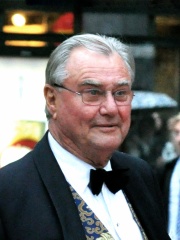
Henrik, Prince Consort of Denmark
NOBLEMAN
1934 - 2018
HPI: 78.58
Posizione: 210
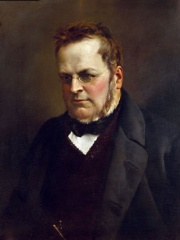
Camillo Benso, Count of Cavour
POLITICIAN
1810 - 1861
HPI: 78.57
Posizione: 211
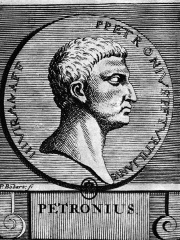
Petronius
WRITER
27 - 66
HPI: 78.54
Posizione: 212
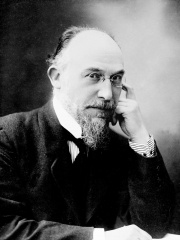
Erik Satie
COMPOSER
1866 - 1925
HPI: 78.54
Posizione: 213
Pope Sylvester II
MATHEMATICIAN
938 - 1003
HPI: 78.50
Posizione: 214
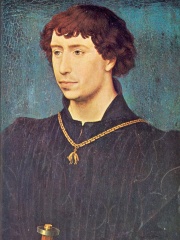
Charles the Bold
NOBLEMAN
1433 - 1477
HPI: 78.50
Posizione: 215
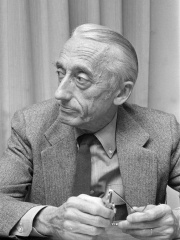
Jacques Cousteau
EXPLORER
1910 - 1997
HPI: 78.46
Posizione: 216
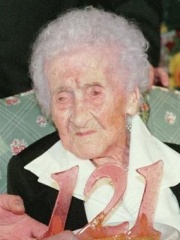
Jeanne Calment
CELEBRITY
1875 - 1997
HPI: 78.45
Posizione: 217
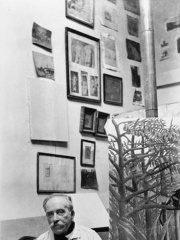
Henri Rousseau
PAINTER
1844 - 1910
HPI: 78.41
Posizione: 218
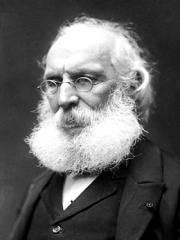
Frédéric Passy
ECONOMIST
1822 - 1912
HPI: 78.38
Posizione: 219
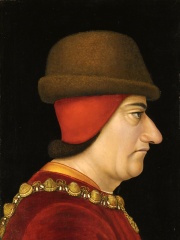
Louis XI of France
POLITICIAN
1423 - 1483
HPI: 78.37
Posizione: 220
Tra Matematico in Francia
Tra Matematico nati in Francia, Papa Silvestro II occupa la posizione 9. Prima di lui ci sono Jean le Rond d'Alembert (1717), Henri Poincaré (1854), Pierre-Simon Laplace (1749), Joseph Fourier (1768), Évariste Galois (1811), e François Viète (1540). Dopo di lui ci sono Augustin-Louis Cauchy (1789), Urbain Le Verrier (1811), Abraham de Moivre (1667), Sophie Germain (1776), Marin Mersenne (1588), e Émilie du Châtelet (1706).
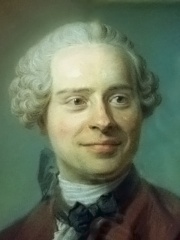
Jean le Rond d'Alembert
1717 - 1783
HPI: 81.57
Posizione: 3
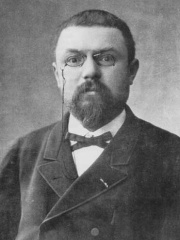
Henri Poincaré
1854 - 1912
HPI: 81.48
Posizione: 4
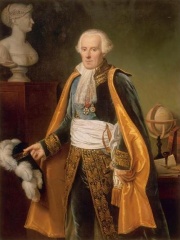
Pierre-Simon Laplace
1749 - 1827
HPI: 81.34
Posizione: 5
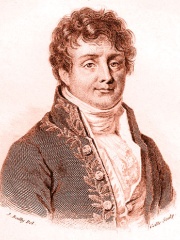
Joseph Fourier
1768 - 1830
HPI: 80.98
Posizione: 6
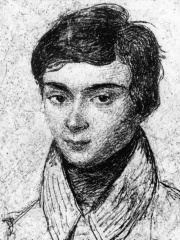
Évariste Galois
1811 - 1832
HPI: 80.32
Posizione: 7
François Viète
1540 - 1603
HPI: 79.70
Posizione: 8
Pope Sylvester II
938 - 1003
HPI: 78.50
Posizione: 9
Augustin-Louis Cauchy
1789 - 1857
HPI: 78.11
Posizione: 10
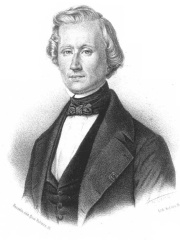
Urbain Le Verrier
1811 - 1877
HPI: 76.54
Posizione: 11
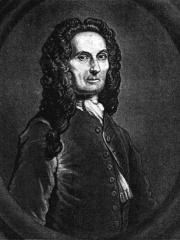
Abraham de Moivre
1667 - 1754
HPI: 75.96
Posizione: 12
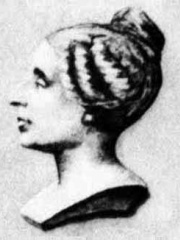
Sophie Germain
1776 - 1831
HPI: 75.67
Posizione: 13
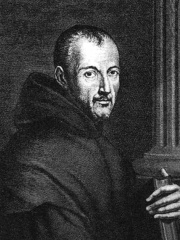
Marin Mersenne
1588 - 1648
HPI: 75.06
Posizione: 14
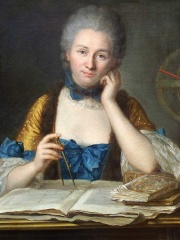
Émilie du Châtelet
1706 - 1749
HPI: 74.82
Posizione: 15




