Író
Licinius Macer Calvus
82 BC - 47 BC

 Licinius Macer Calvus
Életrajza 20 különböző nyelven érhető el a Wikipédián. Licinius Macer Calvus a 2,563rd legnépszerűbb író (növekedés a 3,280th-ről 2024-ben), a 2,433rd legnépszerűbb életrajz Olaszország országából (növekedés a 2,877th-ről 2019-ben) és a 165th legnépszerűbb Olaszországból író.
Memorability Metrics
5.3k
Page Views
Past 12 months
61.56
HPI
Historical Popularity Index
Page views of Licinius Macer Calvus by language
Among Író
Among író, Licinius Macer Calvus ranks 2,563 out of 7,302. Before him are Dnyaneshwar, Marie Corelli, Modest Ilyich Tchaikovsky, Herman Gorter, Maurice Joly, and Archibald Gracie IV. After him are Guillén de Castro y Bellvis, Tom Peters, Okakura Kakuzō, Karin Fossum, David Crystal, and Camilo Castelo Branco.
Most Popular ÍRó in Wikipedia
Go to all Rankings
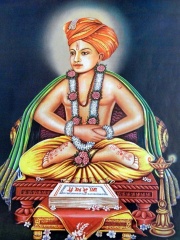
Dnyaneshwar
1275 - 1296
HPI: 61.57
Rank: 2,557
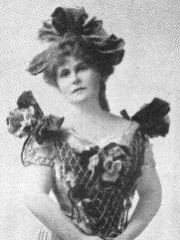
Marie Corelli
1855 - 1924
HPI: 61.57
Rank: 2,558
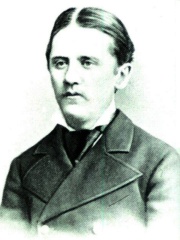
Modest Ilyich Tchaikovsky
1850 - 1916
HPI: 61.57
Rank: 2,559
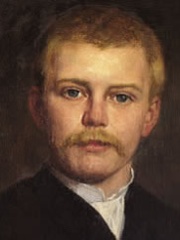
Herman Gorter
1864 - 1927
HPI: 61.56
Rank: 2,560
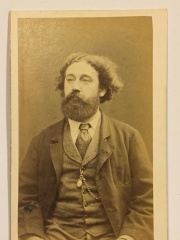
Maurice Joly
1829 - 1878
HPI: 61.56
Rank: 2,561
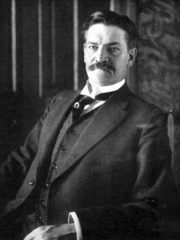
Archibald Gracie IV
1858 - 1912
HPI: 61.56
Rank: 2,562
Licinius Macer Calvus
82 BC - 47 BC
HPI: 61.56
Rank: 2,563
Guillén de Castro y Bellvis
1569 - 1631
HPI: 61.56
Rank: 2,564

Tom Peters
1942 - Present
HPI: 61.56
Rank: 2,565
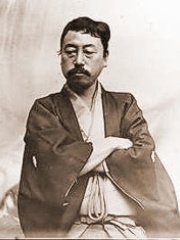
Okakura Kakuzō
1862 - 1913
HPI: 61.54
Rank: 2,566

Karin Fossum
1954 - Present
HPI: 61.54
Rank: 2,567
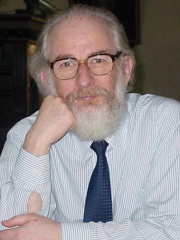
David Crystal
1941 - Present
HPI: 61.54
Rank: 2,568
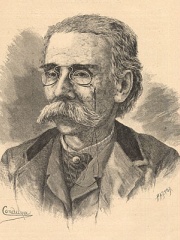
Camilo Castelo Branco
1825 - 1890
HPI: 61.54
Rank: 2,569

Contemporaries
Among people born in 82 BC, Licinius Macer Calvus ranks 3. Before him are Burebista, and Varro Atacinus. After him is Marcus Caelius Rufus. Among people deceased in 47 BC, Licinius Macer Calvus ranks 4. Before him are Ptolemy XIII Theos Philopator, Pharnaces II of Pontus, and Aulus Gabinius.
Others Born in 82 BC
Go to all Rankings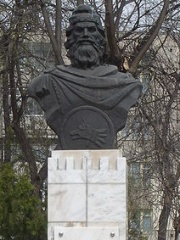
Burebista
POLITICIAN
82 BC - 44 BC
HPI: 71.09
Rank: 1

Varro Atacinus
WRITER
82 BC - 35 BC
HPI: 64.43
Rank: 2
Licinius Macer Calvus
WRITER
82 BC - 47 BC
HPI: 61.56
Rank: 3

Marcus Caelius Rufus
POLITICIAN
82 BC - 48 BC
HPI: 59.06
Rank: 4
Others Deceased in 47 BC
Go to all Rankings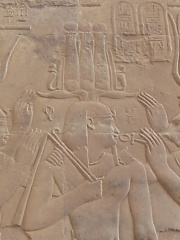
Ptolemy XIII Theos Philopator
POLITICIAN
62 BC - 47 BC
HPI: 77.30
Rank: 1
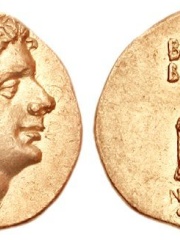
Pharnaces II of Pontus
POLITICIAN
95 BC - 47 BC
HPI: 70.27
Rank: 2
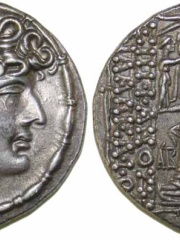
Aulus Gabinius
POLITICIAN
150 BC - 47 BC
HPI: 66.73
Rank: 3
Licinius Macer Calvus
WRITER
82 BC - 47 BC
HPI: 61.56
Rank: 4
In Olaszország
Among people born in Olaszország, Licinius Macer Calvus ranks 2,433 out of NaN. Before him are Mauro Bolognini (1922), Giovanni Antonio Magini (1555), Leonardo Del Vecchio (1935), Claudia Marcella Major (-41), Joseph Bonanno (1905), and Archduke Leopold Ludwig of Austria (1823). After him are Carlo Cignani (1628), Romaine Brooks (1874), Marcello Tegalliano (700), Pietro Nenni (1891), Maurizio Cattelan (1960), and Alexander Farnese, Prince of Parma (1635).
Others born in Olaszország
Go to all Rankings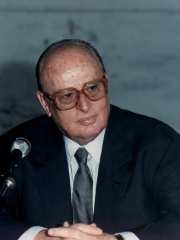
Mauro Bolognini
FILM DIRECTOR
1922 - 2001
HPI: 61.57
Rank: 2,427
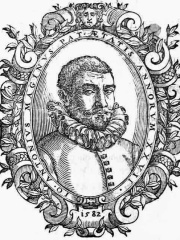
Giovanni Antonio Magini
MATHEMATICIAN
1555 - 1617
HPI: 61.57
Rank: 2,428

Leonardo Del Vecchio
BUSINESSPERSON
1935 - 2022
HPI: 61.56
Rank: 2,429
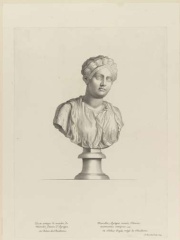
Claudia Marcella Major
POLITICIAN
41 BC - 100
HPI: 61.56
Rank: 2,430
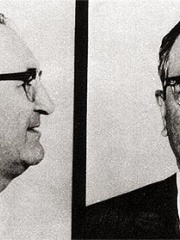
Joseph Bonanno
EXTREMIST
1905 - 2002
HPI: 61.56
Rank: 2,431
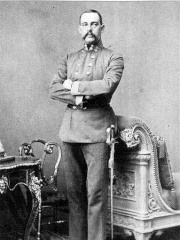
Archduke Leopold Ludwig of Austria
POLITICIAN
1823 - 1898
HPI: 61.56
Rank: 2,432
Licinius Macer Calvus
WRITER
82 BC - 47 BC
HPI: 61.56
Rank: 2,433
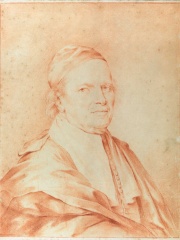
Carlo Cignani
PAINTER
1628 - 1719
HPI: 61.56
Rank: 2,434
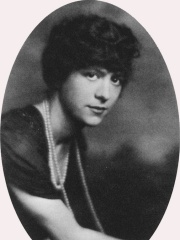
Romaine Brooks
PAINTER
1874 - 1970
HPI: 61.55
Rank: 2,435
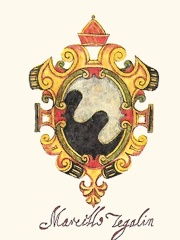
Marcello Tegalliano
POLITICIAN
700 - 726
HPI: 61.55
Rank: 2,436
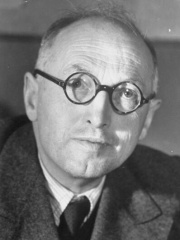
Pietro Nenni
POLITICIAN
1891 - 1980
HPI: 61.54
Rank: 2,437
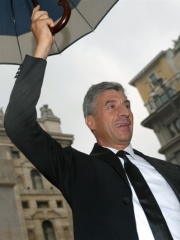
Maurizio Cattelan
SCULPTOR
1960 - Present
HPI: 61.54
Rank: 2,438
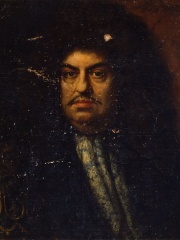
Alexander Farnese, Prince of Parma
POLITICIAN
1635 - 1689
HPI: 61.54
Rank: 2,439
Among Író In Olaszország
Among író born in Olaszország, Licinius Macer Calvus ranks 165. Before him are Michele Ruggieri (1543), Luigi Alamanni (1495), Publius Clodius Thrasea Paetus (100), Hermas (150), Sibilla Aleramo (1876), and Giovanni Pascoli (1855). After him are Giovanni de' Bardi (1534), Ottavio Rinuccini (1562), Giulio Angioni (1939), Bernardo Dovizi (1470), Ada Negri (1870), and Elio Vittorini (1908).

Michele Ruggieri
1543 - 1607
HPI: 61.87
Rank: 159
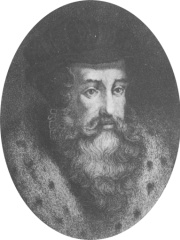
Luigi Alamanni
1495 - 1556
HPI: 61.80
Rank: 160
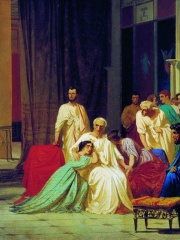
Publius Clodius Thrasea Paetus
100 - 66
HPI: 61.70
Rank: 161

Hermas
150 - 150
HPI: 61.66
Rank: 162
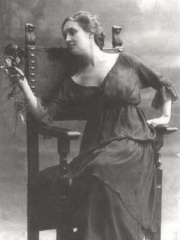
Sibilla Aleramo
1876 - 1960
HPI: 61.64
Rank: 163
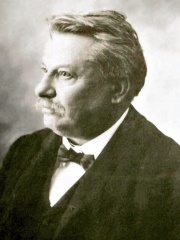
Giovanni Pascoli
1855 - 1912
HPI: 61.60
Rank: 164
Licinius Macer Calvus
82 BC - 47 BC
HPI: 61.56
Rank: 165

Giovanni de' Bardi
1534 - 1612
HPI: 61.47
Rank: 166

Ottavio Rinuccini
1562 - 1621
HPI: 61.43
Rank: 167
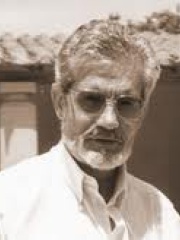
Giulio Angioni
1939 - 2017
HPI: 61.43
Rank: 168
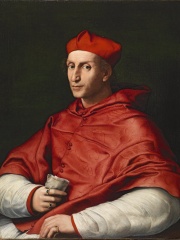
Bernardo Dovizi
1470 - 1520
HPI: 61.03
Rank: 169
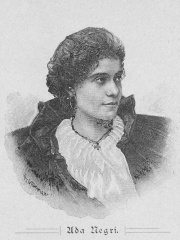
Ada Negri
1870 - 1945
HPI: 60.90
Rank: 170
Elio Vittorini
1908 - 1966
HPI: 60.82
Rank: 171




