Político
Kurigalzu II
1400 BC - 1400 BC
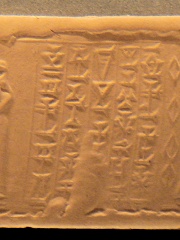
 Kurigalzu II
Sua biografia está disponível em 22 idiomas na Wikipédia. Kurigalzu II é o 12386º político mais popular (caiu do 10987º em 2024), a 280ª biografia mais popular do Iraque (caiu do 264ª em 2019) e o 172º político mais popular do Iraque.
Memorability Metrics
7.3k
Page Views
Past 12 months
58.94
HPI
Historical Popularity Index
Page views of Kurigalzu II by language
Among Políticos
Among políticos, Kurigalzu II ranks 12,380 out of 19,576. Before him are Jovan Ristić, Barnim I, Duke of Pomerania, Ludwig Renn, Geoffrey II, Count of Gâtinais, Erridupizir, and N. Chandrababu Naidu. After him are Ricardo Maduro, Eduardo Dato, Marcantonio Giustinian, Jamil Mardam Bey, Melchior Ndadaye, and Rickard Sandler.
Most Popular Políticos in Wikipedia
Go to all Rankings
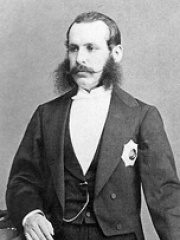
Jovan Ristić
1831 - 1899
HPI: 58.94
Rank: 12,380
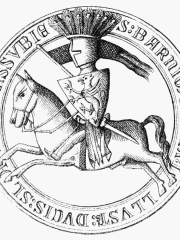
Barnim I, Duke of Pomerania
1210 - 1278
HPI: 58.94
Rank: 12,381
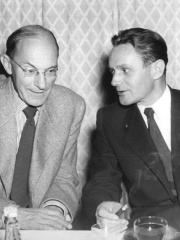
Ludwig Renn
1889 - 1979
HPI: 58.94
Rank: 12,382

Geoffrey II, Count of Gâtinais
1000 - 1046
HPI: 58.94
Rank: 12,383

Erridupizir
2300 BC - 2300 BC
HPI: 58.94
Rank: 12,384
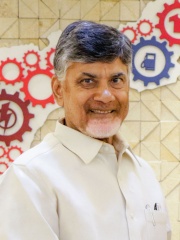
N. Chandrababu Naidu
1950 - Present
HPI: 58.94
Rank: 12,385
Kurigalzu II
1400 BC - 1400 BC
HPI: 58.94
Rank: 12,386
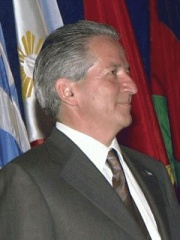
Ricardo Maduro
1946 - Present
HPI: 58.94
Rank: 12,387
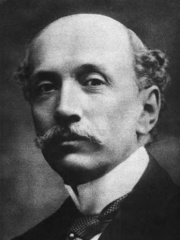
Eduardo Dato
1856 - 1921
HPI: 58.94
Rank: 12,388
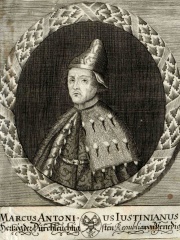
Marcantonio Giustinian
1619 - 1688
HPI: 58.94
Rank: 12,389
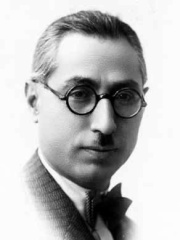
Jamil Mardam Bey
1893 - 1960
HPI: 58.93
Rank: 12,390
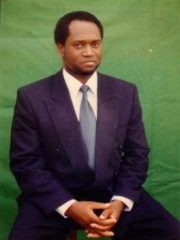
Melchior Ndadaye
1953 - 1993
HPI: 58.93
Rank: 12,391
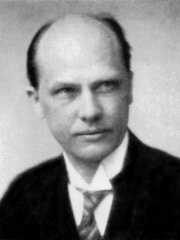
Rickard Sandler
1884 - 1964
HPI: 58.93
Rank: 12,392

Contemporaries
Among people born in 1400 BC, Kurigalzu II ranks 29. Before him are Arik-den-ili, Tey, Enlil-nirari, Eriba-Adad I, Kadashman-Enlil I, and Thutmose. After him are Artatama II, Kadashman-Turgu, Nazi-Maruttash, and Piyassili. Among people deceased in 1400 BC, Kurigalzu II ranks 26. Before him are Burna-Buriash II, Beketaten, Shattiwaza, Tey, Kadashman-Enlil I, and Thutmose. After him are Ashur-nadin-ahhe II, Artatama II, Ashur-bel-nisheshu, Ashur-rim-nisheshu, Shuttarna III, and Piyassili.
Others Born in 1400 BC
Go to all Rankings
Arik-den-ili
POLITICIAN
1400 BC - 1360 BC
HPI: 61.30
Rank: 23
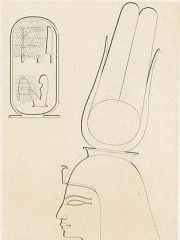
Tey
POLITICIAN
1400 BC - 1400 BC
HPI: 61.00
Rank: 24

Enlil-nirari
POLITICIAN
1400 BC - 1307 BC
HPI: 60.00
Rank: 25
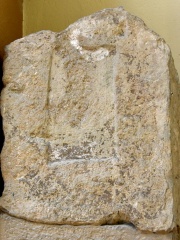
Eriba-Adad I
POLITICIAN
1400 BC - 1366 BC
HPI: 59.81
Rank: 26
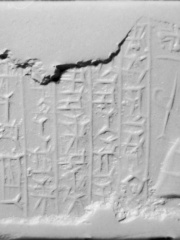
Kadashman-Enlil I
POLITICIAN
1400 BC - 1400 BC
HPI: 59.43
Rank: 27
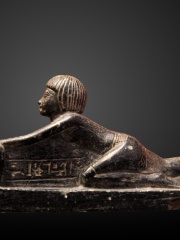
Thutmose
POLITICIAN
1400 BC - 1400 BC
HPI: 59.11
Rank: 28
Kurigalzu II
POLITICIAN
1400 BC - 1400 BC
HPI: 58.94
Rank: 29

Artatama II
POLITICIAN
1400 BC - 1400 BC
HPI: 58.00
Rank: 30
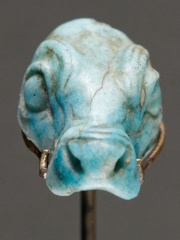
Kadashman-Turgu
POLITICIAN
1400 BC - 1300 BC
HPI: 55.88
Rank: 31
Nazi-Maruttash
POLITICIAN
1400 BC - 1300 BC
HPI: 53.22
Rank: 32

Piyassili
POLITICIAN
1400 BC - 1400 BC
HPI: 53.20
Rank: 33
Others Deceased in 1400 BC
Go to all Rankings
Burna-Buriash II
POLITICIAN
1400 BC - 1400 BC
HPI: 61.65
Rank: 20
Beketaten
POLITICIAN
1400 BC - 1400 BC
HPI: 61.35
Rank: 21

Shattiwaza
POLITICIAN
1380 BC - 1400 BC
HPI: 61.14
Rank: 22
Tey
POLITICIAN
1400 BC - 1400 BC
HPI: 61.00
Rank: 23
Kadashman-Enlil I
POLITICIAN
1400 BC - 1400 BC
HPI: 59.43
Rank: 24
Thutmose
POLITICIAN
1400 BC - 1400 BC
HPI: 59.11
Rank: 25
Kurigalzu II
POLITICIAN
1400 BC - 1400 BC
HPI: 58.94
Rank: 26

Ashur-nadin-ahhe II
POLITICIAN
1500 BC - 1400 BC
HPI: 58.13
Rank: 27
Artatama II
POLITICIAN
1400 BC - 1400 BC
HPI: 58.00
Rank: 28
Ashur-bel-nisheshu
POLITICIAN
1500 BC - 1400 BC
HPI: 56.02
Rank: 29
Ashur-rim-nisheshu
POLITICIAN
1490 BC - 1400 BC
HPI: 55.63
Rank: 30

Shuttarna III
POLITICIAN
1350 BC - 1400 BC
HPI: 55.57
Rank: 31
Piyassili
POLITICIAN
1400 BC - 1400 BC
HPI: 53.20
Rank: 32
In Iraque
Among people born in Iraque, Kurigalzu II ranks 280 out of NaN. Before him are Isidore of Charax (-50), Muhammad al-Sadr (1943), Entemena (-2430), Ahmad ibn Yusuf (835), Ashur-resh-ishi II (-1100), and Ibn Abi'l-Hadid (1190). After him are Jacob of Serugh (451), Abu Isa al-Warraq (null), Enlil-kudurri-usur (-1300), Kidinnu (-400), Shamshi-Adad IV (-1100), and Ibn Butlan (1001).
Others born in Iraque
Go to all Rankings
Isidore of Charax
EXPLORER
50 BC - 100
HPI: 59.33
Rank: 274
Muhammad al-Sadr
RELIGIOUS FIGURE
1943 - 1999
HPI: 59.29
Rank: 275
Entemena
POLITICIAN
2430 BC - 2389 BC
HPI: 59.24
Rank: 276

Ahmad ibn Yusuf
MATHEMATICIAN
835 - 912
HPI: 59.19
Rank: 277

Ashur-resh-ishi II
POLITICIAN
1100 BC - 967 BC
HPI: 59.15
Rank: 278

Ibn Abi'l-Hadid
PHILOSOPHER
1190 - 1258
HPI: 59.06
Rank: 279
Kurigalzu II
POLITICIAN
1400 BC - 1400 BC
HPI: 58.94
Rank: 280

Jacob of Serugh
WRITER
451 - 521
HPI: 58.89
Rank: 281

Abu Isa al-Warraq
WRITER
HPI: 58.87
Rank: 282

Enlil-kudurri-usur
POLITICIAN
1300 BC - 1200 BC
HPI: 58.83
Rank: 283

Kidinnu
ASTRONOMER
400 BC - 330 BC
HPI: 58.67
Rank: 284

Shamshi-Adad IV
POLITICIAN
1100 BC - 1100 BC
HPI: 58.66
Rank: 285
Ibn Butlan
PHYSICIAN
1001 - 1066
HPI: 58.40
Rank: 286
Among Políticos In Iraque
Among políticos born in Iraque, Kurigalzu II ranks 172. Before him are Khumarawayh ibn Ahmad ibn Tulun (864), Kadashman-Enlil I (-1400), Ashur-rabi II (-1100), Ali Akbar Salehi (1949), Entemena (-2430), and Ashur-resh-ishi II (-1100). After him are Enlil-kudurri-usur (-1300), Shamshi-Adad IV (-1100), Tahir Yahya (1913), Mahmud Nedim Pasha (1818), Ashur-bel-kala (-1200), and Ashur-nadin-ahhe II (-1500).
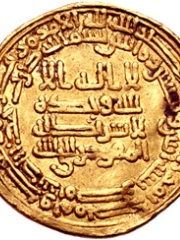
Khumarawayh ibn Ahmad ibn Tulun
864 - 896
HPI: 59.47
Rank: 166
Kadashman-Enlil I
1400 BC - 1400 BC
HPI: 59.43
Rank: 167

Ashur-rabi II
1100 BC - 972 BC
HPI: 59.41
Rank: 168
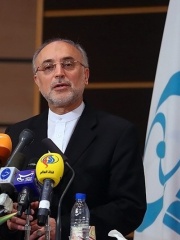
Ali Akbar Salehi
1949 - Present
HPI: 59.40
Rank: 169
Entemena
2430 BC - 2389 BC
HPI: 59.24
Rank: 170
Ashur-resh-ishi II
1100 BC - 967 BC
HPI: 59.15
Rank: 171
Kurigalzu II
1400 BC - 1400 BC
HPI: 58.94
Rank: 172
Enlil-kudurri-usur
1300 BC - 1200 BC
HPI: 58.83
Rank: 173
Shamshi-Adad IV
1100 BC - 1100 BC
HPI: 58.66
Rank: 174
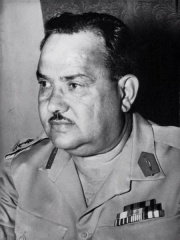
Tahir Yahya
1913 - 1986
HPI: 58.39
Rank: 175
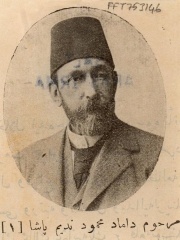
Mahmud Nedim Pasha
1818 - 1883
HPI: 58.17
Rank: 176
Ashur-bel-kala
1200 BC - 1056 BC
HPI: 58.14
Rank: 177
Ashur-nadin-ahhe II
1500 BC - 1400 BC
HPI: 58.13
Rank: 178




