政治家
Burna-Buriash II
1400 BC - 1400 BC
ZH.WIKIPEDIA PAGE VIEWS (PV)
 Burna-Buriash II
Memorability Metrics
12k
Page Views
Past 12 months
61.65
HPI
Historical Popularity Index
Page views of Burna-Buriash II by language
Among 政治家
Among 政治家, Burna-Buriash II ranks 9,639 out of 19,576. Before him are Joseph Caillaux, John Howard, Rurik Rostislavich, Muhammad ibn Ali as-Senussi, Mikhail Loris-Melikov, and Ahmad al-Muqtadir. After him are Michel Théato, Princess Maria Christina of Saxony, Foday Sankoh, Prince Munetaka, Mohammad Beheshti, and Mangas Coloradas.
Most Popular 政治家 in Wikipedia
Go to all Rankings
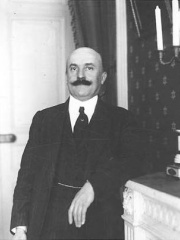
Joseph Caillaux
1863 - 1944
HPI: 61.66
Rank: 9,638
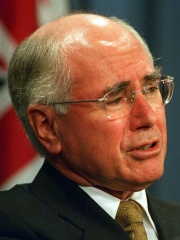
John Howard
1939 - Present
HPI: 61.66
Rank: 9,639
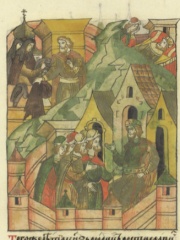
Rurik Rostislavich
1130 - 1214
HPI: 61.65
Rank: 9,640
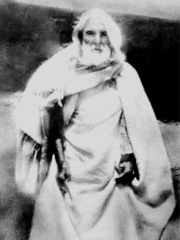
Muhammad ibn Ali as-Senussi
1787 - 1859
HPI: 61.65
Rank: 9,641
Mikhail Loris-Melikov
1824 - 1888
HPI: 61.65
Rank: 9,642

Ahmad al-Muqtadir
1050 - 1082
HPI: 61.65
Rank: 9,643
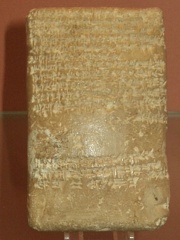
Burna-Buriash II
1400 BC - 1400 BC
HPI: 61.65
Rank: 9,644
Michel Théato
1878 - 1919
HPI: 61.65
Rank: 9,645
Princess Maria Christina of Saxony
1735 - 1782
HPI: 61.65
Rank: 9,646
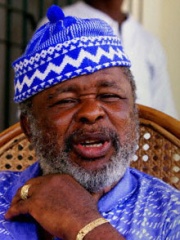
Foday Sankoh
1937 - 2003
HPI: 61.65
Rank: 9,647
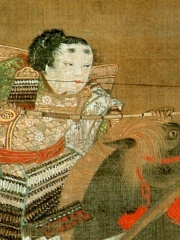
Prince Munetaka
1242 - 1274
HPI: 61.65
Rank: 9,648
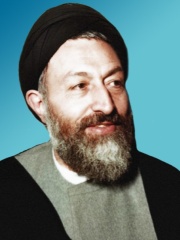
Mohammad Beheshti
1928 - 1981
HPI: 61.65
Rank: 9,649
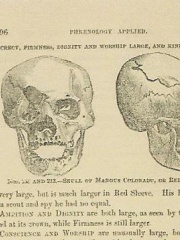
Mangas Coloradas
1792 - 1863
HPI: 61.65
Rank: 9,650

Contemporaries
Among people born in 1400 BC, Burna-Buriash II ranks 21. Before him are Neferneferuaten Tasherit, Xiao Yi of Shang, Setepenre, Arnuwanda II, Mutnedjmet, and Sitre. After him are Beketaten, Arik-den-ili, Tey, Enlil-nirari, Eriba-Adad I, and Kadashman-Enlil I. Among people deceased in 1400 BC, Burna-Buriash II ranks 20. Before him are Setepenre, Arnuwanda II, Mutnedjmet, Gilukhipa, Mutemwiya, and Kurigalzu I. After him are Beketaten, Shattiwaza, Tey, Kadashman-Enlil I, Thutmose, and Kurigalzu II.
Others Born in 1400 BC
Go to all Rankings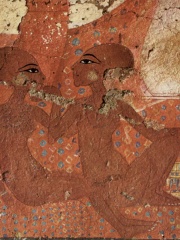
Neferneferuaten Tasherit
COMPANION
1400 BC - 1400 BC
HPI: 65.08
Rank: 15

Xiao Yi of Shang
POLITICIAN
1400 BC - 1325 BC
HPI: 64.79
Rank: 16
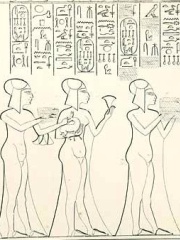
Setepenre
POLITICIAN
1400 BC - 1400 BC
HPI: 64.07
Rank: 17

Arnuwanda II
POLITICIAN
1400 BC - 1400 BC
HPI: 63.90
Rank: 18
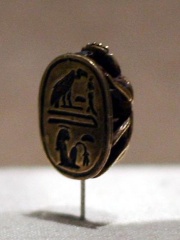
Mutnedjmet
POLITICIAN
1400 BC - 1400 BC
HPI: 62.80
Rank: 19
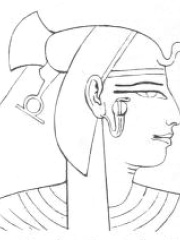
Sitre
COMPANION
1400 BC - 1300 BC
HPI: 61.73
Rank: 20
Burna-Buriash II
POLITICIAN
1400 BC - 1400 BC
HPI: 61.65
Rank: 21
Beketaten
POLITICIAN
1400 BC - 1400 BC
HPI: 61.35
Rank: 22

Arik-den-ili
POLITICIAN
1400 BC - 1360 BC
HPI: 61.30
Rank: 23
Tey
POLITICIAN
1400 BC - 1400 BC
HPI: 61.00
Rank: 24

Enlil-nirari
POLITICIAN
1400 BC - 1307 BC
HPI: 60.00
Rank: 25
Eriba-Adad I
POLITICIAN
1400 BC - 1366 BC
HPI: 59.81
Rank: 26
Kadashman-Enlil I
POLITICIAN
1400 BC - 1400 BC
HPI: 59.43
Rank: 27
Others Deceased in 1400 BC
Go to all RankingsSetepenre
POLITICIAN
1400 BC - 1400 BC
HPI: 64.07
Rank: 14
Arnuwanda II
POLITICIAN
1400 BC - 1400 BC
HPI: 63.90
Rank: 15
Mutnedjmet
POLITICIAN
1400 BC - 1400 BC
HPI: 62.80
Rank: 16
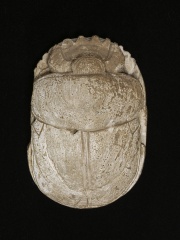
Gilukhipa
POLITICIAN
1390 BC - 1400 BC
HPI: 62.75
Rank: 17
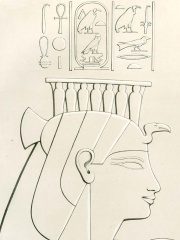
Mutemwiya
COMPANION
1500 BC - 1400 BC
HPI: 62.55
Rank: 18
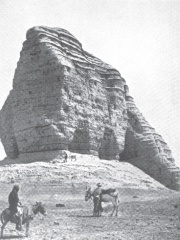
Kurigalzu I
POLITICIAN
1500 BC - 1400 BC
HPI: 62.14
Rank: 19
Burna-Buriash II
POLITICIAN
1400 BC - 1400 BC
HPI: 61.65
Rank: 20
Beketaten
POLITICIAN
1400 BC - 1400 BC
HPI: 61.35
Rank: 21

Shattiwaza
POLITICIAN
1380 BC - 1400 BC
HPI: 61.14
Rank: 22
Tey
POLITICIAN
1400 BC - 1400 BC
HPI: 61.00
Rank: 23
Kadashman-Enlil I
POLITICIAN
1400 BC - 1400 BC
HPI: 59.43
Rank: 24
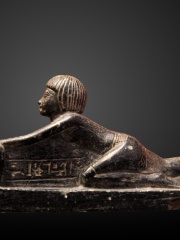
Thutmose
POLITICIAN
1400 BC - 1400 BC
HPI: 59.11
Rank: 25
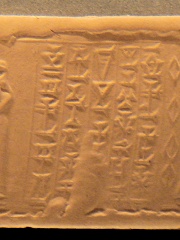
Kurigalzu II
POLITICIAN
1400 BC - 1400 BC
HPI: 58.94
Rank: 26
In 伊拉克
Among people born in 伊拉克, Burna-Buriash II ranks 224 out of NaN. Before him are Shalmaneser II (-1090), Ashurnasirpal I (-1100), Ibn Wahshiyya (900), Sayf al-Din Ghazi I (1200), Emmanuel III Delly (1927), and Al-Farazdaq (641). After him are Nechirvan Barzani (1966), Lipit-Ishtar (-1890), Nahor, son of Terah (null), Ibn al-Bawwab (961), Abu Ibrahim al-Hashimi al-Qurashi (1976), and Mahmud Shevket Pasha (1856).
Others born in 伊拉克
Go to all Rankings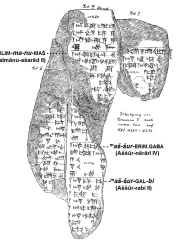
Shalmaneser II
POLITICIAN
1090 BC - 1019 BC
HPI: 61.78
Rank: 218
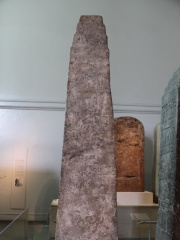
Ashurnasirpal I
POLITICIAN
1100 BC - 1060 BC
HPI: 61.76
Rank: 219
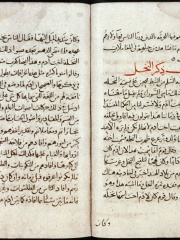
Ibn Wahshiyya
HISTORIAN
900 - 930
HPI: 61.75
Rank: 220
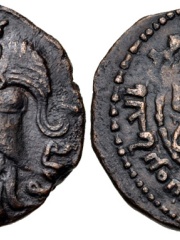
Sayf al-Din Ghazi I
POLITICIAN
1200 - 1149
HPI: 61.74
Rank: 221
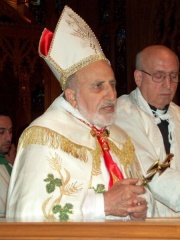
Emmanuel III Delly
RELIGIOUS FIGURE
1927 - 2014
HPI: 61.74
Rank: 222
Al-Farazdaq
WRITER
641 - 728
HPI: 61.71
Rank: 223
Burna-Buriash II
POLITICIAN
1400 BC - 1400 BC
HPI: 61.65
Rank: 224
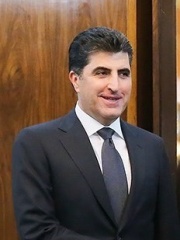
Nechirvan Barzani
POLITICIAN
1966 - Present
HPI: 61.56
Rank: 225
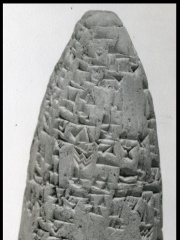
Lipit-Ishtar
RELIGIOUS FIGURE
1890 BC - Present
HPI: 61.55
Rank: 226
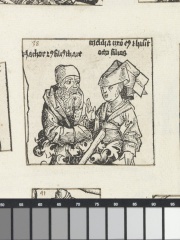
Nahor, son of Terah
RELIGIOUS FIGURE
HPI: 61.46
Rank: 227
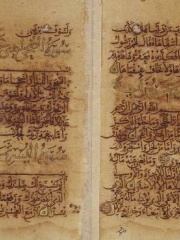
Ibn al-Bawwab
PAINTER
961 - 1022
HPI: 61.46
Rank: 228
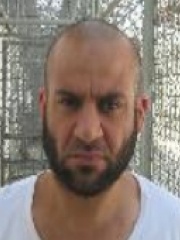
Abu Ibrahim al-Hashimi al-Qurashi
EXTREMIST
1976 - 2022
HPI: 61.34
Rank: 229
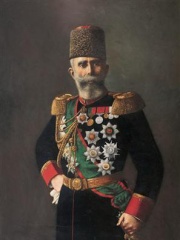
Mahmud Shevket Pasha
MILITARY PERSONNEL
1856 - 1913
HPI: 61.34
Rank: 230
Among 政治家 In 伊拉克
Among 政治家 born in 伊拉克, Burna-Buriash II ranks 144. Before him are Sa'dun Hammadi (1930), Al-Akhtal al-Taghlibi (640), Qusay Hussein (1966), Shalmaneser II (-1090), Ashurnasirpal I (-1100), and Sayf al-Din Ghazi I (1200). After him are Nechirvan Barzani (1966), Binyamin Ben-Eliezer (1936), Shu-Sin (null), Arik-den-ili (-1400), Gungunum (-1920), and Al-Muwaffaq (842).
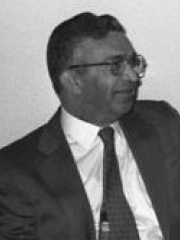
Sa'dun Hammadi
1930 - 2007
HPI: 62.14
Rank: 138

Al-Akhtal al-Taghlibi
640 - 710
HPI: 62.00
Rank: 139
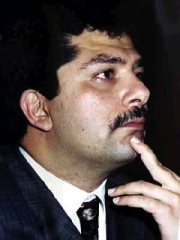
Qusay Hussein
1966 - 2003
HPI: 61.89
Rank: 140
Shalmaneser II
1090 BC - 1019 BC
HPI: 61.78
Rank: 141
Ashurnasirpal I
1100 BC - 1060 BC
HPI: 61.76
Rank: 142
Sayf al-Din Ghazi I
1200 - 1149
HPI: 61.74
Rank: 143
Burna-Buriash II
1400 BC - 1400 BC
HPI: 61.65
Rank: 144
Nechirvan Barzani
1966 - Present
HPI: 61.56
Rank: 145
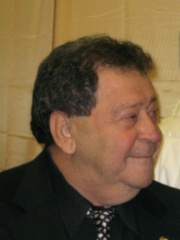
Binyamin Ben-Eliezer
1936 - 2016
HPI: 61.33
Rank: 146
Shu-Sin
HPI: 61.32
Rank: 147
Arik-den-ili
1400 BC - 1360 BC
HPI: 61.30
Rank: 148

Gungunum
1920 BC - 1906 BC
HPI: 61.28
Rank: 149
Al-Muwaffaq
842 - Present
HPI: 61.28
Rank: 150




