عالم رياضيات
Ahmad ibn Yusuf
835 - 912
AR.WIKIPEDIA PAGE VIEWS (PV)

 Ahmad ibn Yusuf
سيرته الذاتية متاحة بـ17 لغة مختلفة على ويكيبيديا. يحتل Ahmad ibn Yusuf المرتبة 583 بين أكثر عالم رياضيات شعبيةً (تراجعًا من 229 في 2024)، والمرتبة 277 بين أكثر السير الذاتية شعبيةً في العراق (تراجعًا من 143 في 2019)، كما يحتل المرتبة 6 بين أكثر عالم رياضيات من العراق شعبيةً.
Memorability Metrics
3.8k
Page Views
Past 12 months
59.19
HPI
Historical Popularity Index
Page views of Ahmad ibn Yusuf by language
Among عالم رياضيات
Among عالم رياضيات, Ahmad ibn Yusuf ranks 583 out of 1,004. Before him are Georg Mohr, Max Noether, Francesco Barozzi, Julius Weisbach, Johannes de Muris, and Thomas Wright. After him are Stanisław Leśniewski, Ulisse Dini, Jacques Pelletier du Mans, Plato Tiburtinus, Grégoire de Saint-Vincent, and Lipót Fejér.
Most Popular عالم رياضيات in Wikipedia
Go to all Rankings

Georg Mohr
1640 - 1697
HPI: 59.27
Rank: 577
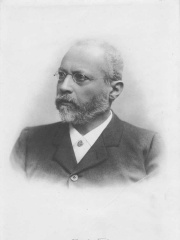
Max Noether
1921 - 1921
HPI: 59.23
Rank: 578

Francesco Barozzi
1537 - 1604
HPI: 59.21
Rank: 579
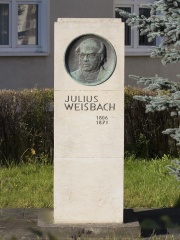
Julius Weisbach
1806 - 1871
HPI: 59.21
Rank: 580

Johannes de Muris
1290 - 1350
HPI: 59.20
Rank: 581
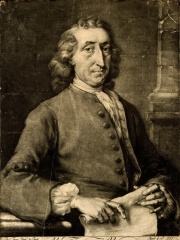
Thomas Wright
1711 - 1786
HPI: 59.19
Rank: 582
Ahmad ibn Yusuf
835 - 912
HPI: 59.19
Rank: 583
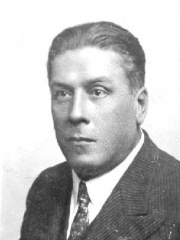
Stanisław Leśniewski
1886 - 1939
HPI: 59.18
Rank: 584
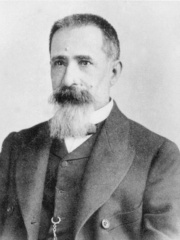
Ulisse Dini
1845 - 1918
HPI: 59.16
Rank: 585

Jacques Pelletier du Mans
1517 - 1583
HPI: 59.14
Rank: 586

Plato Tiburtinus
1110 - 1145
HPI: 59.14
Rank: 587
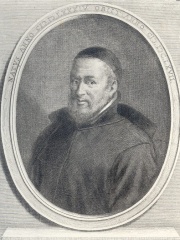
Grégoire de Saint-Vincent
1584 - 1667
HPI: 59.10
Rank: 588
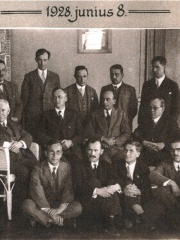
Lipót Fejér
1880 - 1959
HPI: 59.08
Rank: 589

Contemporaries
Among people born in 835, Ahmad ibn Yusuf ranks 6. Before him are Louis the Younger, Lothair II, Ahmad ibn Tulun, Siemowit, and Conrad II, Duke of Transjurane Burgundy. Among people deceased in 912, Ahmad ibn Yusuf ranks 10. Before him are Ibn Khordadbeh, Abdullah ibn Muhammad al-Umawi, Rudolph I of Burgundy, Zhu Wen, Notker the Stammerer, and Smbat I of Armenia.
Others Born in 835
Go to all Rankings
Louis the Younger
POLITICIAN
835 - 882
HPI: 71.45
Rank: 1
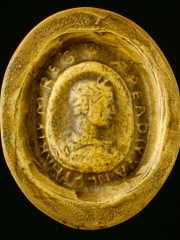
Lothair II
POLITICIAN
835 - 869
HPI: 71.33
Rank: 2
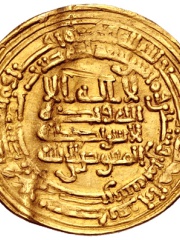
Ahmad ibn Tulun
POLITICIAN
835 - 884
HPI: 67.50
Rank: 3
Siemowit
POLITICIAN
835 - 892
HPI: 65.89
Rank: 4

Conrad II, Duke of Transjurane Burgundy
NOBLEMAN
835 - 876
HPI: 62.24
Rank: 5
Ahmad ibn Yusuf
MATHEMATICIAN
835 - 912
HPI: 59.19
Rank: 6
Others Deceased in 912
Go to all Rankings
Ibn Khordadbeh
GEOGRAPHER
820 - 912
HPI: 70.08
Rank: 4
Abdullah ibn Muhammad al-Umawi
POLITICIAN
844 - 912
HPI: 67.33
Rank: 5

Rudolph I of Burgundy
POLITICIAN
859 - 912
HPI: 65.73
Rank: 6

Zhu Wen
POLITICIAN
852 - 912
HPI: 65.41
Rank: 7

Notker the Stammerer
WRITER
840 - 912
HPI: 64.47
Rank: 8

Smbat I of Armenia
POLITICIAN
850 - 912
HPI: 64.31
Rank: 9
Ahmad ibn Yusuf
MATHEMATICIAN
835 - 912
HPI: 59.19
Rank: 10
In العراق
Among people born in العراق, Ahmad ibn Yusuf ranks 277 out of NaN. Before him are Ali Akbar Salehi (1949), Abu Firas al-Hamdani (932), Nazik Al-Malaika (1923), Isidore of Charax (-50), Muhammad al-Sadr (1943), and Entemena (-2430). After him are Ashur-resh-ishi II (-1100), Ibn Abi'l-Hadid (1190), Kurigalzu II (-1400), Jacob of Serugh (451), Abu Isa al-Warraq (null), and Enlil-kudurri-usur (-1300).
Others born in العراق
Go to all Rankings
Ali Akbar Salehi
POLITICIAN
1949 - Present
HPI: 59.40
Rank: 271
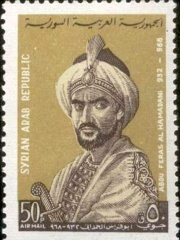
Abu Firas al-Hamdani
WRITER
932 - 968
HPI: 59.37
Rank: 272

Nazik Al-Malaika
WRITER
1923 - 2007
HPI: 59.37
Rank: 273

Isidore of Charax
EXPLORER
50 BC - 100
HPI: 59.33
Rank: 274
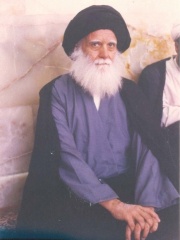
Muhammad al-Sadr
RELIGIOUS FIGURE
1943 - 1999
HPI: 59.29
Rank: 275
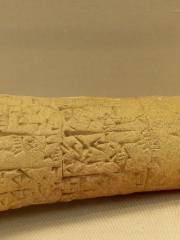
Entemena
POLITICIAN
2430 BC - 2389 BC
HPI: 59.24
Rank: 276
Ahmad ibn Yusuf
MATHEMATICIAN
835 - 912
HPI: 59.19
Rank: 277

Ashur-resh-ishi II
POLITICIAN
1100 BC - 967 BC
HPI: 59.15
Rank: 278

Ibn Abi'l-Hadid
PHILOSOPHER
1190 - 1258
HPI: 59.06
Rank: 279
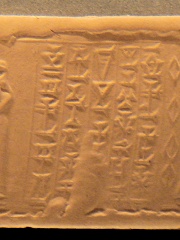
Kurigalzu II
POLITICIAN
1400 BC - 1400 BC
HPI: 58.94
Rank: 280

Jacob of Serugh
WRITER
451 - 521
HPI: 58.89
Rank: 281

Abu Isa al-Warraq
WRITER
HPI: 58.87
Rank: 282

Enlil-kudurri-usur
POLITICIAN
1300 BC - 1200 BC
HPI: 58.83
Rank: 283
Among عالم رياضيات In العراق
Among عالم رياضيات born in العراق, Ahmad ibn Yusuf ranks 6. Before him are Muḥammad ibn Ibrāhīm al-Fazārī (746), Al-Samawal al-Maghribi (1130), Yaʿqūb ibn Ṭāriq (800), Abu Mansur al-Baghdadi (980), and Ibrahim ibn Sinan (908).

Muḥammad ibn Ibrāhīm al-Fazārī
746 - 806
HPI: 63.63
Rank: 1
Al-Samawal al-Maghribi
1130 - 1180
HPI: 60.90
Rank: 2

Yaʿqūb ibn Ṭāriq
800 - Present
HPI: 60.88
Rank: 3

Abu Mansur al-Baghdadi
980 - 1037
HPI: 60.86
Rank: 4

Ibrahim ibn Sinan
908 - 946
HPI: 59.81
Rank: 5
Ahmad ibn Yusuf
835 - 912
HPI: 59.19
Rank: 6




