Figura religiosa
Fatima al-Fihri
800 - 880
IT.WIKIPEDIA PAGE VIEWS (PV)
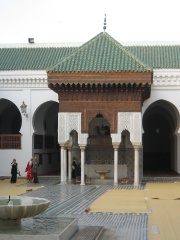
 Fatima al-Fihri
La sua biografia è disponibile in 38 lingue su Wikipedia (in aumento rispetto a 32 nel 2024). Fatima al-Fihri è la 452ª figura religiosa più popolare (in aumento dal 687ª nel 2024), la 12ª biografia più popolare della Tunisia (in aumento dal 19ª nel 2019) e la 2ª figura religiosa più popolare della Tunisia.
Memorability Metrics
190k
Page Views
Past 12 months
74.98
HPI
Historical Popularity Index
Page views of Fatima al-Fihri by language
Among Figura religiosas
Among figura religiosas, Fatima al-Fihri ranks 452 out of 3,187. Before her are Ruqayyah bint Muhammad, Pope Nicholas I, Pope Anterus, Pope Stephen VII, Theodore of Amasea, and Marcion of Sinope. After her are Robert Sarah, Maximilian Kolbe, Pope Victor I, Saint Sarah, Pope John III, and Salome.
Most Popular Figura Religiosas in Wikipedia
Go to all Rankings

Ruqayyah bint Muhammad
598 - 624
HPI: 75.14
Rank: 446
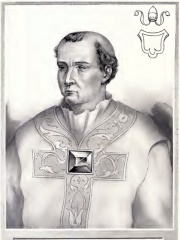
Pope Nicholas I
800 - 867
HPI: 75.11
Rank: 447
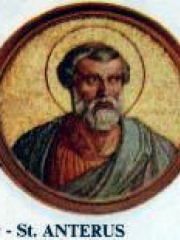
Pope Anterus
180 - 236
HPI: 75.10
Rank: 448
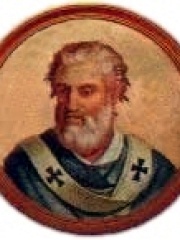
Pope Stephen VII
850 - 931
HPI: 75.09
Rank: 449
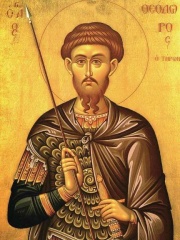
Theodore of Amasea
300 - 306
HPI: 75.01
Rank: 450
Marcion of Sinope
85 - 160
HPI: 75.01
Rank: 451
Fatima al-Fihri
800 - 880
HPI: 74.98
Rank: 452
Robert Sarah
1945 - Present
HPI: 74.98
Rank: 453
Maximilian Kolbe
1894 - 1941
HPI: 74.97
Rank: 454
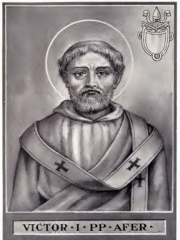
Pope Victor I
100 - 199
HPI: 74.96
Rank: 455
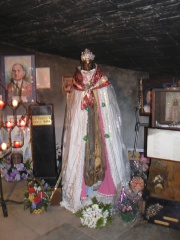
Saint Sarah
100 - 100
HPI: 74.94
Rank: 456
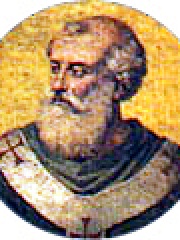
Pope John III
520 - 574
HPI: 74.93
Rank: 457
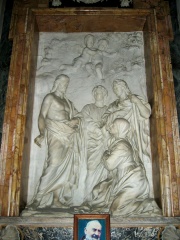
Salome
50 - 100
HPI: 74.90
Rank: 458

Contemporaries
Among people born in 800, Fatima al-Fihri ranks 7. Before her are Ecgberht, King of Wessex, Pope Boniface VI, Björn Ironside, Pope Adrian III, Pope Sergius II, and Pope Nicholas I. After her are Offa of Mercia, Sigurd Ring, Piast the Wheelwright, Antipope Philip, Ælla of Northumbria, and Al-Muqanna. Among people deceased in 880, Fatima al-Fihri ranks 1. After her are Carloman of Bavaria, Bruno, Duke of Saxony, Al-Mahani, and Ariwara no Narihira.
Others Born in 800
Go to all Rankings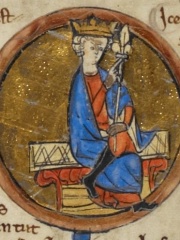
Ecgberht, King of Wessex
POLITICIAN
800 - 839
HPI: 83.72
Rank: 1
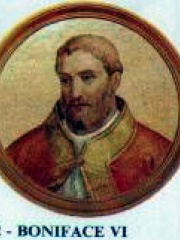
Pope Boniface VI
RELIGIOUS FIGURE
800 - 896
HPI: 77.65
Rank: 2

Björn Ironside
POLITICIAN
800 - 876
HPI: 76.78
Rank: 3
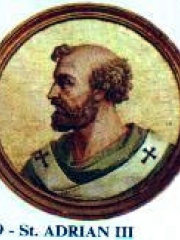
Pope Adrian III
RELIGIOUS FIGURE
800 - 885
HPI: 76.07
Rank: 4
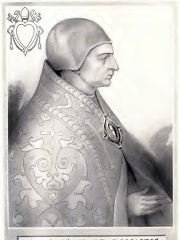
Pope Sergius II
RELIGIOUS FIGURE
800 - 847
HPI: 75.83
Rank: 5
Pope Nicholas I
RELIGIOUS FIGURE
800 - 867
HPI: 75.11
Rank: 6
Fatima al-Fihri
RELIGIOUS FIGURE
800 - 880
HPI: 74.98
Rank: 7
Offa of Mercia
POLITICIAN
800 - 796
HPI: 72.13
Rank: 8
Sigurd Ring
POLITICIAN
800 - Present
HPI: 70.56
Rank: 9
Piast the Wheelwright
POLITICIAN
800 - 870
HPI: 69.11
Rank: 10

Antipope Philip
RELIGIOUS FIGURE
800 - 769
HPI: 68.93
Rank: 11
Ælla of Northumbria
POLITICIAN
800 - 867
HPI: 68.57
Rank: 12

Al-Muqanna
POLITICIAN
800 - 783
HPI: 68.07
Rank: 13
Others Deceased in 880
Go to all RankingsFatima al-Fihri
RELIGIOUS FIGURE
800 - 880
HPI: 74.98
Rank: 1

Carloman of Bavaria
POLITICIAN
830 - 880
HPI: 72.50
Rank: 2

Bruno, Duke of Saxony
NOBLEMAN
850 - 880
HPI: 64.08
Rank: 3

Al-Mahani
MATHEMATICIAN
820 - 880
HPI: 61.71
Rank: 4

Ariwara no Narihira
WRITER
825 - 880
HPI: 61.59
Rank: 5
In Tunisia
Among people born in Tunisia, Fatima al-Fihri ranks 12 out of NaN. Before her are Tertullian (155), Cyprian (200), Hasdrubal Barca (-300), Zine El Abidine Ben Ali (1936), Habib Bourguiba (1903), and Gordian II (190). After her are Masinissa (-238), Hamilcar Barca (-275), Clodius Albinus (150), Mago Barca (-243), Quintus Caecilius Metellus Pius Scipio Nasica (-100), and Fouad Mebazaa (1933).
Others born in Tunisia
Go to all Rankings
Tertullian
PHILOSOPHER
155 - 220
HPI: 78.04
Rank: 6
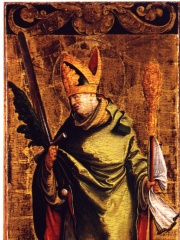
Cyprian
RELIGIOUS FIGURE
200 - 258
HPI: 76.90
Rank: 7
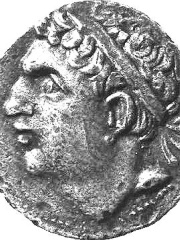
Hasdrubal Barca
MILITARY PERSONNEL
300 BC - 221 BC
HPI: 76.64
Rank: 8
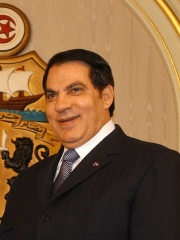
Zine El Abidine Ben Ali
POLITICIAN
1936 - 2019
HPI: 76.34
Rank: 9
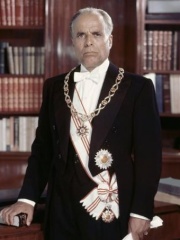
Habib Bourguiba
POLITICIAN
1903 - 2000
HPI: 75.92
Rank: 10
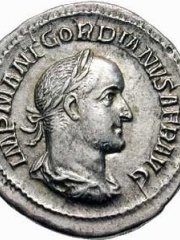
Gordian II
POLITICIAN
190 - 238
HPI: 75.62
Rank: 11
Fatima al-Fihri
RELIGIOUS FIGURE
800 - 880
HPI: 74.98
Rank: 12
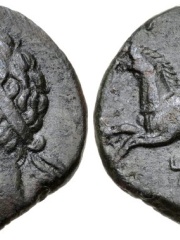
Masinissa
POLITICIAN
238 BC - 148 BC
HPI: 74.56
Rank: 13
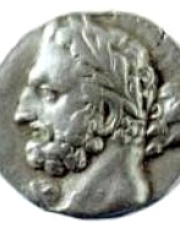
Hamilcar Barca
MILITARY PERSONNEL
275 BC - 228 BC
HPI: 74.41
Rank: 14
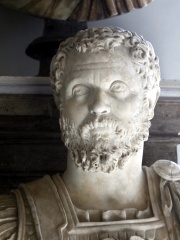
Clodius Albinus
POLITICIAN
150 - 197
HPI: 73.92
Rank: 15

Mago Barca
POLITICIAN
243 BC - 203 BC
HPI: 73.63
Rank: 16

Quintus Caecilius Metellus Pius Scipio Nasica
POLITICIAN
100 BC - 46 BC
HPI: 72.35
Rank: 17
Fouad Mebazaa
POLITICIAN
1933 - 2025
HPI: 72.12
Rank: 18
Among Figura religiosas In Tunisia
Among figura religiosas born in Tunisia, Fatima al-Fihri ranks 2. Before her are Cyprian (200). After her are Julia of Corsica (420), Fulgentius of Ruspe (468), and Youssef Rzouga (1957).
Cyprian
200 - 258
HPI: 76.90
Rank: 1
Fatima al-Fihri
800 - 880
HPI: 74.98
Rank: 2
Julia of Corsica
420 - 450
HPI: 69.83
Rank: 3

Fulgentius of Ruspe
468 - 533
HPI: 64.74
Rank: 4

Youssef Rzouga
1957 - Present
HPI: 53.76
Rank: 5




