Pittore
Hubert van Eyck
1366 - 1426
VISUALIZZAZIONI SU IT.WIKIPEDIA (PV)
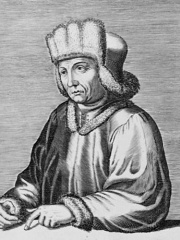
 Hubert van Eyck
La sua biografia è disponibile in 29 lingue su Wikipedia (in aumento rispetto a 28 nel 2024). Hubert van Eyck è il 277° pittore più popolare (in calo dal 252° nel 2024), la 92ª biografia più popolare della Belgio (in calo dal 90ª nel 2019) e il 12° pittore più popolare della Belgio.
Metriche di memorabilità
24k
Visualizzazioni
Ultimi 12 mesi
70.27
HPI
Indice di popolarità storica
Dati in evidenza
#92 / 1,454
Hubert van Eyck occupa la posizione n. 92 tra le 1,454 persone di Pantheon nate in Belgio, nel 7% più alto del gruppo.
Visualizzazioni della pagina di Hubert van Eyck per lingua
Tra Pittore
Tra Pittore, Hubert van Eyck occupa la posizione 277 su 2,055. Prima di lui ci sono Carel Fabritius, Gerda Wegener, Gerrit Dou, Vilhelm Hammershøi, Angela Hitler, e Orazio Gentileschi. Dopo di lui ci sono François Gérard, Pieter Aertsen, Lucas van Leyden, Lorenzo di Credi, Bettina Heinen-Ayech, e Pietro Lorenzetti.
Pittore più popolari su Wikipedia
Vai a tutte le classifiche
Carel Fabritius
1622 - 1654
HPI: 70.32
Posizione: 271
Gerda Wegener
1886 - 1940
HPI: 70.31
Posizione: 272
Gerrit Dou
1613 - 1675
HPI: 70.30
Posizione: 273
Vilhelm Hammershøi
1864 - 1916
HPI: 70.30
Posizione: 274
Angela Hitler
1883 - 1949
HPI: 70.29
Posizione: 275
Orazio Gentileschi
1563 - 1639
HPI: 70.27
Posizione: 276
Hubert van Eyck
1366 - 1426
HPI: 70.27
Posizione: 277
François Gérard
1770 - 1837
HPI: 70.27
Posizione: 278
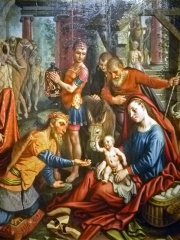
Pieter Aertsen
1508 - 1575
HPI: 70.26
Posizione: 279
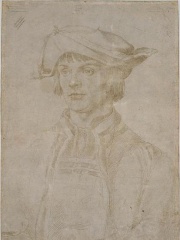
Lucas van Leyden
1494 - 1533
HPI: 70.25
Posizione: 280
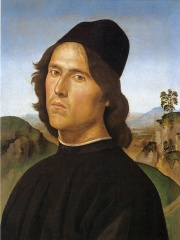
Lorenzo di Credi
1459 - 1537
HPI: 70.22
Posizione: 281
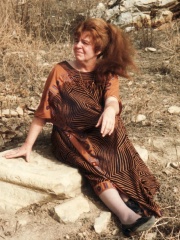
Bettina Heinen-Ayech
1937 - 2020
HPI: 70.20
Posizione: 282
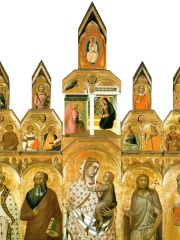
Pietro Lorenzetti
1280 - 1348
HPI: 70.19
Posizione: 283

Contemporanei
Tra le persone nate nel 1366, Hubert van Eyck occupa la posizione 1. Dopo di lui ci sono Anne of Bohemia, Jean II Le Maingre, Miran Shah, George VII of Georgia, e Francesco I Gonzaga. Tra le persone decedute nel 1426, Hubert van Eyck occupa la posizione 1. Dopo di lui ci sono Pippo Spano, e Siemowit IV, Duke of Masovia.
Altre persone nate nel 1366
Vai a tutte le classificheHubert van Eyck
PAINTER
1366 - 1426
HPI: 70.27
Posizione: 1
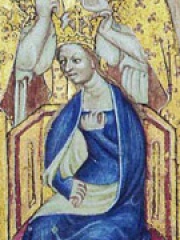
Anne of Bohemia
COMPANION
1366 - 1394
HPI: 69.54
Posizione: 2
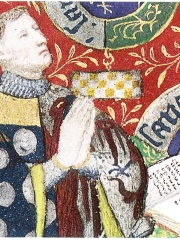
Jean II Le Maingre
MILITARY PERSONNEL
1366 - 1421
HPI: 68.22
Posizione: 3
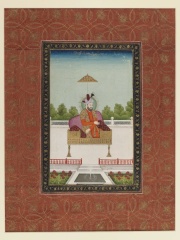
Miran Shah
POLITICIAN
1366 - 1408
HPI: 67.55
Posizione: 4
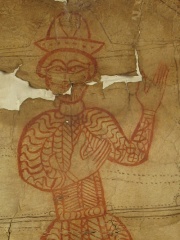
George VII of Georgia
POLITICIAN
1366 - 1407
HPI: 60.72
Posizione: 5
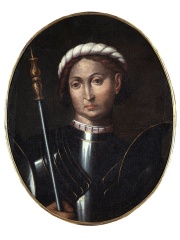
Francesco I Gonzaga
POLITICIAN
1366 - 1407
HPI: 59.88
Posizione: 6
Altre persone decedute nel 1426
Vai a tutte le classificheHubert van Eyck
PAINTER
1366 - 1426
HPI: 70.27
Posizione: 1
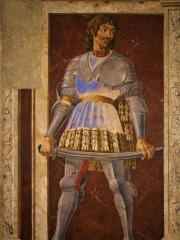
Pippo Spano
POLITICIAN
1369 - 1426
HPI: 62.63
Posizione: 2
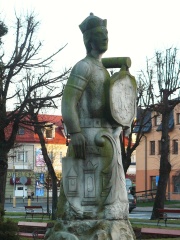
Siemowit IV, Duke of Masovia
POLITICIAN
1352 - 1426
HPI: 61.27
Posizione: 3
In Belgio
Tra le persone nate in Belgio, Hubert van Eyck occupa la posizione 92 su 1,454. Prima di lui ci sono Adrian Willaert (1490), Émile Verhaeren (1855), Henri Vieuxtemps (1820), Henry V, Count of Luxembourg (1217), Ernest Solvay (1838), e Morris (1923). Dopo di lui ci sono Matilda of Flanders (1031), Princess Louise of Belgium (1858), Jacques Piccard (1922), Philippe de Champaigne (1602), Rik Van Looy (1933), e Margaret III, Countess of Flanders (1350).
Altre persone nate in Belgio
Vai a tutte le classifiche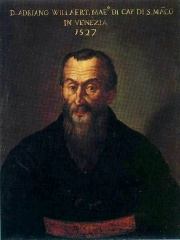
Adrian Willaert
COMPOSER
1490 - 1562
HPI: 71.12
Posizione: 86
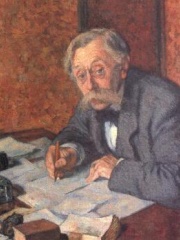
Émile Verhaeren
WRITER
1855 - 1916
HPI: 71.02
Posizione: 87
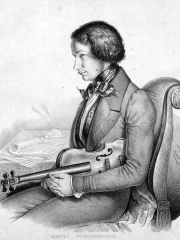
Henri Vieuxtemps
COMPOSER
1820 - 1881
HPI: 70.77
Posizione: 88
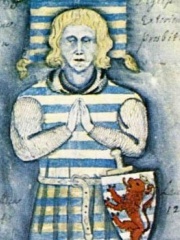
Henry V, Count of Luxembourg
POLITICIAN
1217 - 1281
HPI: 70.65
Posizione: 89
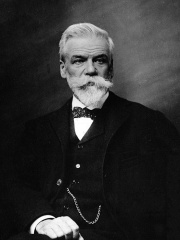
Ernest Solvay
CHEMIST
1838 - 1922
HPI: 70.63
Posizione: 90
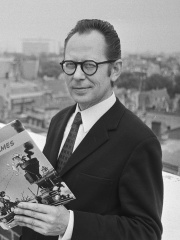
Morris
COMIC ARTIST
1923 - 2001
HPI: 70.35
Posizione: 91
Hubert van Eyck
PAINTER
1366 - 1426
HPI: 70.27
Posizione: 92
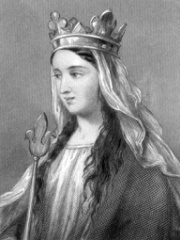
Matilda of Flanders
COMPANION
1031 - 1083
HPI: 70.25
Posizione: 93
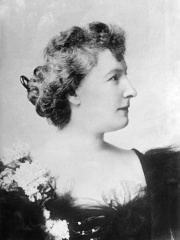
Princess Louise of Belgium
POLITICIAN
1858 - 1924
HPI: 70.24
Posizione: 94
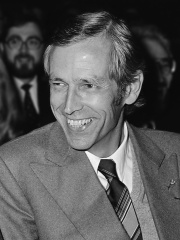
Jacques Piccard
INVENTOR
1922 - 2008
HPI: 69.96
Posizione: 95
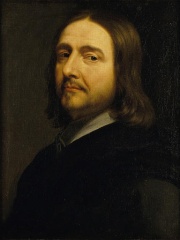
Philippe de Champaigne
PAINTER
1602 - 1674
HPI: 69.95
Posizione: 96
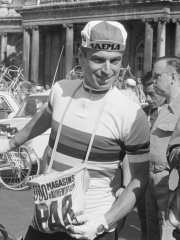
Rik Van Looy
CYCLIST
1933 - 2024
HPI: 69.87
Posizione: 97
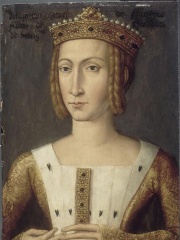
Margaret III, Countess of Flanders
POLITICIAN
1350 - 1405
HPI: 69.79
Posizione: 98
Tra Pittore in Belgio
Tra Pittore nati in Belgio, Hubert van Eyck occupa la posizione 12. Prima di lui ci sono Pieter Brueghel the Younger (1564), Jan Brueghel the Elder (1568), Jacob Jordaens (1593), James Ensor (1860), Hugo van der Goes (1440), e Quentin Matsys (1466). Dopo di lui ci sono Philippe de Champaigne (1602), Paul Delvaux (1897), Joachim Patinir (1480), Pieter Claesz (1596), Jan Brueghel the Younger (1601), e Karel van Mander (1548).
Pieter Brueghel the Younger
1564 - 1636
HPI: 75.41
Posizione: 6
Jan Brueghel the Elder
1568 - 1625
HPI: 74.63
Posizione: 7
Jacob Jordaens
1593 - 1678
HPI: 73.06
Posizione: 8
James Ensor
1860 - 1949
HPI: 72.94
Posizione: 9
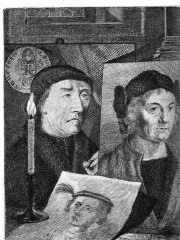
Hugo van der Goes
1440 - 1482
HPI: 72.83
Posizione: 10
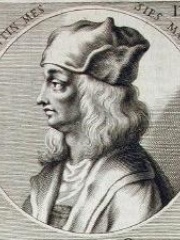
Quentin Matsys
1466 - 1530
HPI: 72.35
Posizione: 11
Hubert van Eyck
1366 - 1426
HPI: 70.27
Posizione: 12
Philippe de Champaigne
1602 - 1674
HPI: 69.95
Posizione: 13
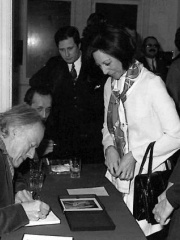
Paul Delvaux
1897 - 1994
HPI: 69.65
Posizione: 14
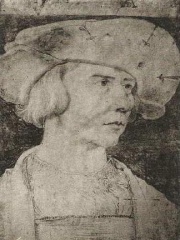
Joachim Patinir
1480 - 1524
HPI: 69.58
Posizione: 15
Pieter Claesz
1596 - 1660
HPI: 69.56
Posizione: 16
Jan Brueghel the Younger
1601 - 1678
HPI: 69.55
Posizione: 17
Karel van Mander
1548 - 1606
HPI: 69.47
Posizione: 18




