Politicien
Judah ha-Nasi
135 - 217
FR.WIKIPEDIA PAGE VIEWS (PV)

 Judah ha-Nasi
Sa biographie est disponible en 28 langues sur Wikipédia (en hausse par rapport à 27 en 2024). Judah ha-Nasi est le 4,149th politicien le plus populaire (en baisse du 3,401st en 2024), la 118th biographie la plus populaire d'Israël (en baisse du 114th en 2019), ainsi que le 47th politicien d'Israël le plus populaire.
Memorability Metrics
100k
Page Views
Past 12 months
67.72
HPI
Historical Popularity Index
Page views of Judah ha-Nasi by language
Among Politiciens
Among politiciens, Judah ha-Nasi ranks 4,147 out of 19,576. Before him are Emperor Yuan of Han, Rudolf Slánský, Venustiano Carranza, Antiochus XIII Asiaticus, Afonso I of Kongo, and David Dacko. After him are Princess Irene of the Netherlands, Emperor Shōkō, Yeon Gaesomun, Magnus III of Sweden, Edward of Norwich, 2nd Duke of York, and István Tisza.
Most Popular Politiciens in Wikipedia
Go to all Rankings

Emperor Yuan of Han
75 BC - 33 BC
HPI: 67.74
Rank: 4,143
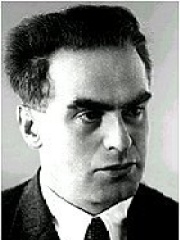
Rudolf Slánský
1901 - 1952
HPI: 67.74
Rank: 4,144
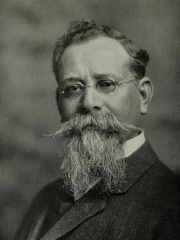
Venustiano Carranza
1859 - 1920
HPI: 67.73
Rank: 4,145
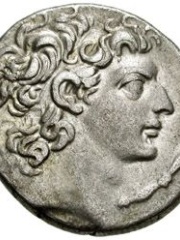
Antiochus XIII Asiaticus
85 BC - 64 BC
HPI: 67.73
Rank: 4,146
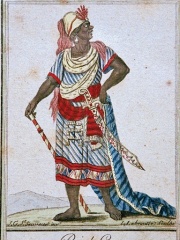
Afonso I of Kongo
1456 - 1543
HPI: 67.73
Rank: 4,147
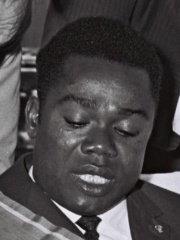
David Dacko
1930 - 2003
HPI: 67.73
Rank: 4,148
Judah ha-Nasi
135 - 217
HPI: 67.72
Rank: 4,149
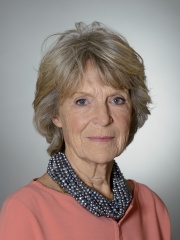
Princess Irene of the Netherlands
1939 - Present
HPI: 67.72
Rank: 4,150
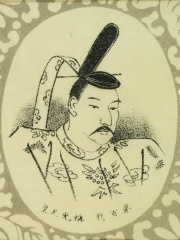
Emperor Shōkō
1401 - 1428
HPI: 67.72
Rank: 4,151

Yeon Gaesomun
603 - 666
HPI: 67.72
Rank: 4,152
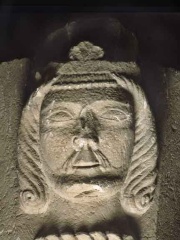
Magnus III of Sweden
1240 - 1290
HPI: 67.72
Rank: 4,153
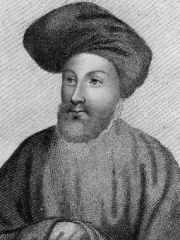
Edward of Norwich, 2nd Duke of York
1373 - 1415
HPI: 67.72
Rank: 4,154

István Tisza
1861 - 1918
HPI: 67.71
Rank: 4,155

Contemporaries
Among people born in 135, Judah ha-Nasi ranks 2. Before him is Pescennius Niger. After him is He Jin. Among people deceased in 217, Judah ha-Nasi ranks 4. Before him are Caracalla, Julia Domna, and Pope Zephyrinus. After him are Khosrov I of Armenia, and Philadelphus of Byzantium.
Others Born in 135
Go to all Rankings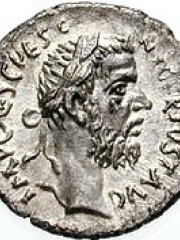
Pescennius Niger
POLITICIAN
135 - 194
HPI: 73.20
Rank: 1
Judah ha-Nasi
POLITICIAN
135 - 217
HPI: 67.72
Rank: 2

He Jin
MILITARY PERSONNEL
135 - 189
HPI: 66.61
Rank: 3
Others Deceased in 217
Go to all Rankings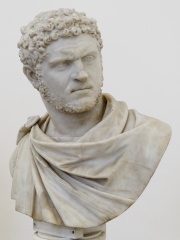
Caracalla
POLITICIAN
188 - 217
HPI: 86.14
Rank: 1
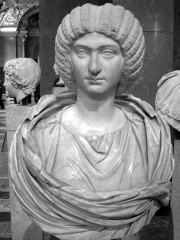
Julia Domna
COMPANION
160 - 217
HPI: 75.35
Rank: 2
Pope Zephyrinus
RELIGIOUS FIGURE
150 - 217
HPI: 75.21
Rank: 3
Judah ha-Nasi
POLITICIAN
135 - 217
HPI: 67.72
Rank: 4

Khosrov I of Armenia
NOBLEMAN
HPI: 57.69
Rank: 5

Philadelphus of Byzantium
RELIGIOUS FIGURE
200 - 217
HPI: 56.71
Rank: 6
In Israël
Among people born in Israël, Judah ha-Nasi ranks 118 out of NaN. Before him are Frederick VI, Duke of Swabia (1167), Isaac Luria (1534), Philip the Evangelist (100), Ghassan Kanafani (1936), Aristobulus II (-100), and Arieh Warshel (1940). After him are Antiochus of Ascalon (-130), David Grossman (1954), Barak (null), Saint Petronilla (50), Yigal Allon (1918), and Simeon of Jerusalem (100).
Others born in Israël
Go to all Rankings
Frederick VI, Duke of Swabia
NOBLEMAN
1167 - 1191
HPI: 68.52
Rank: 112
Isaac Luria
RELIGIOUS FIGURE
1534 - 1572
HPI: 68.41
Rank: 113
Philip the Evangelist
RELIGIOUS FIGURE
100 - 100
HPI: 68.41
Rank: 114

Ghassan Kanafani
WRITER
1936 - 1972
HPI: 68.23
Rank: 115
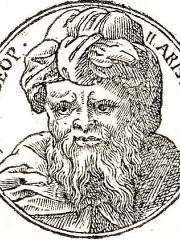
Aristobulus II
POLITICIAN
100 BC - 49 BC
HPI: 68.01
Rank: 116
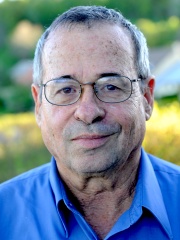
Arieh Warshel
CHEMIST
1940 - Present
HPI: 68.01
Rank: 117
Judah ha-Nasi
POLITICIAN
135 - 217
HPI: 67.72
Rank: 118

Antiochus of Ascalon
PHILOSOPHER
130 BC - 68 BC
HPI: 67.55
Rank: 119

David Grossman
WRITER
1954 - Present
HPI: 67.54
Rank: 120
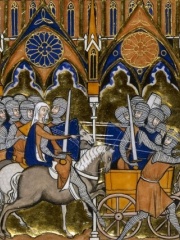
Barak
POLITICIAN
HPI: 67.45
Rank: 121

Saint Petronilla
RELIGIOUS FIGURE
50 - 100
HPI: 67.34
Rank: 122
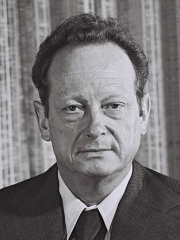
Yigal Allon
POLITICIAN
1918 - 1980
HPI: 67.24
Rank: 123
Simeon of Jerusalem
RELIGIOUS FIGURE
100 - 107
HPI: 67.20
Rank: 124
Among Politiciens In Israël
Among politiciens born in Israël, Judah ha-Nasi ranks 47. Before him are Melisende, Queen of Jerusalem (1105), Israel Katz (1955), Jonathan Apphus (-200), Yitzhak Navon (1921), Abdel Aziz al-Rantisi (1947), and Aristobulus II (-100). After him are Barak (null), Yigal Allon (1918), Tzipi Livni (1958), Al-Afdal Shahanshah (1066), Yair Lapid (1963), and Valerius Gratus (-50).

Melisende, Queen of Jerusalem
1105 - 1161
HPI: 69.88
Rank: 41
Israel Katz
1955 - Present
HPI: 69.39
Rank: 42
Jonathan Apphus
200 BC - 143 BC
HPI: 69.38
Rank: 43
Yitzhak Navon
1921 - 2015
HPI: 69.16
Rank: 44

Abdel Aziz al-Rantisi
1947 - 2004
HPI: 68.97
Rank: 45
Aristobulus II
100 BC - 49 BC
HPI: 68.01
Rank: 46
Judah ha-Nasi
135 - 217
HPI: 67.72
Rank: 47
Barak
HPI: 67.45
Rank: 48
Yigal Allon
1918 - 1980
HPI: 67.24
Rank: 49
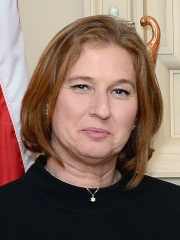
Tzipi Livni
1958 - Present
HPI: 67.06
Rank: 50
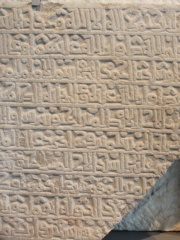
Al-Afdal Shahanshah
1066 - 1121
HPI: 66.79
Rank: 51

Yair Lapid
1963 - Present
HPI: 66.66
Rank: 52

Valerius Gratus
50 BC - 100
HPI: 65.59
Rank: 53




