Odkrywca
Ferdynand Magellan
1480 - 1521
WYŚWIETLENIA PL.WIKIPEDIA (PV)
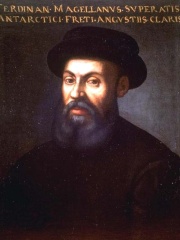
 Ferdynand Magellan
Jego biografia jest dostępna w 176 różnych językach w Wikipedii (wzrost z 168 w 2024 roku). Ferdynand Magellan jest 3. najpopularniejszym odkrywca, najpopularniejszą biografią Portugalia oraz najpopularniejszym odkrywca Portugalia.
Wskaźniki rozpoznawalności
2.4M
Wyświetlenia strony
Ostatnie 12 miesięcy
92.62
HPI
Indeks historycznej popularności
Ciekawostki z danych
#1 / 750
Ferdynand Magellan to najwyżej sklasyfikowana z 750 postaci w Pantheonie urodzonych w kraju Portugalia.
176
Biografia postaci Ferdynand Magellan występuje w 176 wersjach językowych Wikipedii, w większej liczbie niż u 99% wszystkich Odkrywca.
40
Mimo życia trwającego zaledwie 40 lat Ferdynand Magellan zajmuje 3. miejsce wśród wszystkich Odkrywca w historii.
Wyświetlenia strony Ferdynand Magellan według języka
Wśród przedstawicieli zawodu Odkrywca
Wśród przedstawicieli zawodu „Odkrywca” Ferdynand Magellan zajmuje 3. miejsce na 500. Przed nim są Marco Polo, i Christopher Columbus. Po nim są Vasco da Gama, Leif Erikson, Amerigo Vespucci, Hernán Cortés, Ibn Battuta, Roald Amundsen, Bartolomeu Dias, Prince Henry the Navigator, i Zheng He.
Najpopularniejsi w Wikipedii: Odkrywca
Zobacz wszystkie rankingi
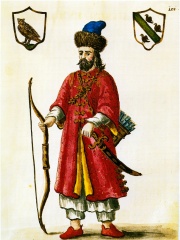
Marco Polo
1254 - 1324
HPI: 96.21
Miejsce: 1
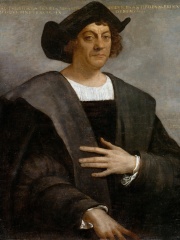
Christopher Columbus
1451 - 1506
HPI: 94.91
Miejsce: 2
Ferdinand Magellan
1480 - 1521
HPI: 92.62
Miejsce: 3
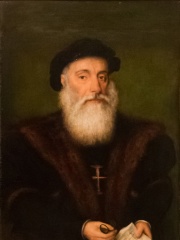
Vasco da Gama
1460 - 1524
HPI: 91.06
Miejsce: 4
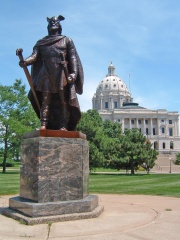
Leif Erikson
970 - 1020
HPI: 88.25
Miejsce: 5
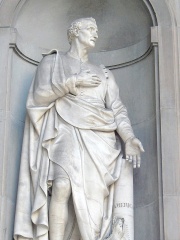
Amerigo Vespucci
1454 - 1512
HPI: 86.55
Miejsce: 6
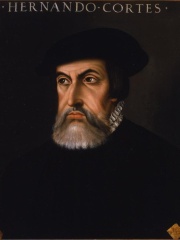
Hernán Cortés
1485 - 1547
HPI: 85.59
Miejsce: 7
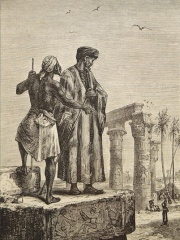
Ibn Battuta
1304 - 1368
HPI: 85.06
Miejsce: 8
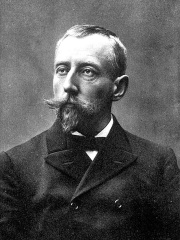
Roald Amundsen
1872 - 1928
HPI: 84.99
Miejsce: 9
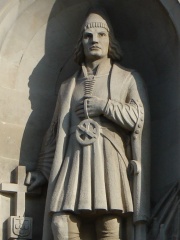
Bartolomeu Dias
1450 - 1500
HPI: 84.66
Miejsce: 10
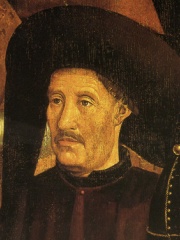
Prince Henry the Navigator
1394 - 1460
HPI: 84.33
Miejsce: 11
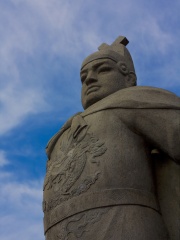
Zheng He
1387 - 1433
HPI: 84.21
Miejsce: 12

Współcześni
Wśród osób urodzonych w 1480 roku Ferdynand Magellan zajmuje 1. miejsce. Po nim są Lucrezia Borgia, Matthias Grünewald, Margaret of Austria, Duchess of Savoy, Albrecht Altdorfer, Lorenzo Lotto, Johann Georg Faust, Joachim Patinir, Gazi Husrev-beg, Götz von Berlichingen, Pier Gerlofs Donia, i Saint Cajetan. Wśród osób zmarłych w 1521 roku Ferdynand Magellan zajmuje 1. miejsce. Po nim są Pope Leo X, Manuel I of Portugal, Josquin des Prez, Juan Ponce de León, Sebastian Brant, Zhengde Emperor, Christina of Saxony, Raffaele Riario, Leonardo Loredan, Suzanne, Duchess of Bourbon, i Jorge Álvares.
Inne osoby urodzone w 1480 roku
Zobacz wszystkie rankingiFerdinand Magellan
EXPLORER
1480 - 1521
HPI: 92.62
Miejsce: 1
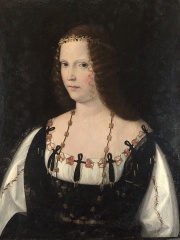
Lucrezia Borgia
NOBLEMAN
1480 - 1519
HPI: 82.13
Miejsce: 2
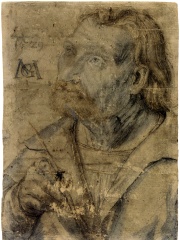
Matthias Grünewald
PAINTER
1480 - 1528
HPI: 76.21
Miejsce: 3
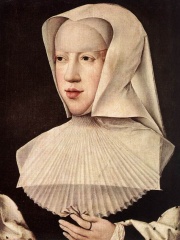
Margaret of Austria, Duchess of Savoy
POLITICIAN
1480 - 1530
HPI: 76.14
Miejsce: 4
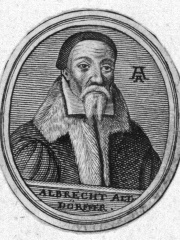
Albrecht Altdorfer
PAINTER
1480 - 1538
HPI: 74.90
Miejsce: 5
Lorenzo Lotto
PAINTER
1480 - 1556
HPI: 70.83
Miejsce: 6
Johann Georg Faust
INSPIRATION
1480 - 1541
HPI: 70.31
Miejsce: 7
Joachim Patinir
PAINTER
1480 - 1524
HPI: 69.58
Miejsce: 8
Gazi Husrev-beg
POLITICIAN
1480 - 1541
HPI: 69.49
Miejsce: 9
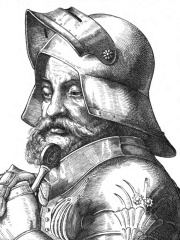
Götz von Berlichingen
MILITARY PERSONNEL
1480 - 1562
HPI: 68.80
Miejsce: 10
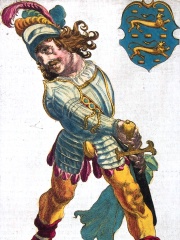
Pier Gerlofs Donia
SOCIAL ACTIVIST
1480 - 1520
HPI: 68.76
Miejsce: 11
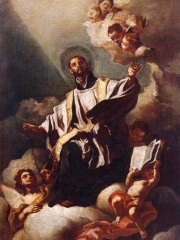
Saint Cajetan
RELIGIOUS FIGURE
1480 - 1547
HPI: 68.72
Miejsce: 12
Inne osoby zmarłe w 1521 roku
Zobacz wszystkie rankingiFerdinand Magellan
EXPLORER
1480 - 1521
HPI: 92.62
Miejsce: 1
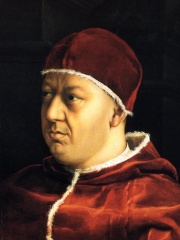
Pope Leo X
RELIGIOUS FIGURE
1475 - 1521
HPI: 84.22
Miejsce: 2
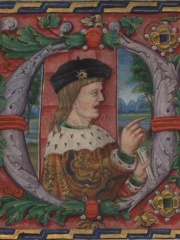
Manuel I of Portugal
POLITICIAN
1469 - 1521
HPI: 77.70
Miejsce: 3
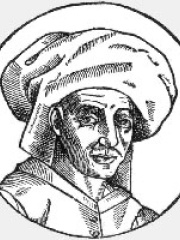
Josquin des Prez
COMPOSER
1450 - 1521
HPI: 76.33
Miejsce: 4
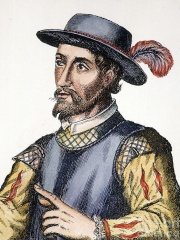
Juan Ponce de León
EXPLORER
1460 - 1521
HPI: 73.64
Miejsce: 5
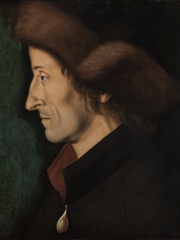
Sebastian Brant
PHILOSOPHER
1458 - 1521
HPI: 71.58
Miejsce: 6
Zhengde Emperor
POLITICIAN
1491 - 1521
HPI: 71.08
Miejsce: 7
Christina of Saxony
COMPANION
1461 - 1521
HPI: 68.25
Miejsce: 8
Raffaele Riario
RELIGIOUS FIGURE
1461 - 1521
HPI: 65.29
Miejsce: 9
Leonardo Loredan
POLITICIAN
1436 - 1521
HPI: 64.84
Miejsce: 10
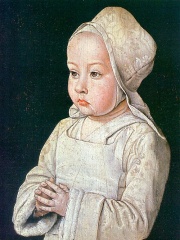
Suzanne, Duchess of Bourbon
POLITICIAN
1491 - 1521
HPI: 64.34
Miejsce: 11
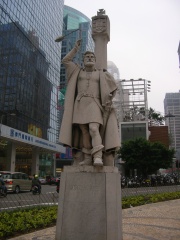
Jorge Álvares
EXPLORER
1401 - 1521
HPI: 62.61
Miejsce: 12
W kraju Portugalia
Wśród osób urodzonych w kraju Portugalia Ferdynand Magellan zajmuje 1. miejsce na 750. Po nim są Vasco da Gama (1460), Bartolomeu Dias (1450), Prince Henry the Navigator (1394), Anthony of Padua (1195), António de Oliveira Salazar (1889), José Saramago (1922), Pedro Álvares Cabral (1467), António Guterres (1949), Fernando Pessoa (1888), Luís de Camões (1524), i Cristiano Ronaldo (1985).
Inne osoby urodzone w kraju Portugalia
Zobacz wszystkie rankingiFerdinand Magellan
EXPLORER
1480 - 1521
HPI: 92.62
Miejsce: 1
Vasco da Gama
EXPLORER
1460 - 1524
HPI: 91.06
Miejsce: 2
Bartolomeu Dias
EXPLORER
1450 - 1500
HPI: 84.66
Miejsce: 3
Prince Henry the Navigator
EXPLORER
1394 - 1460
HPI: 84.33
Miejsce: 4
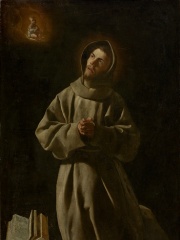
Anthony of Padua
RELIGIOUS FIGURE
1195 - 1231
HPI: 82.94
Miejsce: 5
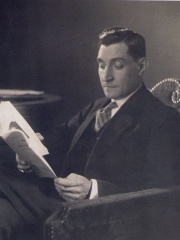
António de Oliveira Salazar
POLITICIAN
1889 - 1970
HPI: 81.59
Miejsce: 6

José Saramago
WRITER
1922 - 2010
HPI: 81.32
Miejsce: 7
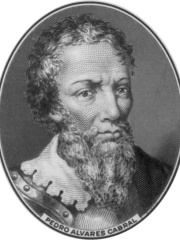
Pedro Álvares Cabral
EXPLORER
1467 - 1520
HPI: 80.00
Miejsce: 8
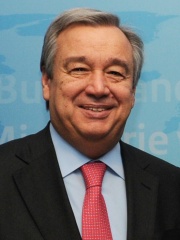
António Guterres
POLITICIAN
1949 - obecnie
HPI: 79.33
Miejsce: 9
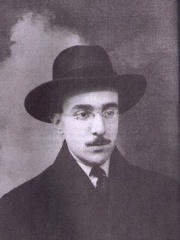
Fernando Pessoa
WRITER
1888 - 1935
HPI: 78.77
Miejsce: 10
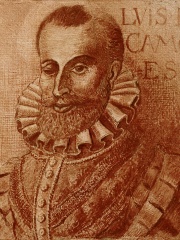
Luís de Camões
WRITER
1524 - 1580
HPI: 78.20
Miejsce: 11
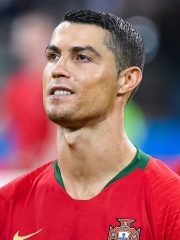
Cristiano Ronaldo
SOCCER PLAYER
1985 - obecnie
HPI: 77.77
Miejsce: 12
Wśród przedstawicieli zawodu Odkrywca w kraju Portugalia
Wśród przedstawicieli zawodu „Odkrywca” urodzonych w kraju Portugalia Ferdynand Magellan zajmuje 1. miejsce. Po nim są Vasco da Gama (1460), Bartolomeu Dias (1450), Prince Henry the Navigator (1394), Pedro Álvares Cabral (1467), Diogo Cão (1440), Pêro da Covilhã (1450), Diogo Dias (1450), Diego Columbus (1479), Tristão da Cunha (1460), Pedro Fernandes de Queirós (1565), i João Gonçalves Zarco (1390).
Ferdinand Magellan
1480 - 1521
HPI: 92.62
Miejsce: 1
Vasco da Gama
1460 - 1524
HPI: 91.06
Miejsce: 2
Bartolomeu Dias
1450 - 1500
HPI: 84.66
Miejsce: 3
Prince Henry the Navigator
1394 - 1460
HPI: 84.33
Miejsce: 4
Pedro Álvares Cabral
1467 - 1520
HPI: 80.00
Miejsce: 5
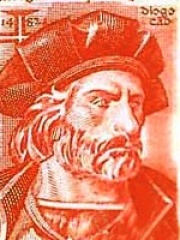
Diogo Cão
1440 - 1486
HPI: 71.23
Miejsce: 6
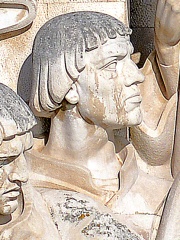
Pêro da Covilhã
1450 - 1530
HPI: 69.90
Miejsce: 7
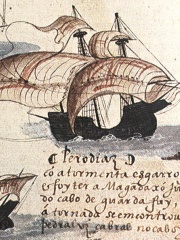
Diogo Dias
1450 - 1500
HPI: 69.51
Miejsce: 8
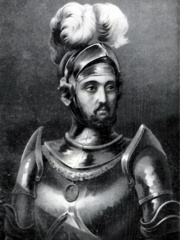
Diego Columbus
1479 - 1527
HPI: 68.73
Miejsce: 9
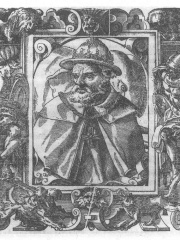
Tristão da Cunha
1460 - 1540
HPI: 68.52
Miejsce: 10
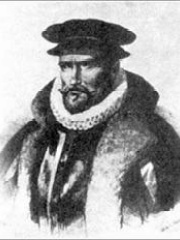
Pedro Fernandes de Queirós
1565 - 1614
HPI: 67.67
Miejsce: 11
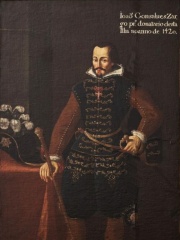
João Gonçalves Zarco
1390 - 1471
HPI: 67.42
Miejsce: 12




