Politikus
Eurycratides
600 BC - 590 BC

 Eurycratides
Életrajza 22 különböző nyelven érhető el a Wikipédián. Eurycratides a 11,247th legnépszerűbb politikus (csökkenés a 10,173rd-ről 2024-ben), a 558th legnépszerűbb életrajz Görögország országából (csökkenés a 513th-ről 2019-ben) és a 235th legnépszerűbb Görögországból politikus.
Ismertségi mutatók
7.3k
Oldalmegtekintések
Elmúlt 12 hónap
60.11
HPI
Történelmi népszerűségi index
Adatérdekességek
#36,730
Több mint 26 évszázaddal a halála után Eurycratides még mindig a(z) 36,730. helyen áll a Pantheon összes személyisége között.
Eurycratides oldalmegtekintései nyelvenként
A(z) Politikus között
A(z) Politikus között Eurycratides a(z) 11,241. helyen áll 19,576 közül. Előtte állnak: Vadim Krasnoselsky, Emperor Xiaowu of Song, Slavica Đukić Dejanović, Branko Kostić, Alberto Demicheli, és Vlas Chubar. Utána következnek: Yamamoto Kansuke, Anthony Panizzi, Marcantonio Trivisan, Princess Anna of Hesse and by Rhine, Mehmed Orhan, és Adlai Stevenson I.
A legnépszerűbb Politikus a Wikipédián
Összes rangsor megtekintése

Vadim Krasnoselsky
1970 - napjainkig
HPI: 60.11
Helyezés: 11,241
Emperor Xiaowu of Song
430 - 464
HPI: 60.11
Helyezés: 11,242
Slavica Đukić Dejanović
1951 - napjainkig
HPI: 60.11
Helyezés: 11,243
Branko Kostić
1939 - 2020
HPI: 60.11
Helyezés: 11,244
Alberto Demicheli
1896 - 1980
HPI: 60.11
Helyezés: 11,245
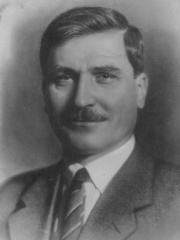
Vlas Chubar
1881 - 1939
HPI: 60.11
Helyezés: 11,246
Eurycratides
600 BC - 590 BC
HPI: 60.11
Helyezés: 11,247

Yamamoto Kansuke
1493 - 1561
HPI: 60.11
Helyezés: 11,248
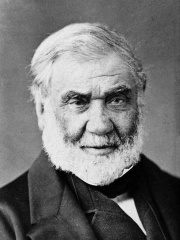
Anthony Panizzi
1797 - 1879
HPI: 60.10
Helyezés: 11,249
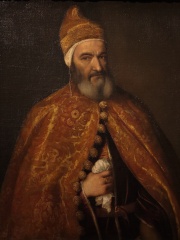
Marcantonio Trivisan
1475 - 1554
HPI: 60.10
Helyezés: 11,250
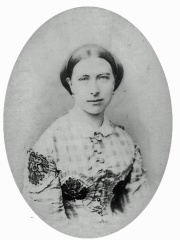
Princess Anna of Hesse and by Rhine
1843 - 1865
HPI: 60.10
Helyezés: 11,251
Mehmed Orhan
1909 - 1994
HPI: 60.10
Helyezés: 11,252
Adlai Stevenson I
1835 - 1914
HPI: 60.10
Helyezés: 11,253

Kortársak
A(z) 600 BC. évben születettek között Eurycratides a(z) 78. helyen áll. Előtte állnak: Spurius Lucretius Tricipitinus, Hydarnes, King Ling of Zhou, Artazostre, Acusilaus, és Aristeas. Utána következnek: Douris, Archidamus I, Kleitias, Isagoras, Agasicles, és Megabates. A(z) 590 BC. évben elhunytak között Eurycratides a(z) 1. helyen áll.
További személyek, akik a(z) 600 BC. évben születtek
Összes rangsor megtekintése
Spurius Lucretius Tricipitinus
POLITICIAN
600 BC - 509 BC
HPI: 61.28
Helyezés: 72
Hydarnes
POLITICIAN
600 BC - 500 BC
HPI: 61.08
Helyezés: 73

King Ling of Zhou
POLITICIAN
600 BC - 545 BC
HPI: 60.74
Helyezés: 74

Artazostre
COMPANION
600 BC - 500 BC
HPI: 60.67
Helyezés: 75

Acusilaus
WRITER
600 BC - 500 BC
HPI: 60.57
Helyezés: 76

Aristeas
WRITER
600 BC - napjainkig
HPI: 60.49
Helyezés: 77
Eurycratides
POLITICIAN
600 BC - 590 BC
HPI: 60.11
Helyezés: 78
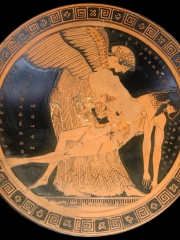
Douris
PAINTER
600 BC - 500 BC
HPI: 60.09
Helyezés: 79

Archidamus I
POLITICIAN
600 BC - napjainkig
HPI: 60.01
Helyezés: 80
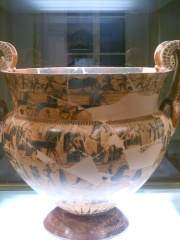
Kleitias
POLITICIAN
600 BC - 600 BC
HPI: 59.53
Helyezés: 81

Isagoras
POLITICIAN
600 BC - 600 BC
HPI: 59.10
Helyezés: 82

Agasicles
POLITICIAN
600 BC - 600 BC
HPI: 58.98
Helyezés: 83

Megabates
RELIGIOUS FIGURE
600 BC - 500 BC
HPI: 58.91
Helyezés: 84
További személyek, akik a(z) 590 BC. évben hunytak el
Összes rangsor megtekintéseA(z) Görögország rangsorában
A(z) Görögország területén születettek között Eurycratides a(z) 558. helyen áll 1,024 közül. Előtte állnak: Nikos Skalkottas (1904), Yorgos Lanthimos (1973), Ioannis Frangoudis (1863), Athanasios Diakos (1788), Dimitrios Loundras (1885), és Jason of Pherae (-500). Utána következnek: Chabrias (-500), Douris (-600), Echestratus (null), Argaeus II of Macedon (-500), Kostis Palamas (1859), és Archidamus I (-600).
További személyek, akik Görögország területén születtek
Összes rangsor megtekintése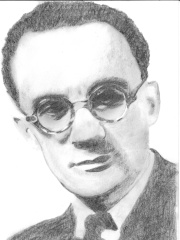
Nikos Skalkottas
COMPOSER
1904 - 1949
HPI: 60.24
Helyezés: 552

Yorgos Lanthimos
FILM DIRECTOR
1973 - napjainkig
HPI: 60.22
Helyezés: 553
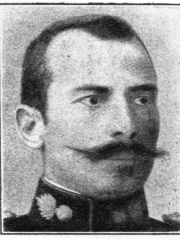
Ioannis Frangoudis
MILITARY PERSONNEL
1863 - 1916
HPI: 60.17
Helyezés: 554
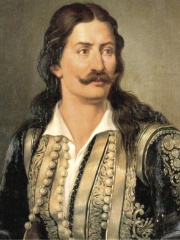
Athanasios Diakos
MILITARY PERSONNEL
1788 - 1821
HPI: 60.16
Helyezés: 555

Dimitrios Loundras
MILITARY PERSONNEL
1885 - 1971
HPI: 60.14
Helyezés: 556

Jason of Pherae
POLITICIAN
500 BC - 370 BC
HPI: 60.14
Helyezés: 557
Eurycratides
POLITICIAN
600 BC - 590 BC
HPI: 60.11
Helyezés: 558
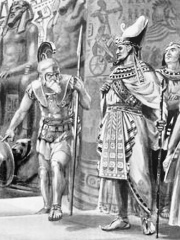
Chabrias
MILITARY PERSONNEL
500 BC - 357 BC
HPI: 60.10
Helyezés: 559
Douris
PAINTER
600 BC - 500 BC
HPI: 60.09
Helyezés: 560

Echestratus
POLITICIAN
HPI: 60.08
Helyezés: 561

Argaeus II of Macedon
POLITICIAN
500 BC - 400 BC
HPI: 60.06
Helyezés: 562
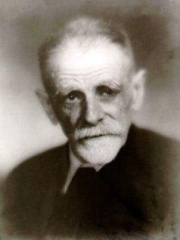
Kostis Palamas
WRITER
1859 - 1943
HPI: 60.05
Helyezés: 563
Archidamus I
POLITICIAN
600 BC - napjainkig
HPI: 60.01
Helyezés: 564
A(z) Politikus között – Görögország
A(z) Görögország területén született Politikus között Eurycratides a(z) 235. helyen áll. Előtte állnak: Alexandros Nikolopoulos (1875), Timotheus (-400), Agesipolis I (-410), Agapenor (null), Spyros Markezinis (1909), és Jason of Pherae (-500). Utána következnek: Echestratus (null), Argaeus II of Macedon (-500), Archidamus I (-600), Sofoklis Venizelos (1894), Pantelis Karasevdas (1876), és Hüseyin Hilmi Pasha (1855).

Alexandros Nikolopoulos
1875 - 2000
HPI: 60.56
Helyezés: 229

Timotheus
400 BC - 354 BC
HPI: 60.53
Helyezés: 230

Agesipolis I
410 BC - 380 BC
HPI: 60.37
Helyezés: 231

Agapenor
HPI: 60.37
Helyezés: 232
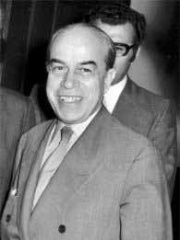
Spyros Markezinis
1909 - 2000
HPI: 60.31
Helyezés: 233
Jason of Pherae
500 BC - 370 BC
HPI: 60.14
Helyezés: 234
Eurycratides
600 BC - 590 BC
HPI: 60.11
Helyezés: 235
Echestratus
HPI: 60.08
Helyezés: 236
Argaeus II of Macedon
500 BC - 400 BC
HPI: 60.06
Helyezés: 237
Archidamus I
600 BC - napjainkig
HPI: 60.01
Helyezés: 238
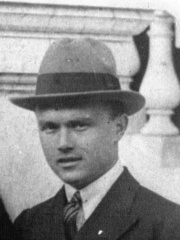
Sofoklis Venizelos
1894 - 1964
HPI: 59.93
Helyezés: 239
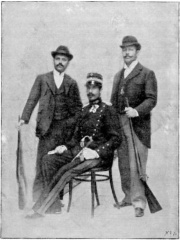
Pantelis Karasevdas
1876 - 1946
HPI: 59.91
Helyezés: 240
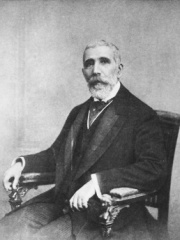
Hüseyin Hilmi Pasha
1855 - 1922
HPI: 59.88
Helyezés: 241




