شخصية دينية
Dagobert of Pisa
1100 - 1107
مشاهدات AR.WIKIPEDIA (PV)
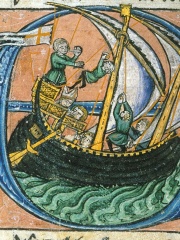
 Dagobert of Pisa
سيرته الذاتية متاحة بـ18 لغة مختلفة على ويكيبيديا. يحتل Dagobert of Pisa المرتبة 1,915 بين أكثر شخصية دينية شعبيةً (تراجعًا من 1,629 في 2024)، والمرتبة 2,517 بين أكثر السير الذاتية شعبيةً في إيطاليا (تراجعًا من 2,380 في 2019)، كما يحتل المرتبة 444 بين أكثر شخصية دينية من إيطاليا شعبيةً.
مقاييس الشهرة
7.7k
مشاهدات الصفحة
آخر 12 شهرًا
61.22
HPI
مؤشر الشعبية التاريخية
رؤى من البيانات
18
تمتد سيرة Dagobert of Pisa عبر 18 نسخة لغوية من ويكيبيديا وتبلغ قيمة مؤشر الشعبية التاريخية 61.22.
مشاهدات صفحة Dagobert of Pisa حسب اللغة
من بين شخصية دينية
من بين شخصية دينية، يحتل Dagobert of Pisa المرتبة 1,915 من أصل 3,189. قبله يأتي Andrew Dũng-Lạc, Zerah, Abraham a Sancta Clara, Peter of Vaux-de-Cernay, Antonio Bacci, وWilligis. بعده يأتي Stephen Langton, Caspar Schwenckfeld, Thomas Byles, Raymond Franz, Crescenzio Sepe, وDiego Laynez.
أشهر شخصية دينية على ويكيبيديا
عرض جميع التصنيفات
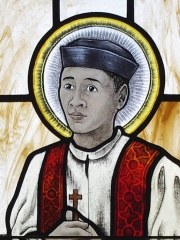
Andrew Dũng-Lạc
1795 - 1839
HPI: 61.25
المرتبة: 1,909

Zerah
HPI: 61.25
المرتبة: 1,910
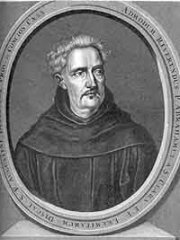
Abraham a Sancta Clara
1644 - 1709
HPI: 61.25
المرتبة: 1,911

Peter of Vaux-de-Cernay
1182 - 1218
HPI: 61.24
المرتبة: 1,912

Antonio Bacci
1885 - 1971
HPI: 61.24
المرتبة: 1,913
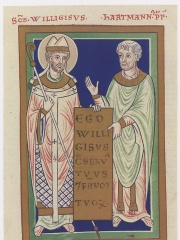
Willigis
940 - 1011
HPI: 61.23
المرتبة: 1,914
Dagobert of Pisa
1100 - 1107
HPI: 61.22
المرتبة: 1,915
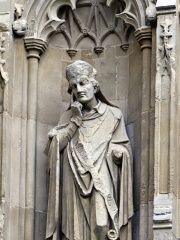
Stephen Langton
1150 - 1228
HPI: 61.22
المرتبة: 1,916
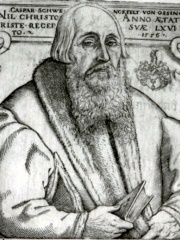
Caspar Schwenckfeld
1490 - 1561
HPI: 61.22
المرتبة: 1,917
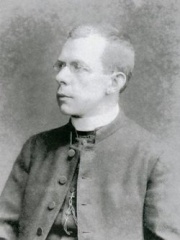
Thomas Byles
1870 - 1912
HPI: 61.22
المرتبة: 1,918
Raymond Franz
1922 - 2010
HPI: 61.22
المرتبة: 1,919
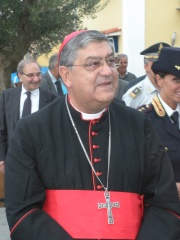
Crescenzio Sepe
1943 - حتى الآن
HPI: 61.22
المرتبة: 1,920
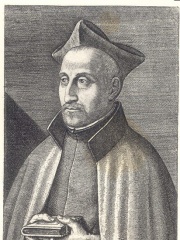
Diego Laynez
1512 - 1565
HPI: 61.21
المرتبة: 1,921

معاصرون
من بين المولودين في عام 1100، يحتل Dagobert of Pisa المرتبة 69. قبله يأتي Ingeborg of Kiev, Vitale I Michiel, Christina Ingesdotter of Sweden, Tatikios, Roger of Salerno, وGregory Pakourianos. بعده يأتي Artuk Bey, Dirk IV, Count of Holland, Sigurd Slembe, Roussel de Bailleul, Euphemia of Kiev, وGeorge of Antioch. من بين المتوفين في عام 1107، يحتل Dagobert of Pisa المرتبة 8. قبله يأتي Mi Fu, Raymond of Burgundy, Edgar, King of Scotland, Emperor Horikawa, Theophylact of Ohrid, وCheng Yi. بعده يأتي Jayavarman VI.
آخرون وُلدوا في عام 1100
عرض جميع التصنيفات
Ingeborg of Kiev
COMPANION
1100 - 1137
HPI: 61.51
المرتبة: 63
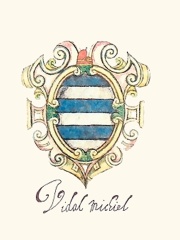
Vitale I Michiel
POLITICIAN
1100 - 1102
HPI: 61.50
المرتبة: 64
Christina Ingesdotter of Sweden
NOBLEMAN
1100 - 1122
HPI: 61.47
المرتبة: 65

Tatikios
MILITARY PERSONNEL
1100 - 1099
HPI: 61.47
المرتبة: 66
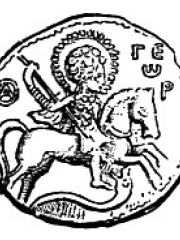
Roger of Salerno
POLITICIAN
1100 - 1119
HPI: 61.47
المرتبة: 67
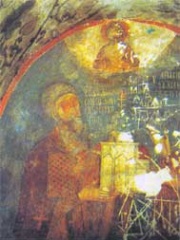
Gregory Pakourianos
POLITICIAN
1100 - 1086
HPI: 61.24
المرتبة: 68
Dagobert of Pisa
RELIGIOUS FIGURE
1100 - 1107
HPI: 61.22
المرتبة: 69

Artuk Bey
POLITICIAN
1100 - 1091
HPI: 61.00
المرتبة: 70
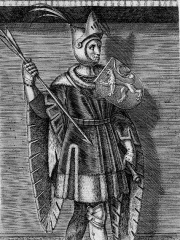
Dirk IV, Count of Holland
POLITICIAN
1100 - 1049
HPI: 60.91
المرتبة: 71
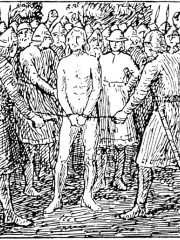
Sigurd Slembe
POLITICIAN
1100 - 1139
HPI: 60.80
المرتبة: 72
Roussel de Bailleul
MILITARY PERSONNEL
1100 - 1078
HPI: 60.55
المرتبة: 73

Euphemia of Kiev
COMPANION
1100 - 1139
HPI: 59.94
المرتبة: 74
George of Antioch
POLITICIAN
1100 - 1151
HPI: 59.76
المرتبة: 75
آخرون توفوا في عام 1107
عرض جميع التصنيفات
Mi Fu
PAINTER
1051 - 1107
HPI: 66.57
المرتبة: 2
Raymond of Burgundy
POLITICIAN
1070 - 1107
HPI: 65.31
المرتبة: 3
Edgar, King of Scotland
POLITICIAN
1074 - 1107
HPI: 63.98
المرتبة: 4
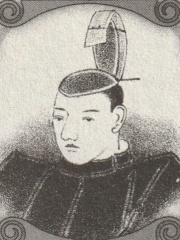
Emperor Horikawa
POLITICIAN
1079 - 1107
HPI: 63.43
المرتبة: 5
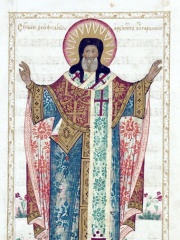
Theophylact of Ohrid
WRITER
1055 - 1107
HPI: 63.33
المرتبة: 6
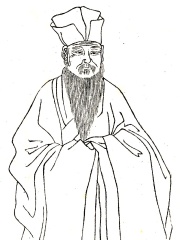
Cheng Yi
PHILOSOPHER
1033 - 1107
HPI: 62.98
المرتبة: 7
Dagobert of Pisa
RELIGIOUS FIGURE
1100 - 1107
HPI: 61.22
المرتبة: 8

Jayavarman VI
NOBLEMAN
1100 - 1107
HPI: 58.64
المرتبة: 9
في إيطاليا
من بين المولودين في إيطاليا، يحتل Dagobert of Pisa المرتبة 2,517 من أصل 5,905. قبله يأتي Antonio Bacci (1885), Sergio Sollima (1921), Giovanni Visconti (1290), Mario Merz (1925), Pierina Legnani (1863), وGirolamo Priuli (1486). بعده يأتي Giancarlo Antognoni (1954), Crescenzio Sepe (1943), Lucius Cornelius Scipio Barbatus (-400), Carlo Airoldi (1869), Jannik Sinner (2001), وLuigi Cremona (1830).
آخرون وُلدوا في إيطاليا
عرض جميع التصنيفاتAntonio Bacci
RELIGIOUS FIGURE
1885 - 1971
HPI: 61.24
المرتبة: 2,511
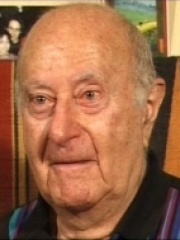
Sergio Sollima
FILM DIRECTOR
1921 - 2015
HPI: 61.24
المرتبة: 2,512
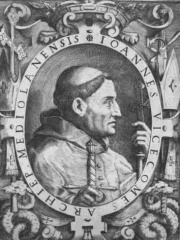
Giovanni Visconti
POLITICIAN
1290 - 1354
HPI: 61.24
المرتبة: 2,513
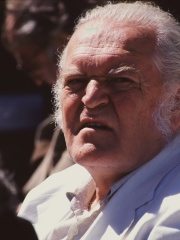
Mario Merz
PAINTER
1925 - 2003
HPI: 61.24
المرتبة: 2,514
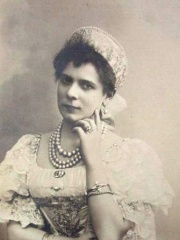
Pierina Legnani
DANCER
1863 - 1930
HPI: 61.23
المرتبة: 2,515
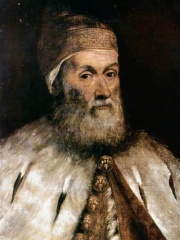
Girolamo Priuli
POLITICIAN
1486 - 1567
HPI: 61.23
المرتبة: 2,516
Dagobert of Pisa
RELIGIOUS FIGURE
1100 - 1107
HPI: 61.22
المرتبة: 2,517
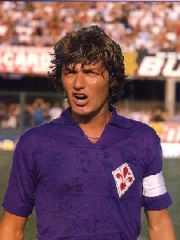
Giancarlo Antognoni
SOCCER PLAYER
1954 - حتى الآن
HPI: 61.22
المرتبة: 2,518
Crescenzio Sepe
RELIGIOUS FIGURE
1943 - حتى الآن
HPI: 61.22
المرتبة: 2,519
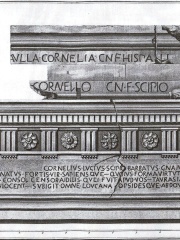
Lucius Cornelius Scipio Barbatus
POLITICIAN
400 BC - 300 BC
HPI: 61.21
المرتبة: 2,520

Carlo Airoldi
ATHLETE
1869 - 1929
HPI: 61.21
المرتبة: 2,521

Jannik Sinner
TENNIS PLAYER
2001 - حتى الآن
HPI: 61.21
المرتبة: 2,522
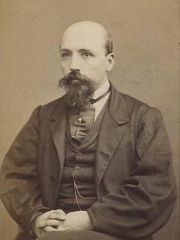
Luigi Cremona
MATHEMATICIAN
1830 - 1903
HPI: 61.20
المرتبة: 2,523
من بين شخصية دينية في إيطاليا
من بين شخصية دينية المولودين في إيطاليا، يحتل Dagobert of Pisa المرتبة 444. قبله يأتي Francesco Montenegro (1946), Carlo Furno (1921), Luigi Sturzo (1871), Giovanni Battista Scalabrini (1839), John Gualbert (995), وAntonio Bacci (1885). بعده يأتي Crescenzio Sepe (1943), Sergio Sebastiani (1931), Chromatius (335), Carlo Caffarra (1938), Alessandro Albani (1692), وLawrence Justinian (1381).
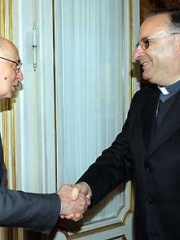
Francesco Montenegro
1946 - حتى الآن
HPI: 61.35
المرتبة: 438
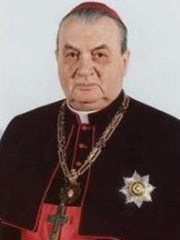
Carlo Furno
1921 - 2015
HPI: 61.35
المرتبة: 439
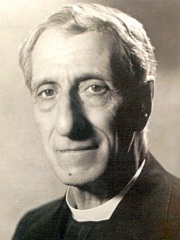
Luigi Sturzo
1871 - 1959
HPI: 61.32
المرتبة: 440
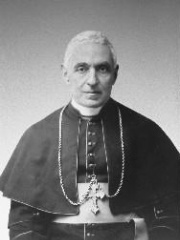
Giovanni Battista Scalabrini
1839 - 1905
HPI: 61.31
المرتبة: 441
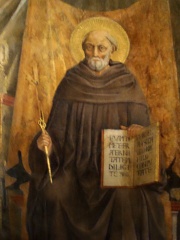
John Gualbert
995 - 1073
HPI: 61.30
المرتبة: 442
Antonio Bacci
1885 - 1971
HPI: 61.24
المرتبة: 443
Dagobert of Pisa
1100 - 1107
HPI: 61.22
المرتبة: 444
Crescenzio Sepe
1943 - حتى الآن
HPI: 61.22
المرتبة: 445
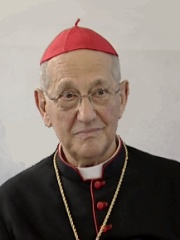
Sergio Sebastiani
1931 - 2024
HPI: 61.18
المرتبة: 446
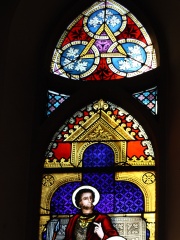
Chromatius
335 - 407
HPI: 61.10
المرتبة: 447
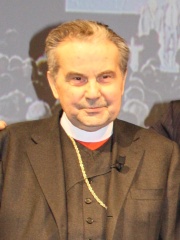
Carlo Caffarra
1938 - 2017
HPI: 61.09
المرتبة: 448
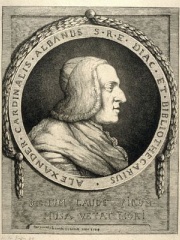
Alessandro Albani
1692 - 1779
HPI: 61.07
المرتبة: 449
Lawrence Justinian
1381 - 1456
HPI: 61.00
المرتبة: 450




