Politicus
Boudica
33 - 61
NL.WIKIPEDIA-PAGINAWEERGAVEN (PV)
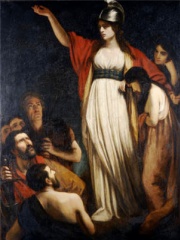
 Boudica
Haar biografie is beschikbaar in 73 verschillende talen op Wikipedia (toegenomen van 69 in 2024). Boudica staat op plaats 865 onder de meest populaire politicus (gedaald van plaats 747 in 2024), plaats 243 onder de meest populaire biografieën uit Verenigd Koninkrijk (gedaald van plaats 178 in 2019) en op plaats 57 onder de populairste politicus uit Verenigd Koninkrijk.
Bekendheidsstatistieken
1.4M
Paginaweergaven
Afgelopen 12 maanden
76.52
HPI
Historische populariteitsindex
Data-inzichten
#1
Boudica is de meest memorabele van de 2 opmerkelijke personen geboren in British Isles, in het huidige Verenigd Koninkrijk, vóór Pelagius.
#2,823
Meer dan 19 eeuwen na de dood staat Boudica nog altijd op plaats 2,823 van alle personen in Pantheon.
3,508
Boudica is een van de slechts 3,508 vrouwen onder de 19,576 Politicus in Pantheon.
73
De biografie van Boudica verschijnt in 73 taalversies van Wikipedia — meer dan bij 96% van alle Politicus.
Paginaweergaven van Boudica per taal
Onder Politicus
Onder Politicus staat Boudica op plaats 865 van 19,576. Vóór haar staan Ramaswamy Venkataraman, Martti Ahtisaari, Demetrius I of Macedon, Pedro II of Brazil, Ante Pavelić, en Sneferu. Na haar komen Walter Ulbricht, Stanisław Leszczyński, Nizam al-Mulk, Hong Taiji, Lutz Graf Schwerin von Krosigk, en Oscar I of Sweden.
Populairste Politicus op Wikipedia
Naar alle ranglijsten

Ramaswamy Venkataraman
1910 - 2009
HPI: 76.57
Plaats: 859
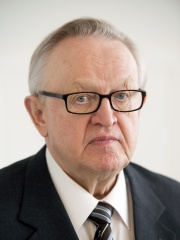
Martti Ahtisaari
1937 - 2023
HPI: 76.56
Plaats: 860
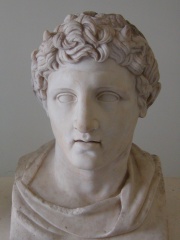
Demetrius I of Macedon
336 BC - 283 BC
HPI: 76.56
Plaats: 861
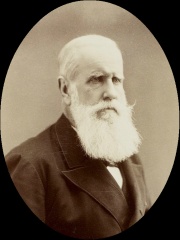
Pedro II of Brazil
1825 - 1891
HPI: 76.55
Plaats: 862
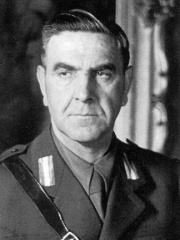
Ante Pavelić
1889 - 1959
HPI: 76.53
Plaats: 863
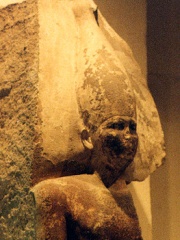
Sneferu
2700 BC - 2609 BC
HPI: 76.53
Plaats: 864
Boudica
33 - 61
HPI: 76.52
Plaats: 865

Walter Ulbricht
1893 - 1973
HPI: 76.52
Plaats: 866
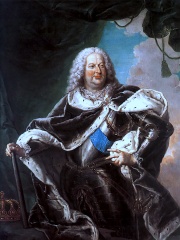
Stanisław Leszczyński
1677 - 1766
HPI: 76.50
Plaats: 867
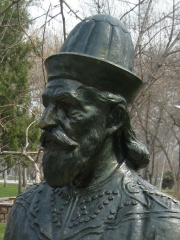
Nizam al-Mulk
1018 - 1092
HPI: 76.49
Plaats: 868
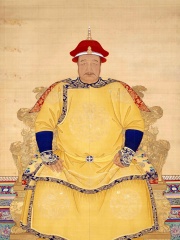
Hong Taiji
1592 - 1643
HPI: 76.49
Plaats: 869
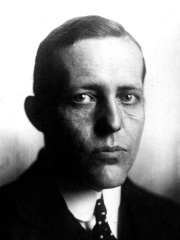
Lutz Graf Schwerin von Krosigk
1887 - 1977
HPI: 76.49
Plaats: 870
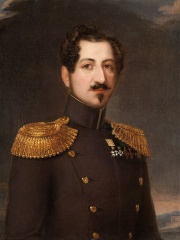
Oscar I of Sweden
1799 - 1859
HPI: 76.48
Plaats: 871

Tijdgenoten
Onder de mensen geboren in 33 staat Boudica op plaats 1. Na haar komen Marcia, en Heo Hwang-ok. Onder de mensen overleden in 61 staat Boudica op plaats 2. Vóór haar staat Barnabas.
Anderen geboren in 33
Naar alle ranglijstenBoudica
POLITICIAN
33 - 61
HPI: 76.52
Plaats: 1

Marcia
POLITICIAN
33 - heden
HPI: 60.92
Plaats: 2
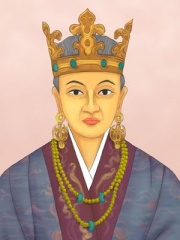
Heo Hwang-ok
RELIGIOUS FIGURE
33 - heden
HPI: 57.65
Plaats: 3
Anderen overleden in 61
Naar alle ranglijsten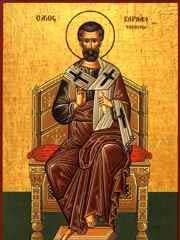
In Verenigd Koninkrijk
Onder de mensen geboren in Verenigd Koninkrijk staat Boudica op plaats 243 van 8,785. Vóór haar staan Clementine Churchill (1885), Stuart Sutcliffe (1940), Duns Scotus (1265), J. K. Rowling (1965), James Mason (1909), en Bobby Charlton (1937). Na haar komen Mary Wollstonecraft (1759), Cyril Norman Hinshelwood (1897), C. F. Powell (1903), Charlotte Rampling (1946), Henry III of England (1207), en Arthur Harden (1865).
Anderen geboren in Verenigd Koninkrijk
Naar alle ranglijsten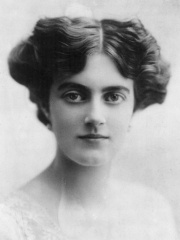
Clementine Churchill
POLITICIAN
1885 - 1977
HPI: 76.67
Plaats: 237

Stuart Sutcliffe
MUSICIAN
1940 - 1962
HPI: 76.65
Plaats: 238
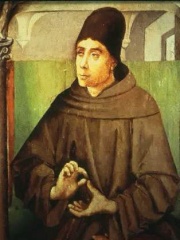
Duns Scotus
PHILOSOPHER
1265 - 1308
HPI: 76.64
Plaats: 239
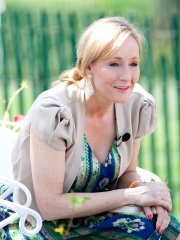
J. K. Rowling
WRITER
1965 - heden
HPI: 76.63
Plaats: 240
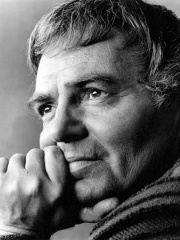
James Mason
ACTOR
1909 - 1984
HPI: 76.60
Plaats: 241

Bobby Charlton
SOCCER PLAYER
1937 - 2023
HPI: 76.54
Plaats: 242
Boudica
POLITICIAN
33 - 61
HPI: 76.52
Plaats: 243
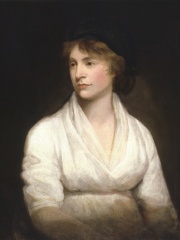
Mary Wollstonecraft
WRITER
1759 - 1797
HPI: 76.52
Plaats: 244
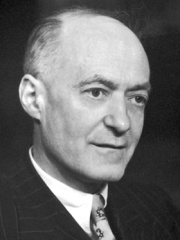
Cyril Norman Hinshelwood
CHEMIST
1897 - 1967
HPI: 76.52
Plaats: 245
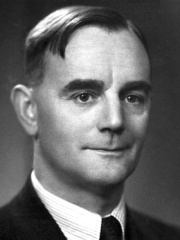
C. F. Powell
PHYSICIST
1903 - 1969
HPI: 76.50
Plaats: 246
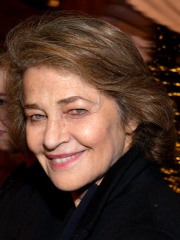
Charlotte Rampling
ACTOR
1946 - heden
HPI: 76.46
Plaats: 247
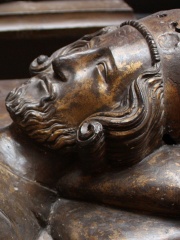
Henry III of England
POLITICIAN
1207 - 1272
HPI: 76.45
Plaats: 248
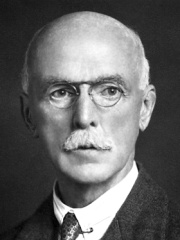
Arthur Harden
CHEMIST
1865 - 1940
HPI: 76.39
Plaats: 249
Onder Politicus in Verenigd Koninkrijk
Onder Politicus geboren in Verenigd Koninkrijk staat Boudica op plaats 57. Vóór haar staan Antony Armstrong-Jones, 1st Earl of Snowdon (1930), Æthelbald, King of Wessex (831), Marie of Romania (1875), Prince Edward, Duke of Kent (1935), Æthelstan (895), en Clementine Churchill (1885). Na haar komen Henry III of England (1207), Horace Walpole (1717), John A. Macdonald (1815), Randal Cremer (1828), Æthelberht, King of Wessex (836), en Robert the Bruce (1274).

Antony Armstrong-Jones, 1st Earl of Snowdon
1930 - 2017
HPI: 77.35
Plaats: 51
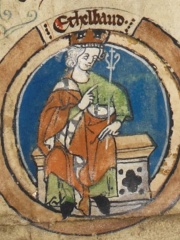
Æthelbald, King of Wessex
831 - 860
HPI: 77.05
Plaats: 52
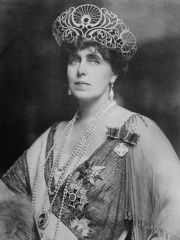
Marie of Romania
1875 - 1938
HPI: 76.91
Plaats: 53

Prince Edward, Duke of Kent
1935 - heden
HPI: 76.84
Plaats: 54
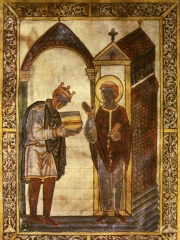
Æthelstan
895 - 939
HPI: 76.82
Plaats: 55
Clementine Churchill
1885 - 1977
HPI: 76.67
Plaats: 56
Boudica
33 - 61
HPI: 76.52
Plaats: 57
Henry III of England
1207 - 1272
HPI: 76.45
Plaats: 58
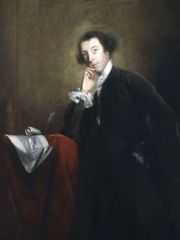
Horace Walpole
1717 - 1797
HPI: 76.39
Plaats: 59
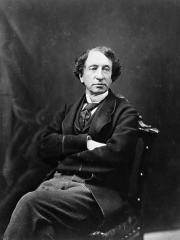
John A. Macdonald
1815 - 1891
HPI: 76.38
Plaats: 60
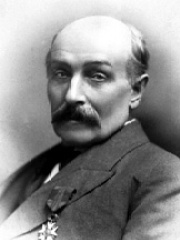
Randal Cremer
1828 - 1908
HPI: 76.27
Plaats: 61
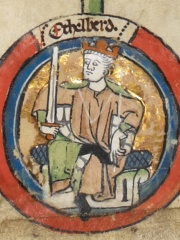
Æthelberht, King of Wessex
836 - 865
HPI: 76.02
Plaats: 62
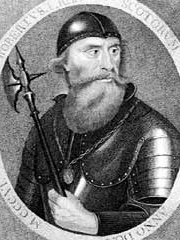
Robert the Bruce
1274 - 1329
HPI: 75.96
Plaats: 63




