Politico
Fernando Henrique Cardoso
1931 - presente
VISUALIZZAZIONI SU IT.WIKIPEDIA (PV)
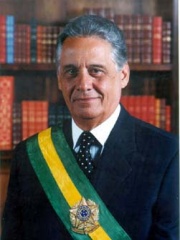

 Fernando Henrique Cardoso
La sua biografia è disponibile in 56 lingue su Wikipedia (in aumento rispetto a 55 nel 2024). Fernando Henrique Cardoso è il 3049° politico più popolare (in calo dal 2768° nel 2024), la 54ª biografia più popolare della Brasile (in aumento dal 55ª nel 2019) e il 9° politico più popolare della Brasile.
Metriche di memorabilità
390k
Visualizzazioni
Ultimi 12 mesi
69.65
HPI
Indice di popolarità storica
Dati in evidenza
Visualizzazioni della pagina di Fernando Henrique Cardoso per lingua
Tra Politico
Tra Politico, Fernando Henrique Cardoso occupa la posizione 3,048 su 20,022. Prima di lui ci sono Antiochus VII Sidetes, Aleksandar Ranković, Aspar, Senusret II, John Sparrow David Thompson, e La Malinche. Dopo di lui ci sono Sargon I, Hyejong of Goryeo, Thomas Boni Yayi, Prabowo Subianto, John Boland, e Antonín Novotný.
Politico più popolari su Wikipedia
Vai a tutte le classifiche
Antiochus VII Sidetes
159 a.C. - 129 a.C.
HPI: 69.67
Posizione: 3,043
Aleksandar Ranković
1909 - 1983
HPI: 69.67
Posizione: 3,044
Aspar
400 - 471
HPI: 69.67
Posizione: 3,045
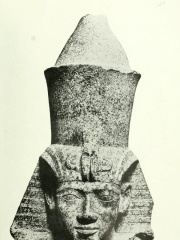
Senusret II
1900 a.C. - 1879 a.C.
HPI: 69.66
Posizione: 3,046
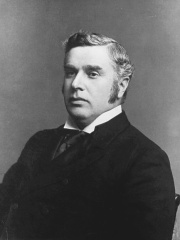
John Sparrow David Thompson
1845 - 1894
HPI: 69.66
Posizione: 3,047
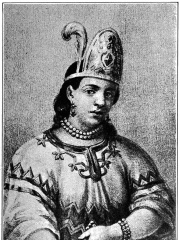
La Malinche
1502 - 1529
HPI: 69.65
Posizione: 3,048
Fernando Henrique Cardoso
1931 - presente
HPI: 69.65
Posizione: 3,049
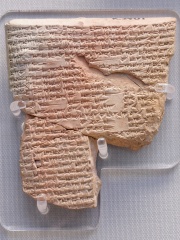
Sargon I
1900 a.C. - 1900 a.C.
HPI: 69.65
Posizione: 3,050

Hyejong of Goryeo
912 - 945
HPI: 69.65
Posizione: 3,051
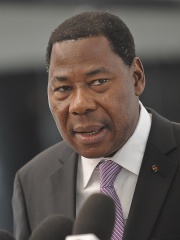
Thomas Boni Yayi
1951 - presente
HPI: 69.65
Posizione: 3,052
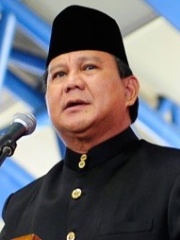
Prabowo Subianto
1951 - presente
HPI: 69.64
Posizione: 3,053
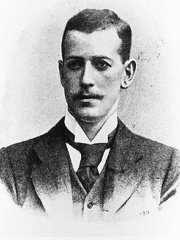
John Boland
1870 - 1958
HPI: 69.64
Posizione: 3,054
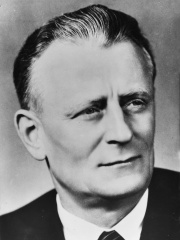
Antonín Novotný
1904 - 1975
HPI: 69.64
Posizione: 3,055

Contemporanei
Tra le persone nate nel 1931, Fernando Henrique Cardoso occupa la posizione 54. Prima di lui ci sono John Gavin, John le Carré, Nawal El Saadawi, Kakuichi Mimura, William Shatner, e Viktor Korchnoi. Dopo di lui ci sono Hamilton O. Smith, Michael Lonsdale, Caterina Valente, Takashi Takabayashi, Jim Jones, e Richard Rorty.
Altre persone nate nel 1931
Vai a tutte le classifiche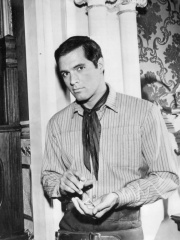
John Gavin
ACTOR
1931 - 2018
HPI: 70.39
Posizione: 48
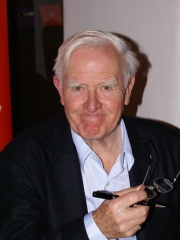
John le Carré
WRITER
1931 - 2020
HPI: 70.24
Posizione: 49
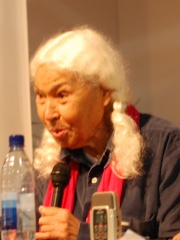
Nawal El Saadawi
POLITICIAN
1931 - 2021
HPI: 70.13
Posizione: 50

Kakuichi Mimura
SOCCER PLAYER
1931 - 2022
HPI: 70.08
Posizione: 51
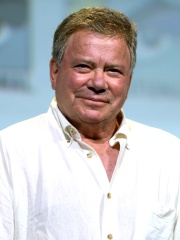
William Shatner
ACTOR
1931 - presente
HPI: 69.92
Posizione: 52
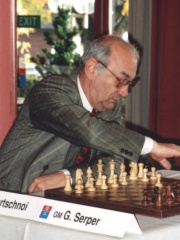
Viktor Korchnoi
CHESS PLAYER
1931 - 2016
HPI: 69.66
Posizione: 53
Fernando Henrique Cardoso
POLITICIAN
1931 - presente
HPI: 69.65
Posizione: 54

Hamilton O. Smith
BIOLOGIST
1931 - 2025
HPI: 69.52
Posizione: 55

Michael Lonsdale
ACTOR
1931 - 2020
HPI: 69.24
Posizione: 56

Caterina Valente
SINGER
1931 - 2024
HPI: 69.12
Posizione: 57

Takashi Takabayashi
SOCCER PLAYER
1931 - 2009
HPI: 68.87
Posizione: 58
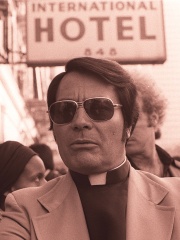
Jim Jones
EXTREMIST
1931 - 1978
HPI: 68.78
Posizione: 59
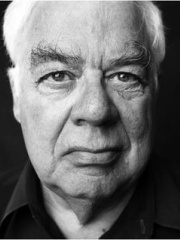
Richard Rorty
PHILOSOPHER
1931 - 2007
HPI: 68.78
Posizione: 60
In Brasile
Tra le persone nate in Brasile, Fernando Henrique Cardoso occupa la posizione 54 su 2,779. Prima di lui ci sono Bebeto (1964), Kaká (1982), Zito (1932), Astrud Gilberto (1940), José Altafini (1938), e Dunga (1963). Dopo di lui ci sono Tostão (1947), Ademir de Menezes (1922), Paulo Roberto Falcão (1953), Leônidas (1913), Humberto de Alencar Castelo Branco (1897), e João Goulart (1918).
Altre persone nate in Brasile
Vai a tutte le classifiche
Bebeto
SOCCER PLAYER
1964 - presente
HPI: 70.37
Posizione: 48
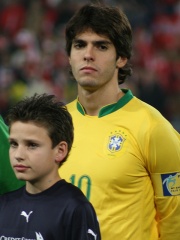
Kaká
SOCCER PLAYER
1982 - presente
HPI: 70.34
Posizione: 49
Zito
SOCCER PLAYER
1932 - 2015
HPI: 70.31
Posizione: 50
Astrud Gilberto
SINGER
1940 - 2023
HPI: 70.16
Posizione: 51
José Altafini
SOCCER PLAYER
1938 - presente
HPI: 70.02
Posizione: 52

Dunga
SOCCER PLAYER
1963 - presente
HPI: 69.76
Posizione: 53
Fernando Henrique Cardoso
POLITICIAN
1931 - presente
HPI: 69.65
Posizione: 54
Tostão
SOCCER PLAYER
1947 - presente
HPI: 69.64
Posizione: 55
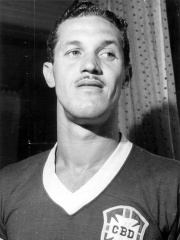
Ademir de Menezes
SOCCER PLAYER
1922 - 1996
HPI: 69.59
Posizione: 56
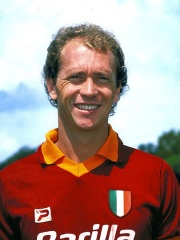
Paulo Roberto Falcão
SOCCER PLAYER
1953 - presente
HPI: 69.53
Posizione: 57
Leônidas
SOCCER PLAYER
1913 - 2004
HPI: 69.40
Posizione: 58
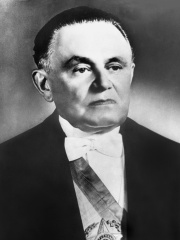
Humberto de Alencar Castelo Branco
POLITICIAN
1897 - 1967
HPI: 69.35
Posizione: 59
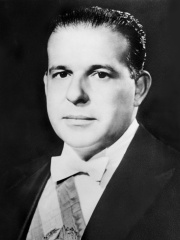
João Goulart
POLITICIAN
1918 - 1976
HPI: 69.32
Posizione: 60
Tra Politico in Brasile
Tra Politico nati in Brasile, Fernando Henrique Cardoso occupa la posizione 9. Prima di lui ci sono Pedro II of Brazil (1825), Jair Bolsonaro (1955), Getúlio Vargas (1882), Michel Temer (1940), Maria II of Portugal (1819), e Juscelino Kubitschek (1902). Dopo di lui ci sono Humberto de Alencar Castelo Branco (1897), João Goulart (1918), Deodoro da Fonseca (1827), Anita Garibaldi (1821), Tancredo Neves (1910), e Ernesto Geisel (1907).
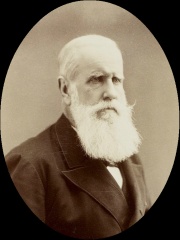
Pedro II of Brazil
1825 - 1891
HPI: 76.55
Posizione: 3
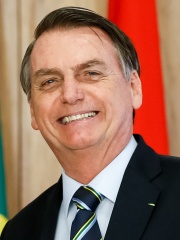
Jair Bolsonaro
1955 - presente
HPI: 75.65
Posizione: 4
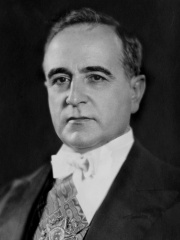
Getúlio Vargas
1882 - 1954
HPI: 74.28
Posizione: 5
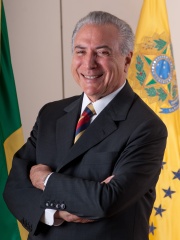
Michel Temer
1940 - presente
HPI: 73.35
Posizione: 6
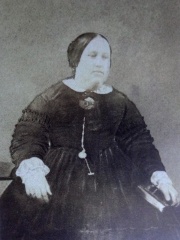
Maria II of Portugal
1819 - 1853
HPI: 73.31
Posizione: 7
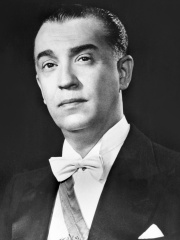
Juscelino Kubitschek
1902 - 1976
HPI: 70.43
Posizione: 8
Fernando Henrique Cardoso
1931 - presente
HPI: 69.65
Posizione: 9
Humberto de Alencar Castelo Branco
1897 - 1967
HPI: 69.35
Posizione: 10
João Goulart
1918 - 1976
HPI: 69.32
Posizione: 11
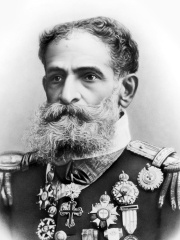
Deodoro da Fonseca
1827 - 1892
HPI: 68.92
Posizione: 12
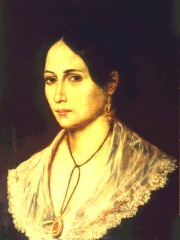
Anita Garibaldi
1821 - 1849
HPI: 68.91
Posizione: 13
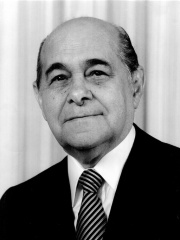
Tancredo Neves
1910 - 1985
HPI: 67.93
Posizione: 14
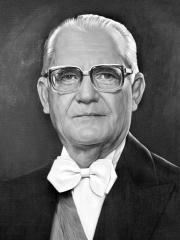
Ernesto Geisel
1907 - 1996
HPI: 67.71
Posizione: 15




