宗教人物
Antipope Christopher
900 - 904
ZH.WIKIPEDIA 页面浏览量 (PV)
 Antipope Christopher
知名度指标
21k
页面浏览量
过去12个月
67.32
HPI
历史知名度指数
Antipope Christopher的各语言页面浏览量
在宗教人物中
在宗教人物中,Antipope Christopher排名第959位(共3,187人)。 排在他之前的有:Arnold of Brescia, Romano Guardini, Jean Mabillon, Mikao Usui, Saint Petronilla, 和Hamza ibn-'Ali ibn-Ahmad. 排在他之后的有:Sidi Boushaki, Waraqah ibn Nawfal, Leonardo Boff, Tryphon, Respicius, and Nympha, Mesud II, 和Hashim ibn Abd Manaf.
维基百科上最受欢迎的宗教人物
查看全部排名
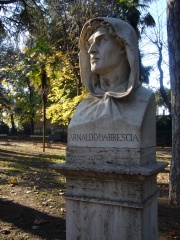
Arnold of Brescia
1100 - 1155
HPI: 67.38
排名: 953
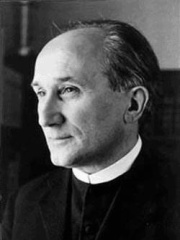
Romano Guardini
1885 - 1968
HPI: 67.37
排名: 954
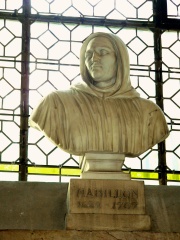
Jean Mabillon
1632 - 1707
HPI: 67.34
排名: 955
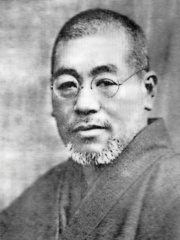
Mikao Usui
1865 - 1926
HPI: 67.34
排名: 956

Saint Petronilla
50 - 100
HPI: 67.34
排名: 957

Hamza ibn-'Ali ibn-Ahmad
985 - 1021
HPI: 67.33
排名: 958
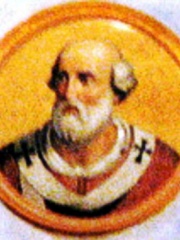
Antipope Christopher
900 - 904
HPI: 67.32
排名: 959

Sidi Boushaki
1394 - 1453
HPI: 67.32
排名: 960

Waraqah ibn Nawfal
HPI: 67.31
排名: 961
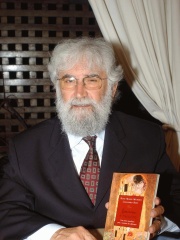
Leonardo Boff
1938 - 至今
HPI: 67.31
排名: 962
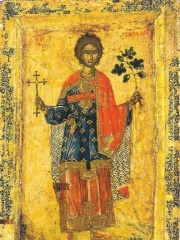
Tryphon, Respicius, and Nympha
HPI: 67.30
排名: 963

Mesud II
1300 - 1308
HPI: 67.29
排名: 964

Hashim ibn Abd Manaf
464 - 497
HPI: 67.29
排名: 965

同时代人物
在900年出生的人中,Antipope Christopher排名第18位。 排在他之前的有:Pope Leo VIII, Eochaid, son of Rhun, Robert the Strong, Banū Mūsā, Berengar II of Italy, 和Guy III of Spoleto. 排在他之后的有:Zoe Karbonopsina, Yasovarman I, Donald II of Scotland, Abū Ja'far al-Khāzin, Theodora, 和Ulf Jarl. 在904年去世的人中,Antipope Christopher排名第1位。 排在他之后的有:Emperor Zhaozong of Tang, Kurszán, Yahya ibn al-Qasim, 和Ki no Tomonori.
其他900年出生的人
查看全部排名
Pope Leo VIII
RELIGIOUS FIGURE
900 - 965
HPI: 73.09
排名: 12

Eochaid, son of Rhun
POLITICIAN
900 - 889
HPI: 72.51
排名: 13
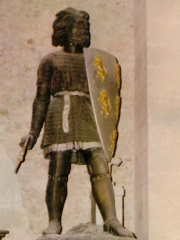
Robert the Strong
NOBLEMAN
900 - 866
HPI: 71.63
排名: 14
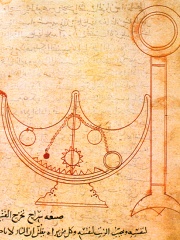
Banū Mūsā
ENGINEER
900 - 873
HPI: 71.09
排名: 15

Berengar II of Italy
POLITICIAN
900 - 966
HPI: 70.44
排名: 16
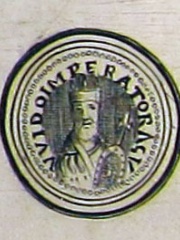
Guy III of Spoleto
POLITICIAN
900 - 894
HPI: 68.77
排名: 17
Antipope Christopher
RELIGIOUS FIGURE
900 - 904
HPI: 67.32
排名: 18
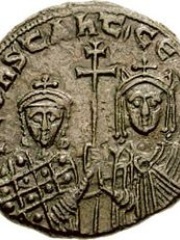
Zoe Karbonopsina
POLITICIAN
900 - 1000
HPI: 67.23
排名: 19
Yasovarman I
POLITICIAN
900 - 910
HPI: 66.79
排名: 20
Donald II of Scotland
POLITICIAN
900 - 900
HPI: 66.24
排名: 21

Abū Ja'far al-Khāzin
MATHEMATICIAN
900 - 960
HPI: 66.23
排名: 22
Theodora
POLITICIAN
900 - 916
HPI: 65.16
排名: 23

Ulf Jarl
NOBLEMAN
900 - 1026
HPI: 65.14
排名: 24
其他904年去世的人
查看全部排名Antipope Christopher
RELIGIOUS FIGURE
900 - 904
HPI: 67.32
排名: 1

Emperor Zhaozong of Tang
POLITICIAN
867 - 904
HPI: 65.10
排名: 2

Kurszán
POLITICIAN
847 - 904
HPI: 59.13
排名: 3

Yahya ibn al-Qasim
POLITICIAN
850 - 904
HPI: 58.63
排名: 4

Ki no Tomonori
WRITER
850 - 904
HPI: 57.44
排名: 5
在意大利
在出生于意大利的人中,Antipope Christopher排名第1,282位(共NaN人)。 排在他之前的有:Angelo Schiavio (1905), Giovanni Sartori (1924), Gianpiero Combi (1902), Mario Del Monaco (1915), Giuseppe Castiglione (1688), 和Rainier I of Monaco, Lord of Cagnes (1267). 排在他之后的有:Fra Mauro (1385), Massimiliano Allegri (1967), Tommaso Buscetta (1928), Ranuccio II Farnese, Duke of Parma (1630), Sebastiano Venier (1496), 和Niccolò Jommelli (1714).
Angelo Schiavio
SOCCER PLAYER
1905 - 1990
HPI: 67.36
排名: 1,276
Giovanni Sartori
BIOLOGIST
1924 - 2017
HPI: 67.35
排名: 1,277
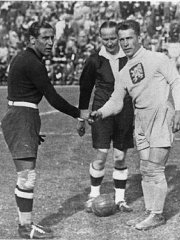
Gianpiero Combi
SOCCER PLAYER
1902 - 1956
HPI: 67.34
排名: 1,278
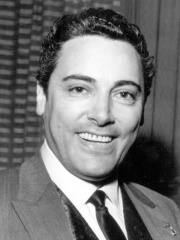
Mario Del Monaco
SINGER
1915 - 1982
HPI: 67.34
排名: 1,279

Giuseppe Castiglione
PAINTER
1688 - 1766
HPI: 67.32
排名: 1,280
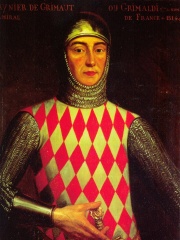
Rainier I of Monaco, Lord of Cagnes
POLITICIAN
1267 - 1314
HPI: 67.32
排名: 1,281
Antipope Christopher
RELIGIOUS FIGURE
900 - 904
HPI: 67.32
排名: 1,282
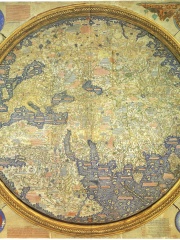
Fra Mauro
GEOGRAPHER
1385 - 1459
HPI: 67.31
排名: 1,283

Massimiliano Allegri
COACH
1967 - 至今
HPI: 67.29
排名: 1,284
Tommaso Buscetta
EXTREMIST
1928 - 2000
HPI: 67.29
排名: 1,285
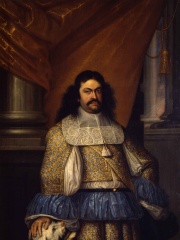
Ranuccio II Farnese, Duke of Parma
POLITICIAN
1630 - 1694
HPI: 67.27
排名: 1,286
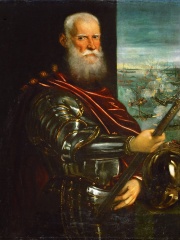
Sebastiano Venier
POLITICIAN
1496 - 1578
HPI: 67.27
排名: 1,287
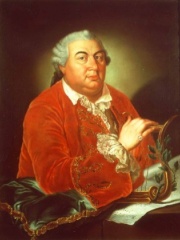
Niccolò Jommelli
COMPOSER
1714 - 1774
HPI: 67.26
排名: 1,288
在意大利的宗教人物中
在出生于意大利的宗教人物中,Antipope Christopher排名第309位。 排在他之前的有:Raniero Cantalamessa (1934), Angelo Amato (1938), Anastasius Bibliothecarius (815), Pietro Gasparri (1852), Arnold of Brescia (1100), 和Romano Guardini (1885). 排在他之后的有:Alfredo Ottaviani (1890), Antonio Quarracino (1923), Zita (1212), Methodios I of Constantinople (788), Benedict the Moor (1526), 和Ascanio Sforza (1455).
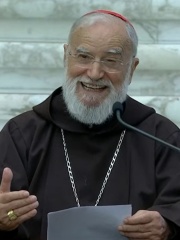
Raniero Cantalamessa
1934 - 至今
HPI: 67.58
排名: 303
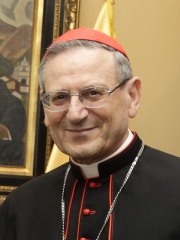
Angelo Amato
1938 - 2024
HPI: 67.57
排名: 304

Anastasius Bibliothecarius
815 - 879
HPI: 67.49
排名: 305
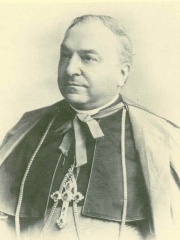
Pietro Gasparri
1852 - 1934
HPI: 67.47
排名: 306
Arnold of Brescia
1100 - 1155
HPI: 67.38
排名: 307
Romano Guardini
1885 - 1968
HPI: 67.37
排名: 308
Antipope Christopher
900 - 904
HPI: 67.32
排名: 309
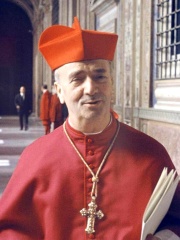
Alfredo Ottaviani
1890 - 1979
HPI: 67.16
排名: 310

Antonio Quarracino
1923 - 1998
HPI: 67.14
排名: 311

Zita
1212 - 1272
HPI: 67.05
排名: 312
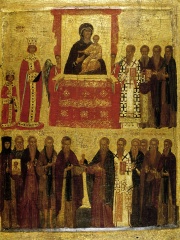
Methodios I of Constantinople
788 - 847
HPI: 67.05
排名: 313

Benedict the Moor
1526 - 1589
HPI: 67.02
排名: 314
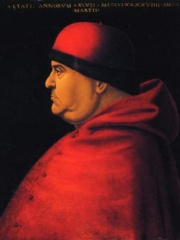
Ascanio Sforza
1455 - 1505
HPI: 67.01
排名: 315




