Religious Figure
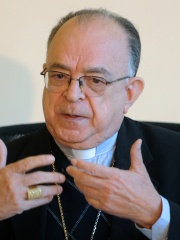
Leonardo Boff
Brazilian theologian
1938 - today
EN.WIKIPEDIA PAGE VIEWS (PV)
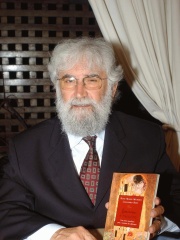

 Leonardo Boff
His biography is available in 31 different languages on Wikipedia (up from 30 in 2024). Leonardo Boff is the 962nd most popular religious figure (down from 944th in 2024), the 78th most popular biography from Brazil (up from 82nd in 2019) and the 2nd most popular Brazilian Religious Figure.
Leonardo Boff is a Brazilian theologian, philosopher, and writer. He is best known for his writings on liberation theology.
Memorability Metrics
84k
Page Views
Past 12 months
67.31
HPI
Historical Popularity Index
Data Insights
#78 / 2,779
Leonardo Boff ranks #78 among 2,779 people in Pantheon born in Brazil, inside the top 3% of that group.
Page views of Leonardo Boff by language
Among Religious Figures
Among religious figures, Leonardo Boff ranks 962 out of 3,189. Before him are Mikao Usui, Saint Petronilla, Hamza ibn-'Ali ibn-Ahmad, Antipope Christopher, Sidi Boushaki, and Waraqah ibn Nawfal. After him are Tryphon, Respicius, and Nympha, Mesud II, Hashim ibn Abd Manaf, Keith O'Brien, William Miller, and Karmapa.
Most Popular Religious Figures in Wikipedia
Go to all Rankings
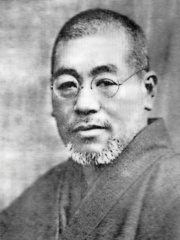
Mikao Usui
1865 - 1926
HPI: 67.34
Rank: 956

Saint Petronilla
50 - 100
HPI: 67.34
Rank: 957

Hamza ibn-'Ali ibn-Ahmad
985 - 1021
HPI: 67.33
Rank: 958
Antipope Christopher
900 - 904
HPI: 67.32
Rank: 959

Sidi Boushaki
1394 - 1453
HPI: 67.32
Rank: 960

Waraqah ibn Nawfal
HPI: 67.31
Rank: 961
Leonardo Boff
1938 - Present
HPI: 67.31
Rank: 962
Tryphon, Respicius, and Nympha
HPI: 67.30
Rank: 963

Mesud II
1300 - 1308
HPI: 67.29
Rank: 964
Hashim ibn Abd Manaf
464 - 497
HPI: 67.29
Rank: 965
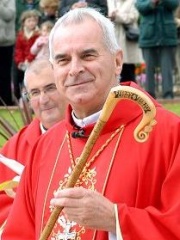
Keith O'Brien
1938 - 2018
HPI: 67.28
Rank: 966
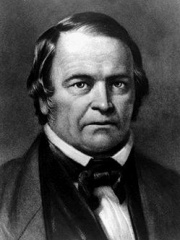
William Miller
1782 - 1849
HPI: 67.28
Rank: 967
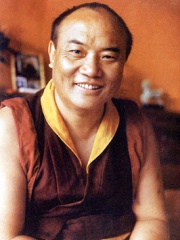
Karmapa
1924 - Present
HPI: 67.28
Rank: 968

Contemporaries
Among people born in 1938, Leonardo Boff ranks 82. Before him are Ayaz Mutallibov, Ryōji Noyori, Marcello Gandini, Murtala Mohammed, Pasquale Squitieri, and Tatsuya Shiji. After him are Keith O'Brien, Charles Simic, Seishiro Shimatani, Dean Reed, Luigi Tenco, and Mamadou Tandja.
Others Born in 1938
Go to all Rankings
Ayaz Mutallibov
POLITICIAN
1938 - 2022
HPI: 67.56
Rank: 76

Ryōji Noyori
CHEMIST
1938 - Present
HPI: 67.55
Rank: 77
Marcello Gandini
ENGINEER
1938 - 2024
HPI: 67.52
Rank: 78
Murtala Mohammed
POLITICIAN
1938 - 1976
HPI: 67.49
Rank: 79

Pasquale Squitieri
FILM DIRECTOR
1938 - 2017
HPI: 67.45
Rank: 80

Tatsuya Shiji
SOCCER PLAYER
1938 - Present
HPI: 67.33
Rank: 81
Leonardo Boff
RELIGIOUS FIGURE
1938 - Present
HPI: 67.31
Rank: 82
Keith O'Brien
RELIGIOUS FIGURE
1938 - 2018
HPI: 67.28
Rank: 83
Charles Simic
WRITER
1938 - 2023
HPI: 67.22
Rank: 84

Seishiro Shimatani
SOCCER PLAYER
1938 - 2001
HPI: 67.07
Rank: 85
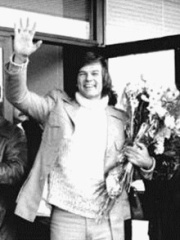
Dean Reed
ACTOR
1938 - 1986
HPI: 67.04
Rank: 86
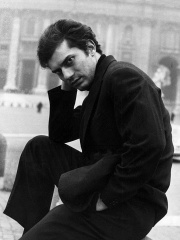
Luigi Tenco
MUSICIAN
1938 - 1967
HPI: 66.91
Rank: 87
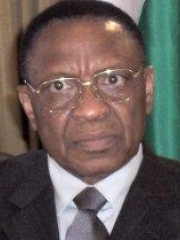
Mamadou Tandja
POLITICIAN
1938 - 2020
HPI: 66.90
Rank: 88
In Brazil
Among people born in Brazil, Leonardo Boff ranks 78 out of 2,779. Before him are Sônia Braga (1950), Ernesto Geisel (1907), João Figueiredo (1918), Hélder Câmara (1909), Xuxa (1963), and Rubens Barrichello (1972). After him are Jair da Costa (1940), Careca (1960), Zumbi (1655), Marcelo (1988), Dida (1973), and Emílio Garrastazu Médici (1905).
Others born in Brazil
Go to all Rankings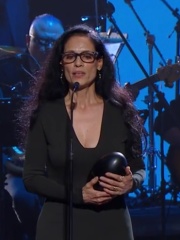
Sônia Braga
ACTOR
1950 - Present
HPI: 67.74
Rank: 72
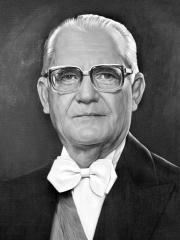
Ernesto Geisel
POLITICIAN
1907 - 1996
HPI: 67.71
Rank: 73
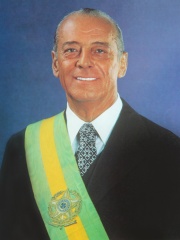
João Figueiredo
POLITICIAN
1918 - 1999
HPI: 67.62
Rank: 74
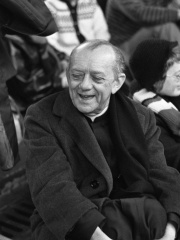
Hélder Câmara
RELIGIOUS FIGURE
1909 - 1999
HPI: 67.57
Rank: 75

Xuxa
ACTOR
1963 - Present
HPI: 67.56
Rank: 76

Rubens Barrichello
RACING DRIVER
1972 - Present
HPI: 67.51
Rank: 77
Leonardo Boff
RELIGIOUS FIGURE
1938 - Present
HPI: 67.31
Rank: 78

Jair da Costa
SOCCER PLAYER
1940 - 2025
HPI: 67.21
Rank: 79

Careca
SOCCER PLAYER
1960 - Present
HPI: 67.18
Rank: 80
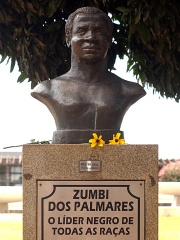
Zumbi
POLITICIAN
1655 - 1695
HPI: 67.12
Rank: 81
Marcelo
SOCCER PLAYER
1988 - Present
HPI: 67.09
Rank: 82
Dida
SOCCER PLAYER
1973 - Present
HPI: 67.03
Rank: 83
Emílio Garrastazu Médici
POLITICIAN
1905 - 1985
HPI: 66.98
Rank: 84
Among Religious Figures In Brazil
Among religious figures born in Brazil, Leonardo Boff ranks 2. Before him is Hélder Câmara (1909). After him are Cláudio Hummes (1934), Odilo Scherer (1949), João Braz de Aviz (1947), Paulo Evaristo Arns (1921), Antônio de Castro Mayer (1904), Orani João Tempesta (1949), Aloísio Lorscheider (1924), Geraldo Majella Agnelo (1933), José Freire Falcão (1925), and Raymundo Damasceno Assis (1937).
Hélder Câmara
1909 - 1999
HPI: 67.57
Rank: 1
Leonardo Boff
1938 - Present
HPI: 67.31
Rank: 2
Cláudio Hummes
1934 - 2022
HPI: 66.60
Rank: 3
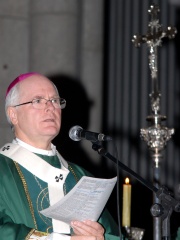
Odilo Scherer
1949 - Present
HPI: 63.79
Rank: 4
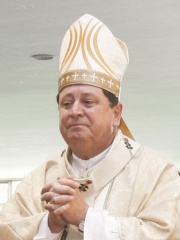
João Braz de Aviz
1947 - Present
HPI: 63.76
Rank: 5
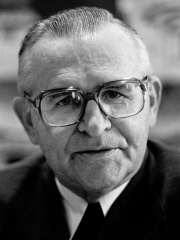
Paulo Evaristo Arns
1921 - 2016
HPI: 62.88
Rank: 6
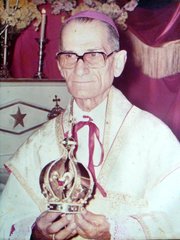
Antônio de Castro Mayer
1904 - 1991
HPI: 62.43
Rank: 7
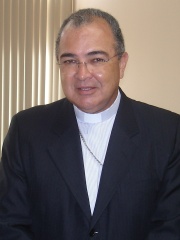
Orani João Tempesta
1949 - Present
HPI: 61.00
Rank: 8
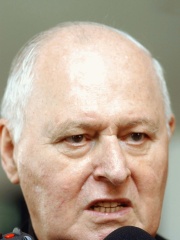
Aloísio Lorscheider
1924 - 2007
HPI: 60.80
Rank: 9
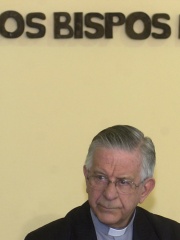
Geraldo Majella Agnelo
1933 - 2023
HPI: 59.97
Rank: 10
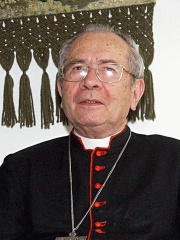
José Freire Falcão
1925 - 2021
HPI: 59.73
Rank: 11
Raymundo Damasceno Assis
1937 - Present
HPI: 59.31
Rank: 12




