Artista marcial
Ankō Itosu
1831 - 1915
VISUALIZAÇÕES EM PT.WIKIPEDIA (PV)
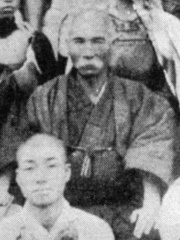
 Ankō Itosu
Sua biografia está disponível em 20 idiomas na Wikipédia. Ankō Itosu é o 14º artista marcial mais popular (caiu do 12º em 2024), a 648ª biografia mais popular do Japão (caiu do 554ª em 2019) e o 5º artista marcial mais popular do Japão.
Métricas de memorabilidade
33k
Visualizações
Últimos 12 meses
63.57
HPI
Índice de Popularidade Histórica
Destaques dos dados
#14 / 343
Ankō Itosu ocupa a posição nº 14 entre 343 Artista marcial no mundo, entre os 5% melhores da profissão.
Visualizações da página de Ankō Itosu por idioma
Entre Artista marcial
Entre Artista marcial, Ankō Itosu ocupa a posição 14 de 343. Antes dele vêm Huo Yuanjia, Linda Lee Cadwell, Conor McGregor, Imi Lichtenfeld, Matsumura Sōkon, e Jon Jones. Depois dele vêm Masatoshi Nakayama, Mirko Cro Cop, Kenwa Mabuni, Hélio Gracie, Chōjun Miyagi, e Fedor Emelianenko.
Artista marcial mais populares na Wikipédia
Ver todas as classificações
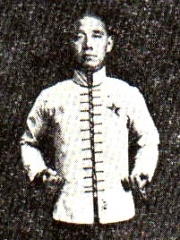
Huo Yuanjia
1868 - 1910
HPI: 68.98
Posição: 8
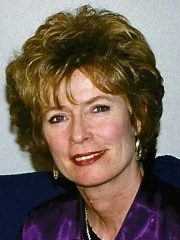
Linda Lee Cadwell
1945 - presente
HPI: 68.01
Posição: 9

Conor McGregor
1988 - presente
HPI: 67.67
Posição: 10
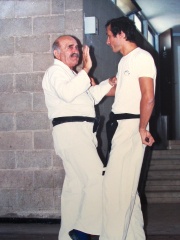
Imi Lichtenfeld
1910 - 1998
HPI: 65.61
Posição: 11
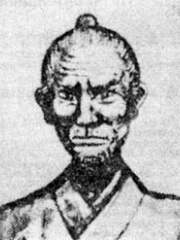
Matsumura Sōkon
1809 - 1899
HPI: 65.60
Posição: 12

Jon Jones
1987 - presente
HPI: 63.72
Posição: 13
Ankō Itosu
1831 - 1915
HPI: 63.57
Posição: 14
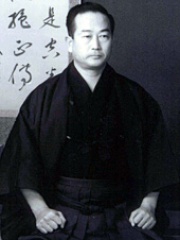
Masatoshi Nakayama
1913 - 1987
HPI: 63.34
Posição: 15

Mirko Cro Cop
1974 - presente
HPI: 63.08
Posição: 16
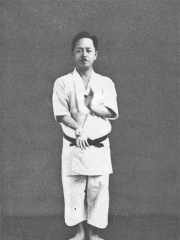
Kenwa Mabuni
1889 - 1952
HPI: 62.64
Posição: 17
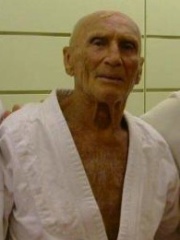
Hélio Gracie
1913 - 2009
HPI: 62.31
Posição: 18
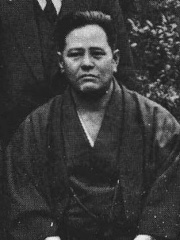
Chōjun Miyagi
1888 - 1953
HPI: 62.30
Posição: 19

Fedor Emelianenko
1976 - presente
HPI: 62.04
Posição: 20

Contemporâneos
Entre as pessoas nascidas em 1831, Ankō Itosu ocupa a posição 41. Antes dele vêm Nikolai Ge, Othniel Charles Marsh, Paul Durand-Ruel, Maurice de Hirsch, George Victor, Prince of Waldeck and Pyrmont, e Anna Leonowens. Depois dele vêm Peter Nicolai Arbo, Princess Helena of Nassau, Daniele Comboni, Wilhelm Raabe, Frederick I, Duke of Anhalt, e Henri Meilhac. Entre as pessoas falecidas em 1915, Ankō Itosu ocupa a posição 38. Antes dele vêm François Faber, Oswald Külpe, Grand Duke Konstantin Konstantinovich of Russia, Anna Leonowens, Theodor Leschetizky, e I. L. Peretz. Depois dele vêm James Murray, Sandford Fleming, Hans Gross, Friedrich Loeffler, Carlos Finlay, e Anatoly Stessel.
Outras pessoas nascidas em 1831
Ver todas as classificações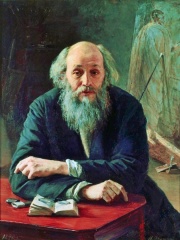
Nikolai Ge
PAINTER
1831 - 1894
HPI: 64.60
Posição: 35
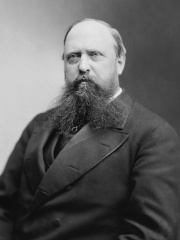
Othniel Charles Marsh
ARCHAEOLOGIST
1831 - 1899
HPI: 64.35
Posição: 36
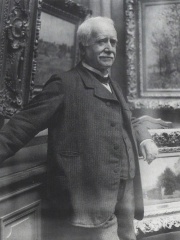
Paul Durand-Ruel
POLITICIAN
1831 - 1922
HPI: 64.20
Posição: 37
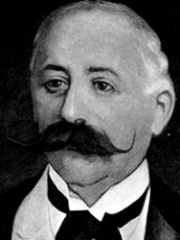
Maurice de Hirsch
BUSINESSPERSON
1831 - 1896
HPI: 64.12
Posição: 38
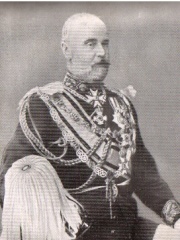
George Victor, Prince of Waldeck and Pyrmont
POLITICIAN
1831 - 1893
HPI: 64.02
Posição: 39
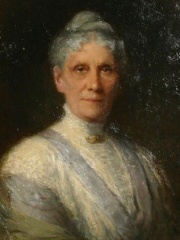
Anna Leonowens
WRITER
1831 - 1915
HPI: 63.88
Posição: 40
Ankō Itosu
MARTIAL ARTS
1831 - 1915
HPI: 63.57
Posição: 41
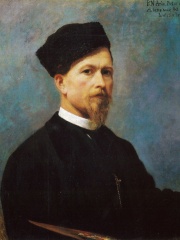
Peter Nicolai Arbo
PAINTER
1831 - 1892
HPI: 63.37
Posição: 42
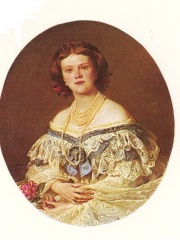
Princess Helena of Nassau
POLITICIAN
1831 - 1888
HPI: 63.31
Posição: 43
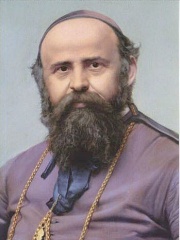
Daniele Comboni
RELIGIOUS FIGURE
1831 - 1881
HPI: 63.25
Posição: 44
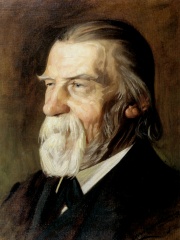
Wilhelm Raabe
WRITER
1831 - 1910
HPI: 62.59
Posição: 45
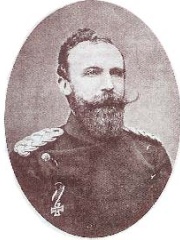
Frederick I, Duke of Anhalt
POLITICIAN
1831 - 1904
HPI: 62.20
Posição: 46
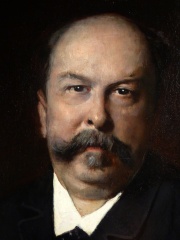
Henri Meilhac
WRITER
1831 - 1897
HPI: 62.13
Posição: 47
Outras pessoas falecidas em 1915
Ver todas as classificações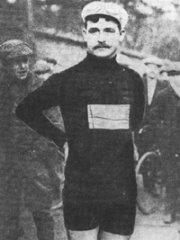
François Faber
CYCLIST
1887 - 1915
HPI: 64.13
Posição: 32

Oswald Külpe
PSYCHOLOGIST
1862 - 1915
HPI: 64.01
Posição: 33
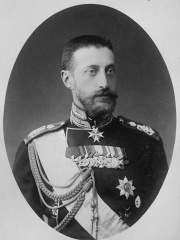
Grand Duke Konstantin Konstantinovich of Russia
WRITER
1858 - 1915
HPI: 63.89
Posição: 34
Anna Leonowens
WRITER
1831 - 1915
HPI: 63.88
Posição: 35
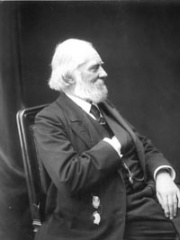
Theodor Leschetizky
MUSICIAN
1830 - 1915
HPI: 63.83
Posição: 36
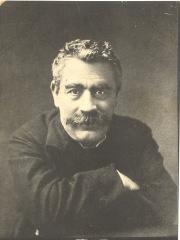
I. L. Peretz
WRITER
1852 - 1915
HPI: 63.77
Posição: 37
Ankō Itosu
MARTIAL ARTS
1831 - 1915
HPI: 63.57
Posição: 38
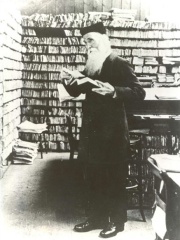
James Murray
WRITER
1837 - 1915
HPI: 63.37
Posição: 39
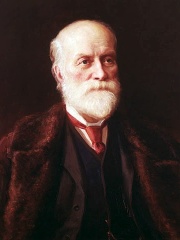
Sandford Fleming
INVENTOR
1827 - 1915
HPI: 63.33
Posição: 40
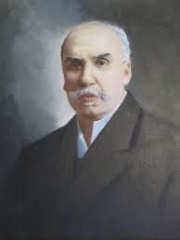
Hans Gross
LAWYER
1847 - 1915
HPI: 63.26
Posição: 41
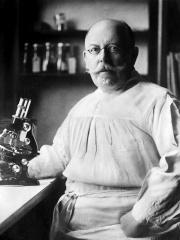
Friedrich Loeffler
BIOLOGIST
1852 - 1915
HPI: 62.73
Posição: 42
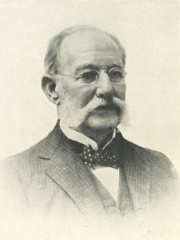
Carlos Finlay
PHYSICIAN
1833 - 1915
HPI: 62.55
Posição: 43
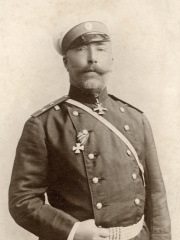
Anatoly Stessel
MILITARY PERSONNEL
1848 - 1915
HPI: 62.44
Posição: 44
Em Japão
Entre as pessoas nascidas em Japão, Ankō Itosu ocupa a posição 648 de 6,943. Antes dele vêm Chūya Nakahara (1907), Sen Katayama (1859), Yoshitada Yamaguchi (1944), Yoshiichi Watanabe (1954), Senjūrō Hayashi (1876), e Empress Shōken (1849). Depois dele vêm Tokugawa Ietsugu (1709), Motoo Kimura (1924), Teruo Nimura (1943), Mitsuko Uchida (1948), Enomoto Takeaki (1836), e Takaaki Kajita (1959).
Outras pessoas nascidas em Japão
Ver todas as classificações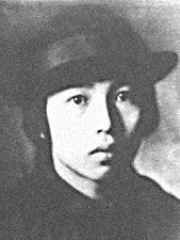
Chūya Nakahara
WRITER
1907 - 1937
HPI: 63.62
Posição: 642
Sen Katayama
POLITICIAN
1859 - 1933
HPI: 63.60
Posição: 643

Yoshitada Yamaguchi
SOCCER PLAYER
1944 - presente
HPI: 63.60
Posição: 644

Yoshiichi Watanabe
SOCCER PLAYER
1954 - presente
HPI: 63.60
Posição: 645
Senjūrō Hayashi
POLITICIAN
1876 - 1943
HPI: 63.59
Posição: 646
Empress Shōken
COMPANION
1849 - 1914
HPI: 63.59
Posição: 647
Ankō Itosu
MARTIAL ARTS
1831 - 1915
HPI: 63.57
Posição: 648
Tokugawa Ietsugu
POLITICIAN
1709 - 1716
HPI: 63.57
Posição: 649
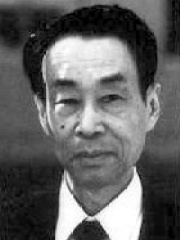
Motoo Kimura
BIOLOGIST
1924 - 1994
HPI: 63.56
Posição: 650

Teruo Nimura
SOCCER PLAYER
1943 - presente
HPI: 63.56
Posição: 651
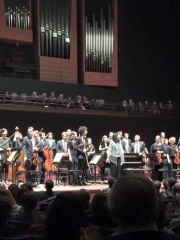
Mitsuko Uchida
MUSICIAN
1948 - presente
HPI: 63.55
Posição: 652
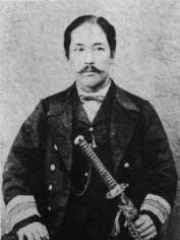
Enomoto Takeaki
POLITICIAN
1836 - 1908
HPI: 63.55
Posição: 653
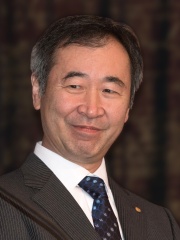
Takaaki Kajita
PHYSICIST
1959 - presente
HPI: 63.54
Posição: 654
Entre Artista marcial em Japão
Entre Artista marcial nascidos em Japão, Ankō Itosu ocupa a posição 5. Antes dele vêm Kanō Jigorō (1860), Gichin Funakoshi (1868), Morihei Ueshiba (1883), e Matsumura Sōkon (1809). Depois dele vêm Masatoshi Nakayama (1913), Kenwa Mabuni (1889), Chōjun Miyagi (1888), Hironori Ōtsuka (1892), Motobu Chōki (1870), Higaonna Kanryō (1853), e Koichi Tohei (1920).
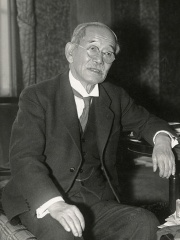
Kanō Jigorō
1860 - 1938
HPI: 75.46
Posição: 1
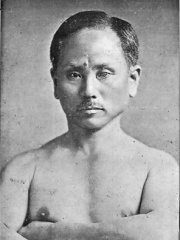
Gichin Funakoshi
1868 - 1957
HPI: 74.41
Posição: 2
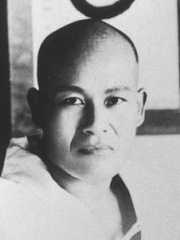
Morihei Ueshiba
1883 - 1969
HPI: 74.07
Posição: 3
Matsumura Sōkon
1809 - 1899
HPI: 65.60
Posição: 4
Ankō Itosu
1831 - 1915
HPI: 63.57
Posição: 5
Masatoshi Nakayama
1913 - 1987
HPI: 63.34
Posição: 6
Kenwa Mabuni
1889 - 1952
HPI: 62.64
Posição: 7
Chōjun Miyagi
1888 - 1953
HPI: 62.30
Posição: 8
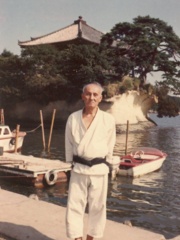
Hironori Ōtsuka
1892 - 1982
HPI: 60.93
Posição: 9
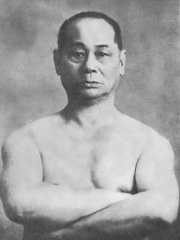
Motobu Chōki
1870 - 1944
HPI: 60.84
Posição: 10
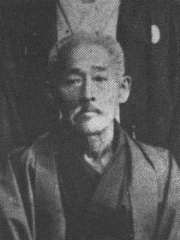
Higaonna Kanryō
1853 - 1916
HPI: 60.75
Posição: 11
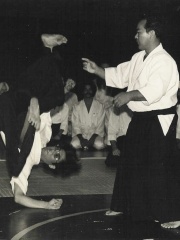
Koichi Tohei
1920 - 2011
HPI: 59.44
Posição: 12




