武术家
Imi Lichtenfeld
1910 - 1998
 Imi Lichtenfeld
Memorability Metrics
86k
Page Views
Past 12 months
65.61
HPI
Historical Popularity Index
Page views of Imi Lichtenfeld by language
Among 武术家
Among 武术家, Imi Lichtenfeld ranks 11 out of 179. Before him are Mas Oyama, Choi Hong Hi, Wong Fei-hung, Huo Yuanjia, Linda Lee Cadwell, and Conor McGregor. After him are Matsumura Sōkon, Jon Jones, Ankō Itosu, Masatoshi Nakayama, Mirko Cro Cop, and Kenwa Mabuni.
Most Popular 武术家 in Wikipedia
Go to all Rankings
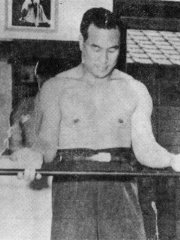
Mas Oyama
1923 - 1994
HPI: 72.71
Rank: 5
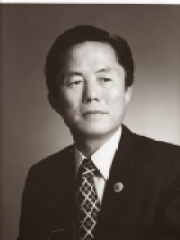
Choi Hong Hi
1918 - 2002
HPI: 69.80
Rank: 6
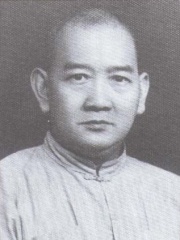
Wong Fei-hung
1925 - 1925
HPI: 69.01
Rank: 7
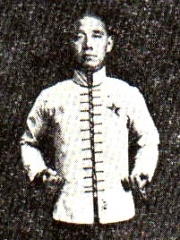
Huo Yuanjia
1868 - 1910
HPI: 68.98
Rank: 8
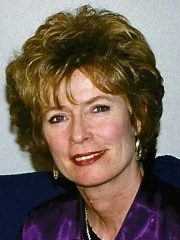
Linda Lee Cadwell
1945 - Present
HPI: 68.01
Rank: 9

Conor McGregor
1988 - Present
HPI: 67.67
Rank: 10
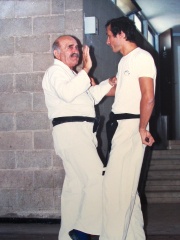
Imi Lichtenfeld
1910 - 1998
HPI: 65.61
Rank: 11
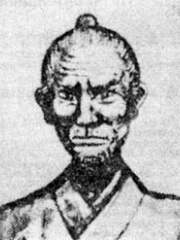
Matsumura Sōkon
1809 - 1899
HPI: 65.60
Rank: 12

Jon Jones
1987 - Present
HPI: 63.72
Rank: 13
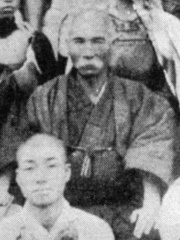
Ankō Itosu
1831 - 1915
HPI: 63.57
Rank: 14
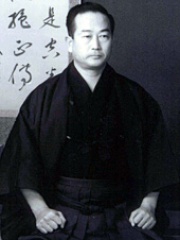
Masatoshi Nakayama
1913 - 1987
HPI: 63.34
Rank: 15

Mirko Cro Cop
1974 - Present
HPI: 63.08
Rank: 16
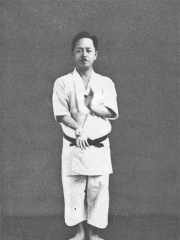
Kenwa Mabuni
1889 - 1952
HPI: 62.64
Rank: 17

Contemporaries
Among people born in 1910, Imi Lichtenfeld ranks 70. Before him are Lobsang Rampa, Galina Ulanova, A. J. Ayer, Ferdinand Daučík, Kim Il, and John Sturges. After him are Karel Zeman, John Hammond, Ruan Lingyu, Aladár Gerevich, Dorothea Tanning, and Pavel Batitsky. Among people deceased in 1998, Imi Lichtenfeld ranks 58. Before him are Nelson Goodman, Galina Ulanova, Martha Gellhorn, Fritz Honka, Albert Gore Sr., and Cozy Powell. After him are Sonny Bono, Marie-Louise Meilleur, Maurice Bucaille, Kamala Sohonie, Ernst-Günther Schenck, and Nazim al-Qudsi.
Others Born in 1910
Go to all Rankings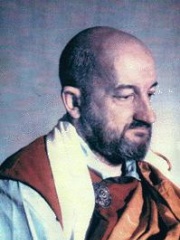
Lobsang Rampa
WRITER
1910 - 1981
HPI: 66.23
Rank: 64
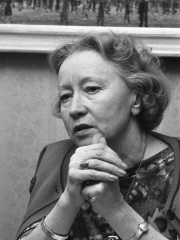
Galina Ulanova
DANCER
1910 - 1998
HPI: 66.11
Rank: 65
A. J. Ayer
PHILOSOPHER
1910 - 1989
HPI: 66.06
Rank: 66

Ferdinand Daučík
SOCCER PLAYER
1910 - 1986
HPI: 65.86
Rank: 67
Kim Il
POLITICIAN
1910 - 1984
HPI: 65.79
Rank: 68
John Sturges
FILM DIRECTOR
1910 - 1992
HPI: 65.73
Rank: 69
Imi Lichtenfeld
MARTIAL ARTS
1910 - 1998
HPI: 65.61
Rank: 70
Karel Zeman
FILM DIRECTOR
1910 - 1989
HPI: 65.37
Rank: 71
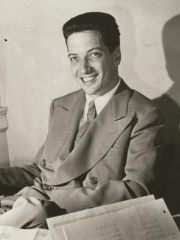
John Hammond
MUSICIAN
1910 - 1987
HPI: 65.20
Rank: 72
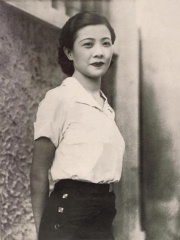
Ruan Lingyu
ACTOR
1910 - 1935
HPI: 65.17
Rank: 73
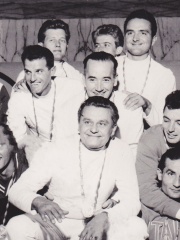
Aladár Gerevich
ATHLETE
1910 - 1991
HPI: 65.11
Rank: 74
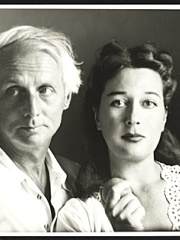
Dorothea Tanning
PAINTER
1910 - 2012
HPI: 65.09
Rank: 75
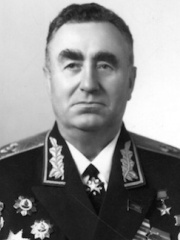
Pavel Batitsky
MILITARY PERSONNEL
1910 - 1984
HPI: 65.07
Rank: 76
Others Deceased in 1998
Go to all Rankings
Nelson Goodman
PHILOSOPHER
1906 - 1998
HPI: 66.13
Rank: 52
Galina Ulanova
DANCER
1910 - 1998
HPI: 66.11
Rank: 53
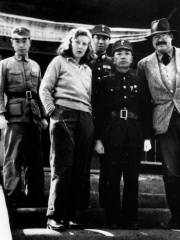
Martha Gellhorn
WRITER
1908 - 1998
HPI: 66.03
Rank: 54

Fritz Honka
EXTREMIST
1935 - 1998
HPI: 66.02
Rank: 55
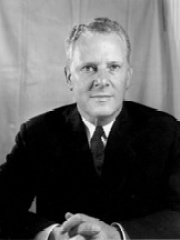
Albert Gore Sr.
POLITICIAN
1907 - 1998
HPI: 65.91
Rank: 56
Cozy Powell
MUSICIAN
1947 - 1998
HPI: 65.77
Rank: 57
Imi Lichtenfeld
MARTIAL ARTS
1910 - 1998
HPI: 65.61
Rank: 58
Sonny Bono
SINGER
1935 - 1998
HPI: 65.53
Rank: 59
Marie-Louise Meilleur
POLITICIAN
1880 - 1998
HPI: 65.51
Rank: 60
Maurice Bucaille
PHYSICIAN
1920 - 1998
HPI: 65.50
Rank: 61
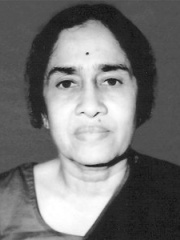
Kamala Sohonie
CHEMIST
1912 - 1998
HPI: 65.46
Rank: 62
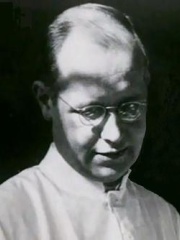
Ernst-Günther Schenck
PHYSICIAN
1904 - 1998
HPI: 65.45
Rank: 63
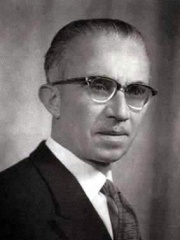
Nazim al-Qudsi
POLITICIAN
1906 - 1998
HPI: 65.30
Rank: 64
In 匈牙利
Among people born in 匈牙利, Imi Lichtenfeld ranks 172 out of NaN. Before him are Béla Balázs (1884), Coloman of Galicia (1208), Rosika Schwimmer (1877), Géza Lakatos (1890), Peter Delyan (1009), and Georg Solti (1912). After him are András Arató (1945), Magda Szabó (1917), Béla Tarr (1955), Ladislaus Hunyadi (1431), Karl Goldmark (1830), and Árpád Göncz (1922).
Others born in 匈牙利
Go to all Rankings
Béla Balázs
WRITER
1884 - 1949
HPI: 65.81
Rank: 166
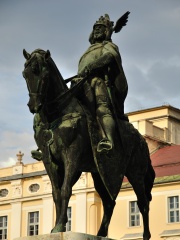
Coloman of Galicia
POLITICIAN
1208 - 1241
HPI: 65.76
Rank: 167
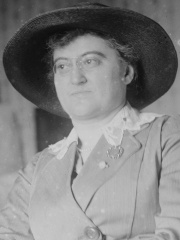
Rosika Schwimmer
WRITER
1877 - 1948
HPI: 65.76
Rank: 168
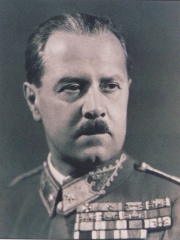
Géza Lakatos
POLITICIAN
1890 - 1967
HPI: 65.65
Rank: 169
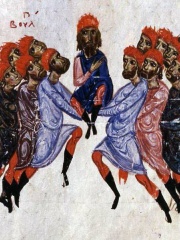
Peter Delyan
POLITICIAN
1009 - 1041
HPI: 65.64
Rank: 170
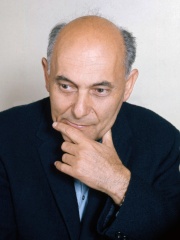
Georg Solti
CONDUCTOR
1912 - 1997
HPI: 65.62
Rank: 171
Imi Lichtenfeld
MARTIAL ARTS
1910 - 1998
HPI: 65.61
Rank: 172

András Arató
MODEL
1945 - Present
HPI: 65.60
Rank: 173
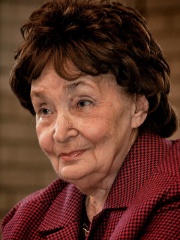
Magda Szabó
WRITER
1917 - 2007
HPI: 65.51
Rank: 174
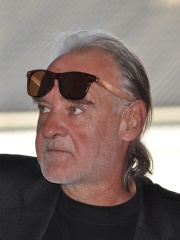
Béla Tarr
FILM DIRECTOR
1955 - 2026
HPI: 65.51
Rank: 175
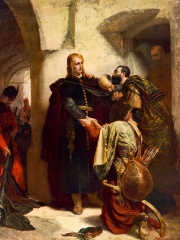
Ladislaus Hunyadi
POLITICIAN
1431 - 1457
HPI: 65.44
Rank: 176
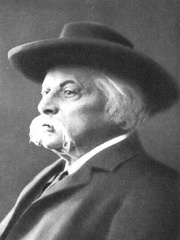
Karl Goldmark
COMPOSER
1830 - 1915
HPI: 65.37
Rank: 177
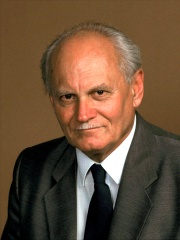
Árpád Göncz
POLITICIAN
1922 - 2015
HPI: 65.36
Rank: 178
Among 武术家 In 匈牙利
Among 武术家 born in 匈牙利, Imi Lichtenfeld ranks 1. After him are Imre Csősz (1969), Sándor Bárdosi (1977), and Abigél Joó (1990).
Imi Lichtenfeld
1910 - 1998
HPI: 65.61
Rank: 1

Imre Csősz
1969 - Present
HPI: 42.86
Rank: 2

Sándor Bárdosi
1977 - Present
HPI: 39.52
Rank: 3

Abigél Joó
1990 - Present
HPI: 36.02
Rank: 4




