Polityk
Poros (władca)
400 BC - 316 BC
WYŚWIETLENIA PL.WIKIPEDIA (PV)
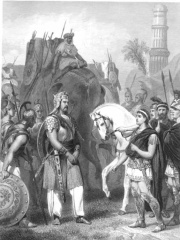
 Poros (władca)
Jego biografia jest dostępna w 50 różnych językach w Wikipedii (wzrost z 49 w 2024 roku). Poros (władca) jest 452. najpopularniejszym polityk (wzrost z 2490. w 2024 roku), 7. najpopularniejszą biografią Pakistan (wzrost z 13. w 2019 roku) oraz 4. najpopularniejszym polityk Pakistan.
Wskaźniki rozpoznawalności
260k
Wyświetlenia strony
Ostatnie 12 miesięcy
79.63
HPI
Indeks historycznej popularności
Ciekawostki z danych
#1
Spośród 137 postaci w Pantheonie urodzonych w roku 400 BC najbardziej znaną jest Poros (władca).
#1,519
Ponad 23 wieków po śmierci Poros (władca) wciąż zajmuje 1,519. miejsce wśród wszystkich postaci w Pantheonie.
50
Biografia postaci Poros (władca) występuje w 50 wersjach językowych Wikipedii — w większej liczbie niż u 90% wszystkich Polityk.
Wyświetlenia strony Poros (władca) według języka
Wśród przedstawicieli zawodu Polityk
Wśród przedstawicieli zawodu „Polityk” Poros (władca) zajmuje 452. miejsce na 19,576. Przed nim są Leopold I, Holy Roman Emperor, Maximinus II, Hussein of Jordan, Lapu-Lapu, Stepan Bandera, i Edward I of England. Po nim są Mars, Mahidevran, Muhammad Zia-ul-Haq, Radovan Karadžić, Ibn Saud, i Nicolas Sarkozy.
Najpopularniejsi w Wikipedii: Polityk
Zobacz wszystkie rankingi
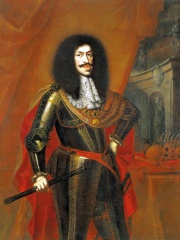
Leopold I, Holy Roman Emperor
1640 - 1705
HPI: 79.68
Miejsce: 446
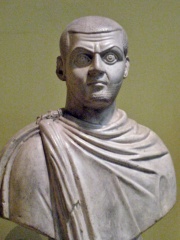
Maximinus II
270 - 313
HPI: 79.67
Miejsce: 447
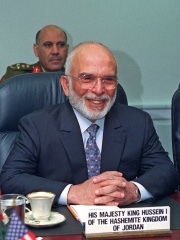
Hussein of Jordan
1935 - 1999
HPI: 79.66
Miejsce: 448
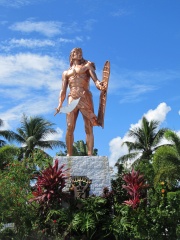
Lapu-Lapu
1491 - 1542
HPI: 79.66
Miejsce: 449
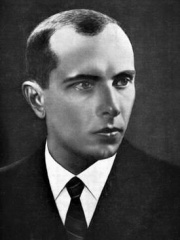
Stepan Bandera
1909 - 1959
HPI: 79.65
Miejsce: 450
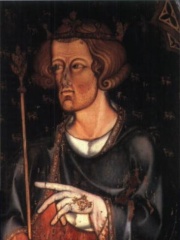
Edward I of England
1239 - 1307
HPI: 79.64
Miejsce: 451
Porus
400 BC - 316 BC
HPI: 79.63
Miejsce: 452
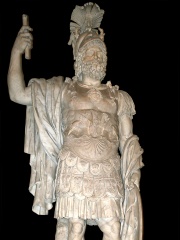
Mars
HPI: 79.62
Miejsce: 453
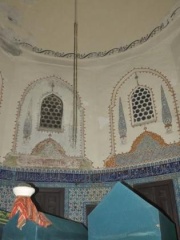
Mahidevran
1500 - 1581
HPI: 79.62
Miejsce: 454
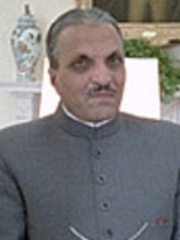
Muhammad Zia-ul-Haq
1924 - 1988
HPI: 79.61
Miejsce: 455
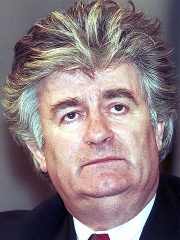
Radovan Karadžić
1945 - obecnie
HPI: 79.59
Miejsce: 456
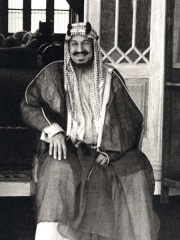
Ibn Saud
1875 - 1953
HPI: 79.58
Miejsce: 457

Nicolas Sarkozy
1955 - obecnie
HPI: 79.57
Miejsce: 458

Współcześni
Wśród osób urodzonych w 400 BC roku Poros (władca) zajmuje 1. miejsce. Po nim są Bessus, Tollund Man, Parmenion, Stateira I, Thaïs, Berossus, Nectanebo II, Theopompus, Atropates, Ephorus, i Leochares. Wśród osób zmarłych w 316 BC roku Poros (władca) zajmuje 1. miejsce. Po nim są Olympias, Eumenes, Sun Bin, Peithon, Antigenes, Attalus, i Eudemus.
Inne osoby urodzone w 400 BC roku
Zobacz wszystkie rankingiPorus
POLITICIAN
400 BC - 316 BC
HPI: 79.63
Miejsce: 1
Bessus
POLITICIAN
400 BC - 329 BC
HPI: 73.62
Miejsce: 2
Tollund Man
CELEBRITY
400 BC - 384 BC
HPI: 72.13
Miejsce: 3
Parmenion
MILITARY PERSONNEL
400 BC - 329 BC
HPI: 71.79
Miejsce: 4

Stateira I
COMPANION
400 BC - 331 BC
HPI: 70.44
Miejsce: 5
Thaïs
POLITICIAN
400 BC - 400 BC
HPI: 70.25
Miejsce: 6

Berossus
WRITER
400 BC - 300 BC
HPI: 70.12
Miejsce: 7
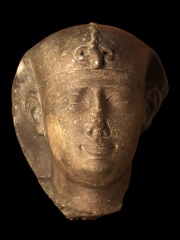
Nectanebo II
POLITICIAN
400 BC - 343 BC
HPI: 70.02
Miejsce: 8

Theopompus
HISTORIAN
400 BC - 320 BC
HPI: 69.44
Miejsce: 9
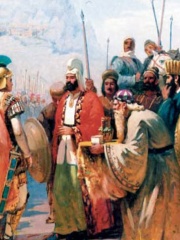
Atropates
POLITICIAN
400 BC - 360 BC
HPI: 69.37
Miejsce: 10

Ephorus
HISTORIAN
400 BC - 330 BC
HPI: 69.19
Miejsce: 11

Leochares
SCULPTOR
400 BC - 400 BC
HPI: 68.77
Miejsce: 12
Inne osoby zmarłe w 316 BC roku
Zobacz wszystkie rankingiPorus
POLITICIAN
400 BC - 316 BC
HPI: 79.63
Miejsce: 1
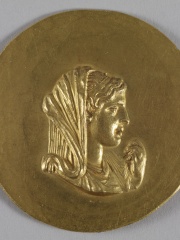
Olympias
COMPANION
375 BC - 316 BC
HPI: 76.86
Miejsce: 2
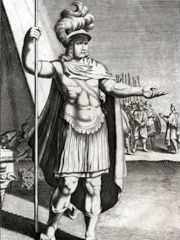
Eumenes
MILITARY PERSONNEL
362 BC - 316 BC
HPI: 70.85
Miejsce: 3
Sun Bin
MILITARY PERSONNEL
401 BC - 316 BC
HPI: 70.46
Miejsce: 4

Peithon
MILITARY PERSONNEL
355 BC - 316 BC
HPI: 63.15
Miejsce: 5

Antigenes
POLITICIAN
350 BC - 316 BC
HPI: 59.75
Miejsce: 6

Attalus
MILITARY PERSONNEL
400 BC - 316 BC
HPI: 58.83
Miejsce: 7
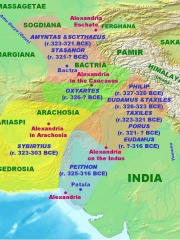
Eudemus
POLITICIAN
400 BC - 316 BC
HPI: 54.77
Miejsce: 8
W kraju Pakistan
Wśród osób urodzonych w kraju Pakistan Poros (władca) zajmuje 7. miejsce na 217. Przed nim są Akbar (1542), Muhammad Ali Jinnah (1876), Guru Nanak (1469), Manmohan Singh (1932), Pāṇini (-500), i Muhammad Iqbal (1877). Po nim są Nawaz Sharif (1949), Shehbaz Sharif (1951), Chanakya (-375), I. K. Gujral (1919), Nusrat Fateh Ali Khan (1948), i Pran (1920).
Inne osoby urodzone w kraju Pakistan
Zobacz wszystkie rankingi
Akbar
POLITICIAN
1542 - 1605
HPI: 92.19
Miejsce: 1
Muhammad Ali Jinnah
POLITICIAN
1876 - 1948
HPI: 86.88
Miejsce: 2
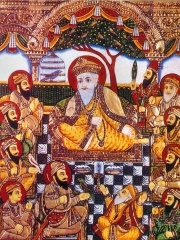
Guru Nanak
RELIGIOUS FIGURE
1469 - 1539
HPI: 85.46
Miejsce: 3
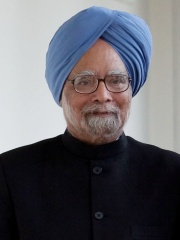
Manmohan Singh
POLITICIAN
1932 - 2024
HPI: 82.56
Miejsce: 4
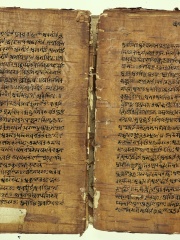
Pāṇini
LINGUIST
500 BC - 460 BC
HPI: 81.60
Miejsce: 5
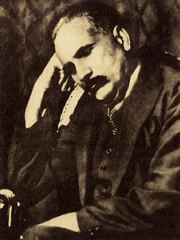
Muhammad Iqbal
WRITER
1877 - 1938
HPI: 80.65
Miejsce: 6
Porus
POLITICIAN
400 BC - 316 BC
HPI: 79.63
Miejsce: 7
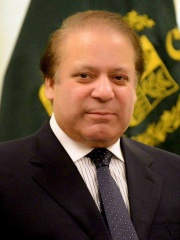
Nawaz Sharif
POLITICIAN
1949 - obecnie
HPI: 79.46
Miejsce: 8
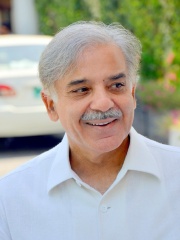
Shehbaz Sharif
POLITICIAN
1951 - obecnie
HPI: 78.79
Miejsce: 9
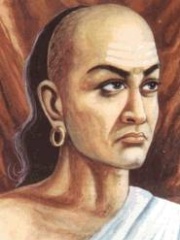
Chanakya
PHILOSOPHER
375 BC - 283 BC
HPI: 77.08
Miejsce: 10
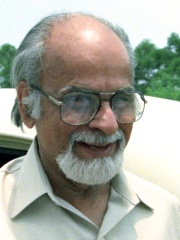
I. K. Gujral
POLITICIAN
1919 - 2012
HPI: 75.79
Miejsce: 11
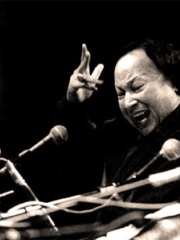
Nusrat Fateh Ali Khan
SINGER
1948 - 1997
HPI: 75.67
Miejsce: 12
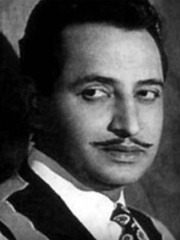
Pran
ACTOR
1920 - 2013
HPI: 75.64
Miejsce: 13
Wśród przedstawicieli zawodu Polityk w kraju Pakistan
Wśród przedstawicieli zawodu „Polityk” urodzonych w kraju Pakistan Poros (władca) zajmuje 4. miejsce. Przed nim są Akbar (1542), Muhammad Ali Jinnah (1876), i Manmohan Singh (1932). Po nim są Nawaz Sharif (1949), Shehbaz Sharif (1951), I. K. Gujral (1919), Shah Jahan (1592), Arif Alvi (1949), Benazir Bhutto (1953), Zulfikar Ali Bhutto (1928), i Yousaf Raza Gillani (1952).
Akbar
1542 - 1605
HPI: 92.19
Miejsce: 1
Muhammad Ali Jinnah
1876 - 1948
HPI: 86.88
Miejsce: 2
Manmohan Singh
1932 - 2024
HPI: 82.56
Miejsce: 3
Porus
400 BC - 316 BC
HPI: 79.63
Miejsce: 4
Nawaz Sharif
1949 - obecnie
HPI: 79.46
Miejsce: 5
Shehbaz Sharif
1951 - obecnie
HPI: 78.79
Miejsce: 6
I. K. Gujral
1919 - 2012
HPI: 75.79
Miejsce: 7
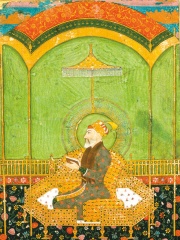
Shah Jahan
1592 - 1666
HPI: 75.28
Miejsce: 8
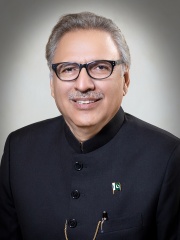
Arif Alvi
1949 - obecnie
HPI: 73.02
Miejsce: 9
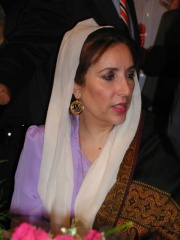
Benazir Bhutto
1953 - 2007
HPI: 72.02
Miejsce: 10
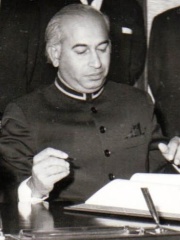
Zulfikar Ali Bhutto
1928 - 1979
HPI: 69.00
Miejsce: 11
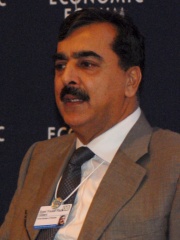
Yousaf Raza Gillani
1952 - obecnie
HPI: 68.75
Miejsce: 12




