Politicien
Radovan Karadžić
1945 - aujourd'hui
PAGES VUES SUR FR.WIKIPEDIA (PV)
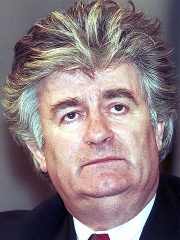
 Radovan Karadžić
Sa biographie est disponible en 73 langues sur Wikipédia (en hausse par rapport à 72 en 2024). Radovan Karadžić est le 456th politicien le plus populaire (en baisse du 449th en 2024), la 2nd biographie la plus populaire du Monténégro (en baisse du 1st en 2019), ainsi que le 2nd politicien du Monténégro le plus populaire.
Indicateurs de mémorabilité
930k
Pages vues
12 derniers mois
79.59
HPI
Indice de popularité historique
Faits marquants
#2 / 173
Radovan Karadžić se classe n° 2 parmi les 173 personnalités de Pantheon nées en Monténégro, dans le top 2 % de ce groupe.
73
La biographie de Radovan Karadžić figure dans 73 éditions linguistiques de Wikipédia, plus que 96 % de l'ensemble des Politicien.
Pages vues de Radovan Karadžić par langue
Parmi les Politicien
Parmi les Politicien, Radovan Karadžić occupe le rang 456 sur 20,022. Avant lui viennent Stepan Bandera, Edward I of England, Porus, Mars, Mahidevran, et Muhammad Zia-ul-Haq. Après lui viennent Ibn Saud, Nicolas Sarkozy, Henry VII of England, Pertinax, Alfred the Great, et Willy Brandt.
Politicien les plus populaires sur Wikipédia
Voir tous les classements
Stepan Bandera
1909 - 1959
HPI : 79.65
Rang : 450
Edward I of England
1239 - 1307
HPI : 79.64
Rang : 451
Porus
400 BC - 316 BC
HPI : 79.63
Rang : 452
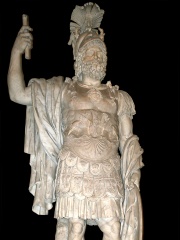
Mars
HPI : 79.62
Rang : 453
Mahidevran
1500 - 1581
HPI : 79.62
Rang : 454
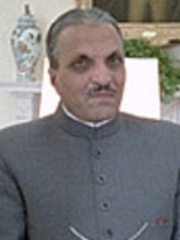
Muhammad Zia-ul-Haq
1924 - 1988
HPI : 79.61
Rang : 455
Radovan Karadžić
1945 - présent
HPI : 79.59
Rang : 456
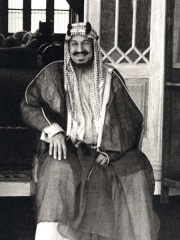
Ibn Saud
1875 - 1953
HPI : 79.58
Rang : 457
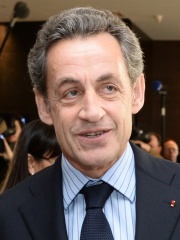
Nicolas Sarkozy
1955 - présent
HPI : 79.57
Rang : 458
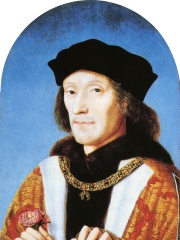
Henry VII of England
1457 - 1509
HPI : 79.55
Rang : 459
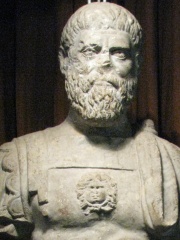
Pertinax
126 - 193
HPI : 79.52
Rang : 460
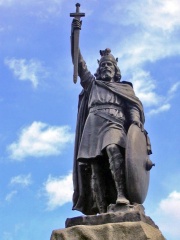
Alfred the Great
849 - 899
HPI : 79.51
Rang : 461
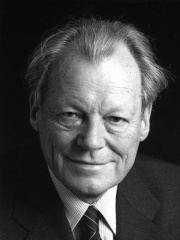
Willy Brandt
1913 - 1992
HPI : 79.49
Rang : 462

Contemporains
Parmi les personnes nées en 1945, Radovan Karadžić occupe le rang 10. Avant lui viennent Gerd Müller, Anni-Frid Lyngstad, Luiz Inácio Lula da Silva, Aung San Suu Kyi, Vince McMahon, et Lemmy. Après lui viennent Priscilla Presley, Debbie Harry, Tom Selleck, Eric Clapton, Jupp Heynckes, et Eddy Merckx.
Autres personnes nées en 1945
Voir tous les classements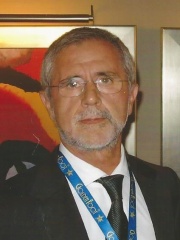
Gerd Müller
SOCCER PLAYER
1945 - 2021
HPI : 83.25
Rang : 4
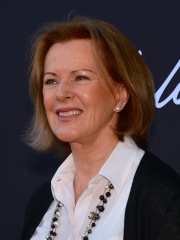
Anni-Frid Lyngstad
SINGER
1945 - présent
HPI : 82.46
Rang : 5
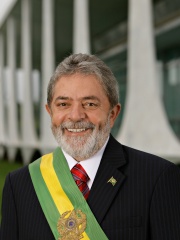
Luiz Inácio Lula da Silva
POLITICIAN
1945 - présent
HPI : 81.43
Rang : 6
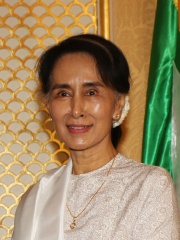
Aung San Suu Kyi
SOCIAL ACTIVIST
1945 - présent
HPI : 80.96
Rang : 7

Vince McMahon
BUSINESSPERSON
1945 - présent
HPI : 80.55
Rang : 8
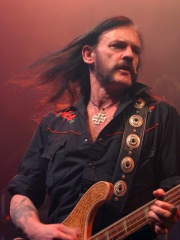
Lemmy
MUSICIAN
1945 - 2015
HPI : 79.99
Rang : 9
Radovan Karadžić
POLITICIAN
1945 - présent
HPI : 79.59
Rang : 10

Priscilla Presley
COMPANION
1945 - présent
HPI : 78.46
Rang : 11
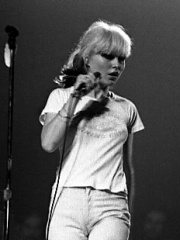
Debbie Harry
SINGER
1945 - présent
HPI : 78.41
Rang : 12
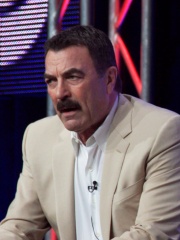
Tom Selleck
ACTOR
1945 - présent
HPI : 78.39
Rang : 13

Eric Clapton
MUSICIAN
1945 - présent
HPI : 77.76
Rang : 14
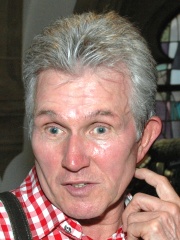
Jupp Heynckes
COACH
1945 - présent
HPI : 76.94
Rang : 15
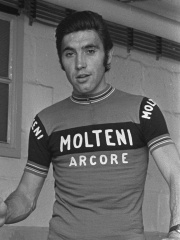
Eddy Merckx
CYCLIST
1945 - présent
HPI : 76.88
Rang : 16
En Monténégro
Parmi les personnes nées en Monténégro, Radovan Karadžić occupe le rang 2 sur 173. Avant lui vient Alexander I of Yugoslavia (1888). Après lui viennent Nicholas I of Montenegro (1841), Milovan Đilas (1911), Giovanni da Pian del Carpine (1182), Stefan Nemanja (1113), Elena of Montenegro (1871), Petar II Petrović-Njegoš (1813), Hersekzade Ahmed Pasha (1459), Princess Zorka of Montenegro (1864), Milena Vukotić (1848), et Leopold Mandić (1866).
Autres personnes nées en Monténégro
Voir tous les classements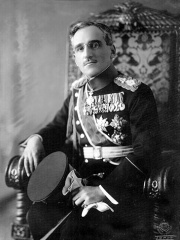
Alexander I of Yugoslavia
POLITICIAN
1888 - 1934
HPI : 80.02
Rang : 1
Radovan Karadžić
POLITICIAN
1945 - présent
HPI : 79.59
Rang : 2
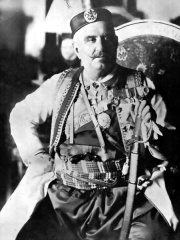
Nicholas I of Montenegro
POLITICIAN
1841 - 1921
HPI : 77.34
Rang : 3
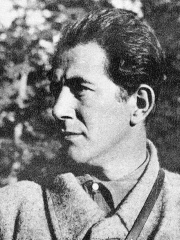
Milovan Đilas
POLITICIAN
1911 - 1995
HPI : 74.53
Rang : 4
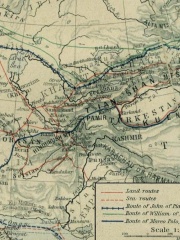
Giovanni da Pian del Carpine
EXPLORER
1182 - 1252
HPI : 74.46
Rang : 5
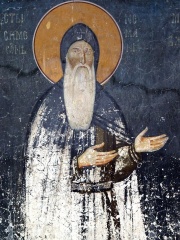
Stefan Nemanja
POLITICIAN
1113 - 1199
HPI : 73.26
Rang : 6
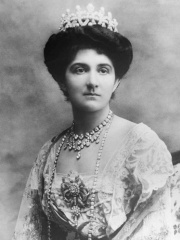
Elena of Montenegro
COMPANION
1871 - 1952
HPI : 72.19
Rang : 7
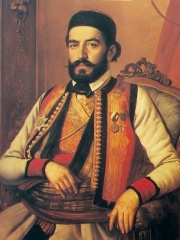
Petar II Petrović-Njegoš
WRITER
1813 - 1851
HPI : 71.12
Rang : 8

Hersekzade Ahmed Pasha
POLITICIAN
1459 - 1517
HPI : 68.02
Rang : 9
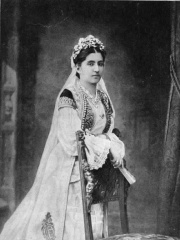
Princess Zorka of Montenegro
COMPANION
1864 - 1890
HPI : 67.75
Rang : 10
Milena Vukotić
COMPANION
1848 - 1923
HPI : 67.58
Rang : 11
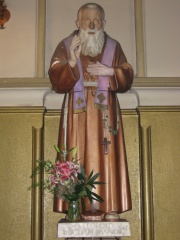
Leopold Mandić
RELIGIOUS FIGURE
1866 - 1942
HPI : 66.93
Rang : 12
Parmi les Politicien en Monténégro
Parmi les Politicien nés en Monténégro, Radovan Karadžić occupe le rang 2. Avant lui vient Alexander I of Yugoslavia (1888). Après lui viennent Nicholas I of Montenegro (1841), Milovan Đilas (1911), Stefan Nemanja (1113), Hersekzade Ahmed Pasha (1459), Milo Đukanović (1962), Danilo I, Prince of Montenegro (1826), Danilo, Crown Prince of Montenegro (1871), George, Crown Prince of Serbia (1887), Radola Gajda (1892), et Peko Dapčević (1913).
Alexander I of Yugoslavia
1888 - 1934
HPI : 80.02
Rang : 1
Radovan Karadžić
1945 - présent
HPI : 79.59
Rang : 2
Nicholas I of Montenegro
1841 - 1921
HPI : 77.34
Rang : 3
Milovan Đilas
1911 - 1995
HPI : 74.53
Rang : 4
Stefan Nemanja
1113 - 1199
HPI : 73.26
Rang : 5
Hersekzade Ahmed Pasha
1459 - 1517
HPI : 68.02
Rang : 6
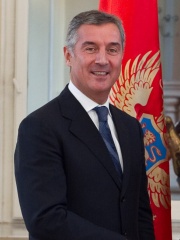
Milo Đukanović
1962 - présent
HPI : 66.20
Rang : 7
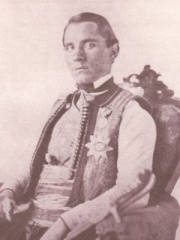
Danilo I, Prince of Montenegro
1826 - 1860
HPI : 66.17
Rang : 8
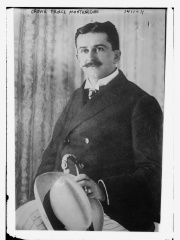
Danilo, Crown Prince of Montenegro
1871 - 1939
HPI : 66.02
Rang : 9
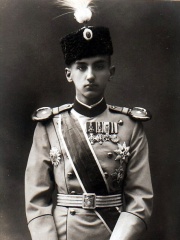
George, Crown Prince of Serbia
1887 - 1972
HPI : 64.04
Rang : 10
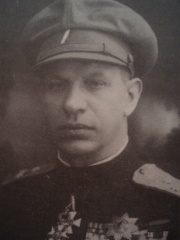
Radola Gajda
1892 - 1948
HPI : 63.62
Rang : 11
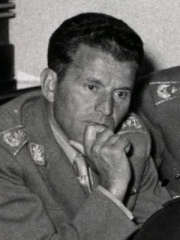
Peko Dapčević
1913 - 1999
HPI : 62.03
Rang : 12




