Politiker
Poros (König)
400 BC - 316 BC
DE.WIKIPEDIA-SEITENAUFRUFE (PV)
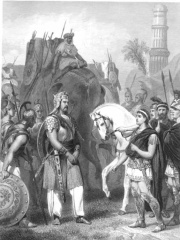
 Poros (König)
Seine Biografie ist in 50 verschiedenen Sprachen auf Wikipedia verfügbar (gestiegen von 49 im Jahr 2024). Poros (König) ist der 452nd beliebteste Politiker (gestiegen vom 2,490th im Jahr 2024), die 7th beliebteste Biografie aus Pakistan (gestiegen vom 13th im Jahr 2019) und der 4th beliebteste aus Pakistan Politiker.
Bekanntheitsmetriken
260k
Seitenaufrufe
Letzte 12 Monate
79.63
HPI
Historischer Popularitätsindex
Seitenaufrufe von Poros (König) nach Sprache
Unter Politiker
Unter Politiker belegt Poros (König) Rang 452 von 19,576. Vor ihm stehen Leopold I, Holy Roman Emperor, Maximinus II, Hussein of Jordan, Lapu-Lapu, Stepan Bandera, und Edward I of England. Nach ihm folgen Mars, Mahidevran, Muhammad Zia-ul-Haq, Radovan Karadžić, Ibn Saud, und Nicolas Sarkozy.
Die beliebtesten Politiker auf Wikipedia
Zu allen Ranglisten
Leopold I, Holy Roman Emperor
1640 - 1705
HPI: 79.68
Rang: 446
Maximinus II
270 - 313
HPI: 79.67
Rang: 447
Hussein of Jordan
1935 - 1999
HPI: 79.66
Rang: 448
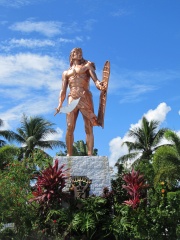
Lapu-Lapu
1491 - 1542
HPI: 79.66
Rang: 449
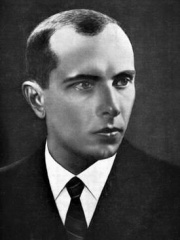
Stepan Bandera
1909 - 1959
HPI: 79.65
Rang: 450
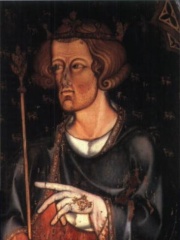
Edward I of England
1239 - 1307
HPI: 79.64
Rang: 451
Porus
400 BC - 316 BC
HPI: 79.63
Rang: 452
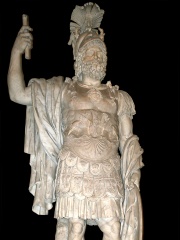
Mars
HPI: 79.62
Rang: 453
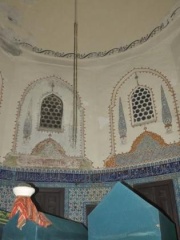
Mahidevran
1500 - 1581
HPI: 79.62
Rang: 454
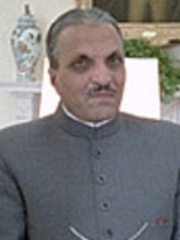
Muhammad Zia-ul-Haq
1924 - 1988
HPI: 79.61
Rang: 455
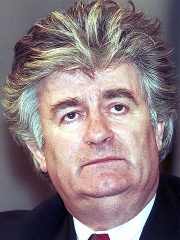
Radovan Karadžić
1945 - heute
HPI: 79.59
Rang: 456
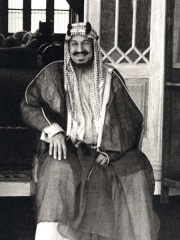
Ibn Saud
1875 - 1953
HPI: 79.58
Rang: 457

Nicolas Sarkozy
1955 - heute
HPI: 79.57
Rang: 458

Zeitgenossen
Unter den im Jahr 400 BC Geborenen belegt Poros (König) Rang 1. Nach ihm folgen Bessus, Tollund Man, Parmenion, Stateira I, Thaïs, Berossus, Nectanebo II, Theopompus, Atropates, Ephorus, und Leochares. Unter den im Jahr 316 BC Verstorbenen belegt Poros (König) Rang 1. Nach ihm folgen Olympias, Eumenes, Sun Bin, Peithon, Antigenes, Attalus, und Eudemus.
Weitere im Jahr 400 BC Geborene
Zu allen RanglistenPorus
POLITICIAN
400 BC - 316 BC
HPI: 79.63
Rang: 1
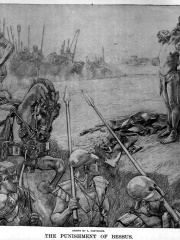
Bessus
POLITICIAN
400 BC - 329 BC
HPI: 73.62
Rang: 2
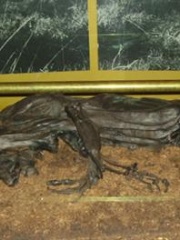
Tollund Man
CELEBRITY
400 BC - 384 BC
HPI: 72.13
Rang: 3
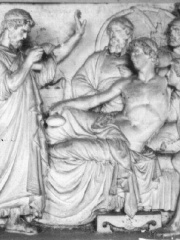
Parmenion
MILITARY PERSONNEL
400 BC - 329 BC
HPI: 71.79
Rang: 4

Stateira I
COMPANION
400 BC - 331 BC
HPI: 70.44
Rang: 5

Thaïs
POLITICIAN
400 BC - 400 BC
HPI: 70.25
Rang: 6

Berossus
WRITER
400 BC - 300 BC
HPI: 70.12
Rang: 7
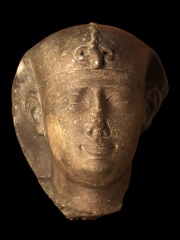
Nectanebo II
POLITICIAN
400 BC - 343 BC
HPI: 70.02
Rang: 8

Theopompus
HISTORIAN
400 BC - 320 BC
HPI: 69.44
Rang: 9
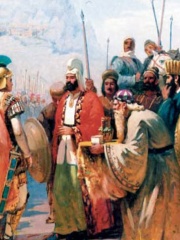
Atropates
POLITICIAN
400 BC - 360 BC
HPI: 69.37
Rang: 10

Ephorus
HISTORIAN
400 BC - 330 BC
HPI: 69.19
Rang: 11

Leochares
SCULPTOR
400 BC - 400 BC
HPI: 68.77
Rang: 12
Weitere im Jahr 316 BC Verstorbene
Zu allen RanglistenPorus
POLITICIAN
400 BC - 316 BC
HPI: 79.63
Rang: 1
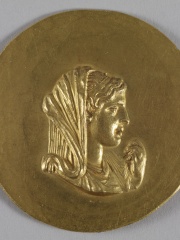
Olympias
COMPANION
375 BC - 316 BC
HPI: 76.86
Rang: 2
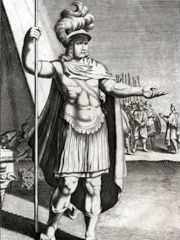
Eumenes
MILITARY PERSONNEL
362 BC - 316 BC
HPI: 70.85
Rang: 3
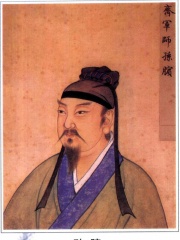
Sun Bin
MILITARY PERSONNEL
401 BC - 316 BC
HPI: 70.46
Rang: 4

Peithon
MILITARY PERSONNEL
355 BC - 316 BC
HPI: 63.15
Rang: 5

Antigenes
POLITICIAN
350 BC - 316 BC
HPI: 59.75
Rang: 6

Attalus
MILITARY PERSONNEL
400 BC - 316 BC
HPI: 58.83
Rang: 7
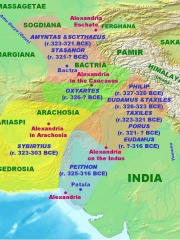
Eudemus
POLITICIAN
400 BC - 316 BC
HPI: 54.77
Rang: 8
In Pakistan
Unter den in Pakistan Geborenen belegt Poros (König) Rang 7 von NaN. Vor ihm stehen Akbar (1542), Muhammad Ali Jinnah (1876), Guru Nanak (1469), Manmohan Singh (1932), Pāṇini (-500), und Muhammad Iqbal (1877). Nach ihm folgen Nawaz Sharif (1949), Shehbaz Sharif (1951), Chanakya (-375), I. K. Gujral (1919), Nusrat Fateh Ali Khan (1948), und Pran (1920).
Weitere in Pakistan geborene Personen
Zu allen Ranglisten
Akbar
POLITICIAN
1542 - 1605
HPI: 92.19
Rang: 1
Muhammad Ali Jinnah
POLITICIAN
1876 - 1948
HPI: 86.88
Rang: 2
Guru Nanak
RELIGIOUS FIGURE
1469 - 1539
HPI: 85.46
Rang: 3
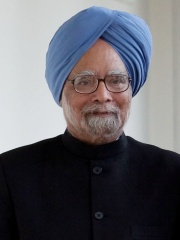
Manmohan Singh
POLITICIAN
1932 - 2024
HPI: 82.56
Rang: 4
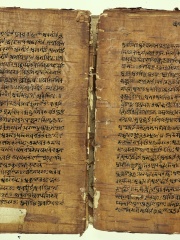
Pāṇini
LINGUIST
500 BC - 460 BC
HPI: 81.60
Rang: 5
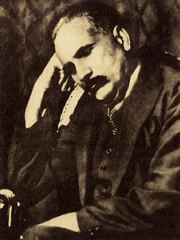
Muhammad Iqbal
WRITER
1877 - 1938
HPI: 80.65
Rang: 6
Porus
POLITICIAN
400 BC - 316 BC
HPI: 79.63
Rang: 7
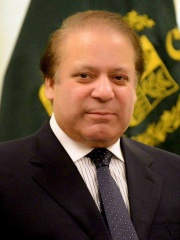
Nawaz Sharif
POLITICIAN
1949 - heute
HPI: 79.46
Rang: 8
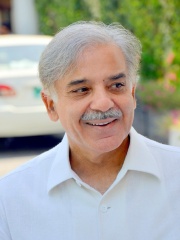
Shehbaz Sharif
POLITICIAN
1951 - heute
HPI: 78.79
Rang: 9
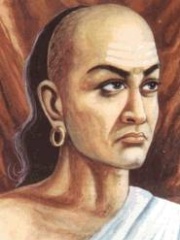
Chanakya
PHILOSOPHER
375 BC - 283 BC
HPI: 77.08
Rang: 10
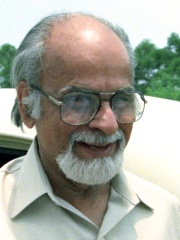
I. K. Gujral
POLITICIAN
1919 - 2012
HPI: 75.79
Rang: 11
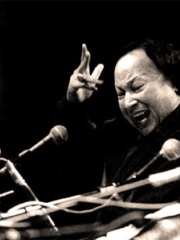
Nusrat Fateh Ali Khan
SINGER
1948 - 1997
HPI: 75.67
Rang: 12
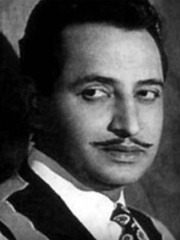
Pran
ACTOR
1920 - 2013
HPI: 75.64
Rang: 13
Unter Politiker in Pakistan
Unter den in Pakistan geborenen Politiker belegt Poros (König) Rang 4. Vor ihm stehen Akbar (1542), Muhammad Ali Jinnah (1876), und Manmohan Singh (1932). Nach ihm folgen Nawaz Sharif (1949), Shehbaz Sharif (1951), I. K. Gujral (1919), Shah Jahan (1592), Arif Alvi (1949), Benazir Bhutto (1953), Zulfikar Ali Bhutto (1928), und Yousaf Raza Gillani (1952).
Akbar
1542 - 1605
HPI: 92.19
Rang: 1
Muhammad Ali Jinnah
1876 - 1948
HPI: 86.88
Rang: 2
Manmohan Singh
1932 - 2024
HPI: 82.56
Rang: 3
Porus
400 BC - 316 BC
HPI: 79.63
Rang: 4
Nawaz Sharif
1949 - heute
HPI: 79.46
Rang: 5
Shehbaz Sharif
1951 - heute
HPI: 78.79
Rang: 6
I. K. Gujral
1919 - 2012
HPI: 75.79
Rang: 7
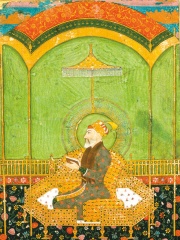
Shah Jahan
1592 - 1666
HPI: 75.28
Rang: 8
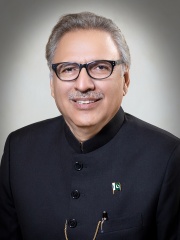
Arif Alvi
1949 - heute
HPI: 73.02
Rang: 9
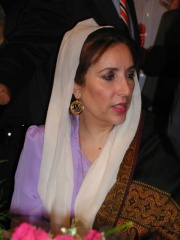
Benazir Bhutto
1953 - 2007
HPI: 72.02
Rang: 10
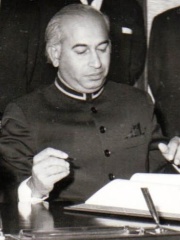
Zulfikar Ali Bhutto
1928 - 1979
HPI: 69.00
Rang: 11
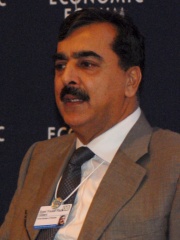
Yousaf Raza Gillani
1952 - heute
HPI: 68.75
Rang: 12




