Pisarz
Apion
30 BC - 45
WYŚWIETLENIA PL.WIKIPEDIA (PV)

 Apion
Apion
Jego biografia jest dostępna w 22 różnych językach w Wikipedii (wzrost z 20 w 2024 roku). Apion jest 3395. najpopularniejszym pisarz (spadek z 2597. w 2024 roku), 418. najpopularniejszą biografią Egipt (spadek z 359. w 2019 roku) oraz 35. najpopularniejszym pisarz Egipt.
Wskaźniki rozpoznawalności
24k
Wyświetlenia strony
Ostatnie 12 miesięcy
59.39
HPI
Indeks historycznej popularności
Wyświetlenia strony Apion według języka
Wśród przedstawicieli zawodu Pisarz
Wśród przedstawicieli zawodu „Pisarz” Apion zajmuje 3,395. miejsce na 7,302. Przed nim są Yury Vlasov, Jens Baggesen, Caspar Barlaeus, Mario Soldati, Akazome Emon, i Susanna Tamaro. Po nim są Phan Bội Châu, Augusto Genina, Mustafa Kamil Pasha, Karin Michaëlis, Naoya Shiga, i Paul Gallico.
Najpopularniejsi w Wikipedii: Pisarz
Zobacz wszystkie rankingi

Yury Vlasov
1935 - 2021
HPI: 59.41
Miejsce: 3,389
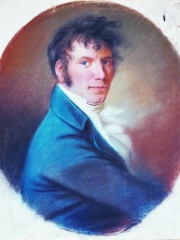
Jens Baggesen
1764 - 1826
HPI: 59.40
Miejsce: 3,390
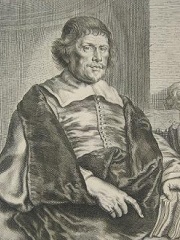
Caspar Barlaeus
1584 - 1648
HPI: 59.40
Miejsce: 3,391
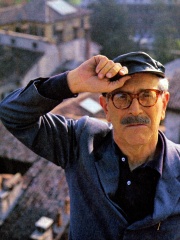
Mario Soldati
1906 - 1999
HPI: 59.40
Miejsce: 3,392
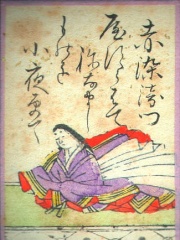
Akazome Emon
956 - 1041
HPI: 59.40
Miejsce: 3,393
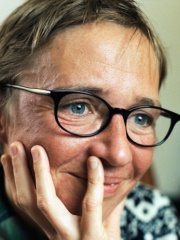
Susanna Tamaro
1957 - obecnie
HPI: 59.40
Miejsce: 3,394
Apion
30 BC - 45
HPI: 59.39
Miejsce: 3,395
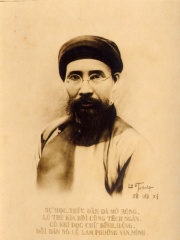
Phan Bội Châu
1867 - 1940
HPI: 59.39
Miejsce: 3,396
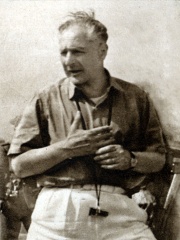
Augusto Genina
1892 - 1957
HPI: 59.39
Miejsce: 3,397
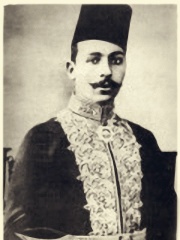
Mustafa Kamil Pasha
1874 - 1908
HPI: 59.39
Miejsce: 3,398
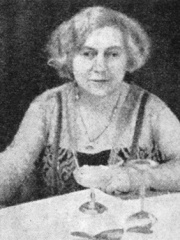
Karin Michaëlis
1872 - 1950
HPI: 59.39
Miejsce: 3,399
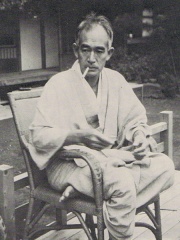
Naoya Shiga
1883 - 1971
HPI: 59.38
Miejsce: 3,400
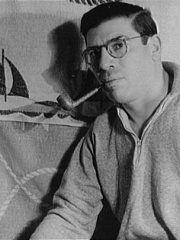
Paul Gallico
1897 - 1976
HPI: 59.38
Miejsce: 3,401

Współcześni
Wśród osób urodzonych w 30 BC roku Apion zajmuje 2. miejsce. Przed nim jest Pythodorida of Pontus. Wśród osób zmarłych w 45 roku Apion zajmuje 2. miejsce. Przed nim jest Philo.
Inne osoby urodzone w 30 BC roku
Zobacz wszystkie rankingi
Pythodorida of Pontus
POLITICIAN
30 BC - 38
HPI: 63.27
Miejsce: 1
Apion
WRITER
30 BC - 45
HPI: 59.39
Miejsce: 2
Inne osoby zmarłe w 45 roku
Zobacz wszystkie rankingi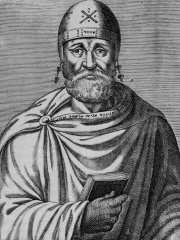
W kraju Egipt
Wśród osób urodzonych w kraju Egipt Apion zajmuje 418. miejsce na NaN. Przed nim są Atef Ebeid (1932), Al-Mustamsik (null), Walther von Hünersdorff (1898), Khalid al-Islambouli (1955), Saad el-Shazly (1922), i Yahya of Antioch (980). Po nim są Mustafa Kamil Pasha (1874), C. S. Forester (1899), Zubaida Tharwat (1940), Sayf al-Din Khushqadam (1413), Pope Theonas of Alexandria (300), i Hind Rostom (1929).
Inne osoby urodzone w kraju Egipt
Zobacz wszystkie rankingi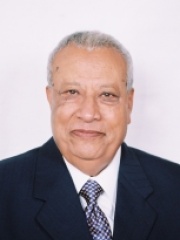
Atef Ebeid
POLITICIAN
1932 - 2014
HPI: 59.49
Miejsce: 412

Al-Mustamsik
POLITICIAN
HPI: 59.49
Miejsce: 413
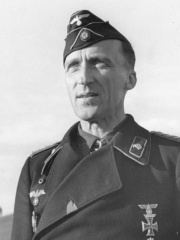
Walther von Hünersdorff
MILITARY PERSONNEL
1898 - 1943
HPI: 59.48
Miejsce: 414
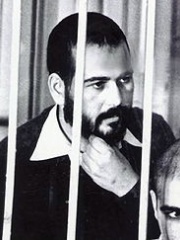
Khalid al-Islambouli
POLITICIAN
1955 - 1982
HPI: 59.43
Miejsce: 415
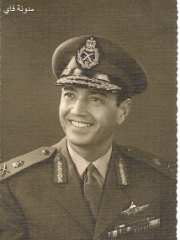
Saad el-Shazly
MILITARY PERSONNEL
1922 - 2011
HPI: 59.41
Miejsce: 416

Yahya of Antioch
HISTORIAN
980 - 1066
HPI: 59.40
Miejsce: 417
Apion
WRITER
30 BC - 45
HPI: 59.39
Miejsce: 418
Mustafa Kamil Pasha
WRITER
1874 - 1908
HPI: 59.39
Miejsce: 419
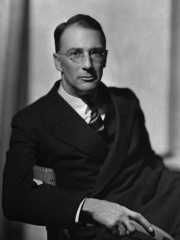
C. S. Forester
WRITER
1899 - 1966
HPI: 59.37
Miejsce: 420
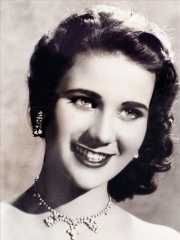
Zubaida Tharwat
ACTOR
1940 - 2016
HPI: 59.31
Miejsce: 421
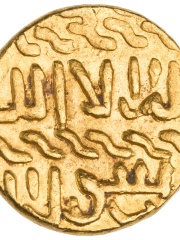
Sayf al-Din Khushqadam
MILITARY PERSONNEL
1413 - 1467
HPI: 59.26
Miejsce: 422

Pope Theonas of Alexandria
RELIGIOUS FIGURE
300 - 300
HPI: 59.26
Miejsce: 423
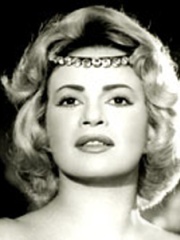
Hind Rostom
ACTOR
1929 - 2011
HPI: 59.26
Miejsce: 424
Wśród przedstawicieli zawodu Pisarz w kraju Egipt
Wśród przedstawicieli zawodu „Pisarz” urodzonych w kraju Egipt Apion zajmuje 35. miejsce. Przed nim są Olympiodorus of Thebes (301), Salama Moussa (1887), Doria Shafik (1908), Dionysius Periegetes (100), Malak Hifni Nasif (1886), i Farag Foda (1946). Po nim są Mustafa Kamil Pasha (1874), C. S. Forester (1899), Aisha Taymur (1840), Albert Cossery (1913), Alaa Al Aswany (1957), i André Aciman (1951).

Olympiodorus of Thebes
301 - 401
HPI: 60.94
Miejsce: 29
Salama Moussa
1887 - 1958
HPI: 60.93
Miejsce: 30
Doria Shafik
1908 - 1975
HPI: 60.83
Miejsce: 31
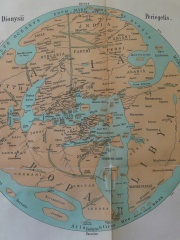
Dionysius Periegetes
100 - 200
HPI: 60.63
Miejsce: 32
Malak Hifni Nasif
1886 - 1918
HPI: 59.96
Miejsce: 33
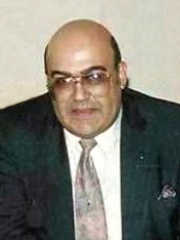
Farag Foda
1946 - 1992
HPI: 59.93
Miejsce: 34
Apion
30 BC - 45
HPI: 59.39
Miejsce: 35
Mustafa Kamil Pasha
1874 - 1908
HPI: 59.39
Miejsce: 36
C. S. Forester
1899 - 1966
HPI: 59.37
Miejsce: 37
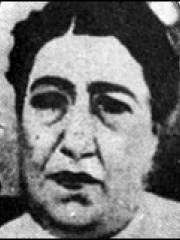
Aisha Taymur
1840 - 1902
HPI: 58.98
Miejsce: 38

Albert Cossery
1913 - 2008
HPI: 58.95
Miejsce: 39

Alaa Al Aswany
1957 - obecnie
HPI: 58.81
Miejsce: 40
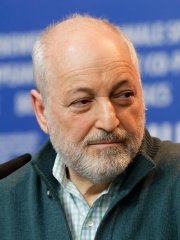
André Aciman
1951 - obecnie
HPI: 58.60
Miejsce: 41




