Religieuze figuur
Philippe Barbarin
1950 - heden
NL.WIKIPEDIA-PAGINAWEERGAVEN (PV)
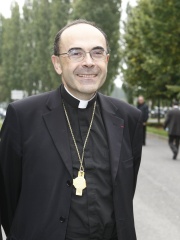

 Philippe Barbarin
Zijn biografie is beschikbaar in 26 verschillende talen op Wikipedia (toegenomen van 23 in 2024). Philippe Barbarin staat op plaats 1.422 onder de meest populaire religieuze figuur (gestegen van plaats 2.247 in 2024), plaats 42 onder de meest populaire biografieën uit Marokko (gestegen van plaats 87 in 2019) en op plaats 4 onder de populairste religieuze figuur uit Marokko.
Bekendheidsstatistieken
46k
Paginaweergaven
Afgelopen 12 maanden
63.85
HPI
Historische populariteitsindex
Data-inzichten
17 okt
Philippe Barbarin is jarig op dezelfde dag (17 oktober) als Ferdinand Magellan, Pope John Paul I en Henri de Saint-Simon.
Paginaweergaven van Philippe Barbarin per taal
Onder Religieuze figuur
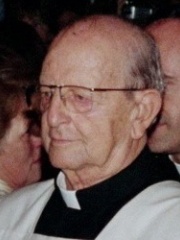
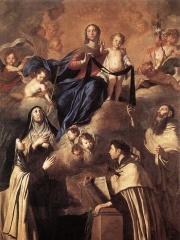
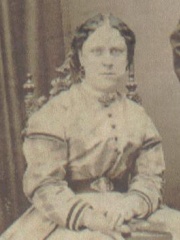
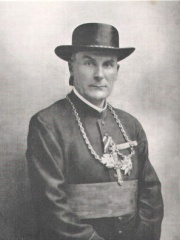
Onder Religieuze figuur staat Philippe Barbarin op plaats 1,422 van 3,187. Vóór hem staan Ebussuud Efendi, Aga Khan II, Andrew Yeom Soo-jung, Marcial Maciel, Shaohao, en Simon Stock. Na hem komen Annie Chapman, Michael von Faulhaber, Charles of Austria, Bishop of Wroclaw, Muslim ibn Aqil, Yohanan ben Zakkai, en Ippolito d'Este.
Populairste Religieuze figuur op Wikipedia
Naar alle ranglijsten
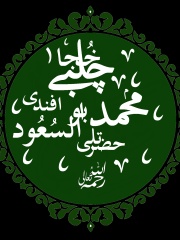
Ebussuud Efendi
1490 - 1574
HPI: 63.89
Plaats: 1,416
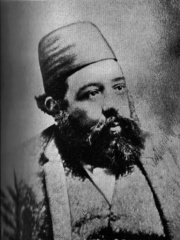
Aga Khan II
1830 - 1885
HPI: 63.88
Plaats: 1,417
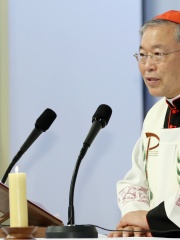
Andrew Yeom Soo-jung
1943 - heden
HPI: 63.88
Plaats: 1,418
Marcial Maciel
1920 - 2008
HPI: 63.87
Plaats: 1,419

Shaohao
HPI: 63.86
Plaats: 1,420
Simon Stock
1164 - 1265
HPI: 63.85
Plaats: 1,421
Philippe Barbarin
1950 - heden
HPI: 63.85
Plaats: 1,422
Annie Chapman
1841 - 1888
HPI: 63.85
Plaats: 1,423
Michael von Faulhaber
1869 - 1952
HPI: 63.82
Plaats: 1,424
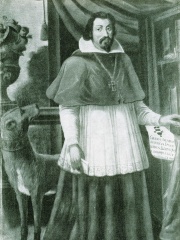
Charles of Austria, Bishop of Wroclaw
1590 - 1624
HPI: 63.81
Plaats: 1,425
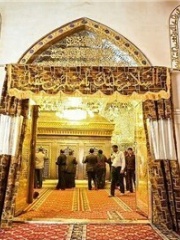
Muslim ibn Aqil
650 - 680
HPI: 63.81
Plaats: 1,426

Yohanan ben Zakkai
50 - 70
HPI: 63.81
Plaats: 1,427
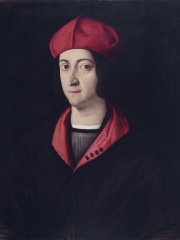
Ippolito d'Este
1479 - 1520
HPI: 63.80
Plaats: 1,428

Tijdgenoten
Onder de mensen geboren in 1950 staat Philippe Barbarin op plaats 127. Vóór hem staan Jeffery Deaver, Genesis P-Orridge, Rick Baker, Charles, Prince Napoléon, Yuki Fushimi, en Martin Short. Na hem komen Arthur D. Levinson, Ueli Maurer, Marius Trésor, Bobby McFerrin, Mory Kanté, en Ali Zeidan.
Anderen geboren in 1950
Naar alle ranglijsten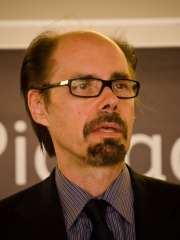
Jeffery Deaver
WRITER
1950 - heden
HPI: 64.06
Plaats: 121
Genesis P-Orridge
SINGER
1950 - 2020
HPI: 64.04
Plaats: 122
Rick Baker
ACTOR
1950 - heden
HPI: 63.96
Plaats: 123
Charles, Prince Napoléon
POLITICIAN
1950 - heden
HPI: 63.95
Plaats: 124

Yuki Fushimi
SOCCER PLAYER
1950 - heden
HPI: 63.87
Plaats: 125
Martin Short
ACTOR
1950 - heden
HPI: 63.85
Plaats: 126
Philippe Barbarin
RELIGIOUS FIGURE
1950 - heden
HPI: 63.85
Plaats: 127

Arthur D. Levinson
BUSINESSPERSON
1950 - heden
HPI: 63.77
Plaats: 128
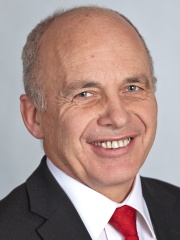
Ueli Maurer
POLITICIAN
1950 - heden
HPI: 63.77
Plaats: 129
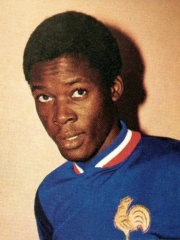
Marius Trésor
SOCCER PLAYER
1950 - heden
HPI: 63.67
Plaats: 130
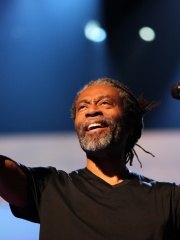
Bobby McFerrin
MUSICIAN
1950 - heden
HPI: 63.59
Plaats: 131
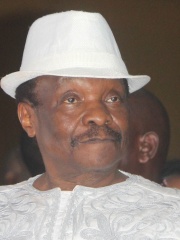
Mory Kanté
SINGER
1950 - 2020
HPI: 63.52
Plaats: 132
Ali Zeidan
POLITICIAN
1950 - heden
HPI: 63.50
Plaats: 133
In Marokko
Onder de mensen geboren in Marokko staat Philippe Barbarin op plaats 42 van 264. Vóór hem staan Sayyida al Hurra (1485), Ahmad al-Badawi (1199), Mohamed Choukri (1935), Mohammed ben Abdallah (1710), Lalla Latifa Amahzoune (1946), en Abd al-Rahman of Morocco (1779). Na hem komen Ahmed Faras (1946), Muhammad IV of Morocco (1803), Christian de Portzamparc (1944), Mordechai Vanunu (1954), Abbas El Fassi (1940), en Abu Marwan Abd al-Malik I Saadi (1541).
Anderen geboren in Marokko
Naar alle ranglijsten
Sayyida al Hurra
POLITICIAN
1485 - 1542
HPI: 64.88
Plaats: 36
Ahmad al-Badawi
RELIGIOUS FIGURE
1199 - 1276
HPI: 64.63
Plaats: 37
Mohamed Choukri
WRITER
1935 - 2003
HPI: 64.39
Plaats: 38
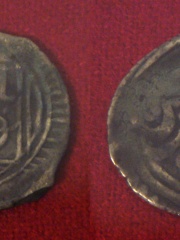
Mohammed ben Abdallah
POLITICIAN
1710 - 1790
HPI: 64.21
Plaats: 39

Lalla Latifa Amahzoune
NOBLEMAN
1946 - 2024
HPI: 64.12
Plaats: 40
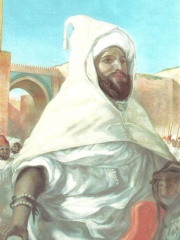
Abd al-Rahman of Morocco
POLITICIAN
1779 - 1859
HPI: 64.09
Plaats: 41
Philippe Barbarin
RELIGIOUS FIGURE
1950 - heden
HPI: 63.85
Plaats: 42

Ahmed Faras
SOCCER PLAYER
1946 - 2025
HPI: 63.73
Plaats: 43
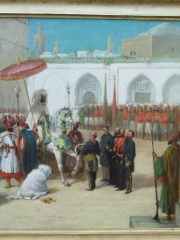
Muhammad IV of Morocco
POLITICIAN
1803 - 1873
HPI: 63.63
Plaats: 44

Christian de Portzamparc
ARCHITECT
1944 - heden
HPI: 63.61
Plaats: 45
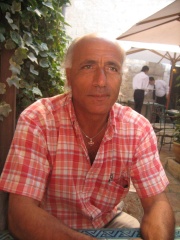
Mordechai Vanunu
SOCIAL ACTIVIST
1954 - heden
HPI: 63.57
Plaats: 46
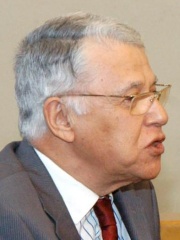
Abbas El Fassi
POLITICIAN
1940 - heden
HPI: 63.41
Plaats: 47
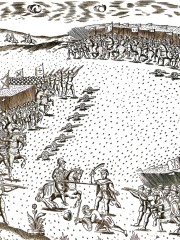
Abu Marwan Abd al-Malik I Saadi
POLITICIAN
1541 - 1578
HPI: 63.33
Plaats: 48
Onder Religieuze figuur in Marokko
Onder Religieuze figuur geboren in Marokko staat Philippe Barbarin op plaats 4. Vóór hem staan Dominique Mamberti (1952), Zeno of Verona (300), en Ahmad al-Badawi (1199). Na hem komen Al-Shadhili (1197), en Baba Sali (1889).
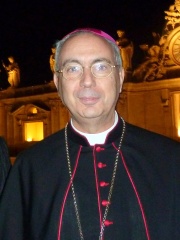
Dominique Mamberti
1952 - heden
HPI: 70.70
Plaats: 1
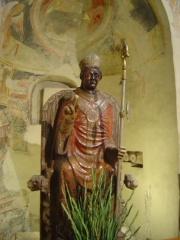
Zeno of Verona
300 - 371
HPI: 67.99
Plaats: 2
Ahmad al-Badawi
1199 - 1276
HPI: 64.63
Plaats: 3
Philippe Barbarin
1950 - heden
HPI: 63.85
Plaats: 4
Al-Shadhili
1197 - 1258
HPI: 62.99
Plaats: 5
Baba Sali
1889 - 1984
HPI: 60.62
Plaats: 6




